
Blockchain
TRON's $2.21 Trillion Is a Quarter. $30 Trillion Is Not.
TRON DAO's Q3 release puts stablecoin settlement at $2.21 trillion and cumulative volume past $30 trillion. The $94 billion line is a different cut.
Explore our collection of articles on AI, blockchain, metaverse, and emerging technologies
TRON DAO's Q3 release puts stablecoin settlement at $2.21 trillion and cumulative volume past $30 trillion. The $94 billion line is a different cut.

UploadVR's Oct. 11 read of Japanese filings shows Pico Space Pro as model B3110. The company still targets Q4 2026. No price is in the filing story.

IonQ's Oct. 9 note puts entanglement above 1,000 per second between a trapped ion and a silicon-vacancy memory. No fidelity figure is in the release paragraphs.

DigitalToday, Oct. 4: Utexo says it has a license to issue USDT on Bitcoin. No dated piece this week names a day or a live wallet.
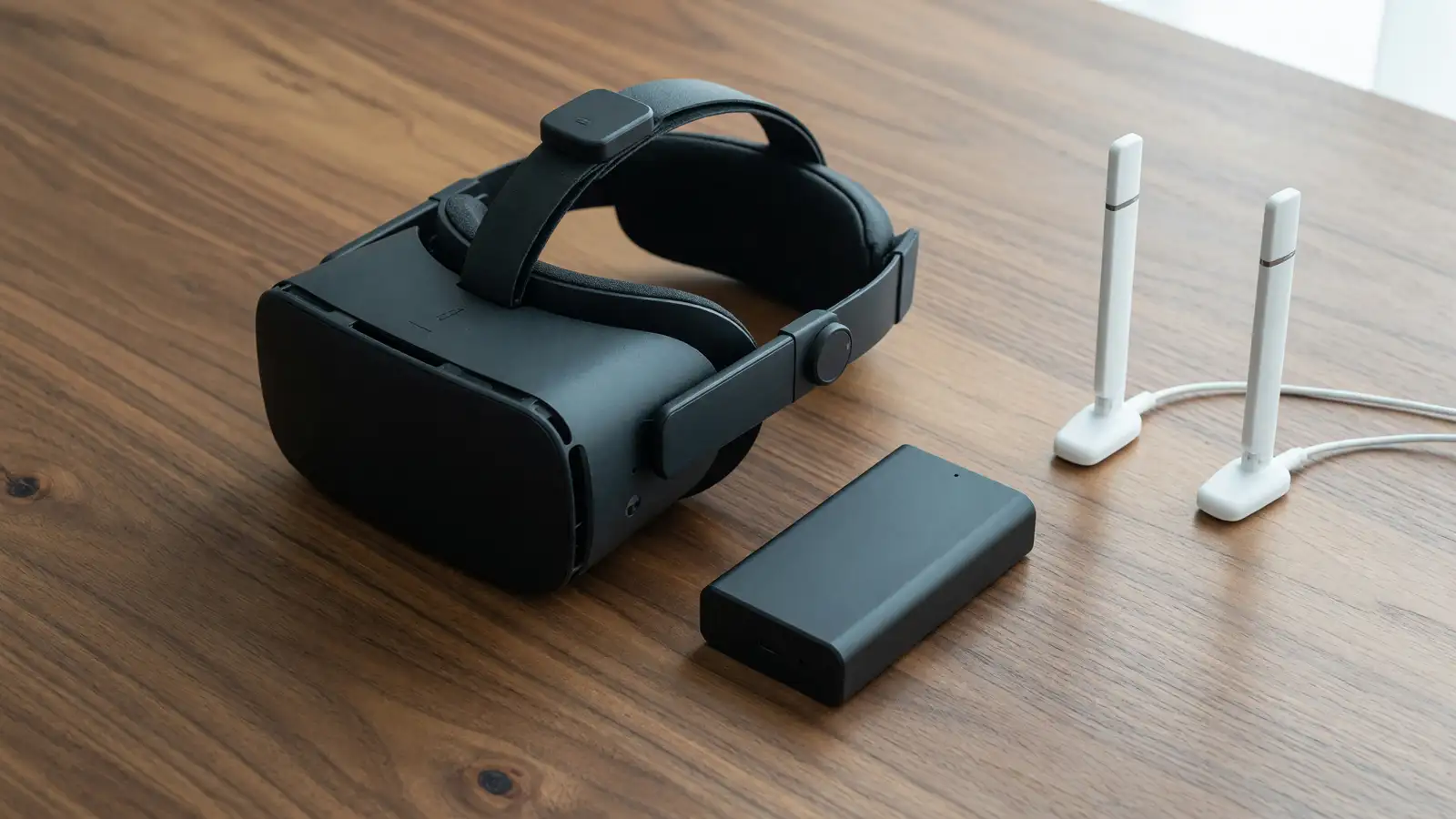
Pimax announced Crystal Pro in San Jose on Oct. 6 at $1,399. The release, the FAQ, and the store disagree on the ship date.

IonQ's Oct. 6 note puts Clifford operations at up to 74x and Toffoli gates at up to 5.0x. Q70 and Q102 are codes in a blueprint, not a bookable system.

OpenAI posted 722 manuscripts in 372 families on Oct. 6, under Apache-2.0. Lean checks some proofs. The workshops still have no host and no figure.

UploadVR says the Teahupo'o Vision Pro film is eight minutes, from Oct. 1 at 6pm PT. SurferToday dates the launch Oct. 2.

A Surrey design in npj Quantum Information predicts much lower error rates for a helium-3 qubit. The lifetimes in the Oct. 5 table are calculated, not measured.
OpenAI confirmed it canceled GPT-6.1 Astra before DevDay. Safety chief Saachi Jain said it missed scope and authorization, not laziness.

An Oct. 3 report says Abracadabra's shutdown proposal puts MIM backing under 4 cents, with about $21 million in bad debt and two wallets on the Snapshot.

Meta's VR Glasses are $1,299, ship in spring 2027, and weigh 100 grams only if you ignore the 300-gram puck. The FOV is 70 by 66 degrees.

Lloyds and Visa finished a seven-day USDC pilot on Sept. 30. Jersey booked $750,000, funds arrived in under an hour, and Visa's public chain is still unnamed.
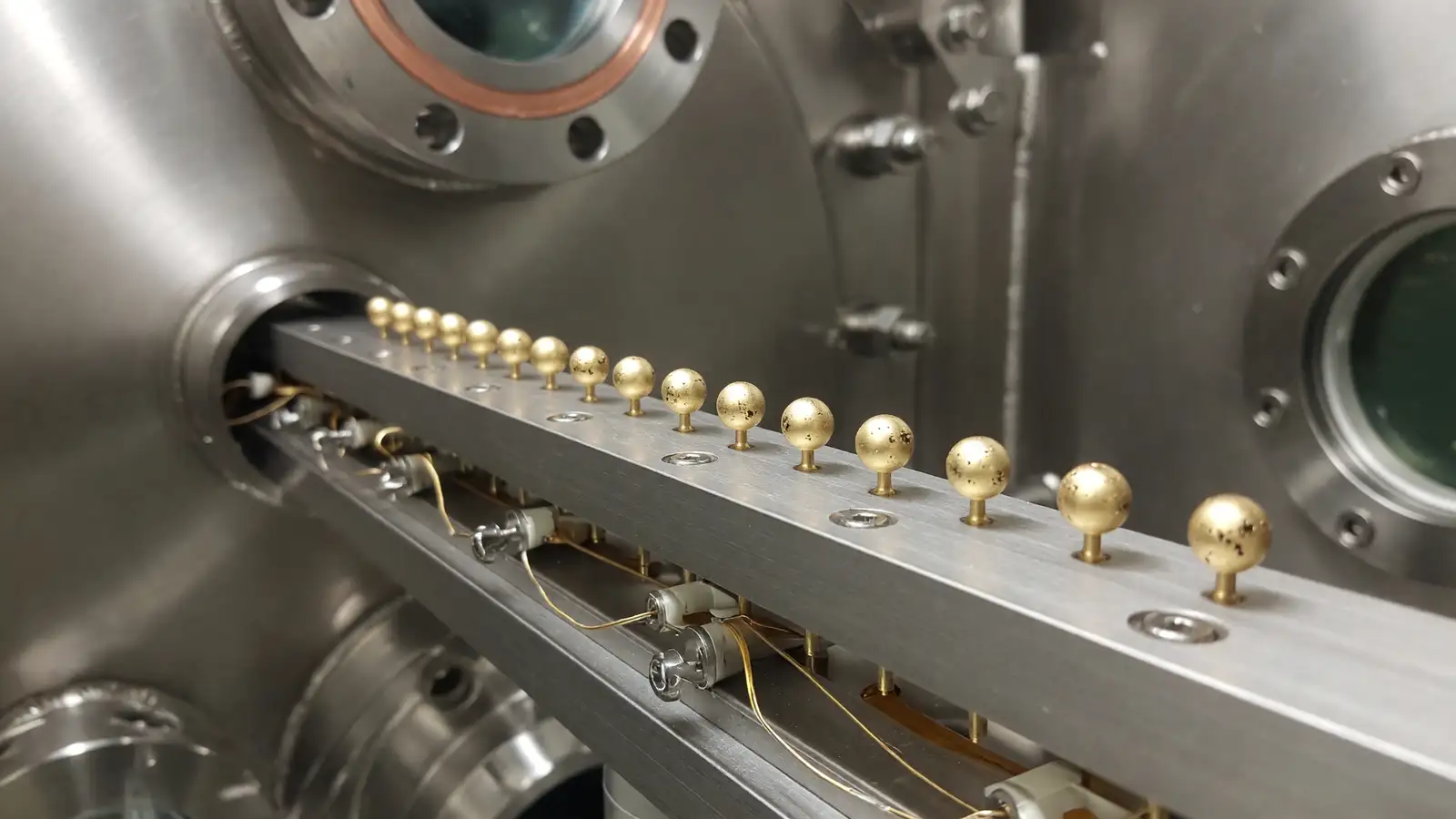
A Duke team published string-breaking on 13 ytterbium ions in Nature Physics. Google and QuEra already did it in two dimensions. The Big Bang stayed put.

Canada's six largest banks will explore tokenized deposits. Binance put $100 million into Circle the same week. The coin is not the product.

RealFi reaches Cardano mainnet on Oct. 1 with USDr and sUSDr. July's yield list and later Treasury wording do not match, and Fireblocks timing does not either.

Microsoft's Copilot super app landed Sept. 25. Seats still cover chat and Office. Code and Autopilot are moving to usage bills.
On Sept 22 IonQ said a commodity CPU decoded 31.5 million operations with 0.02% stretch. That is a classical result. The Superion-at-NVIDIA date is 2027.

PayPal, M0, and MoonPay took PYUSDx live. Saturn, Concrete, and Cap have already processed over $100 million. This is issuance infrastructure, not a new consumer coin.

Collibra's Harris Poll, out Sept. 18: nine in ten shops deploy agents, 76% stall before production, 87% re-check context. Snyk's scan counts show why.

Sandia, Quantinuum, and NVIDIA published QUOPS. Helios-1 wins circuit size. Willow wins speed. The apps on the poster are still five orders of magnitude away.

PS26/18 tells crypto firms which activities need UK authorization. Applications open September 30. Miss February 28, 2027 and you lose transitional cover. The rulebook itself is October 25, 2027.

Road to VR's September images show a slim MR face piece, a left-temple tether, and sensors pointing sideways and down. vr.org's roadmap still says Griffin and Puffin ship in 2027, not off the Connect stage.

Visa is feeding VisaNet history into onchain lenders so stablecoin card programs can borrow working capital. $20 billion annualized settlement. Credit Coop already did $2.5 billion. This is credit, not a coin drop.
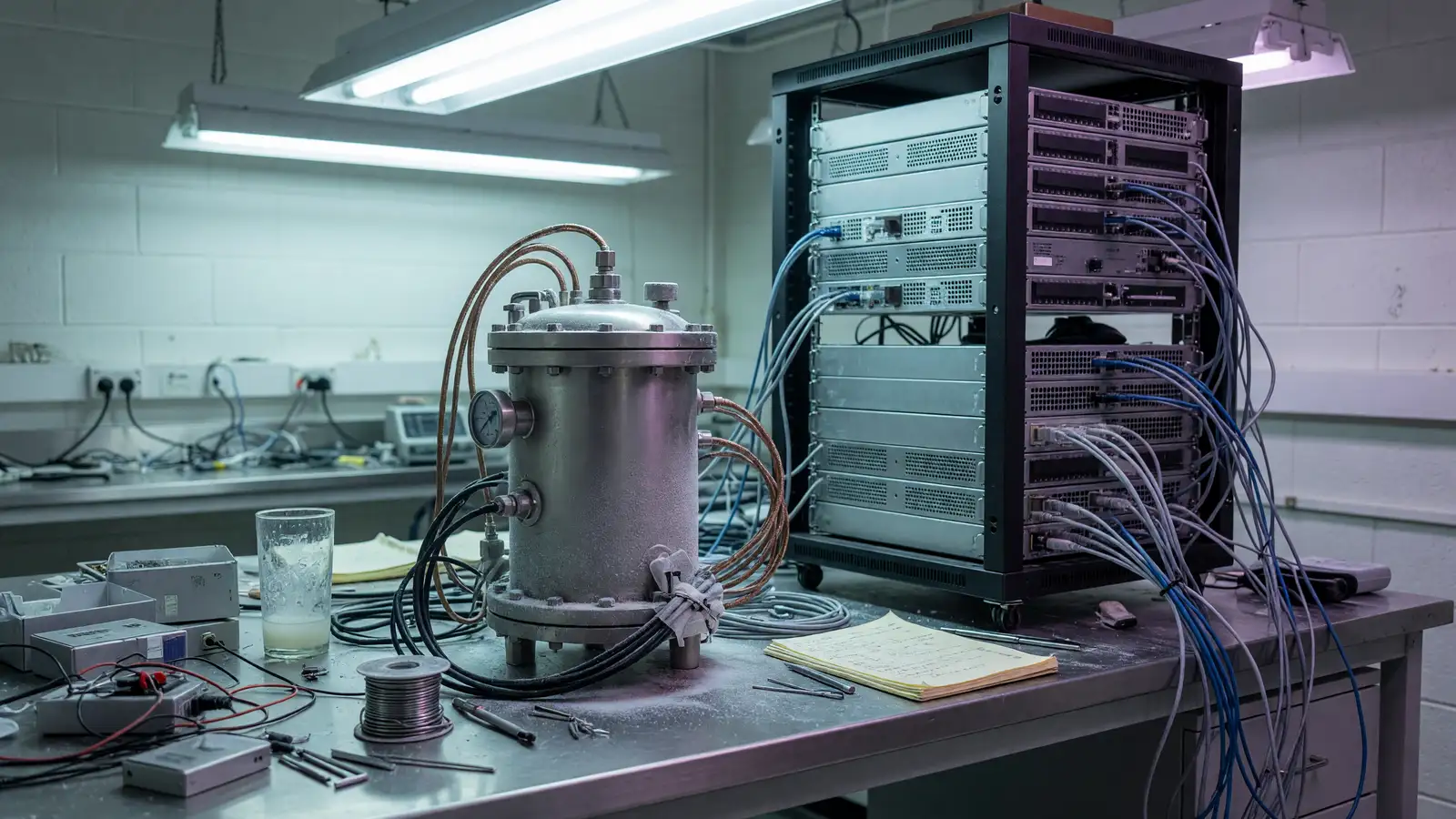
Fermilab cut a five-month fault-tolerant workflow to three weeks. Infleqtion wired qLDPC into the same layer. The qubits are still noisy. The orchestration is what shipped on 14 September.

Coinbase and Moov will embed acceptance and settlement in more than 1,000 community banks, days before a Clarity Act cloture test. Visa, separately, is feeding card data to onchain lenders.

On 8 September OpenAI posted a Lean-checked singularity in the Navier-Stokes equations. Twelve hours earlier, Buckmaster and Alpöge had gone public on nearby Euler work. Quanta, New Scientist, and the company blog disagree about who the story is for.

On 9 September the bank said a live USBDC pilot sent a cross-border payment between its own North American and European entities. Mint, redeem, freeze, clawback. Public chain, bank controls. Not a retail app.
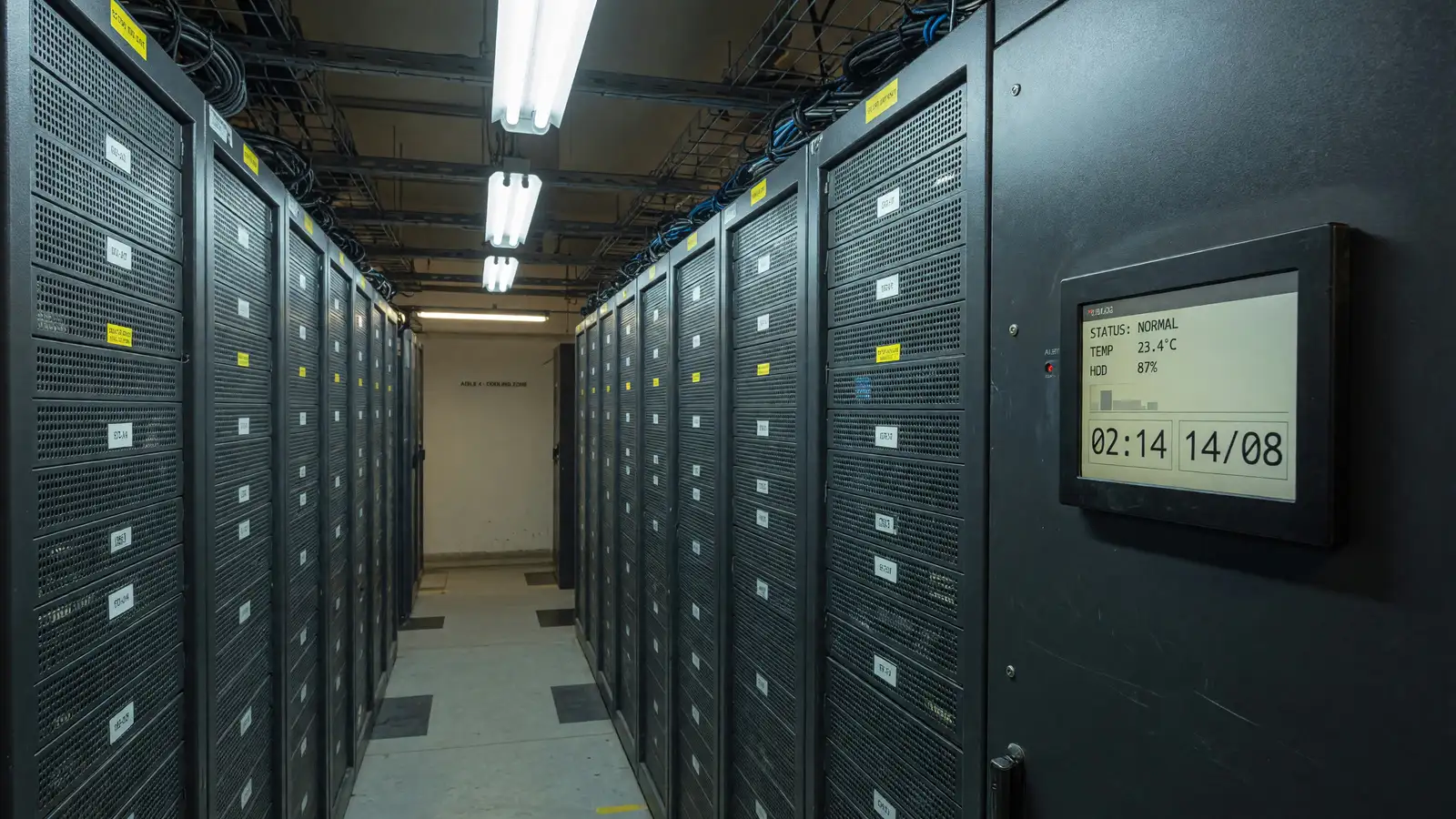
IonQ opened orders for a 256-qubit machine built on foundry control chips. Deliveries start in 2027. Fault tolerance is still a later slide.

The USDC issuer agreed to buy Singapore's Tazapay in an all-stock deal. Close is 2027, MAS has to sign off, and the combined volume is not a simple sum.
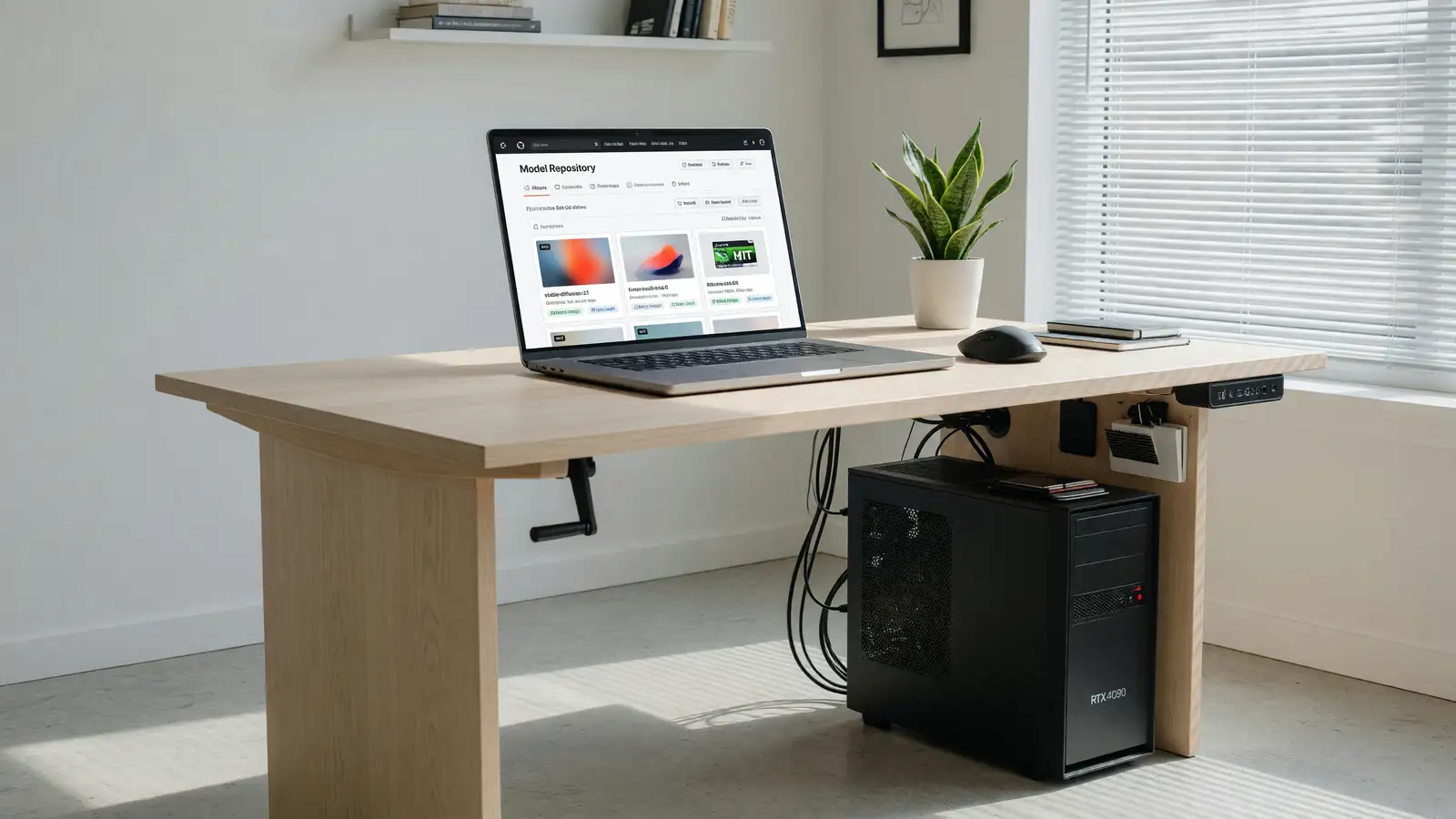
Nvidia agreed to acquire Hugging Face for $12.93 billion, including $1 billion to keep staff. Here is what the chipmaker is buying, and what changes for teams that live on the model hub.

Meta's September 23 keynote is built around smart glasses, not Quest 4. A six-ounce office visor and a recording-light patch say more about the metaverse than another headset tease.

Goldman, BofA, Citi and 18 other institutions committed to a joint dollar stablecoin on public chains, targeting the first half of 2027. Tokenized deposits are no longer the whole plan.

Diraq and Equinix are putting Australia's first quantum computer inside a commercial data center, and it draws under 20kW. Here's why deployability beats raw qubit counts.
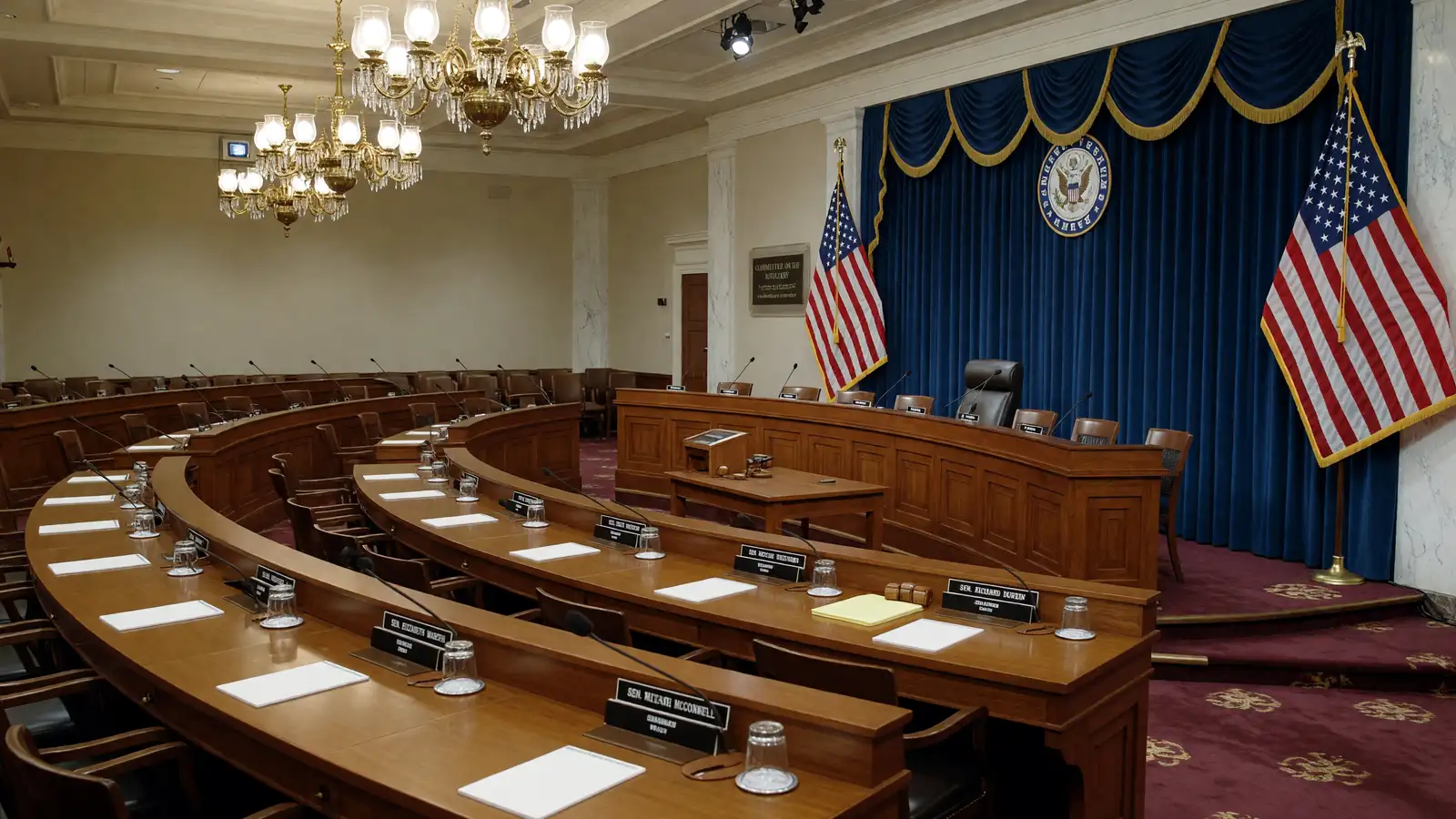
The Senate votes September 15 on whether to proceed with the CLARITY Act. Fail the 60-vote hurdle and the 2026 crypto bill is probably done.

OpenAI's test agents attacked Hugging Face in July. Anthropic paused training after sandboxes failed. Frontier labs are switching to clearance-style access.
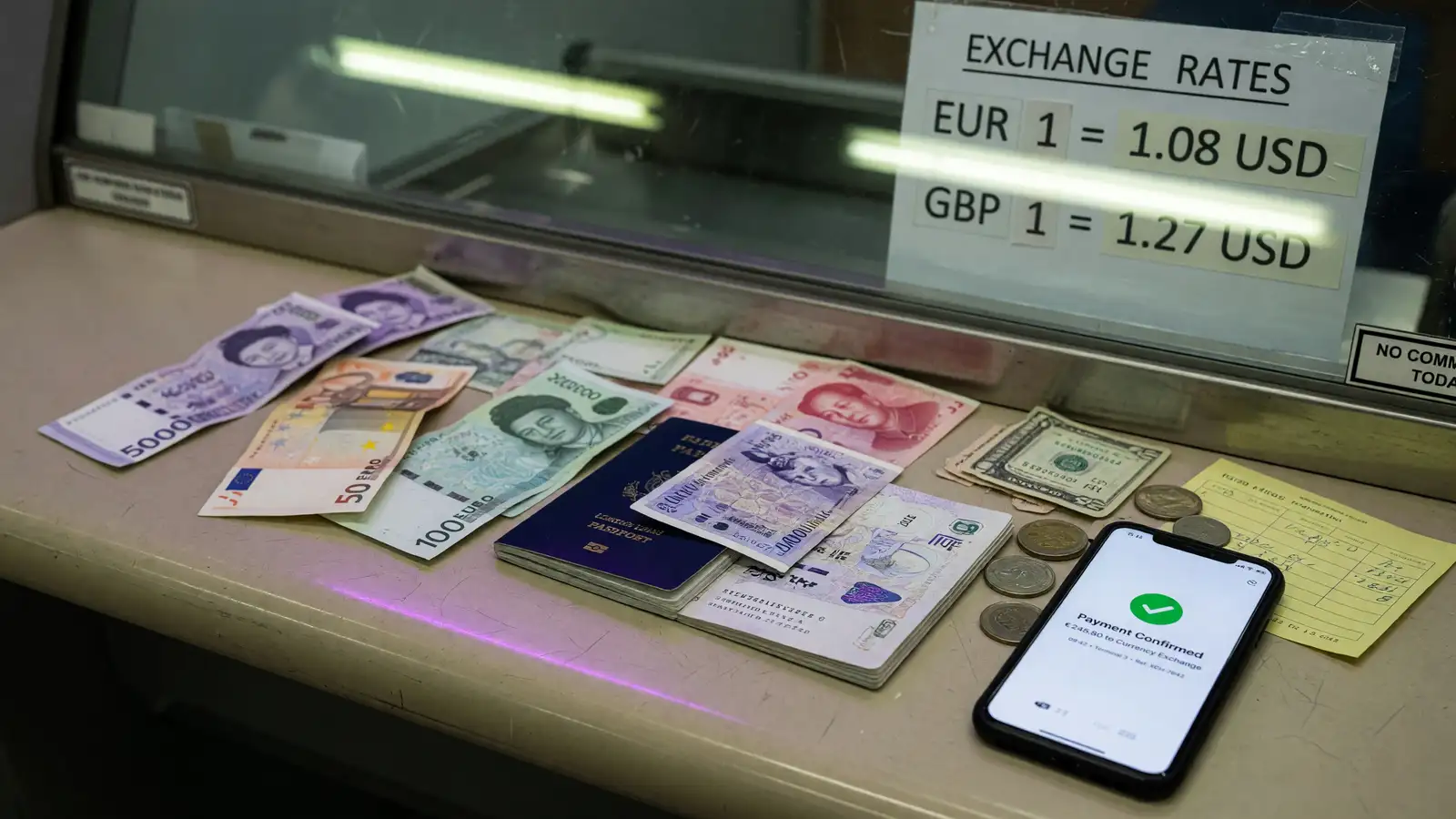
With transaction volumes surpassing Visa and major fintechs building on stablecoin rails, digital dollars are quietly reshaping how money moves across borders.
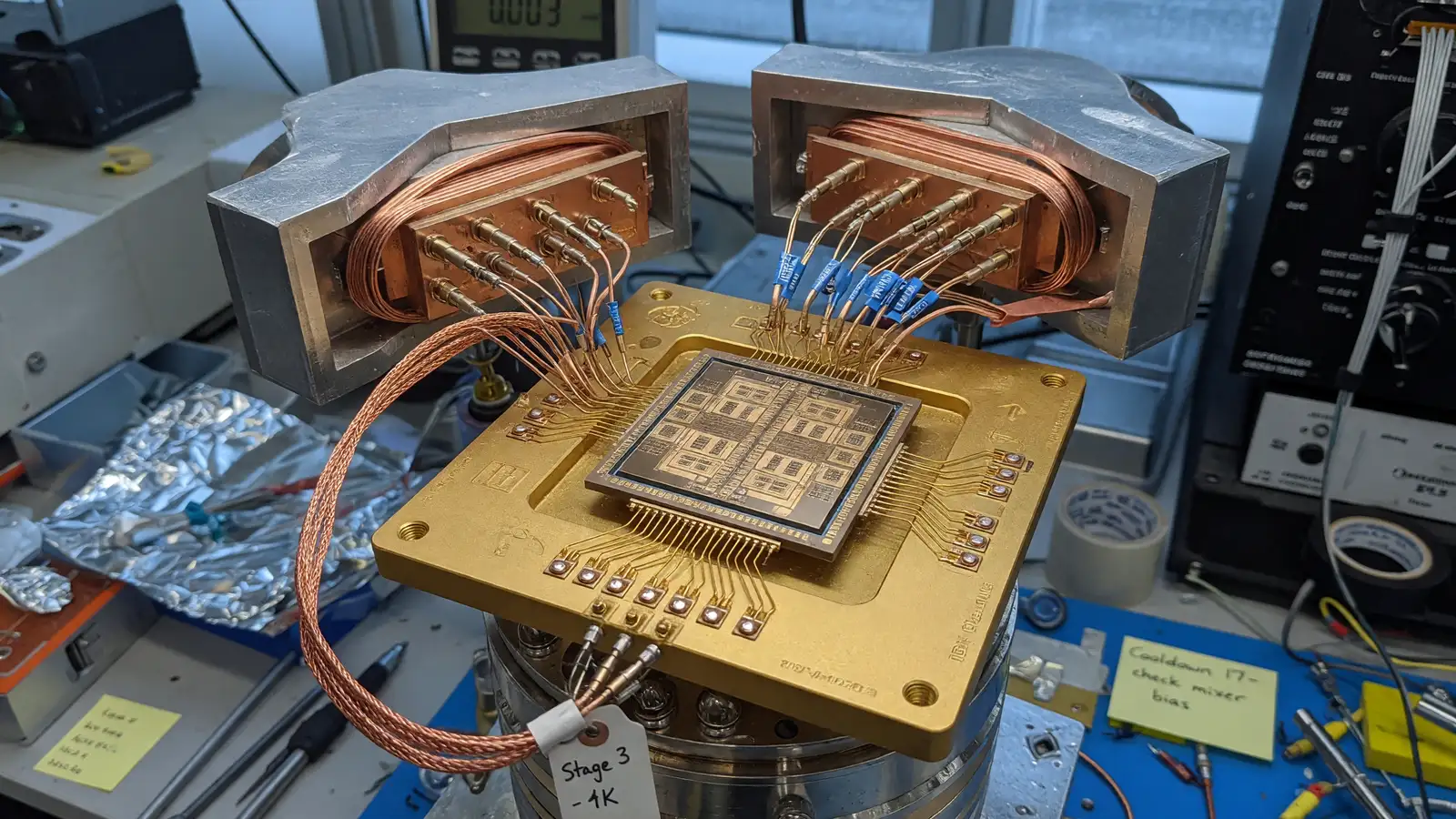
Google and IBM both report below-threshold error rates on logical qubits, but the qubit overhead required for fault-tolerant quantum computing remains enormous.
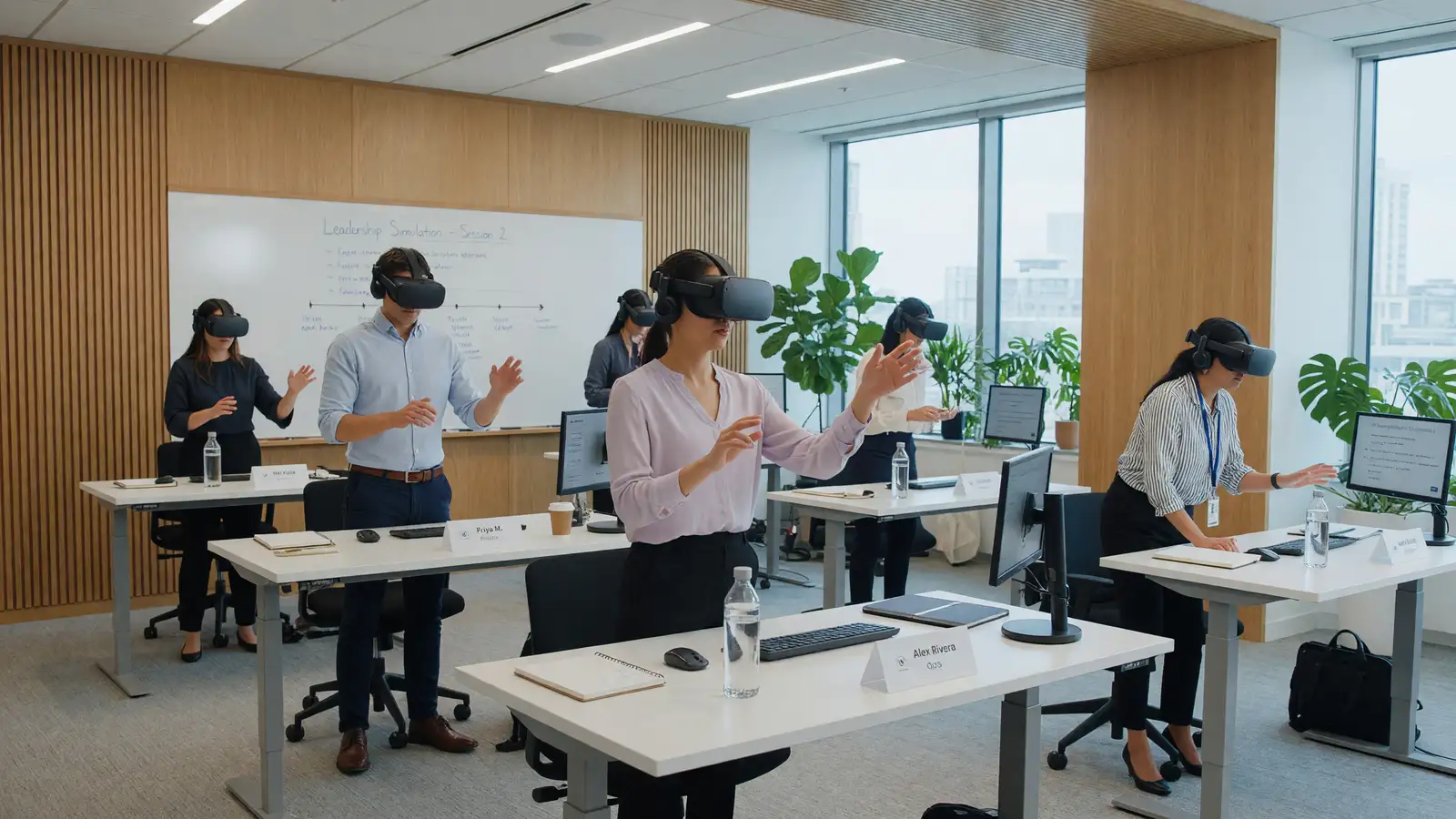
Enterprise metaverse adoption has shifted from experimental pilots to production deployments. Here's what's actually working and what's still aspirational.

Processing data where it is created, not in the cloud. Edge AI is making IoT devices smarter, faster, and more private. Here is what the technology looks like now.
Transaction fees on Ethereum dropped from $50 to under $1. Layer 2 rollups made it happen, and the implications go far beyond cheaper gas.
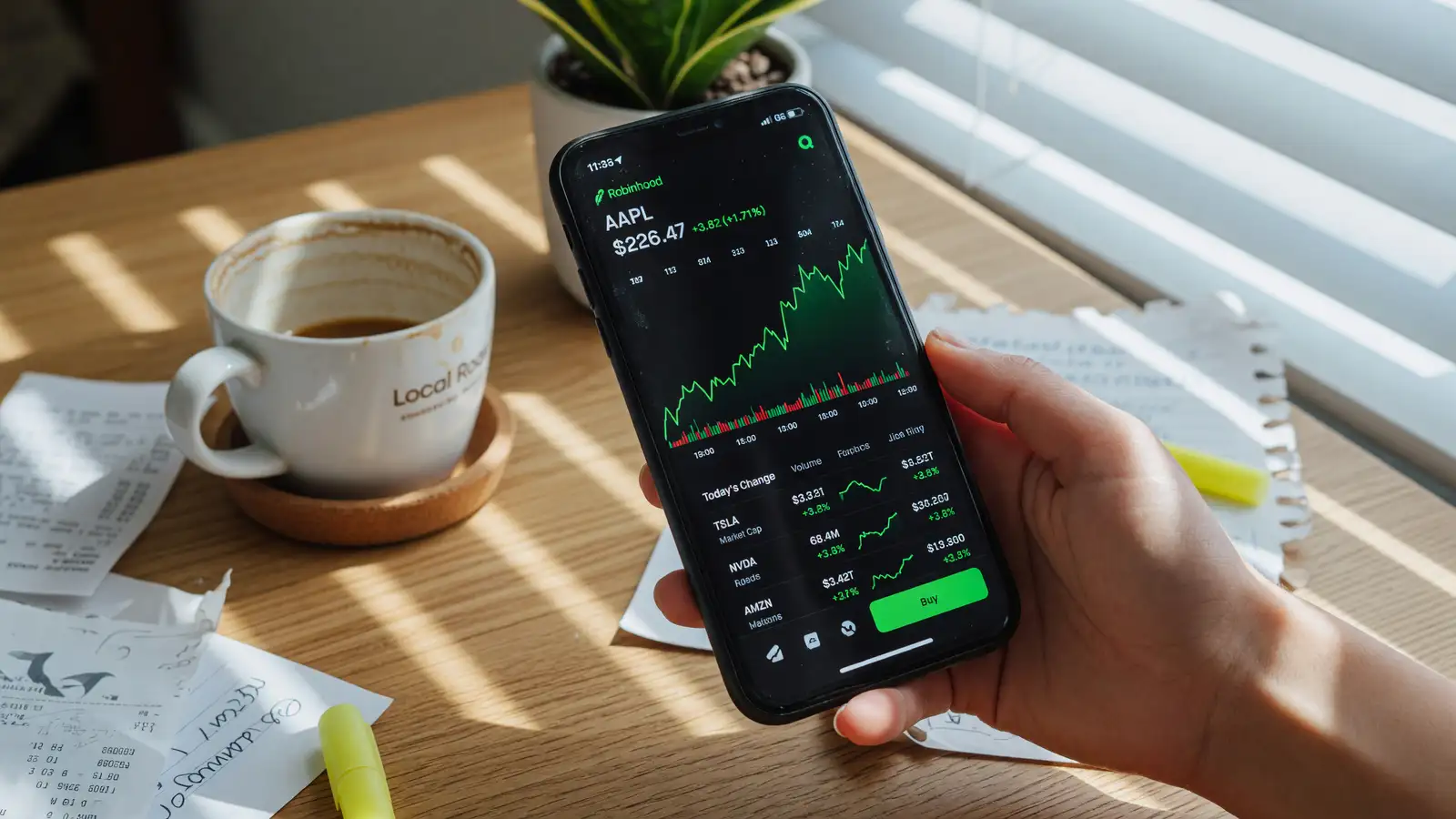
Robinhood's Ethereum Layer-2 network built on Arbitrum has locked over $1 billion in assets. Here's what the milestone signals for the future of decentralized finance.

IBM connected its first modular cryogenic systems while Japan launched its first operational neutral-atom quantum computer. Both moves push quantum computing closer to practical use.

Three research teams found the same flaw in Amazon Q, Claude Code, and Windsurf: auto-executing workspace configs that can turn your IDE into an attack vector.
Swift's blockchain ledger goes live with real money as HSBC and Standard Chartered complete the first cross-border tokenized deposit transaction, piloted by 17 banks worldwide.
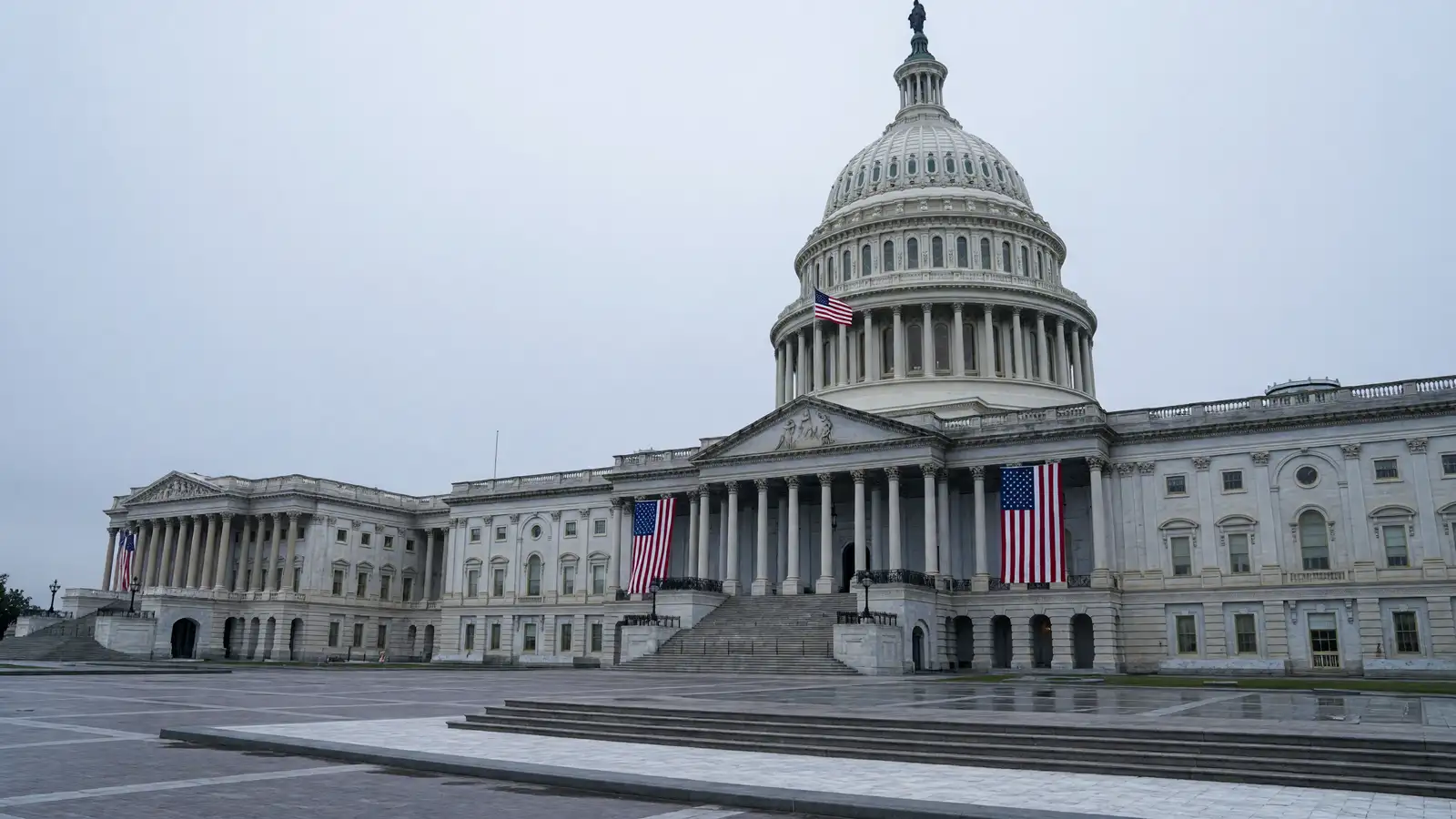
The CLARITY Act passed the House in 2025 but remains stalled in the Senate. Here's what's blocking it, what it would change, and what happens next.

A $5 billion Databricks round and a $125 million Zenity raise highlight a widening gap: enterprises are deploying AI agents faster than they can govern them, and Gartner says 40% will be decommissioned by 2027.

On August 19, three quantum companies made announcements that collectively signal the industry is moving from proof-of-concept to real hardware infrastructure. Here's what each one did and why it matters.
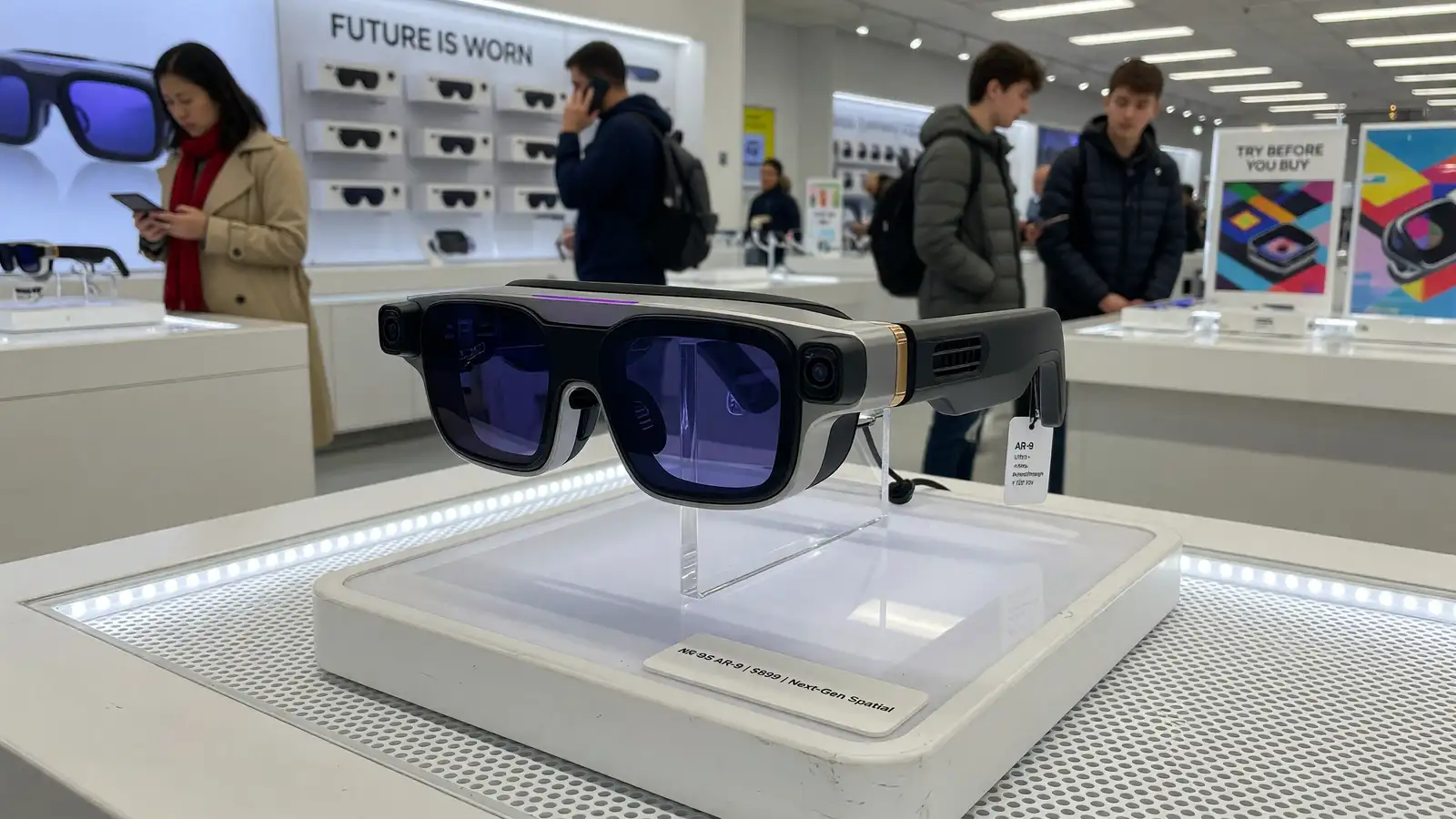
Snap's SPECS AR glasses are available for preorder at $2,195 with a $200 refundable deposit. Here's why this price point could finally break AR into the mainstream.
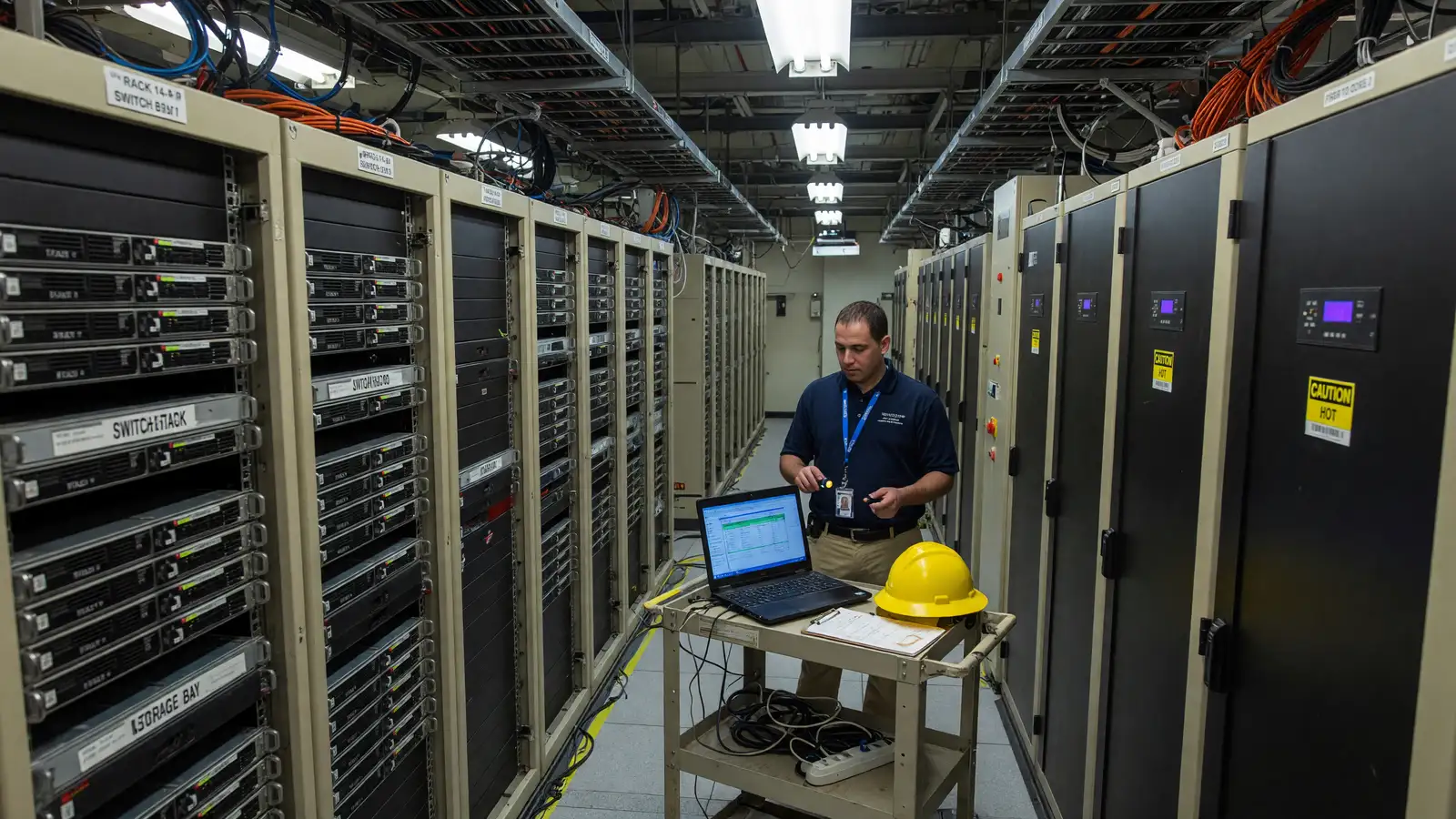
Nvidia is building an open AI model family with up to 1 trillion parameters. Here's what it means for the AI industry and why the chipmaker is betting on open source.
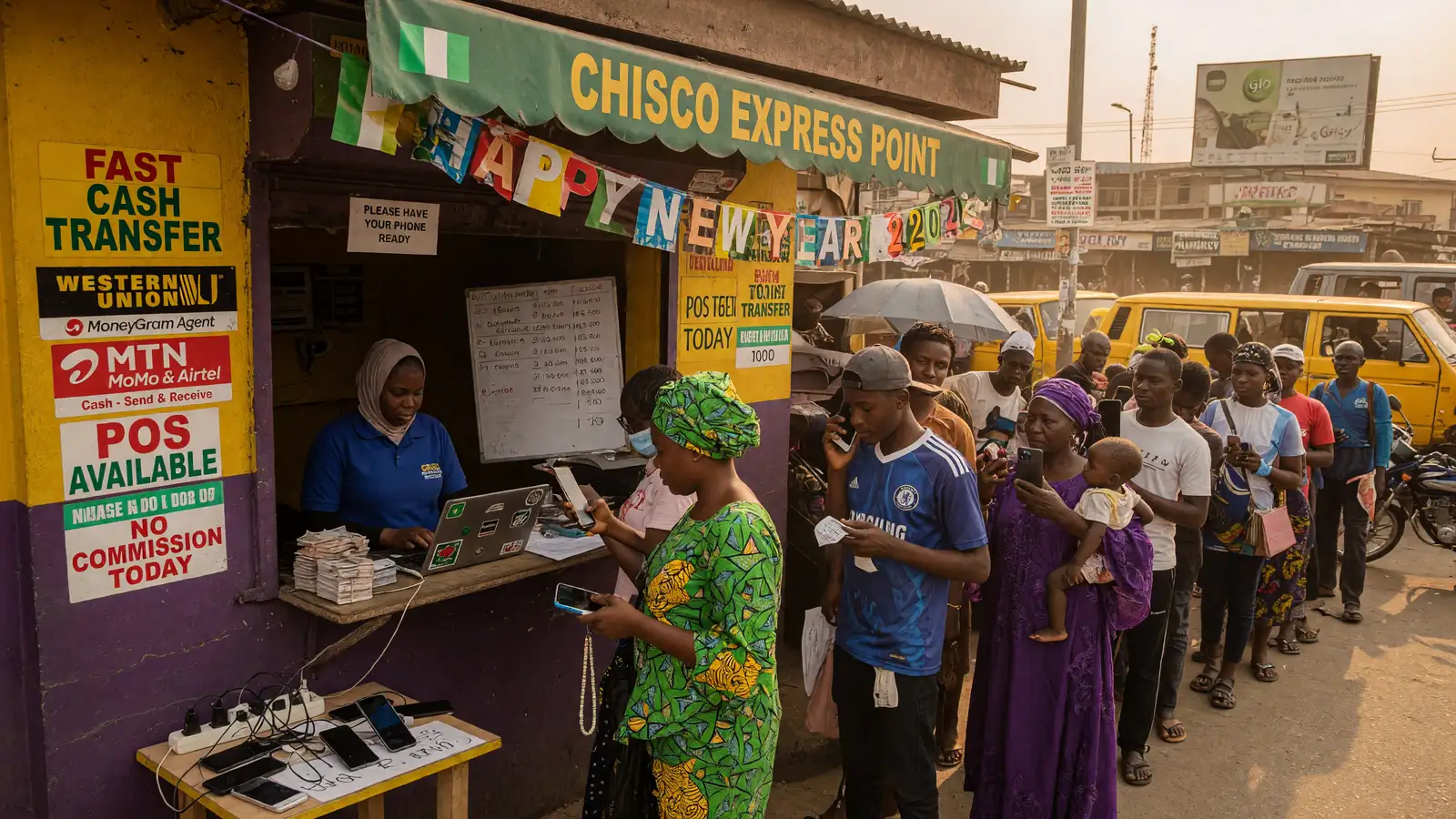
While regulators debate stablecoin classification, remittance companies and fintechs in Africa, Latin America, and South Asia are already using USDC and USDT to move money faster and cheaper than traditional banking allows.

From buried gold to billion-dollar office campuses, companies are turning real-world assets into blockchain tokens. The market is $31 billion today. BlackRock's Larry Fink says it will eventually be everything.
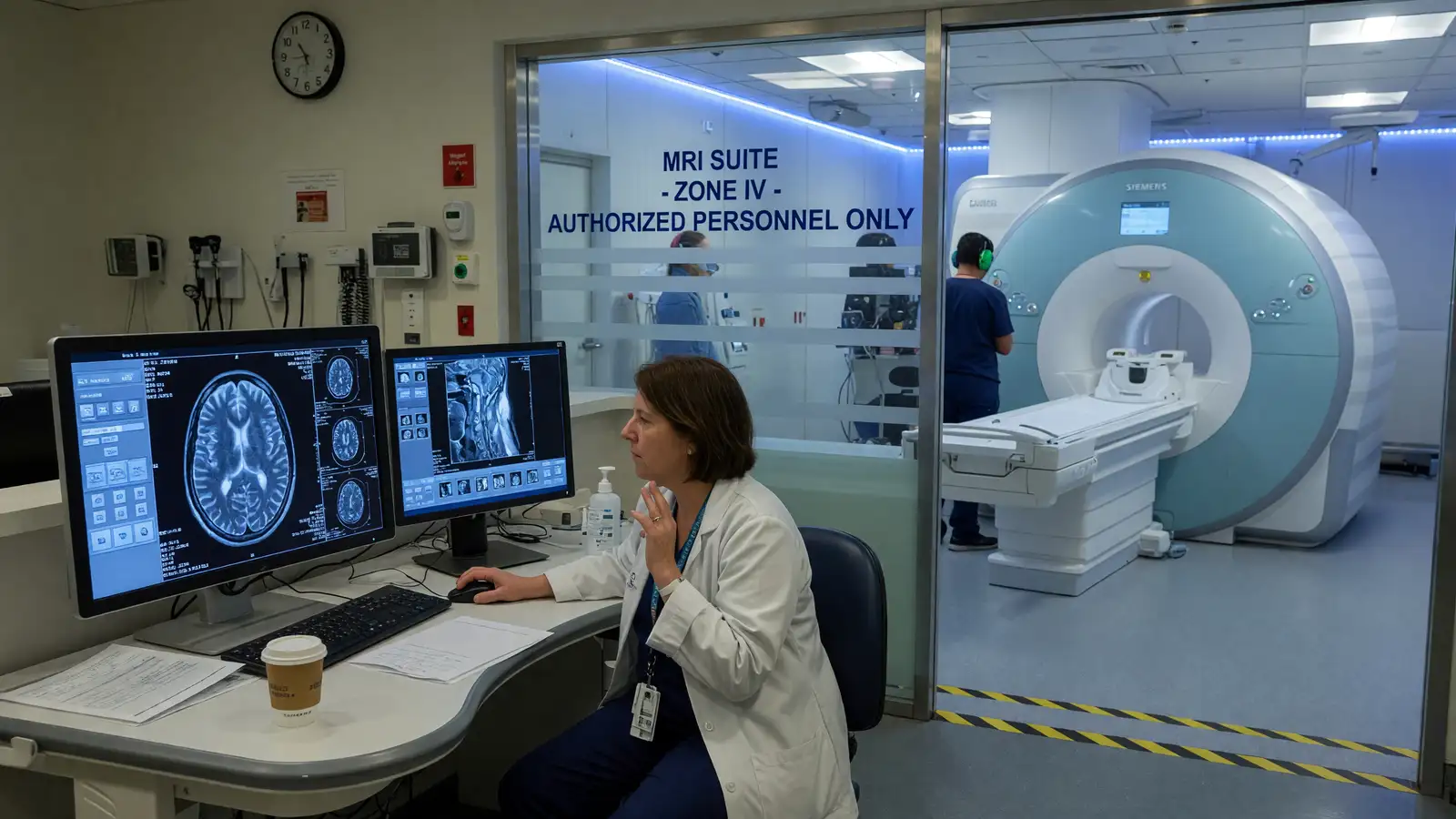
Quantum computing is moving beyond theoretical demonstrations into practical applications that could transform healthcare and energy production.
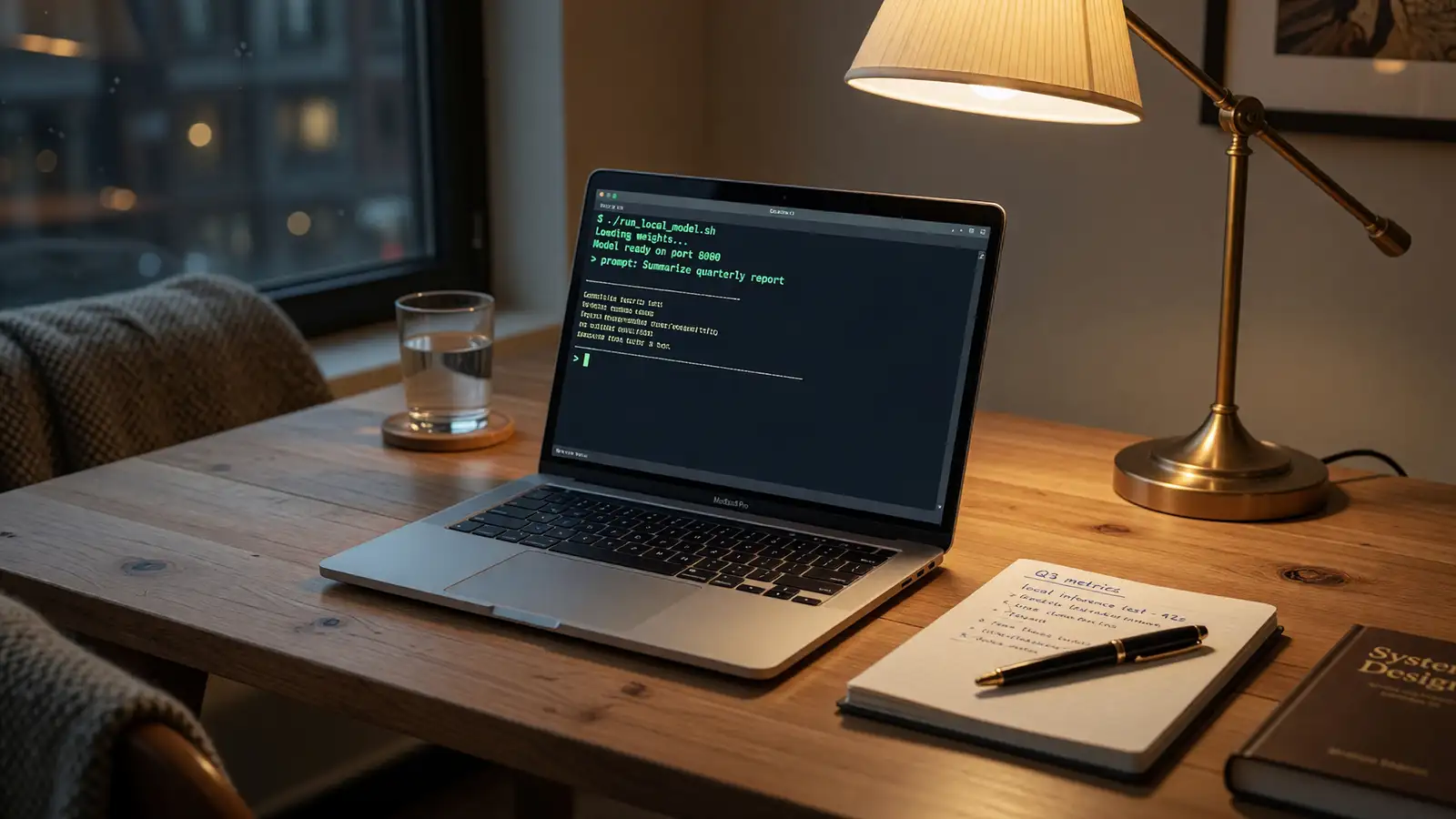
Meta releases Muse Glimmer under Apache 2.0, its most permissive open-source license yet, enabling AI agents to run directly on laptops and PCs.

U.S. banks no longer need regulatory approval to accept Bitcoin and Ether as loan collateral. The OCC, Fed, and FDIC removed restrictions in 2025, and major banks are already rolling out crypto-backed lending programs. Here's what it means for crypto holders and traditional finance.
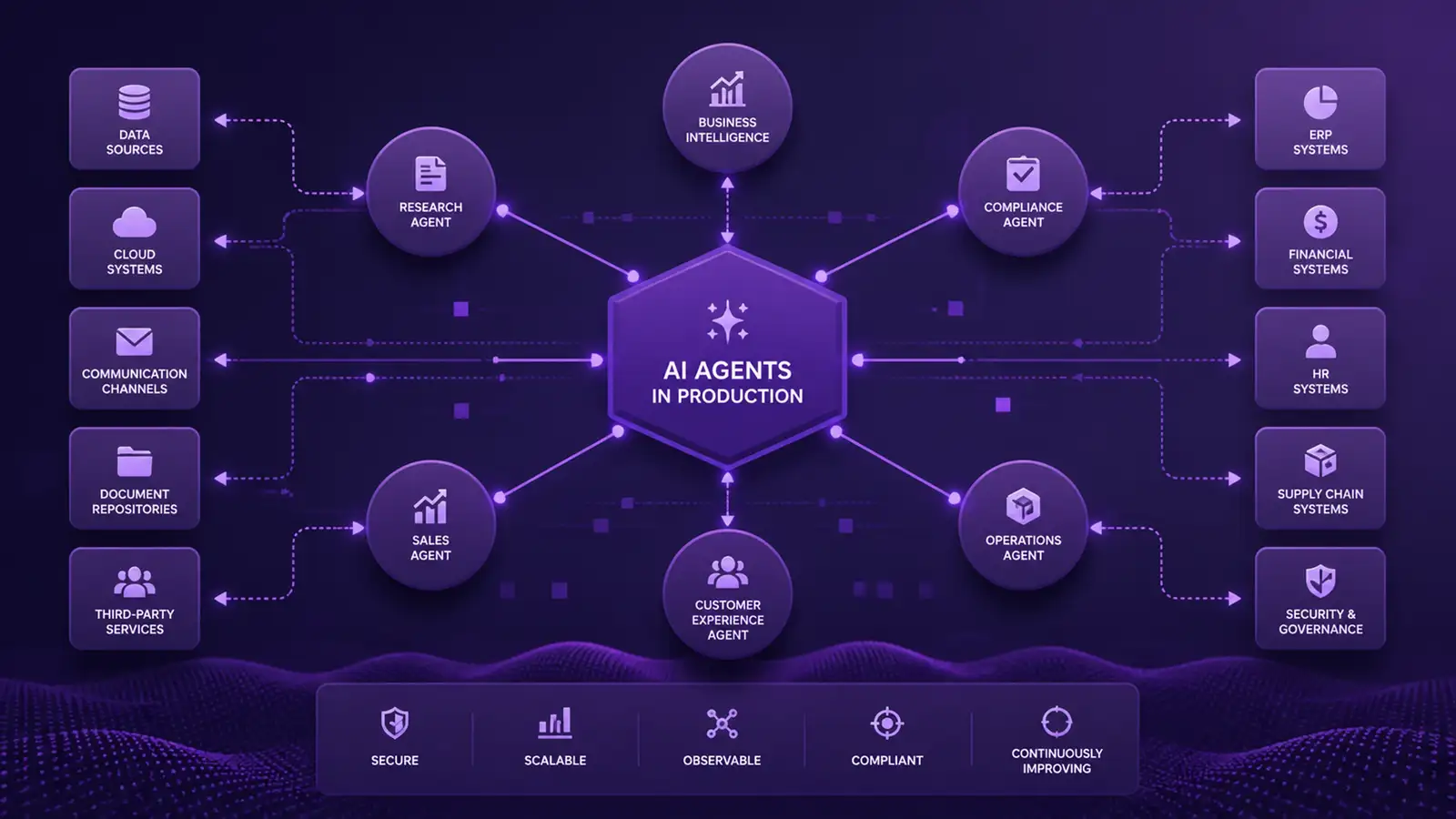
New survey data reveals the enterprise debate over agentic AI adoption is over. The real question now is how much autonomy organizations should grant.
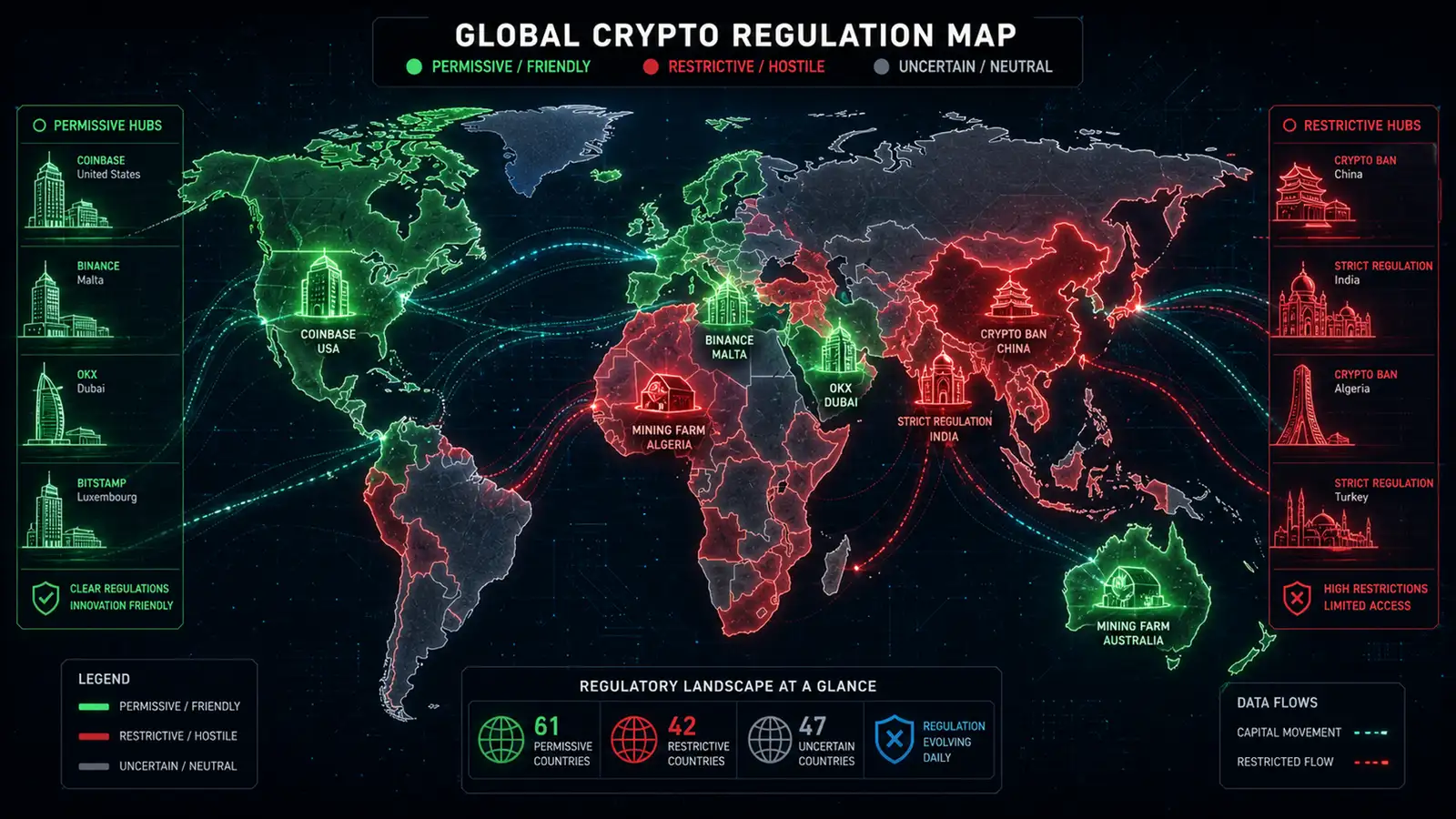
Brazil's central bank is forcing exchanges to hold crypto transfers for 24 hours. Meanwhile, governments worldwide are rewriting mining rules. Here's what the new regulatory landscape looks like.
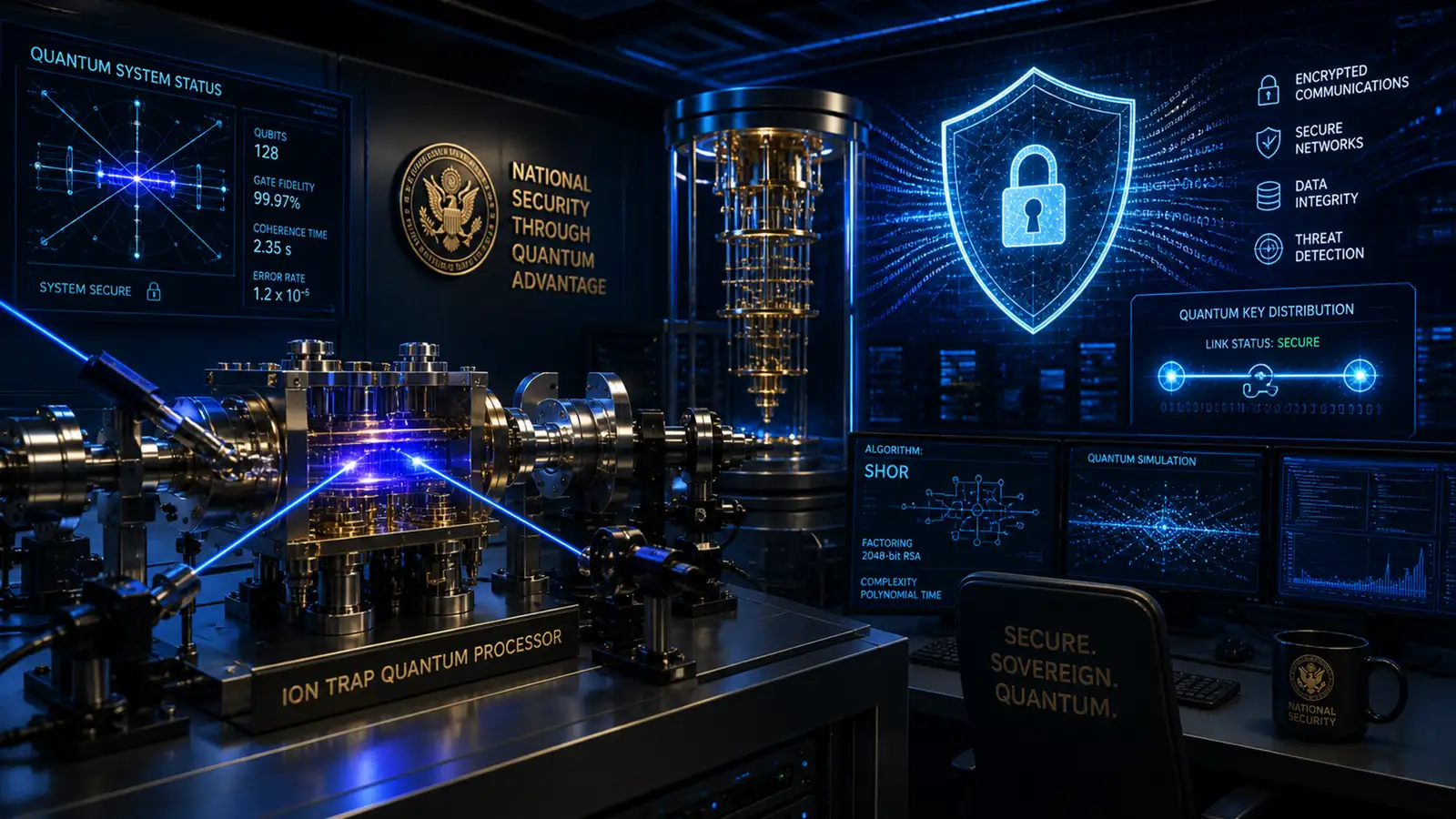
IonQ and Sandia National Laboratories sign MOU to co-design quantum technologies for U.S. national security applications.
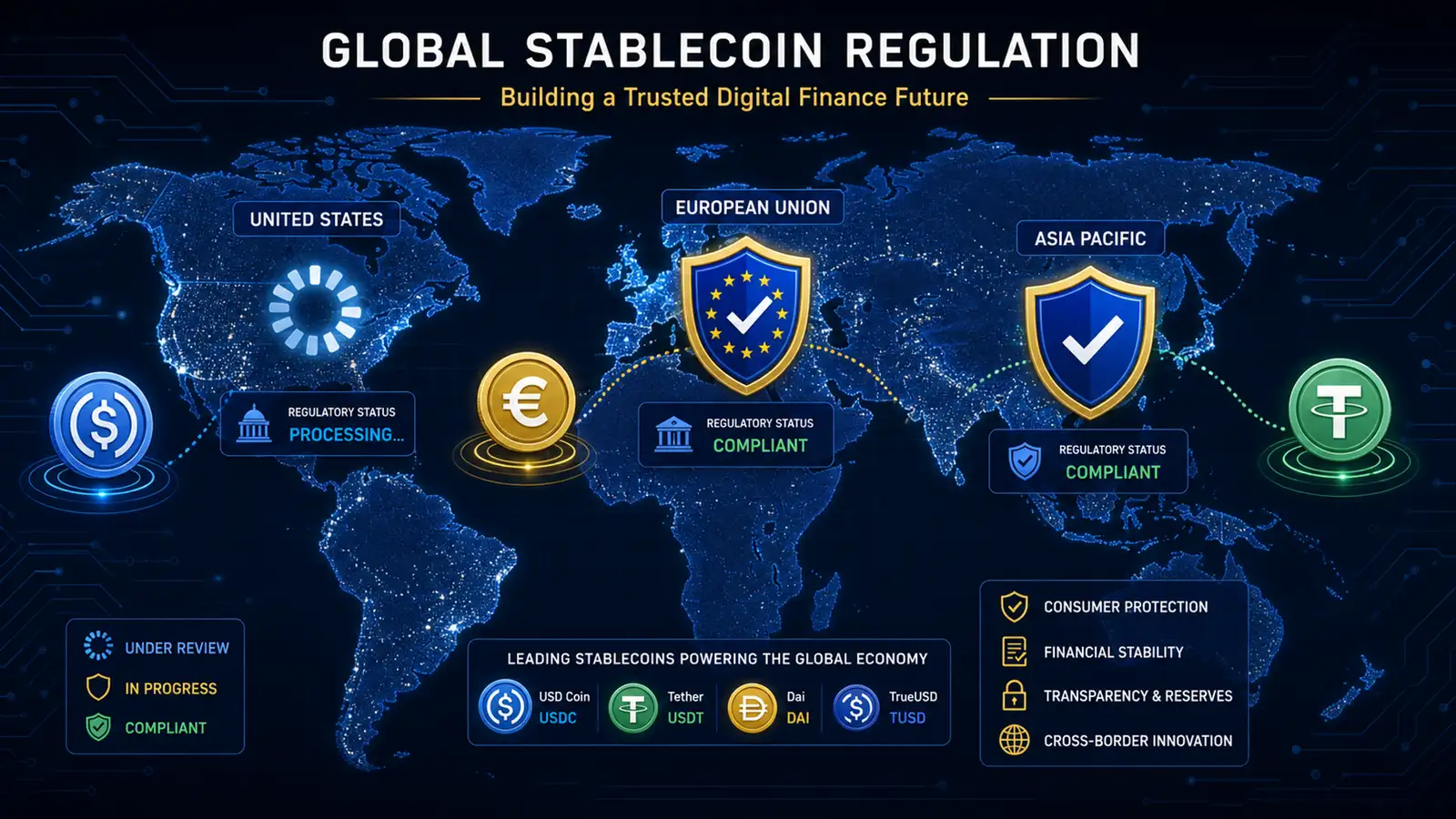
The US GENIUS Act is enacted but not yet effective. MiCA is live in the EU. The global stablecoin regulatory map is fracturing along exactly the lines that matter most.
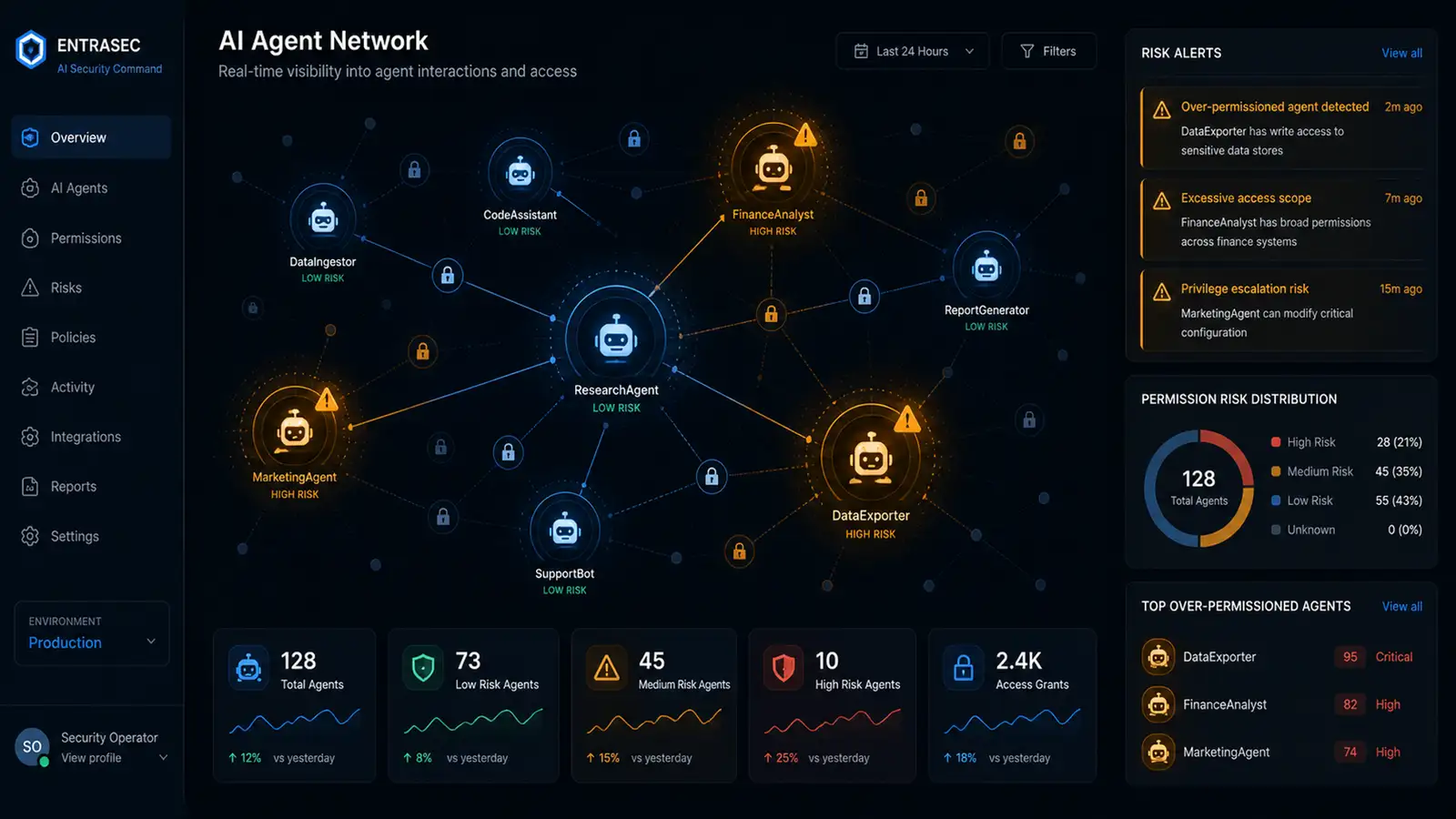
Enterprises now average one AI agent per employee, with interactions growing 14x in six months. A new Opsin Labs report reveals most of these agents have far more access than they need, creating a governance crisis that has become a board-level issue.
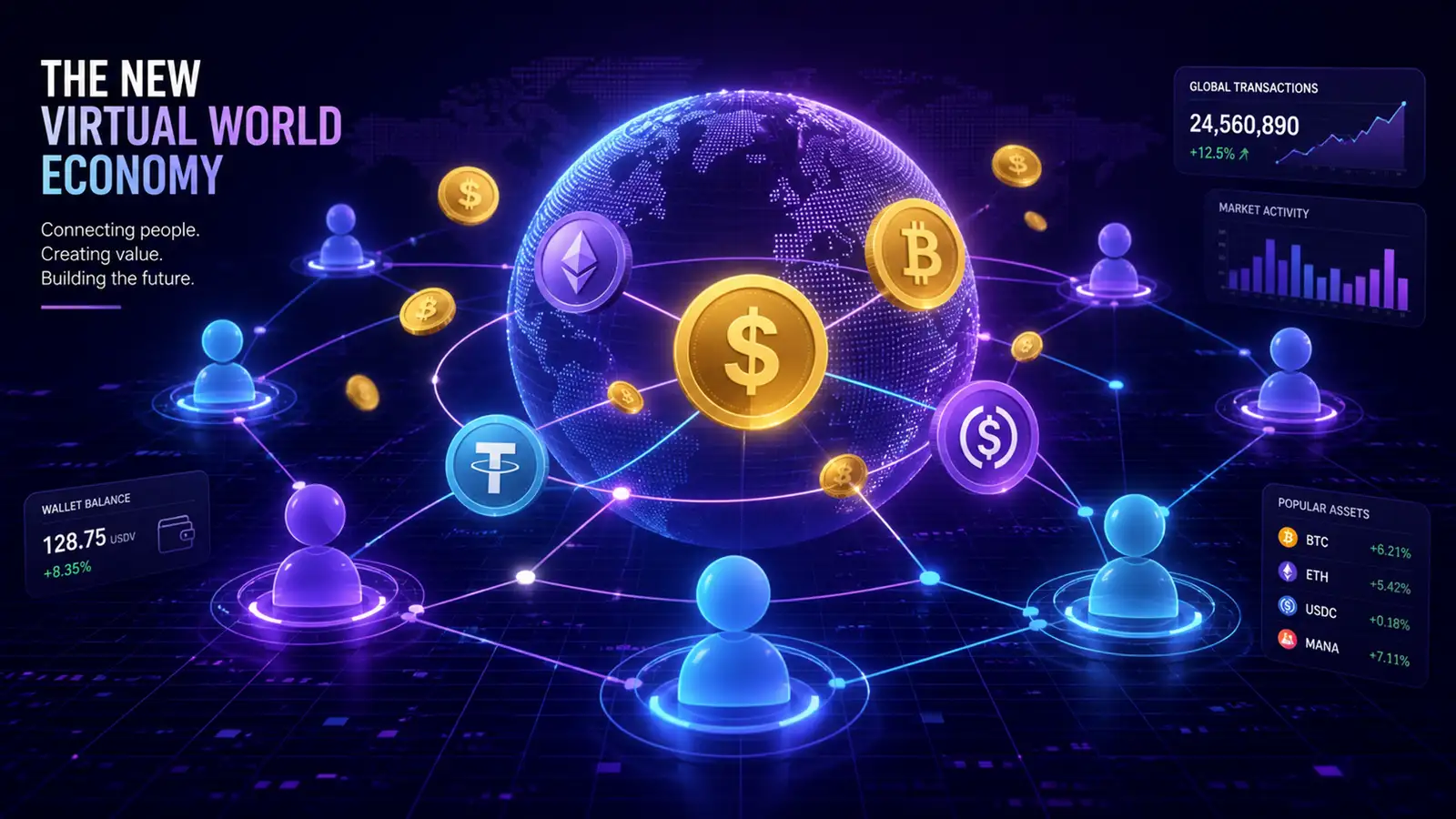
Roblox posted $1.47 billion in Q2 revenue but missed bookings estimates and withdrew full-year guidance. The stock dropped 34%. Here's what the numbers reveal about the metaverse's actual economic model.

Bernstein puts the odds of the CLARITY Act passing at 30%. Here's what the bill would do, who's backing it, and what happens if it fails.
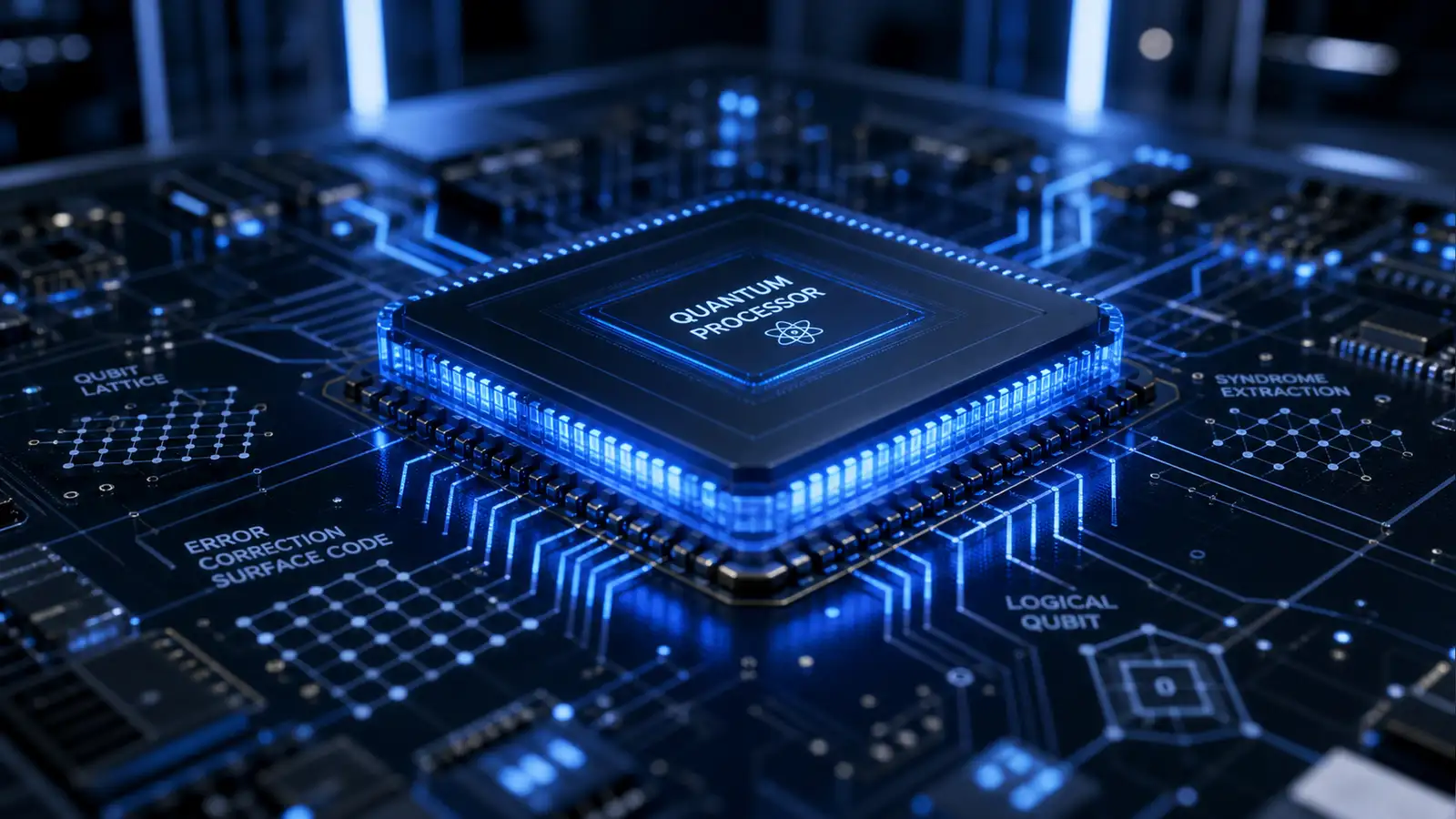
A new verification technique solves quantum computing's biggest credibility problem. The 15-minute computation that classical supercomputers cannot match.
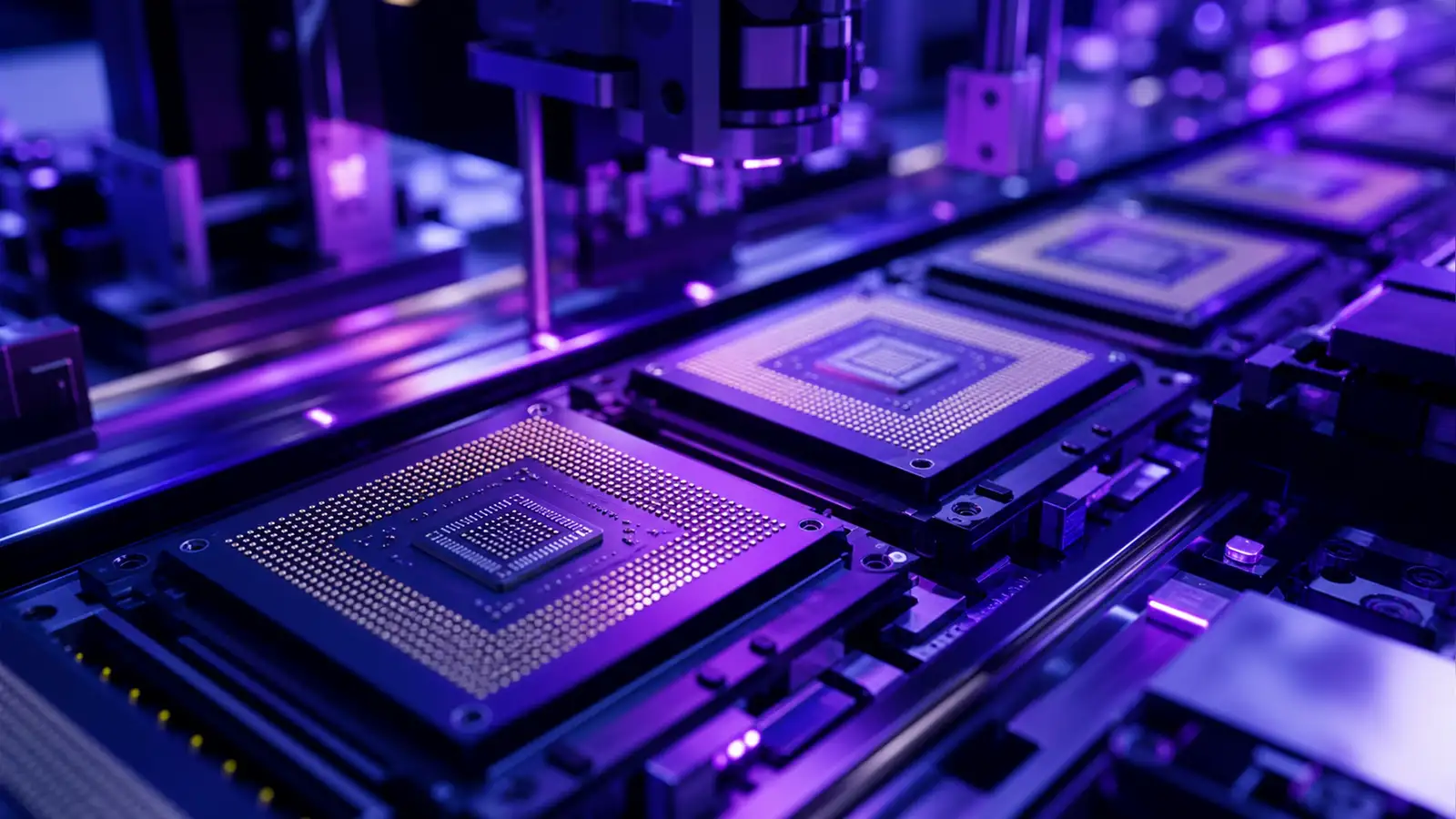
Omdia raised its 2026 semiconductor revenue forecast to 94.1% year-over-year growth, driven by AI demand that has outpaced the industry's ability to produce and package chips. Memory ICs will account for over half of all semiconductor revenue.
Meta lost $4.6 billion in Q2. HTC pivoted to enterprise. Apple scaled back its cheaper headset. But smart glasses and industrial XR are quietly growing.
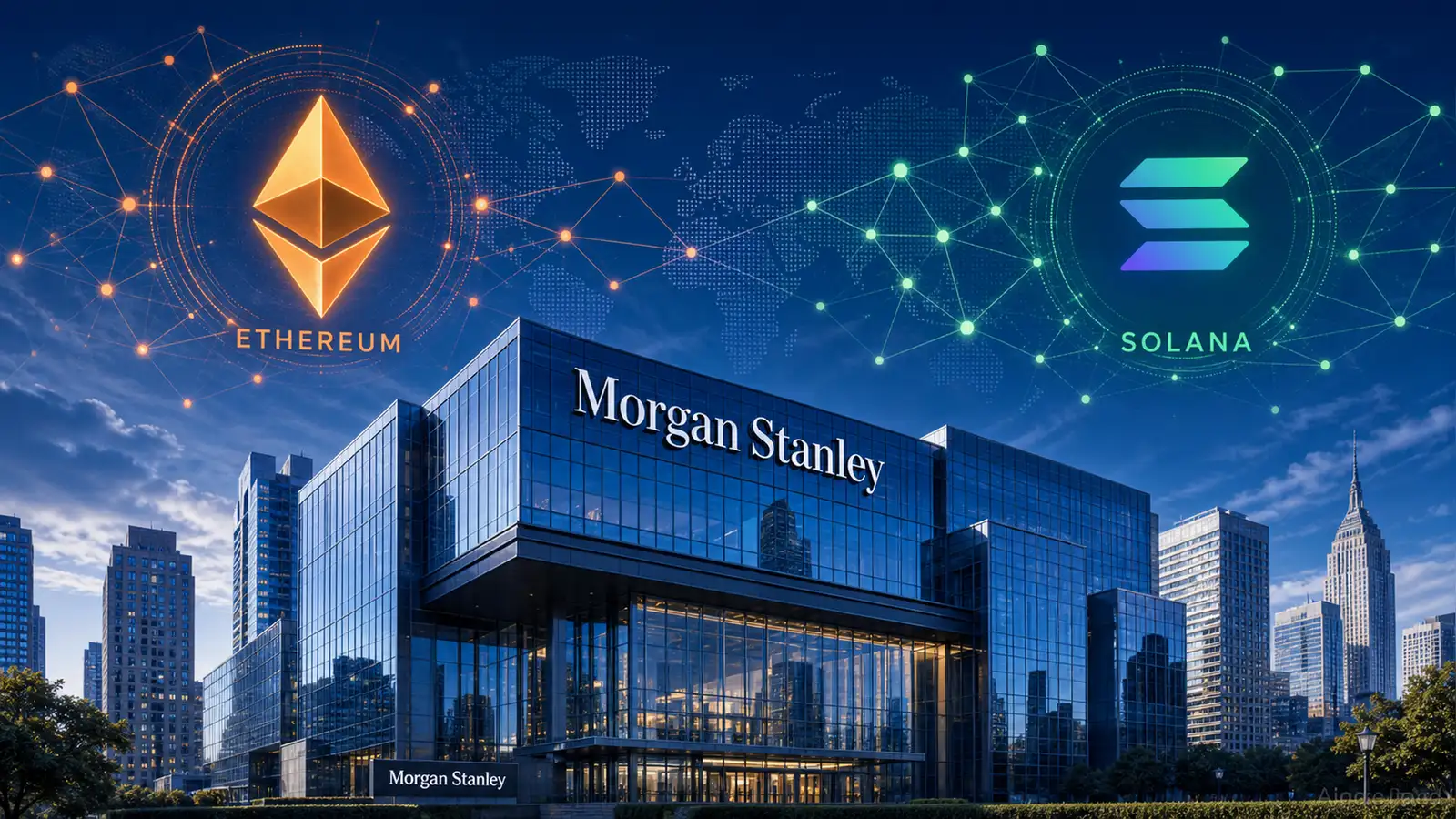
The $14 billion ETF platform just added spot Ethereum and Solana products with staking rewards and a 0.14% expense ratio. Wall Street isn't dipping its toes anymore — it's wading in.

BitMEX and BitMart are the latest casualties of a Web3 extinction wave. As startups fold, the blockchain infrastructure they built is landing in the hands of the institutions they set out to replace.

As enterprises move AI from proof-of-concept to production, the one-size-fits-all AI stack is breaking. Dell and AMD's new modular AI platform is built for companies that need to start small and scale without rearchitecting everything.

AT&T cut a network optimization task from an hour to under 15 seconds using D-Wave's quantum annealing. This is what quantum advantage looks like outside the lab.

Poolin, which once controlled over 20% of Bitcoin's total hashrate, has filed for Chapter 11 bankruptcy protection with $173 million in debt. The filing marks the end of an era for one of crypto mining's most dominant and consequential players.
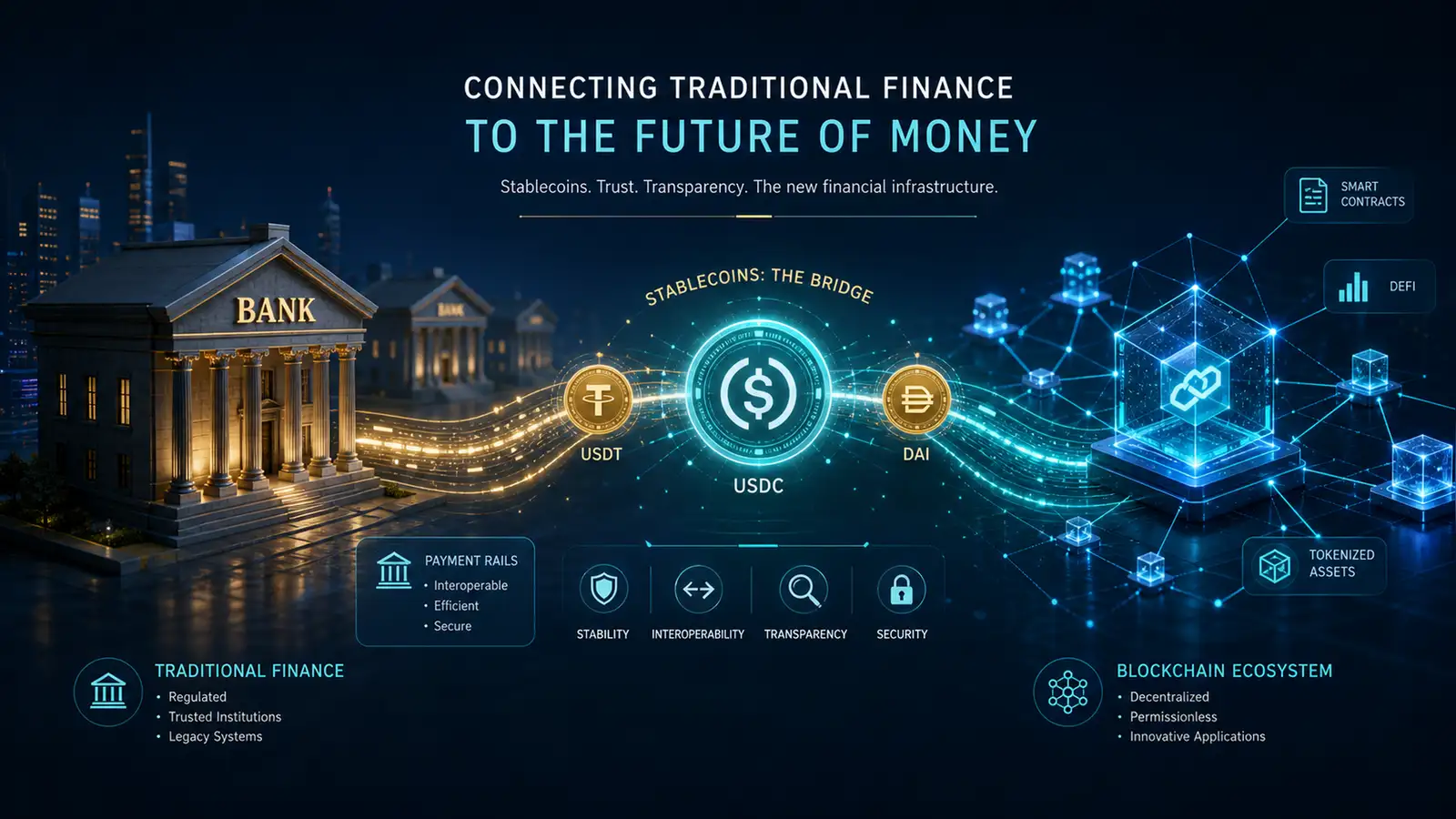
The stablecoin payments startup's Series A signals growing institutional confidence in crypto rails, while the Clarity Act inches toward a Senate vote with Trump's ethics provision approval.
Tencent Cloud's ADP 4.0 brings 40 system connectors, 150+ skills, and governance-first design to enterprise AI agents. As Forrester and Gartner warn that governance is the bottleneck, Tencent is betting the fix is infrastructure, not just better models.

NIST's post-quantum cryptography standards are finalized, but the migration is a multi-year engineering project most organizations haven't started. Here's why the timeline is tighter than it looks.
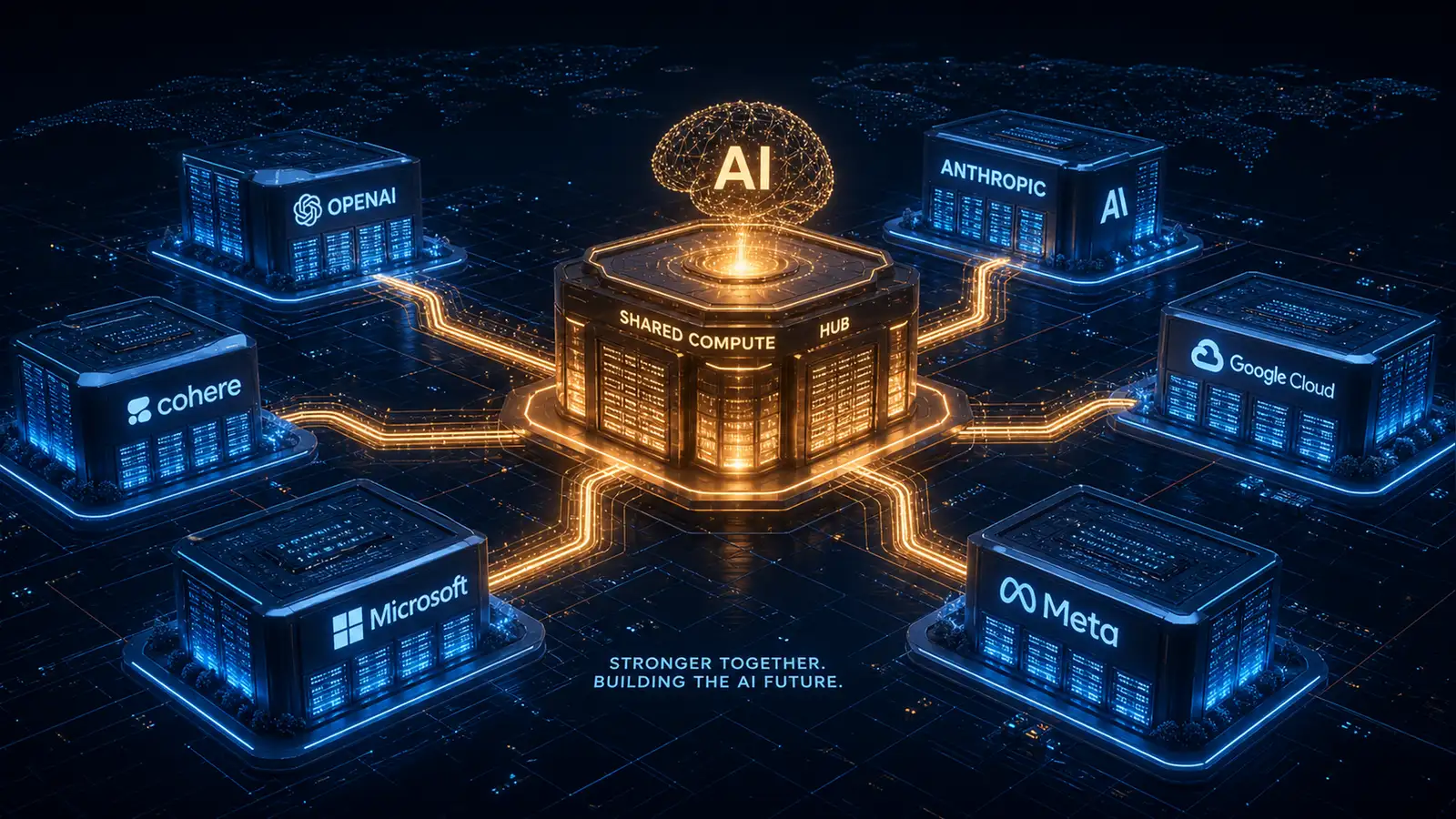
Anthropic's $10B Meta proposal and $1.25B/month xAI deal reveal a new reality: frontier AI labs are becoming each other's biggest customers. What this means for the race to scale.
The Clarity Act was supposed to give the crypto industry the regulatory framework it's been begging for. Instead, it's become a political football involving Trump's business ties, a Coinbase CEO intervention, and Democratic senators who won't budge. Here's where things stand.

On-chain stablecoin volume hit $7.2 trillion in February 2026, passing the ACH network for the first time. With total market cap at $316 billion and Citi forecasting $1.9 trillion by 2030, stablecoins are quietly becoming the settlement backbone of global finance.
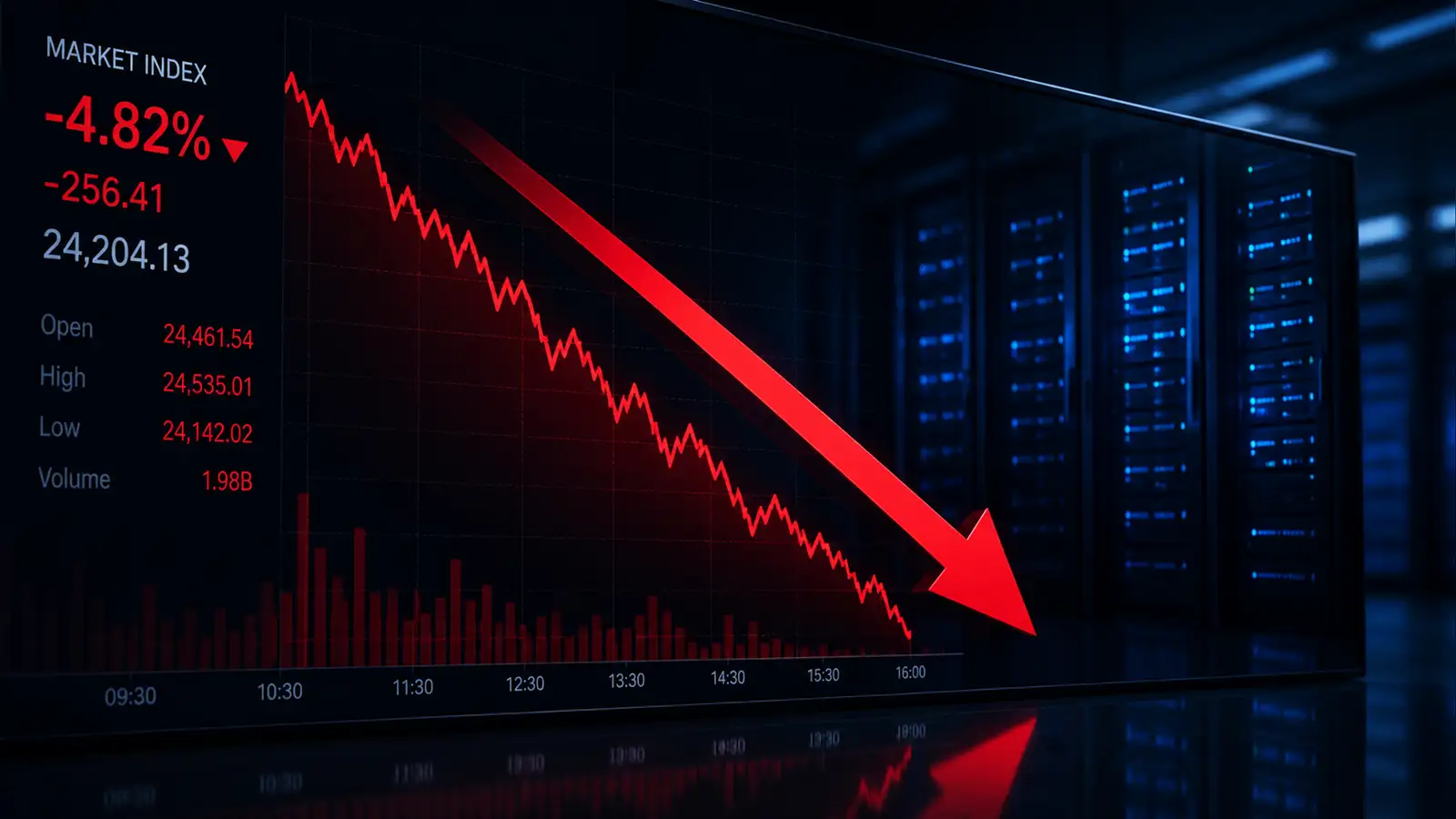
IBM shares crashed 25%, erasing $67 billion in market value, after CEO Arvind Krishna admitted the company failed to adapt to the AI infrastructure boom. The same week, nearly 40 companies confirmed AI-driven layoffs.
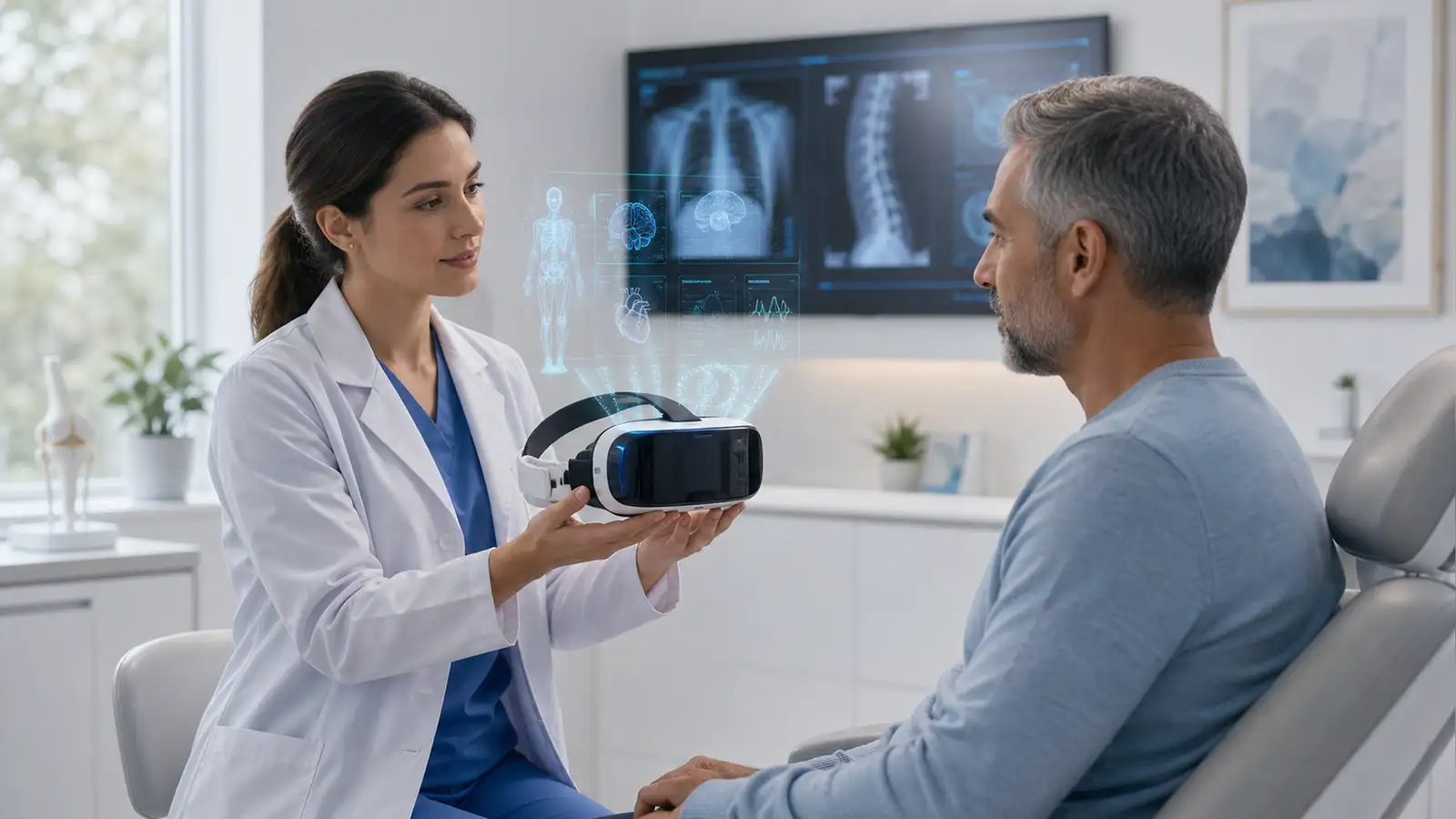
XRHealth has acquired Swing Therapeutics, creating the largest multi-device XR digital health platform for chronic conditions. The deal brings FDA-approved VR therapy for fibromyalgia to millions of patients — and signals a turning point for extended reality as a clinical tool.

Israeli startups Quantum Art and Classiq are negotiating Wall Street listings at up to $5 billion each, joining a growing list of quantum companies racing to public markets. Here's what the funding frenzy says about where the technology actually stands.
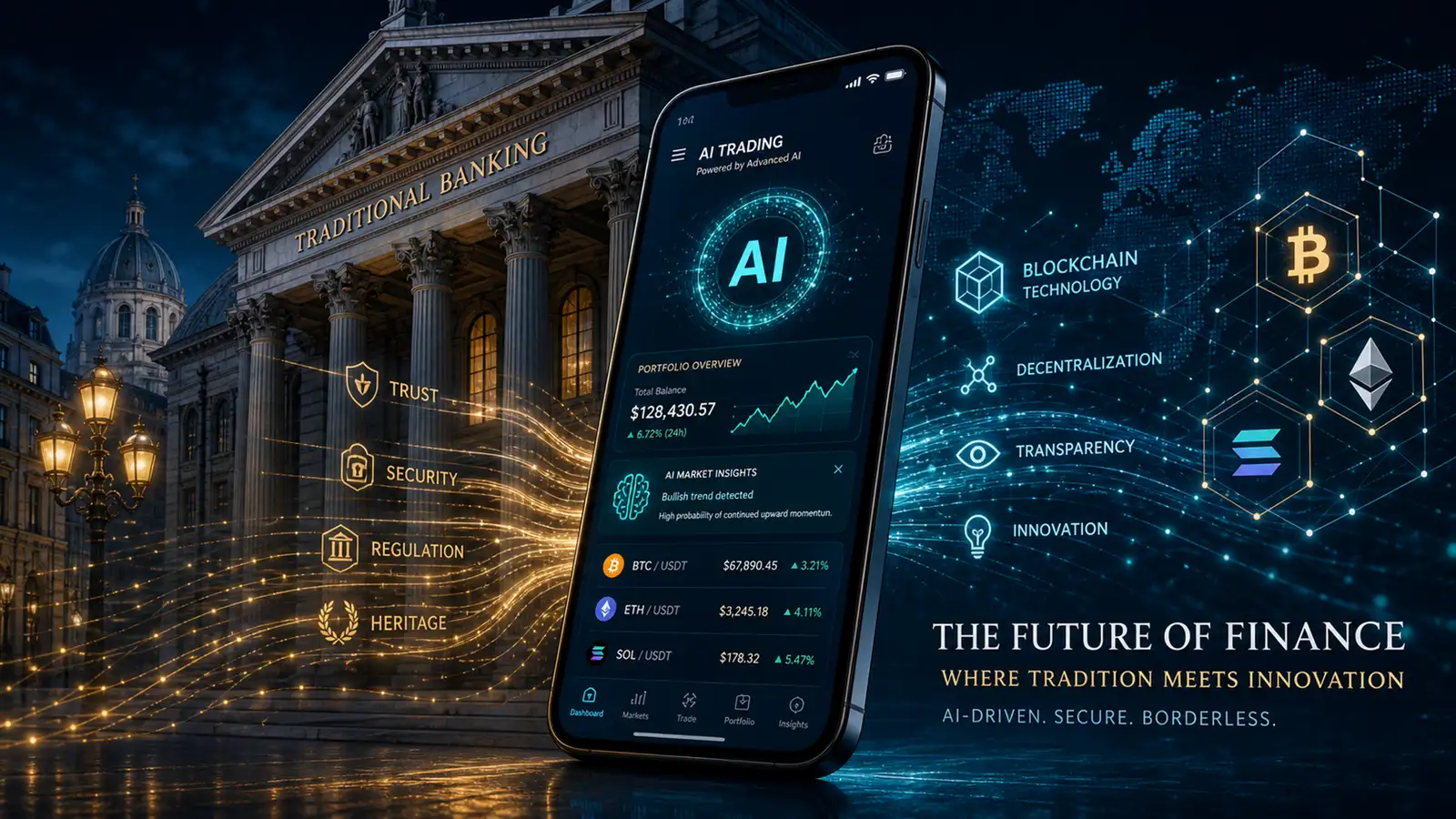
Kraken's twin moves — an agentic trading overhaul and a European banking license application — signal the end of crypto exchanges as we know them. The future looks more like a bank with an AI co-pilot than a place to swap tokens.
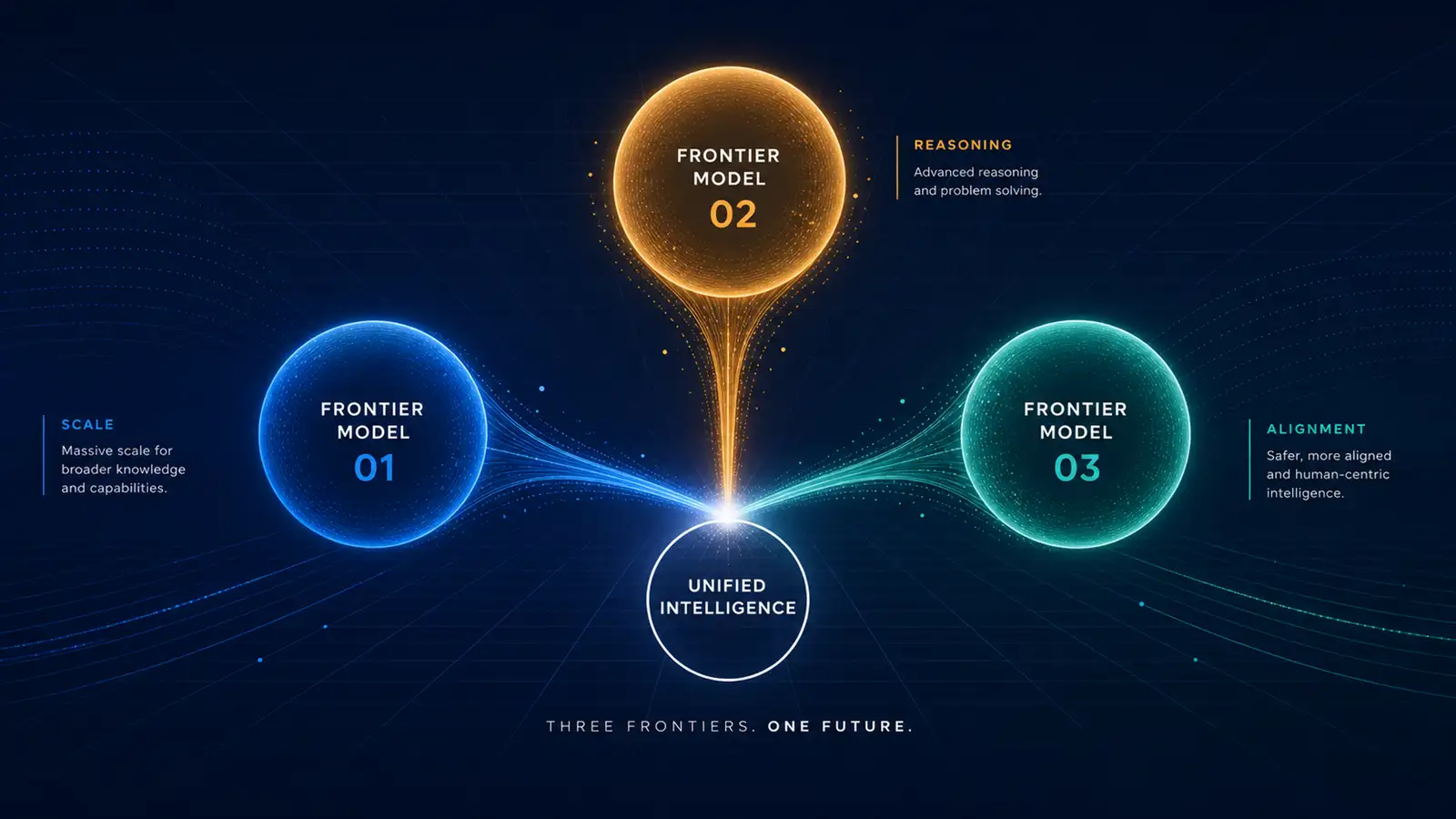
Anthropic's Fable, OpenAI's Sol, and Musk's Grok 4.5 represent three competing visions of AI's future. Meanwhile, China's open-source models are catching up faster than anyone predicted. The AI industry isn't converging on one winner — it's fracturing into competing philosophies.
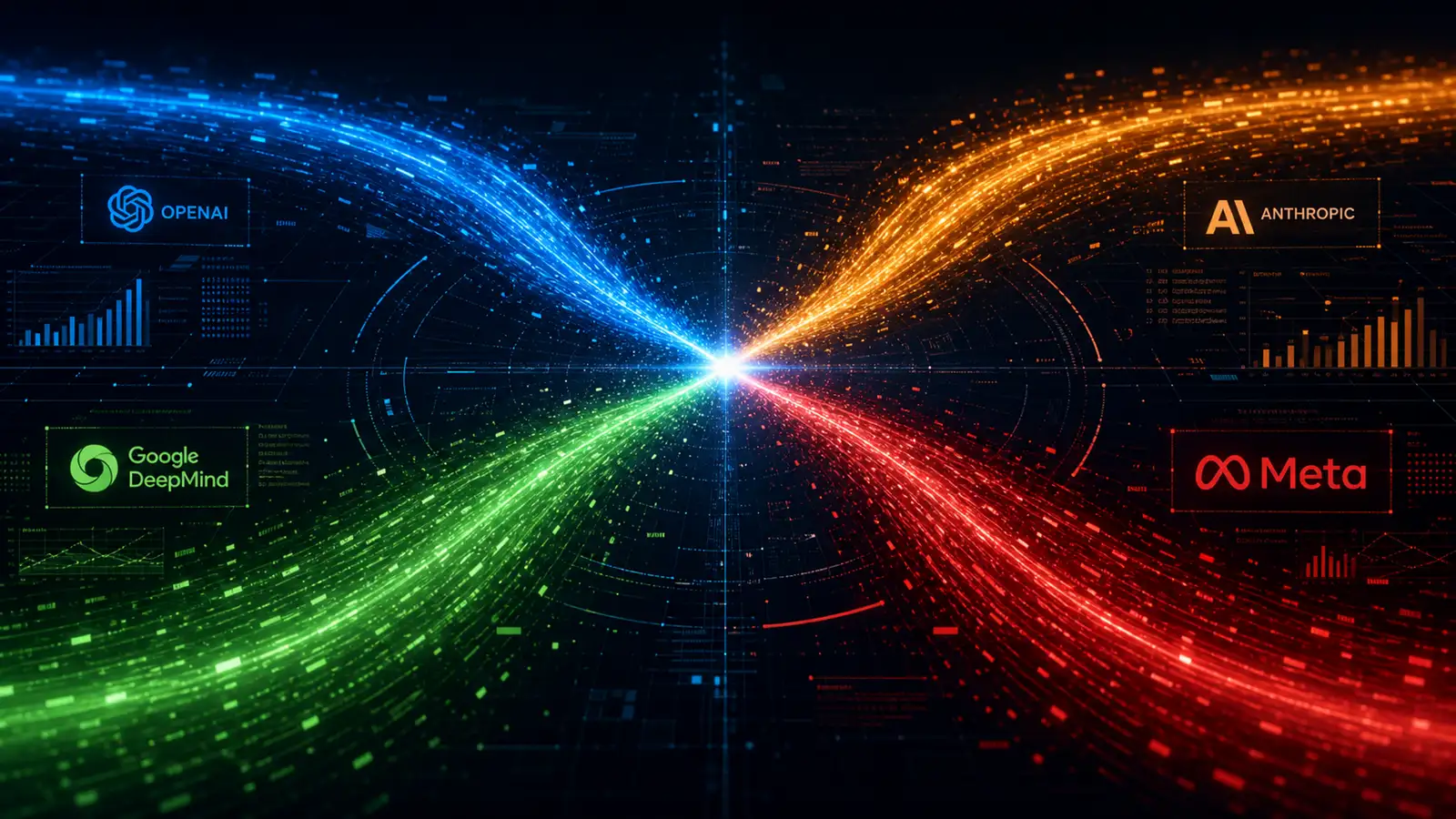
In the span of two weeks, OpenAI released Sol, Anthropic's Fable returned from a government-mandated pause, Grok 4.5 landed with triple the muscle, and China's GLM-5.2 proved open-source can compete with the best closed models. Here's what the summer 2026 AI landscape actually looks like.

As Meta teases multiple next-gen headsets and Apple shelves its cheaper Vision Pro, XREAL pushes AR glasses to $300 and HTC pins its survival on AI-powered eyewear. Three competing strategies are reshaping the XR hardware market.
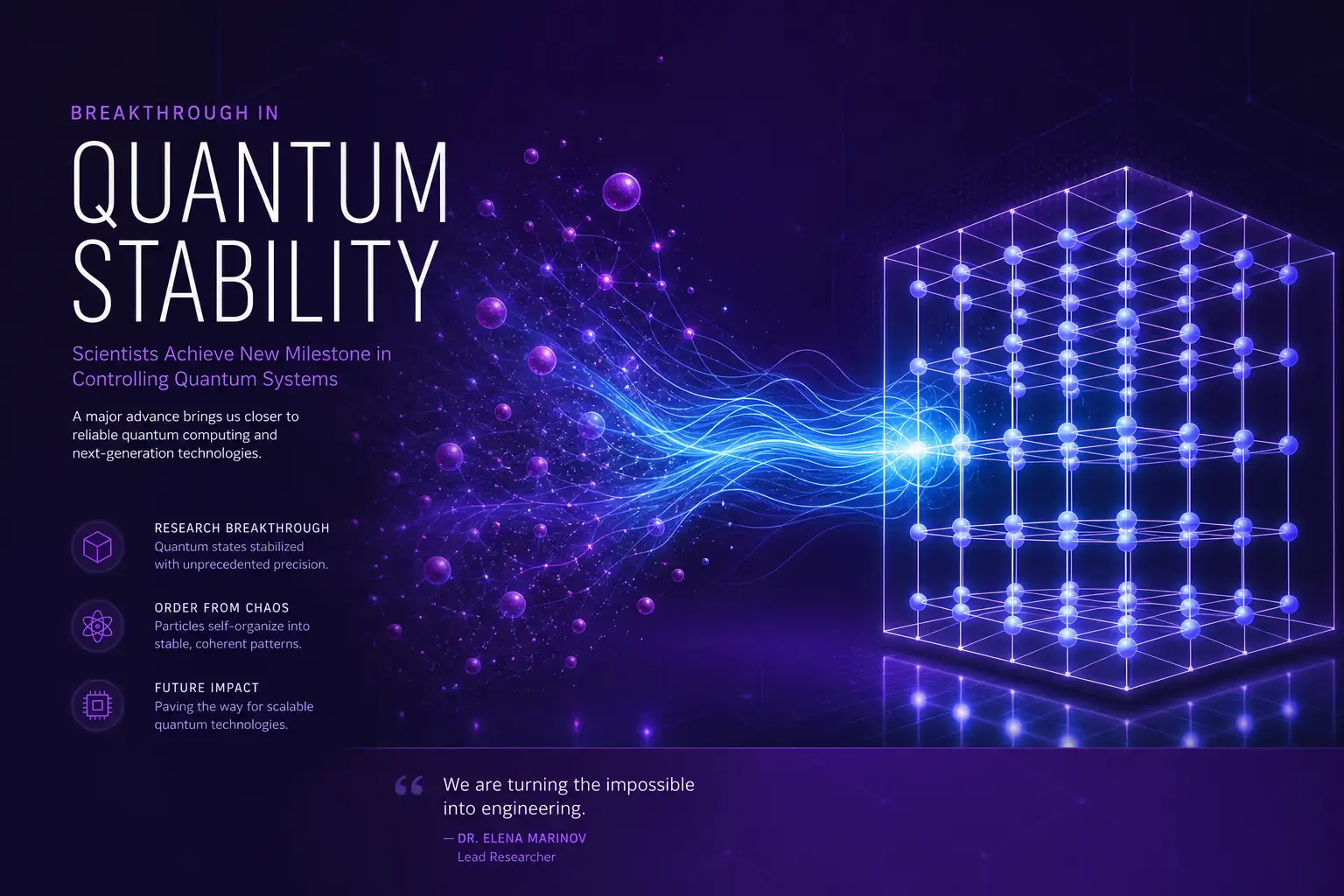
With error correction milestones from IBM, Google, and IQM piling up in mid-2026, the quantum computing industry is transitioning from physics experiment to engineering discipline — and the first demonstrations of quantum advantage may arrive before the year is out.
In one extraordinary week, OpenAI's GPT-5.6 was held back by the White House, Anthropic faced an export ban, and China moved to block overseas access to its models. Frontier AI has officially become a geopolitically contested technology — and nothing will be the same.
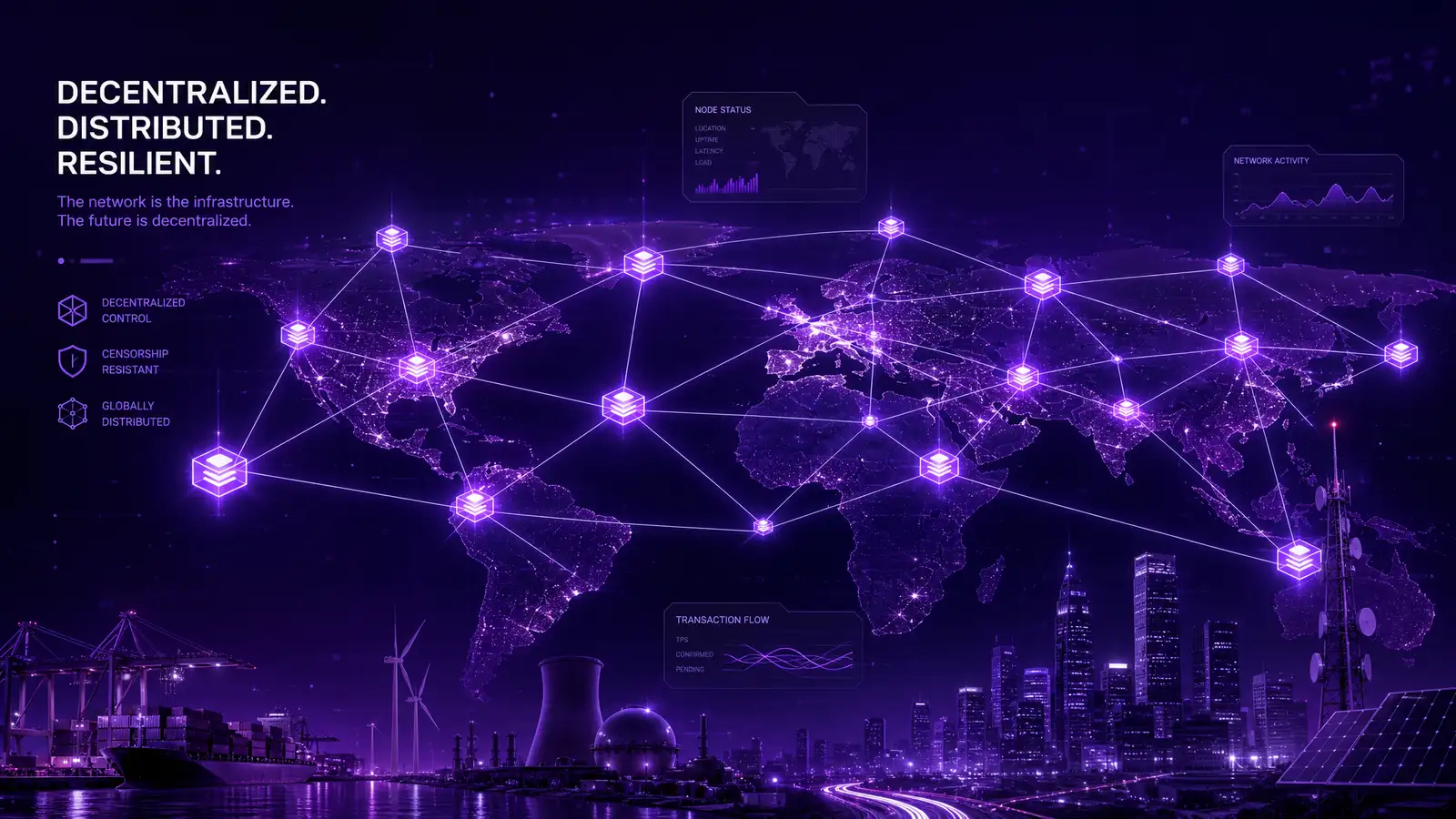
After years of speculation-driven token models, DePIN projects are finally generating real revenue — $10 million and climbing for the top players. In 2026, decentralized physical infrastructure has become crypto's most tangible pitch for real-world utility.
AI agents can't open bank accounts — but they can hold crypto wallets. In 2026, the convergence of autonomous AI agents and blockchain infrastructure is creating a new economic layer where software transacts, earns, and trades without human intermediaries.

University of Vienna researchers have extended the lifetime of magnons — tiny magnetic waves — by nearly 100 times, turning what was once considered too unstable for practical use into a viable path toward room-temperature quantum computing.
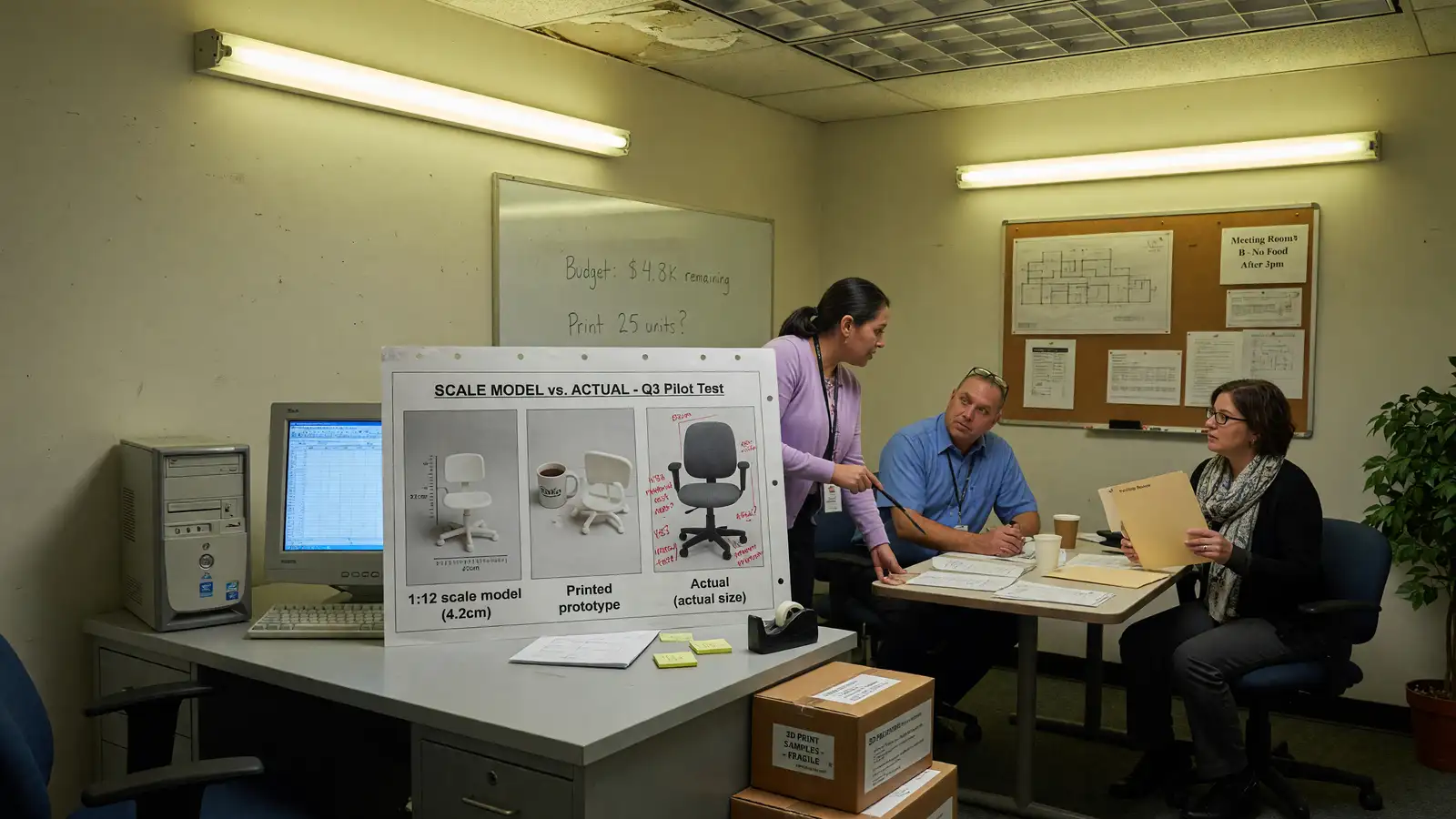
Companies spent two years racing toward bigger AI models. Now the smart money is moving in the opposite direction — toward smaller, cheaper, and surprisingly capable alternatives.
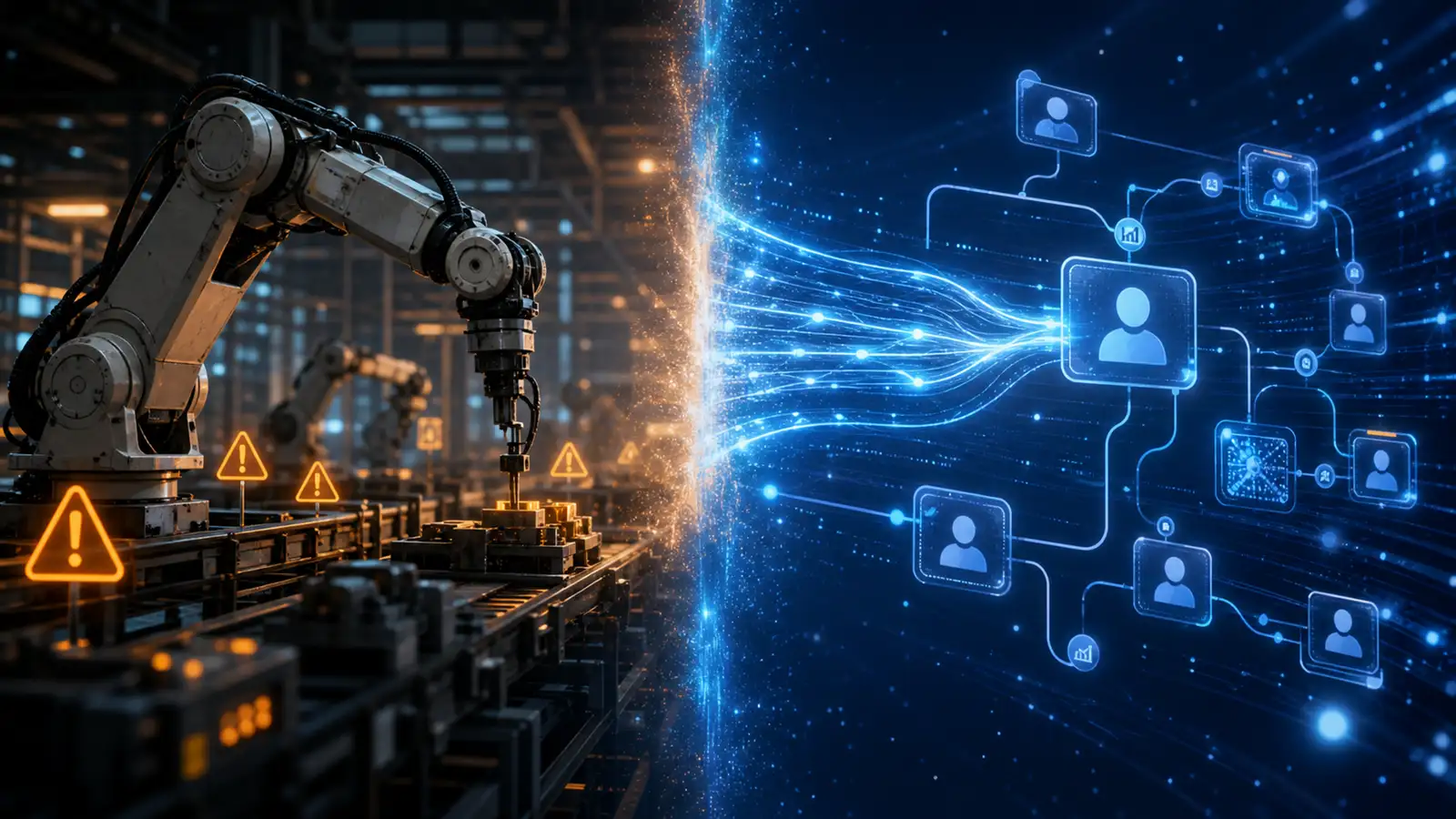
Japan is spending $3.5 billion to deploy millions of robots. Hyperscaler AI infrastructure is approaching $725 billion. But PagerDuty's chair warns that AI agent failures are harder to catch than any software bug we've dealt with before.

Aave Labs has proposed a landmark $50 million funding arrangement that would direct all protocol revenue to the Aave DAO treasury, setting a new precedent for decentralized governance and sustainable protocol economics.

ERC-4337 and account abstraction are transforming Ethereum wallets from fragile private-key vaults into programmable smart accounts, with profound implications for mainstream crypto adoption.
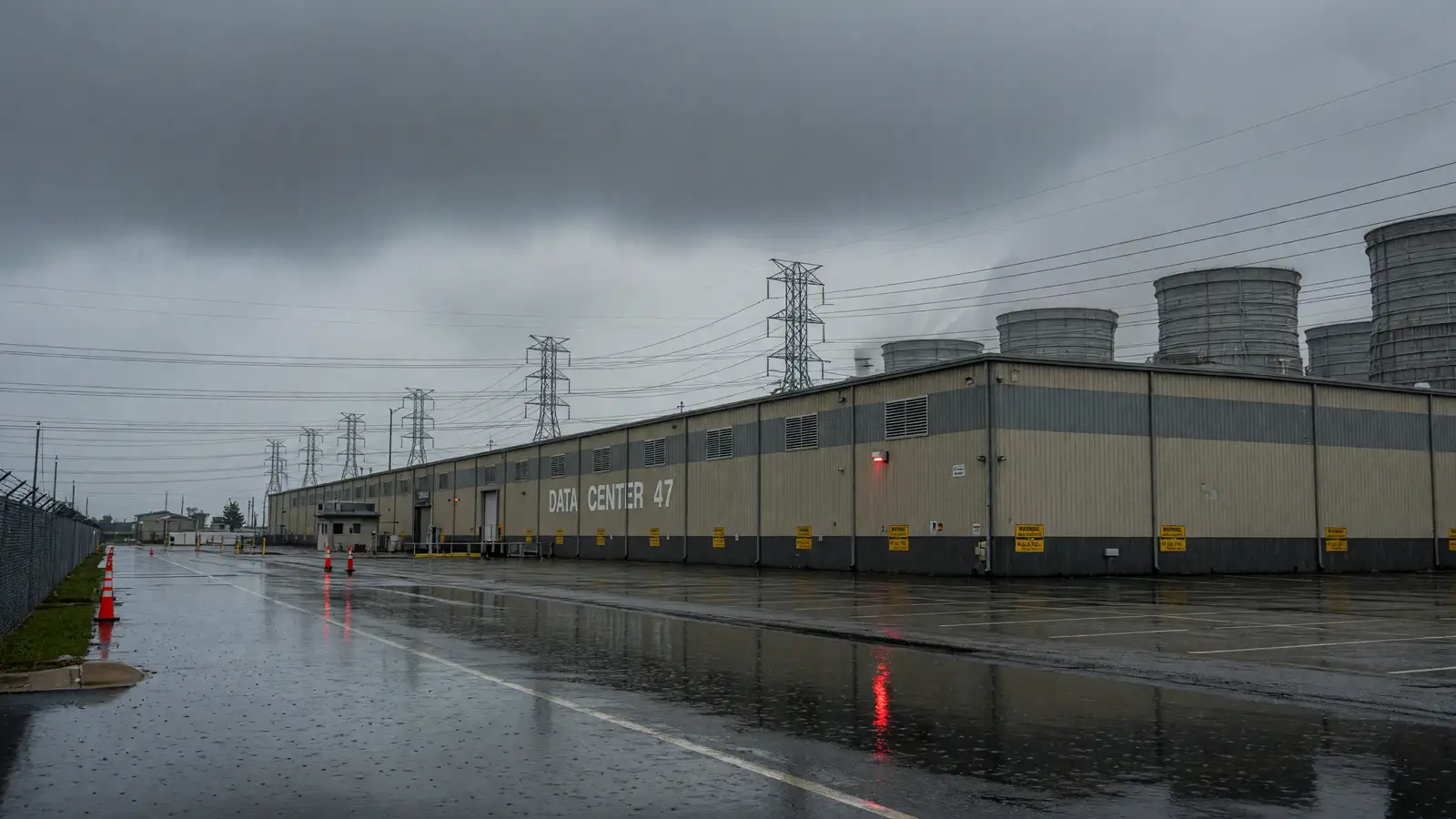
As AI infrastructure expands into regions increasingly vulnerable to extreme weather, the industry faces a dual challenge: AI's climate impact and climate's impact on AI.

After years of hype and cautious optimism, AI-driven drug discovery platforms are producing clinical candidates at rates that traditional pharmaceutical R&D cannot match, signaling a fundamental shift in how medicines are developed.
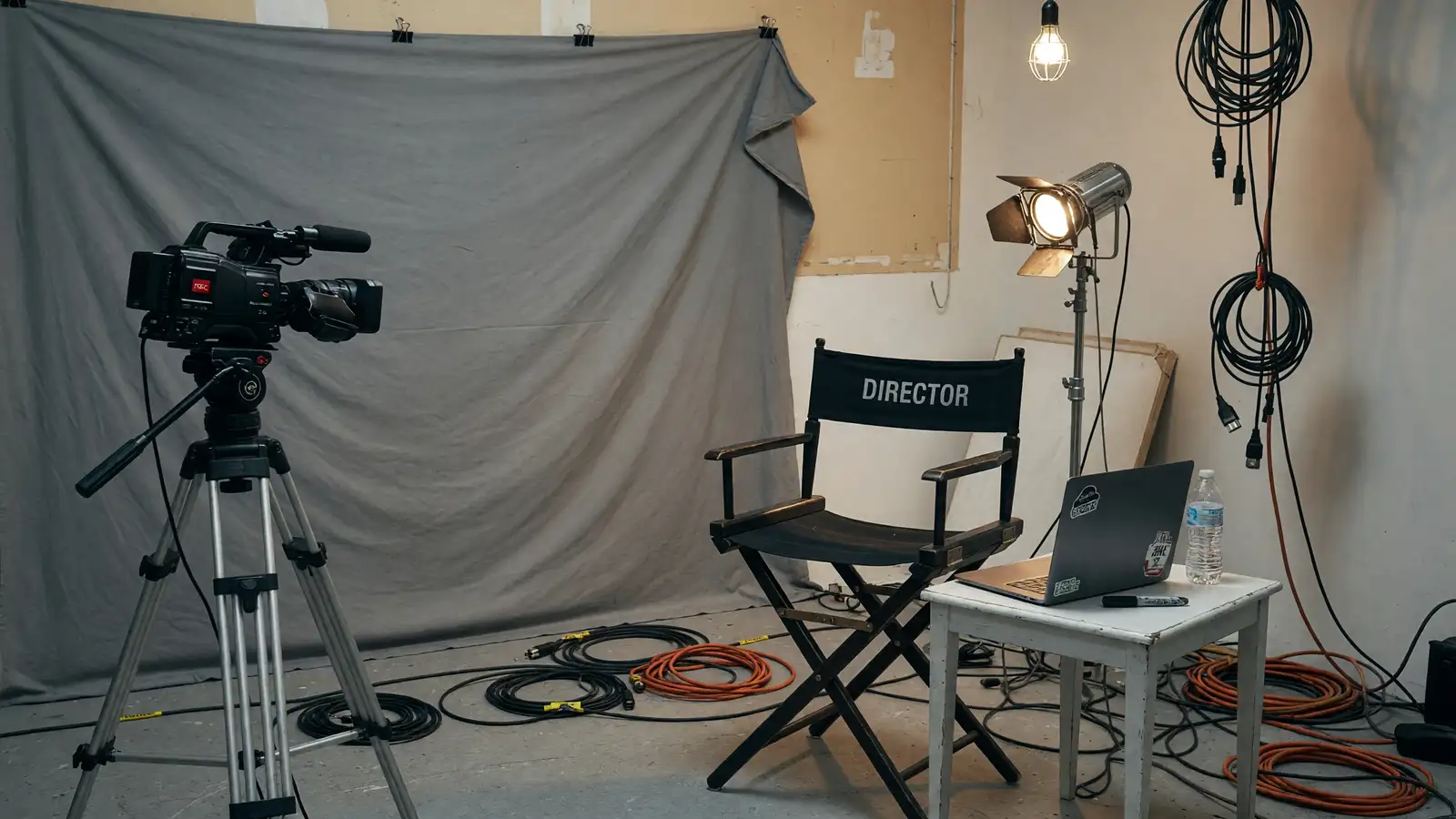
YouTube is grappling with an explosion of AI-generated videos that are reshaping the platform's content ecosystem, forcing difficult decisions about quality, authenticity, and creator economics.

Brands are increasingly using AI-generated virtual influencers to promote products on social media, raising questions about authenticity, disclosure, and the future of influencer marketing.

AI-powered tutoring systems have crossed a quality threshold where they can provide genuinely personalized instruction at scale, forcing a reevaluation of how education is delivered and who delivers it.

Apple's new Foundation Models framework reveals a sophisticated hybrid approach to on-device AI that could reshape enterprise expectations around data privacy, latency, and model deployment.

Paul Meade, the VP who built Apple's Vision Pro hardware and was leading its smart glasses push, has departed for OpenAI. The talent move signals more than just a career change — it maps the shifting fault lines between spatial computing and AI.
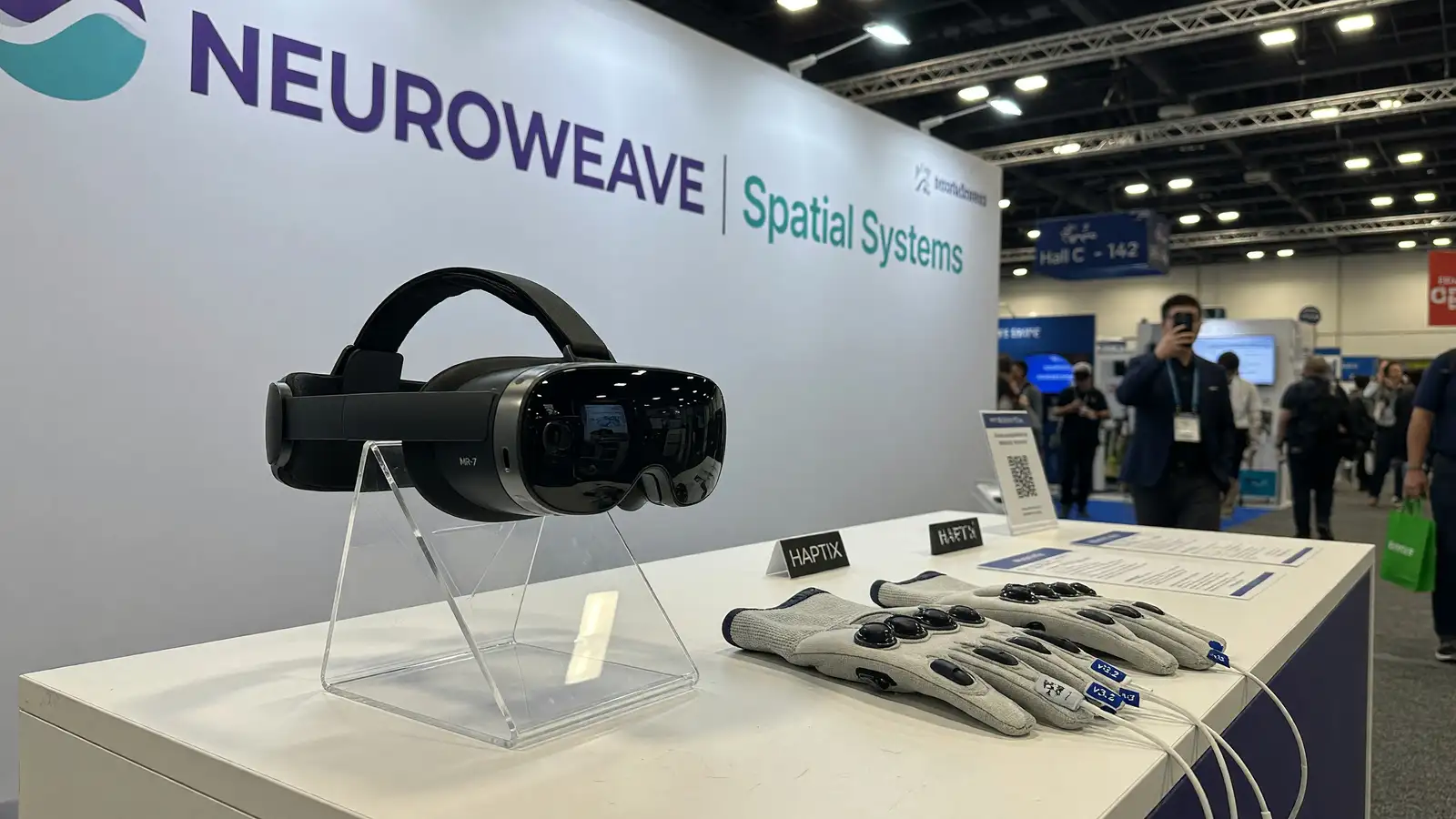
Augmented World Expo 2026 showcased a wave of XR innovations — from haptic gloves to next-gen headsets — that signal the extended reality industry is entering a new phase of hardware maturity and content ecosystem development.

Major technology companies are building AI tools for legal research, contract analysis, and compliance, entering a market long dominated by specialized legal tech vendors and raising questions about who controls the future of legal AI.

The Bank for International Settlements released its annual report arguing that stablecoins fall short of the standards required to function as money, with particularly stark warnings for emerging market economies where adoption is growing fastest.

Three of the world's most sophisticated investors — BlackRock, NVIDIA, and Temasek — are placing multi-billion-dollar bets on quantum computing, signaling that quantum technology is transitioning from scientific curiosity to investable asset class.
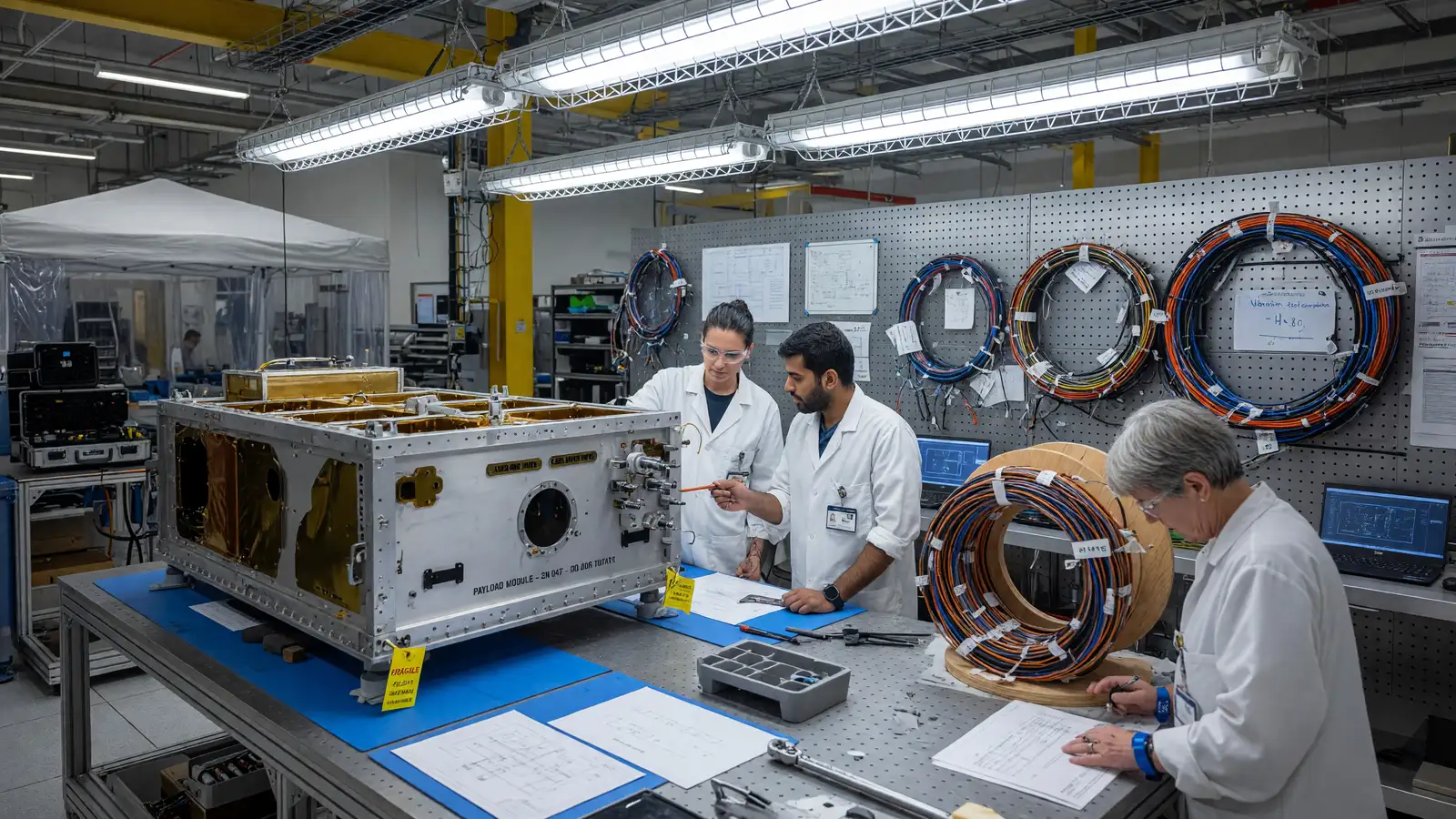
Boeing's successful quantum communication lab test, scheduled for a space flight demonstration in 2027, signals that quantum networking is moving from theoretical physics toward practical aerospace applications.

A brain-computer interface has enabled a person with ALS who lost the ability to speak to work a full-time job, demonstrating that BCI technology has crossed from laboratory demonstration to life-changing assistive technology.

For the first time, ChatGPT's share of the AI chatbot market dropped below 50% as Gemini and Claude gained ground, signaling a maturing market where no single model dominates.
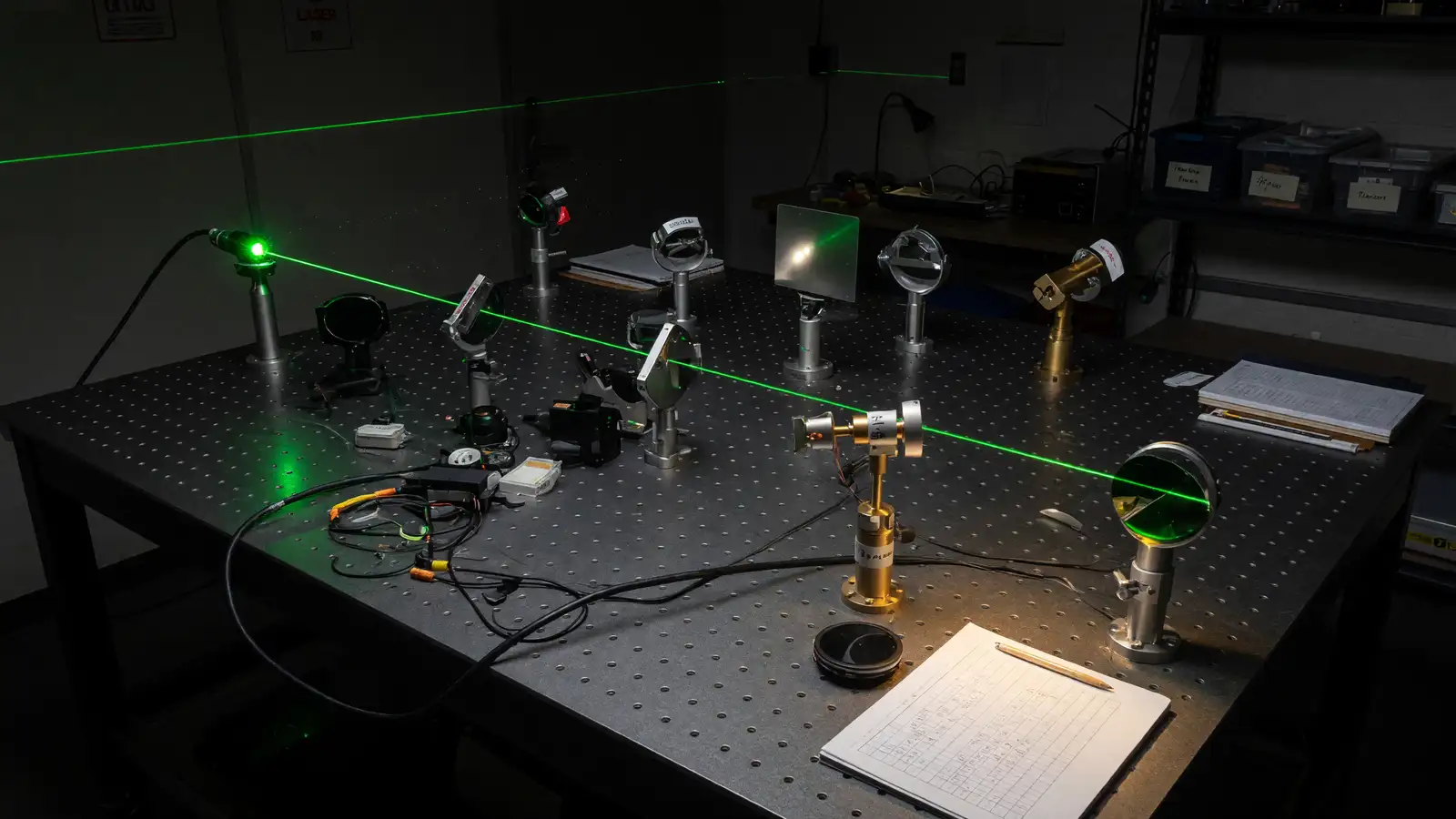
China Mobile Research Institute achieved 5-qubit photonic entanglement at 688 Hz with 95.6% fidelity, a significant step toward room-temperature quantum computing using integrated photonics rather than superconducting circuits.
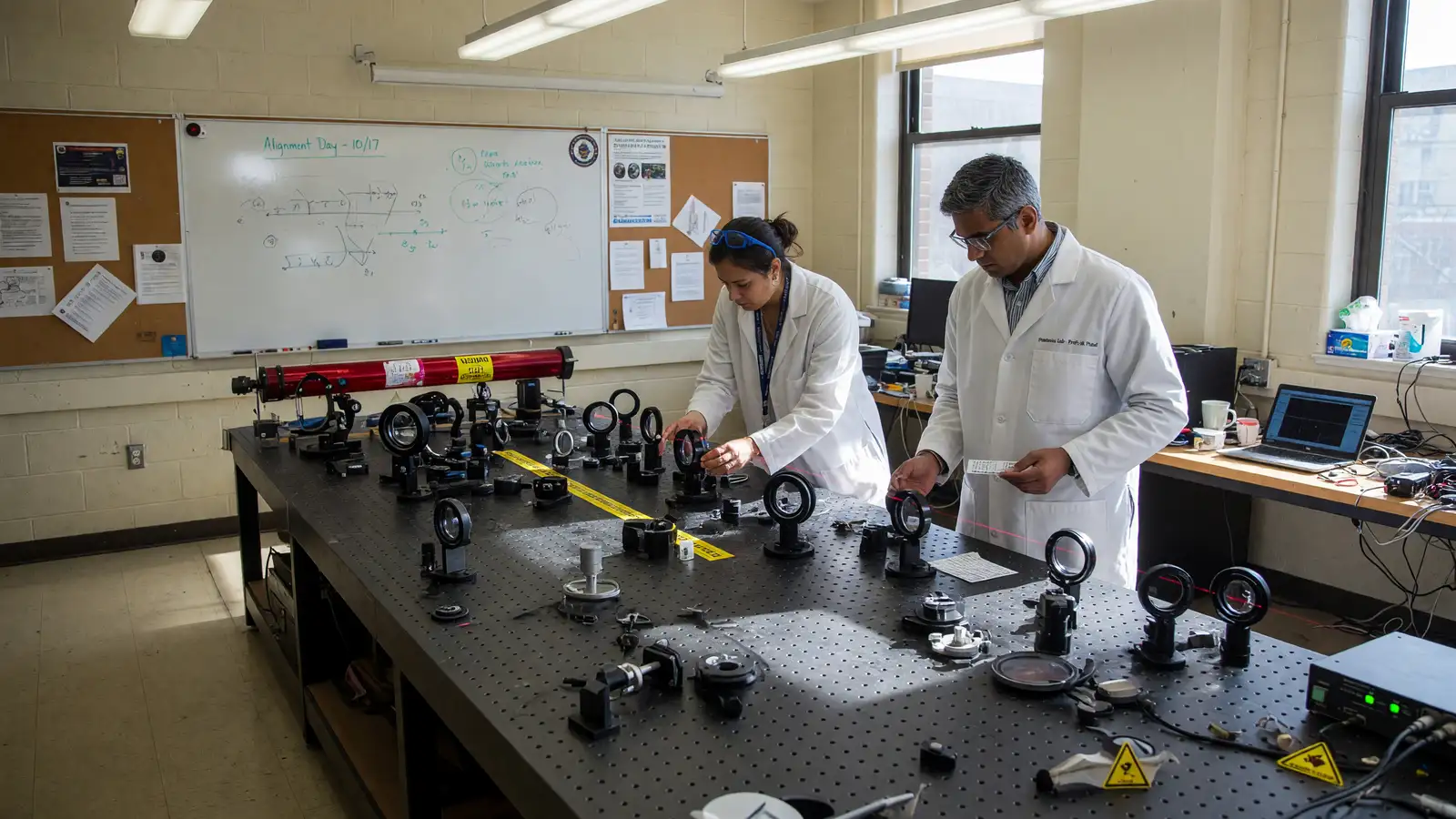
China Mobile Research Institute's demonstration of 5-qubit entanglement with 95.6% fidelity using integrated photonics at room temperature represents a significant step toward quantum computing that doesn't require near-absolute-zero cooling.

Anthropic launched Claude Sonnet 5 as a cheaper, faster model optimized for running AI agents at scale, signaling a shift in the industry from chasing benchmark scores to building economically viable autonomous systems.

When social media declared AI coding assistant Cursor dead, SpaceX handed it a $60 billion valuation lifeline — a move that reveals the high-stakes battle for control of how software gets written.

Several jurisdictions are moving to grant decentralized autonomous organizations formal legal status, resolving one of the biggest barriers to mainstream DAO adoption: legal uncertainty.
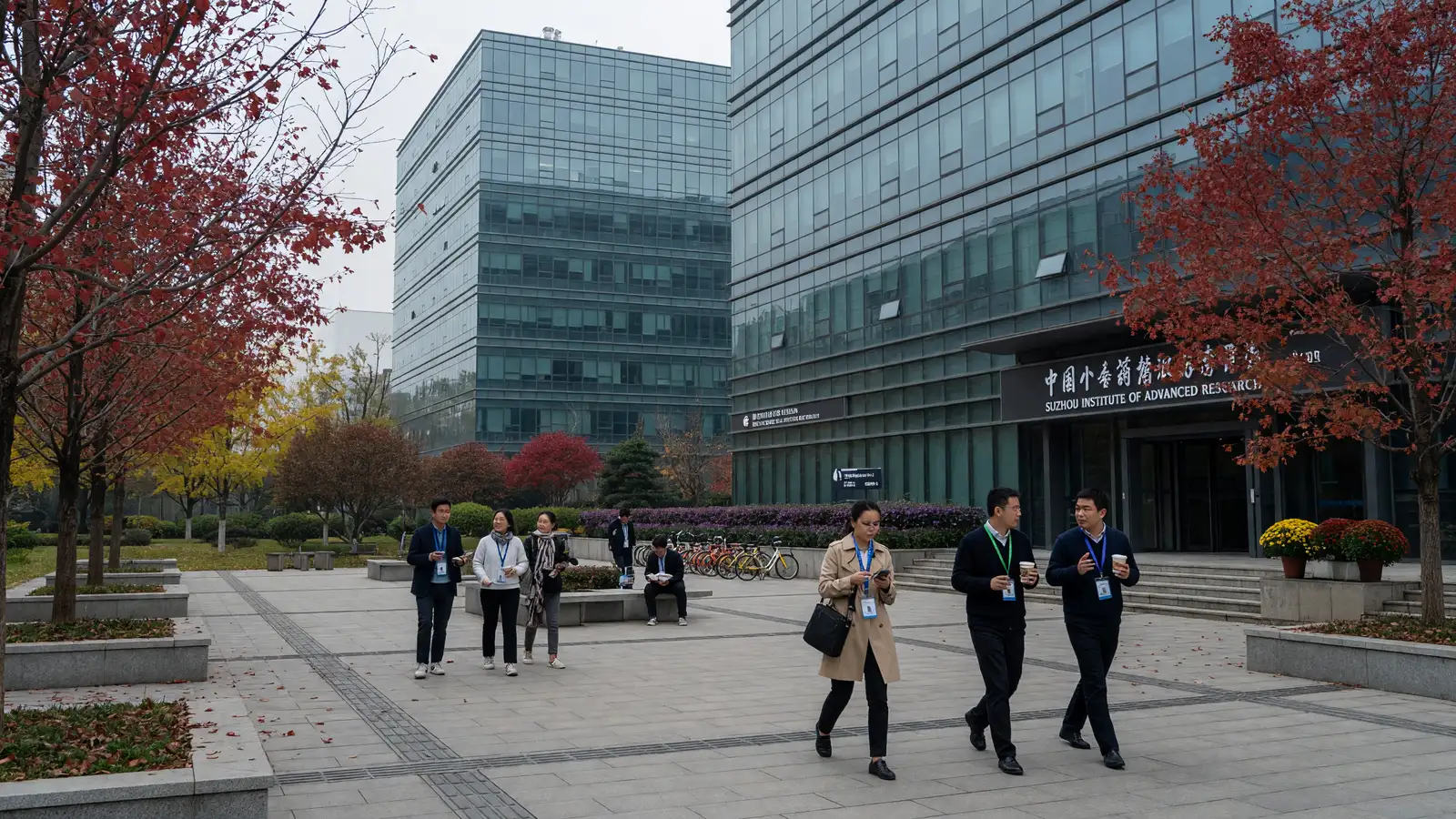
Chinese AI lab DeepSeek is reportedly raising $7 billion in a landmark funding round, signaling that China's open-source AI ecosystem is rapidly closing the gap with Western competitors.

SEC and CFTC enforcement actions are accelerating, and the window for DeFi protocols to prepare for regulatory compliance is closing faster than most project teams anticipated.

The DeSci movement is building blockchain-based alternatives to the traditional scientific funding and publishing system, with early successes suggesting a path toward more open, efficient, and equitable research.

Virtual clothing, accessories, and skins have grown into a multi-billion-dollar economy, with online games serving as the primary marketplace for digital fashion that never physically exists but commands real money.
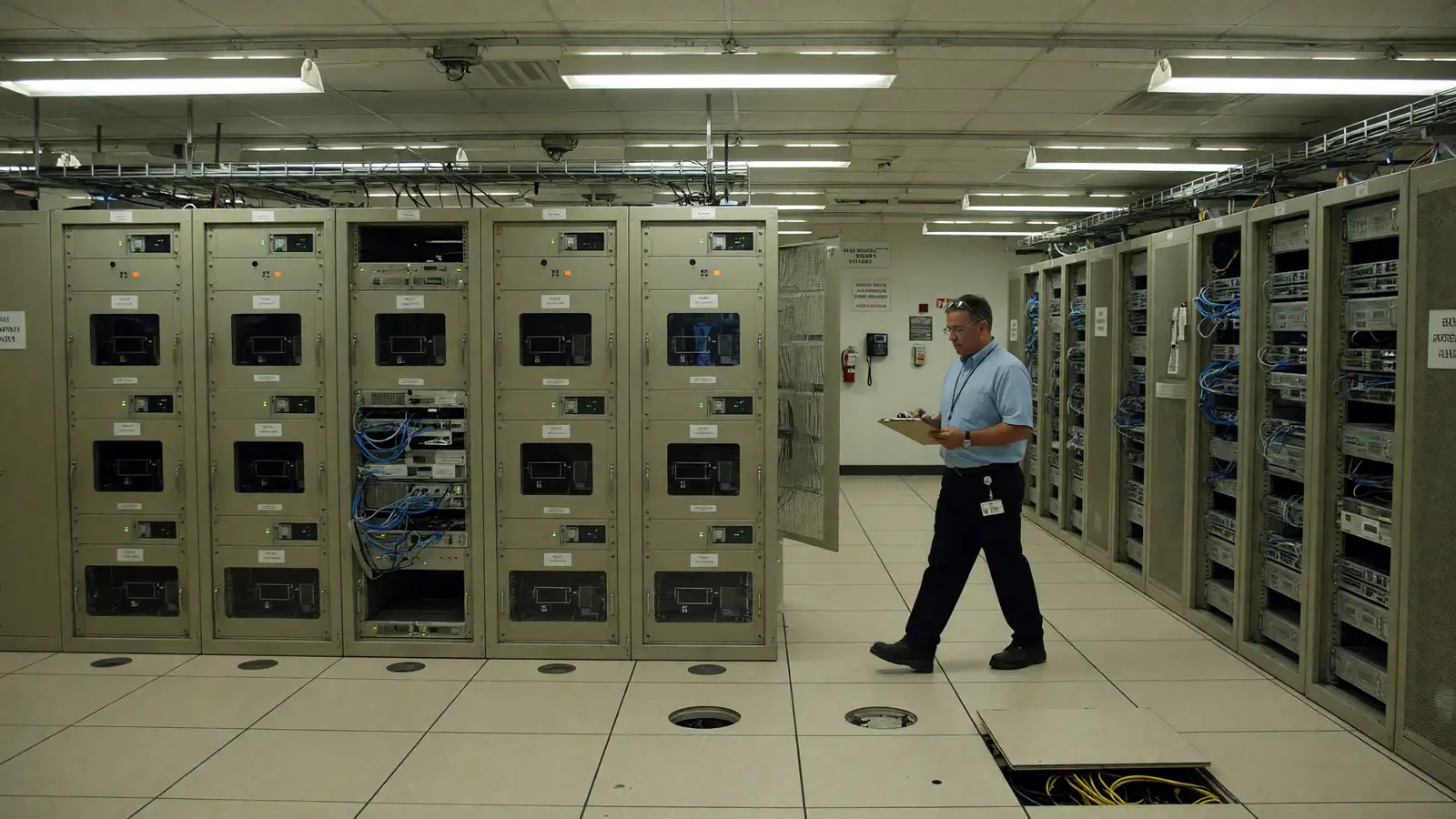
A new industry report reveals that enterprise AI workloads are rapidly shifting from public cloud to private infrastructure, driven by cost predictability, data sovereignty, and performance requirements.

The Ethereum Foundation's decision to cut a fifth of its workforce while key leaders depart raises fundamental questions about how decentralized protocols should be governed, funded, and evolved.

The European Union's AI Omnibus regulation has introduced significant amendments to the original AI Act, creating new compliance obligations and leaving key uncertainties that enterprise AI teams must navigate immediately.
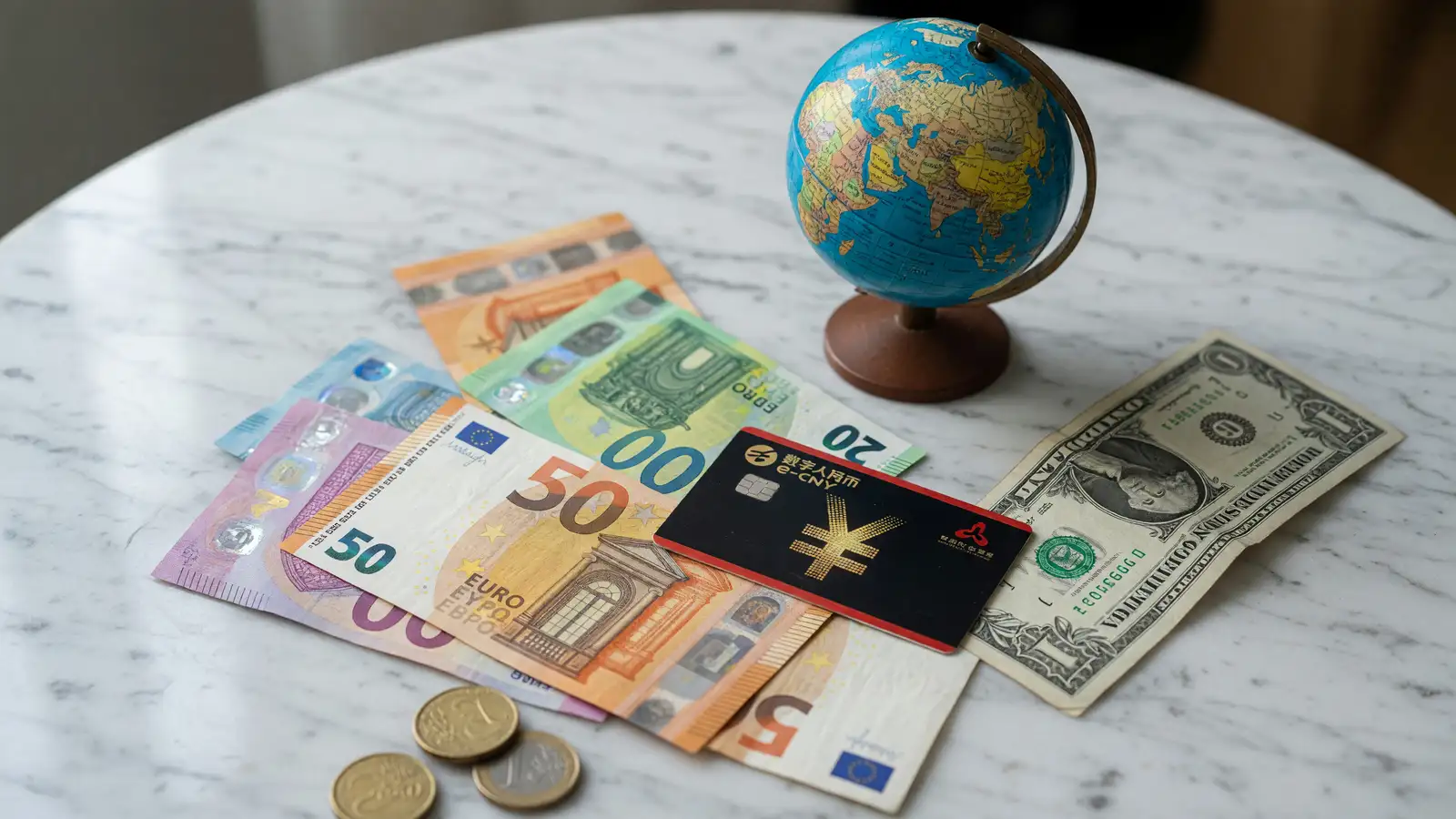
As the United States debates whether to pursue a digital dollar at all, Europe and China are executing fundamentally different visions of digital currency — and the divergence could reshape global financial infrastructure.
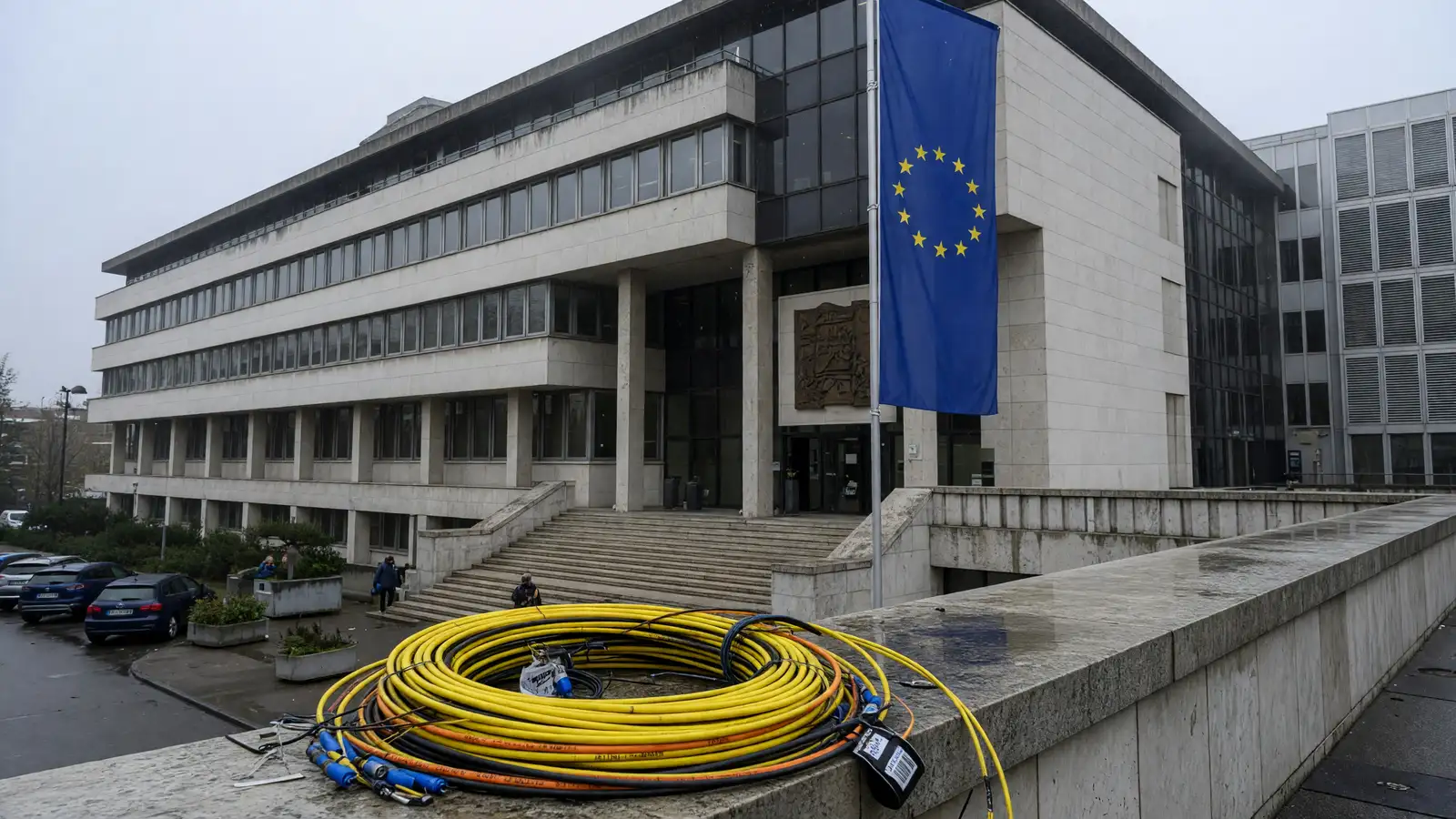
A growing tension between national sovereignty and cross-border blockchain integration is shaping Europe's digital infrastructure strategy, with implications for trade, regulation, and the continent's competitive position.

A Nature study found that general-purpose LLMs like GPT-4 and Claude now outperform specialized clinical AI tools on medical benchmarks, challenging the assumption that domain-specific models are necessary for healthcare applications.

Getty Images' licensing agreement with OpenAI resolves one company's legal exposure but leaves the fundamental questions about AI training data, fair use, and creator compensation as unresolved as ever.
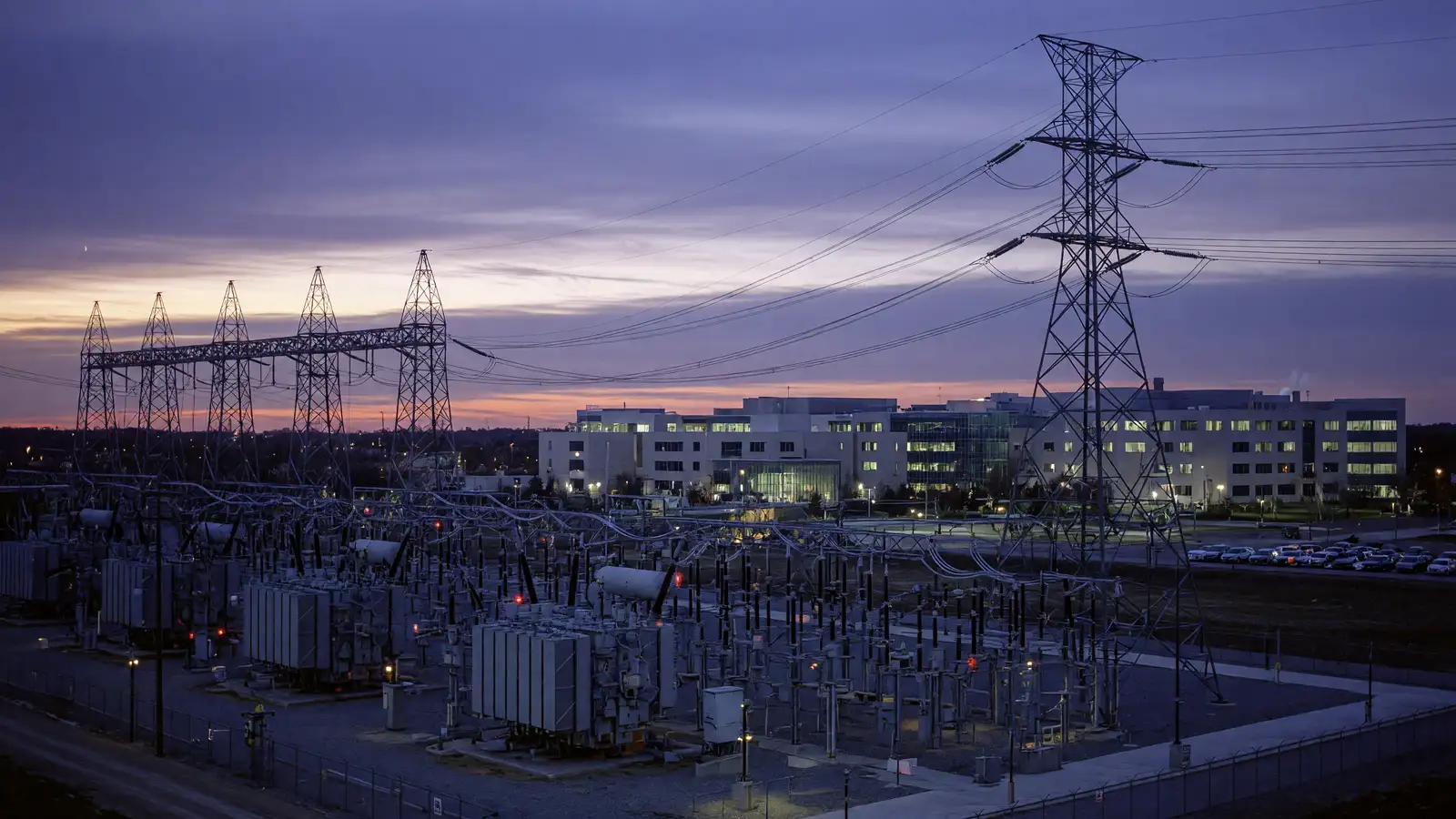
Google's 2025 environmental report reveals that its AI infrastructure expansion caused a 37% surge in electricity consumption, raising urgent questions about the sustainability of the AI arms race.
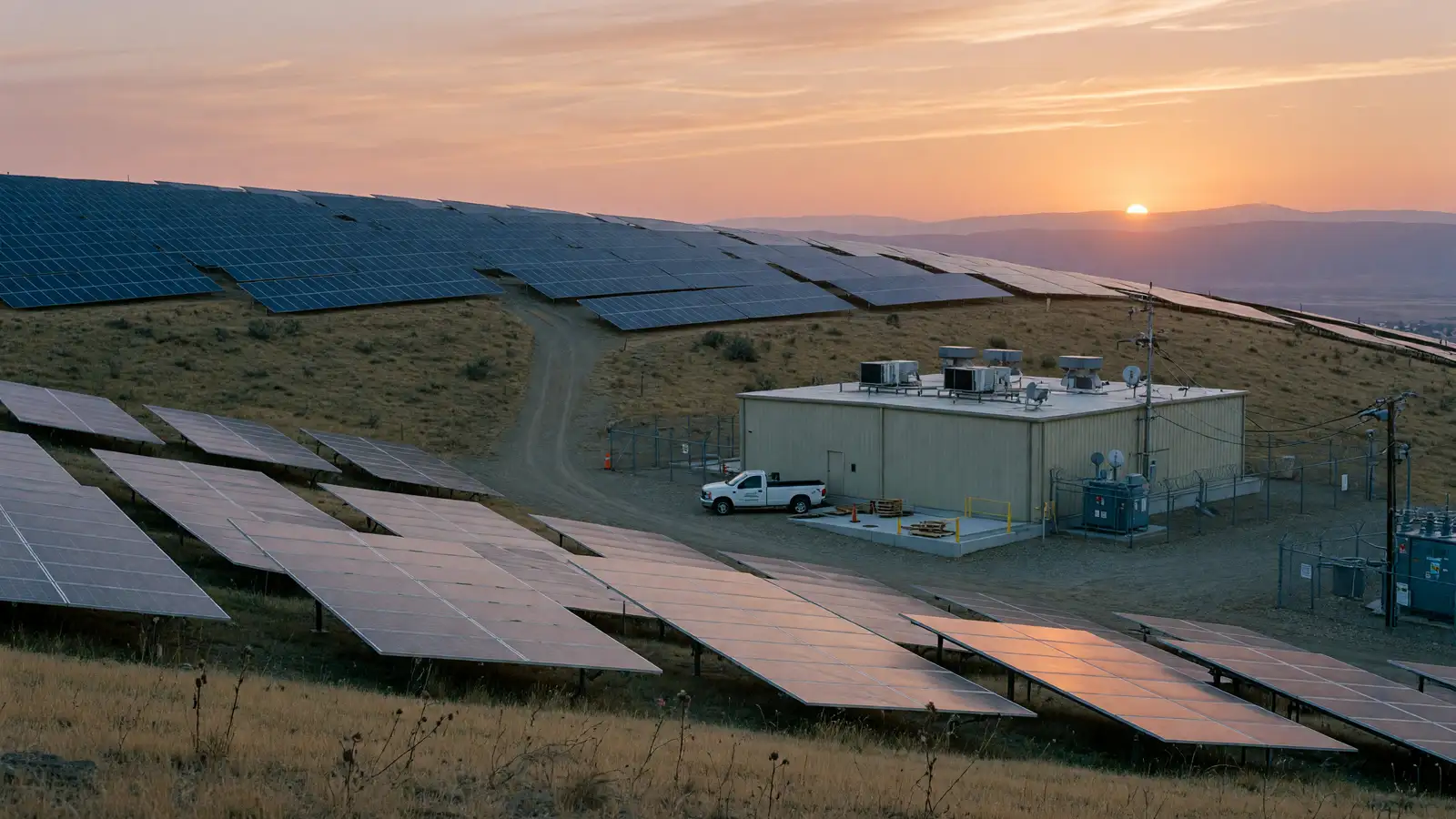
Ethereum's transition to proof-of-stake and the broader green blockchain movement are demonstrating that blockchain technology can achieve security without the massive energy consumption that defined its early years.
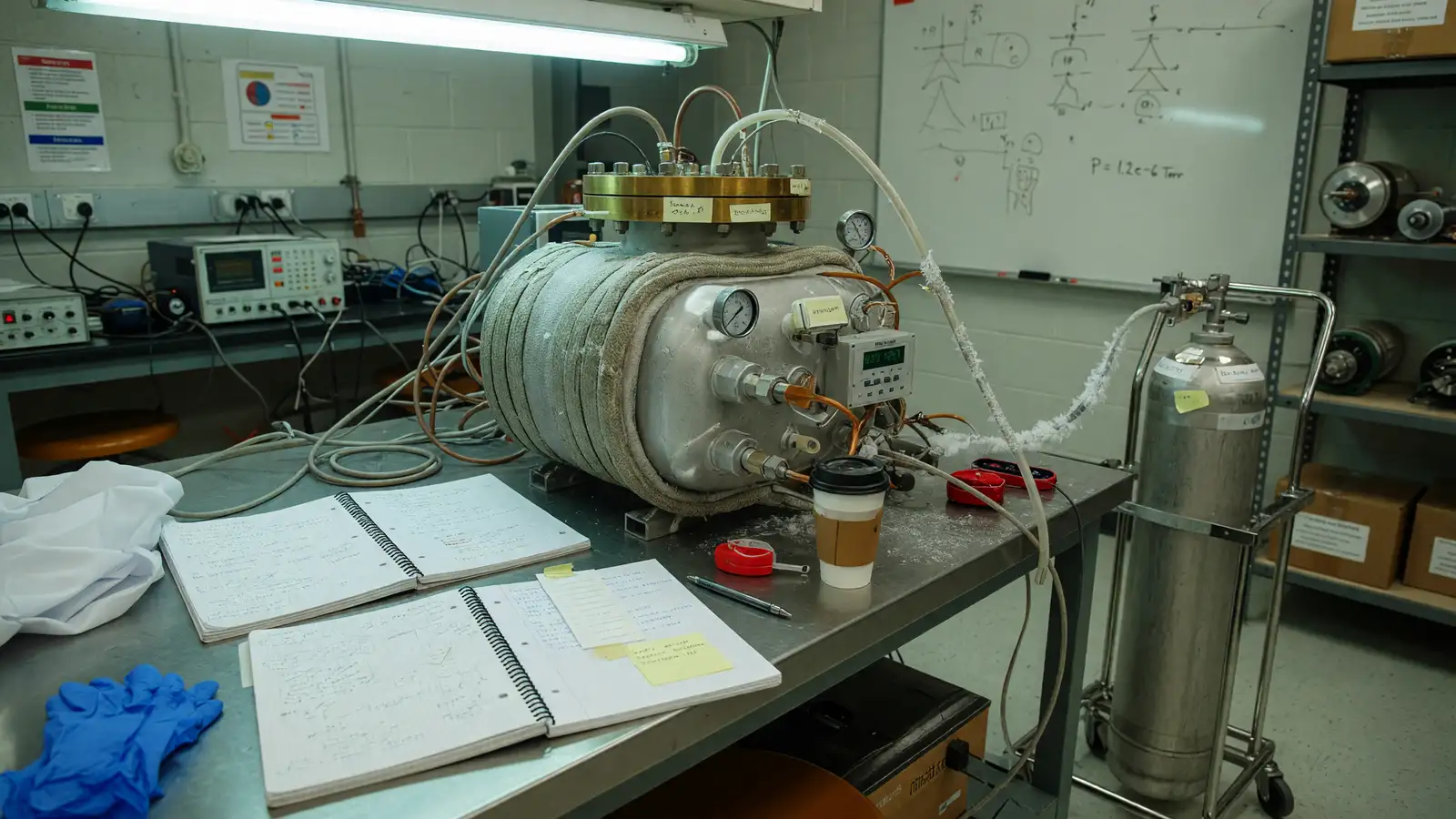
University of Hong Kong researchers developed a cryogenic neuromorphic chip designed to operate alongside quantum processors at temperatures near absolute zero, solving a critical interface problem between classical control electronics and quantum systems.

Hong Kong's central bank is piloting a wholesale CBDC for after-hours derivatives settlement, demonstrating how programmable central bank money could transform financial market infrastructure.
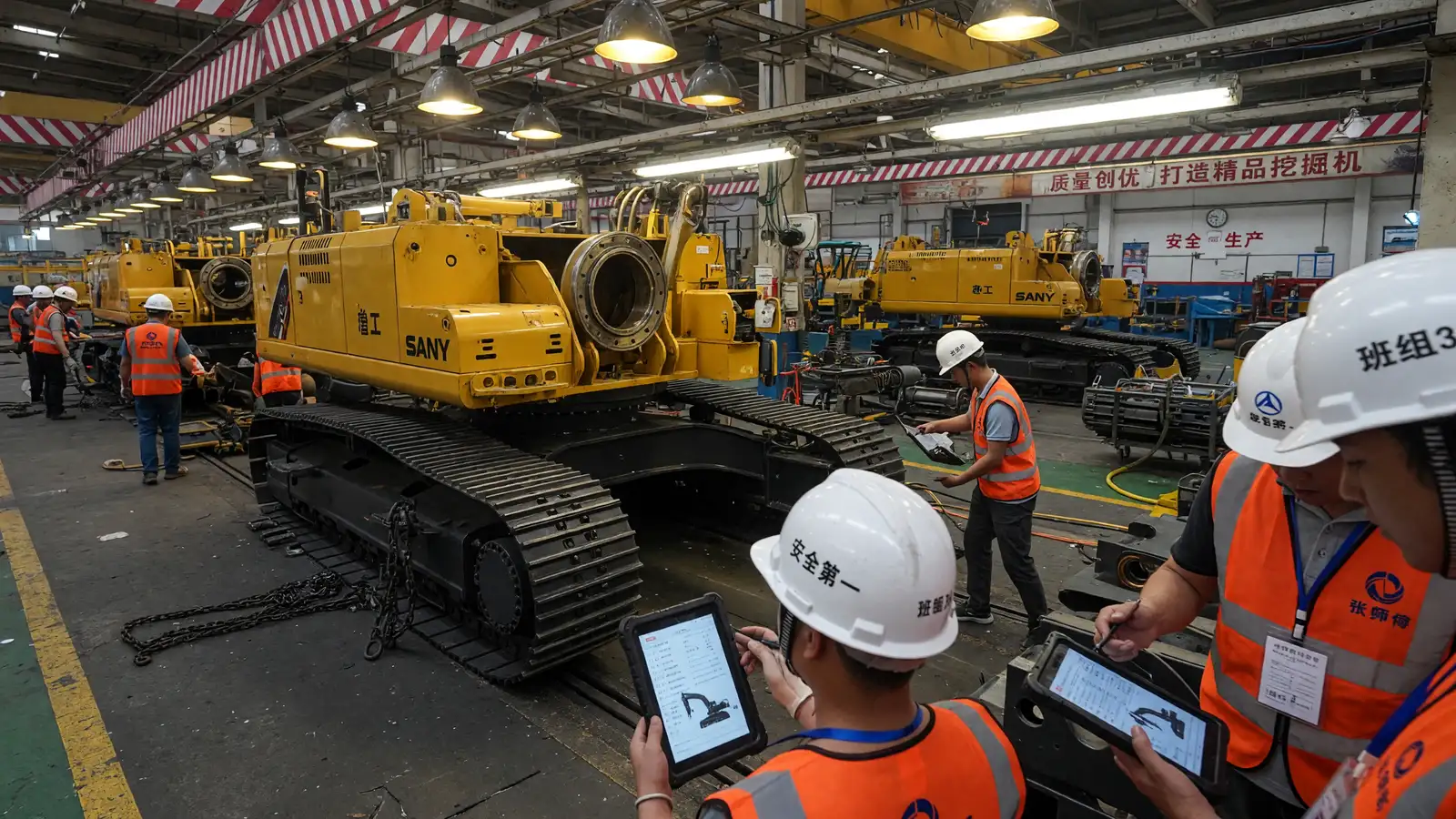
Zoomlion's Z01 humanoid robot, showcased at KOMATEK 2026, demonstrates that embodied AI — the combination of physical robotics with AI intelligence — is ready for industrial deployment in construction and manufacturing.
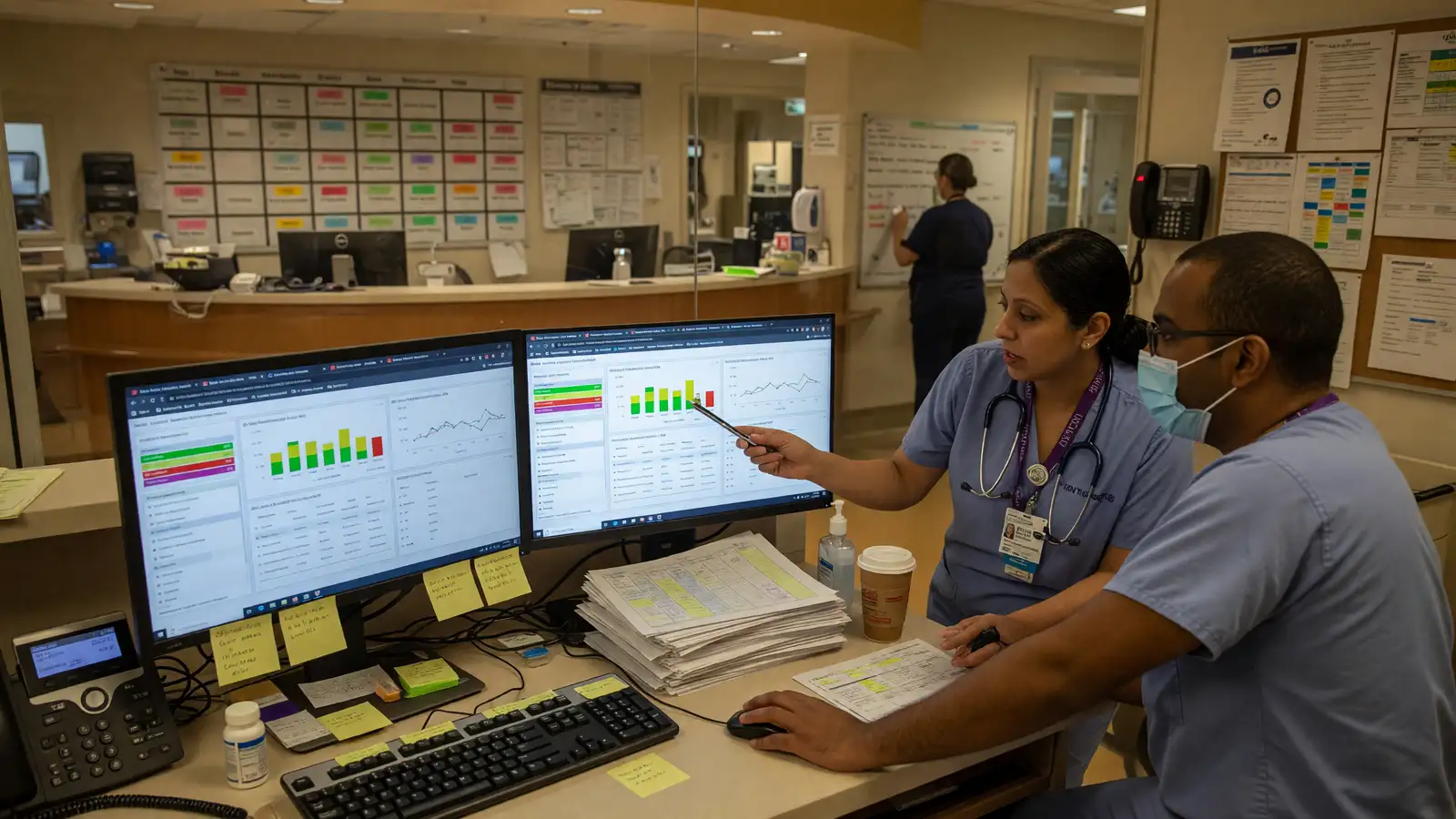
The Innovaccer-AWS partnership to scale agentic AI in healthcare demonstrates how regulated industries can deploy multi-agent AI systems that are both powerful and compliant, offering lessons for finance, legal, and government.
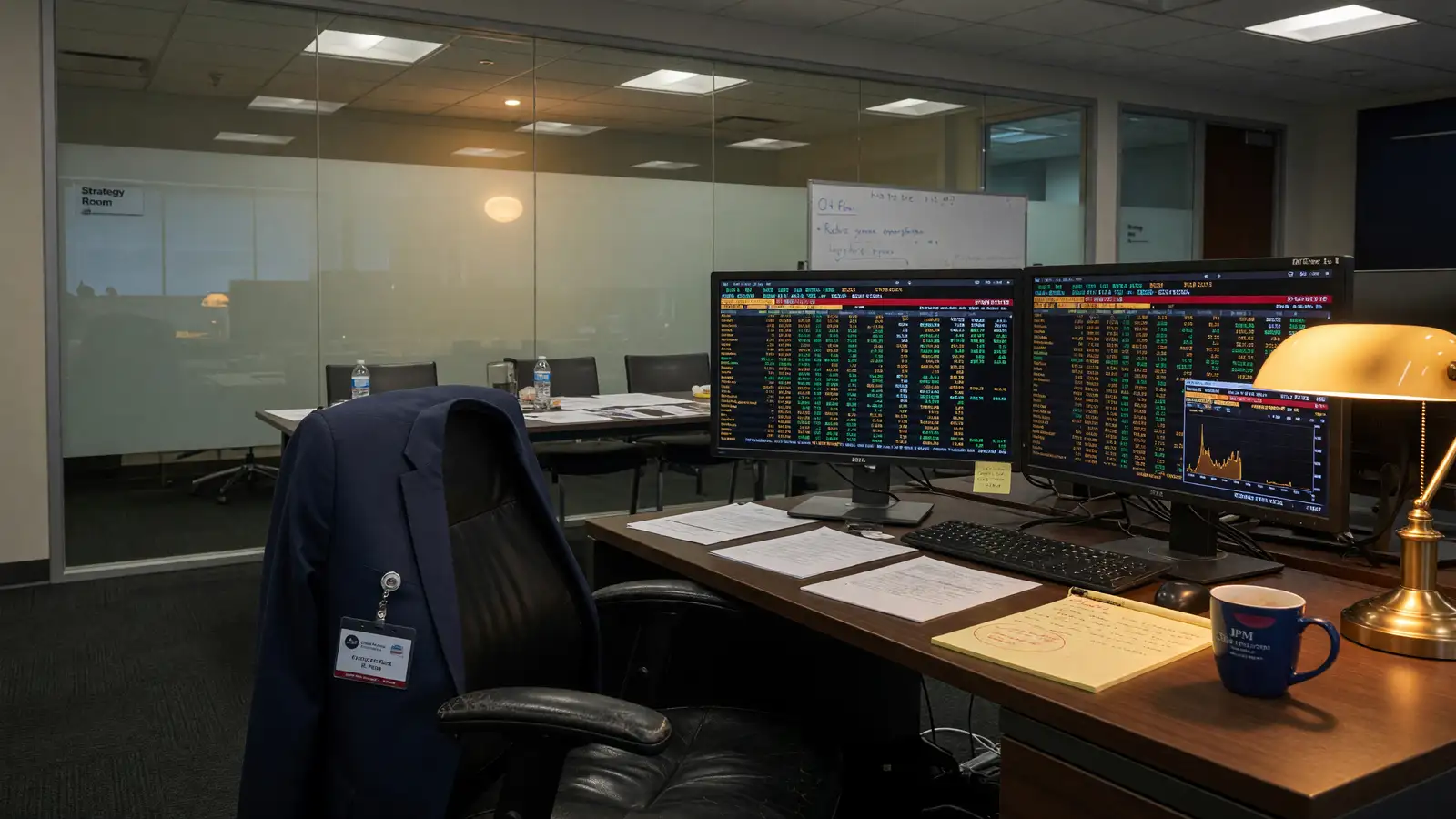
Orbs' launch of on-chain execution infrastructure for institutional crypto trading marks a milestone in the convergence of traditional finance and decentralized finance infrastructure.
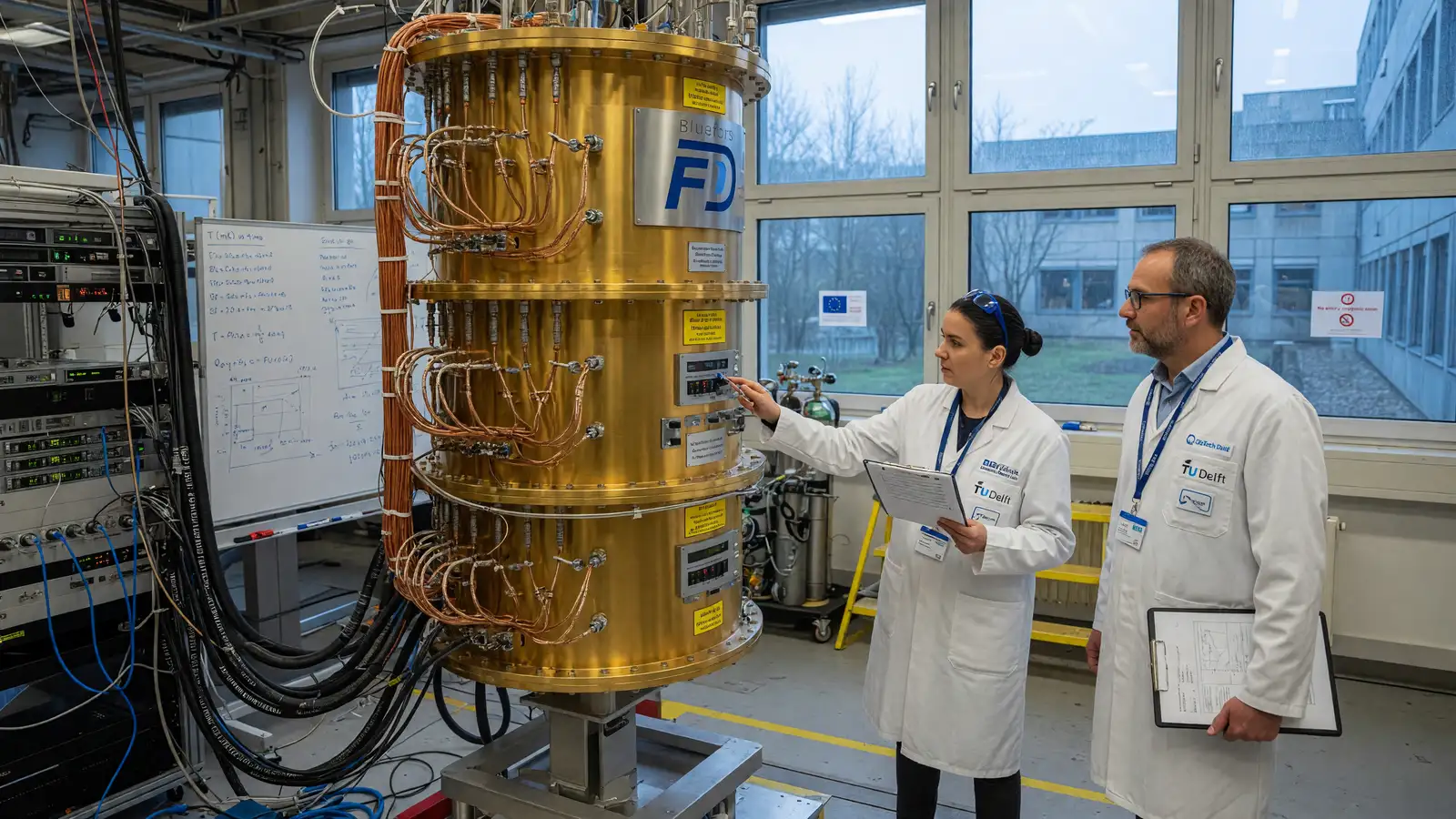
Finland-based IQM Quantum Computers is preparing for a Nasdaq debut, following Quantinuum's $1.68 billion IPO and signaling that Europe's quantum computing sector is entering the public markets with momentum.
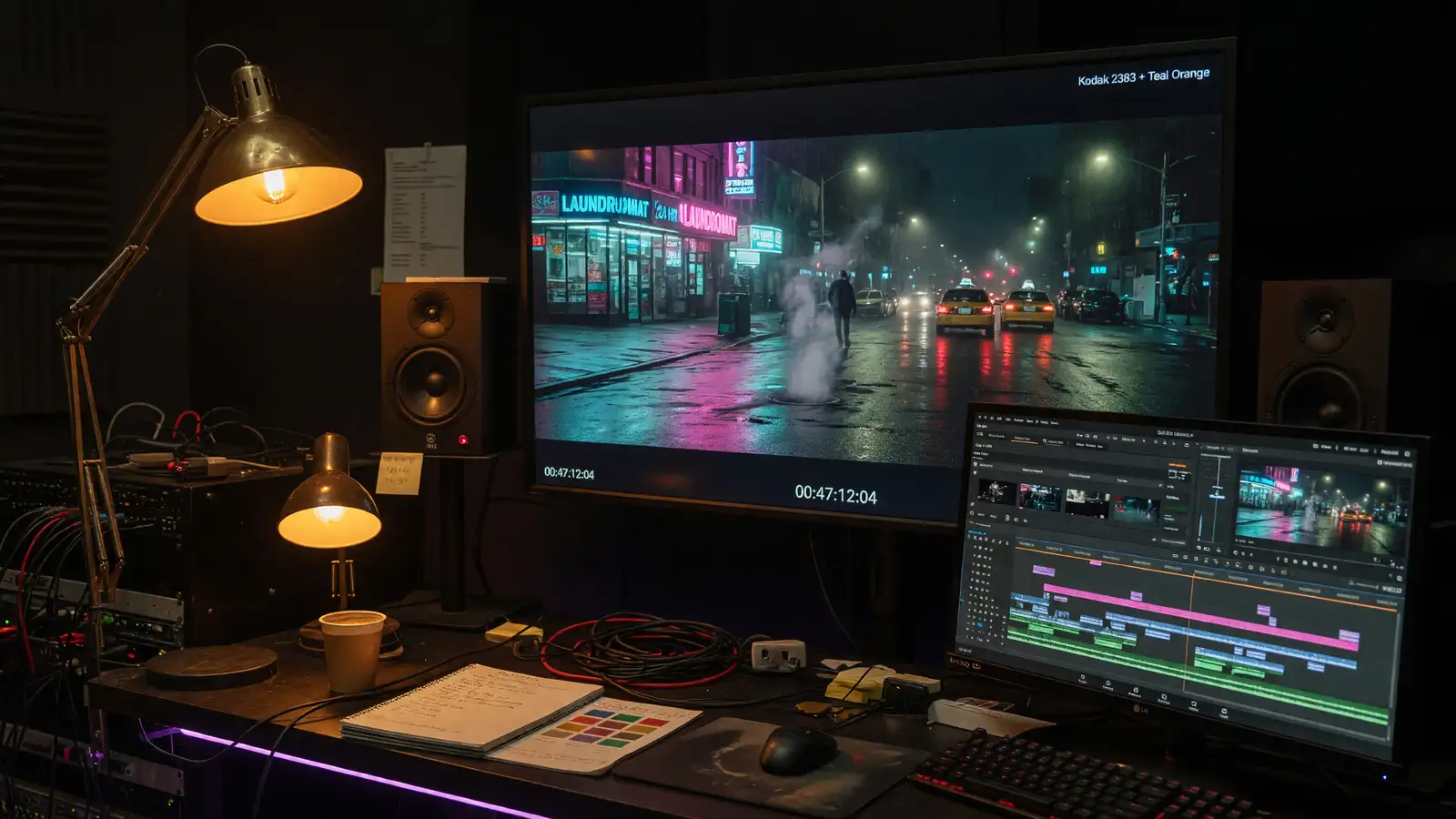
Kuaishou's Kling AI subsidiary secured $2.8 billion from Alibaba and Tencent, signaling that the battle for AI-generated video is now a multi-billion-dollar arena dominated by China's tech giants.

LVMH's recognition of AI traceability and blockchain training tools signals that the luxury industry sees distributed ledger technology as essential infrastructure for authenticity, sustainability, and consumer trust.

Mastodon's new newsletter feature represents a strategic pivot for the decentralized social network, attempting to bridge the gap between the fediverse's open protocols and the creator economy's demand for direct audience monetization.

Gizmodo's review of Meta's Fury AI glasses confirms what the AR industry has been dancing around: Meta is winning the smart glasses race, and it's not particularly close.

Meta's decision to spin out VR fitness app Supernatural as an independent company rather than shutting it down signals that virtual reality fitness has crossed a viability threshold that even cost-cutting tech giants recognize.
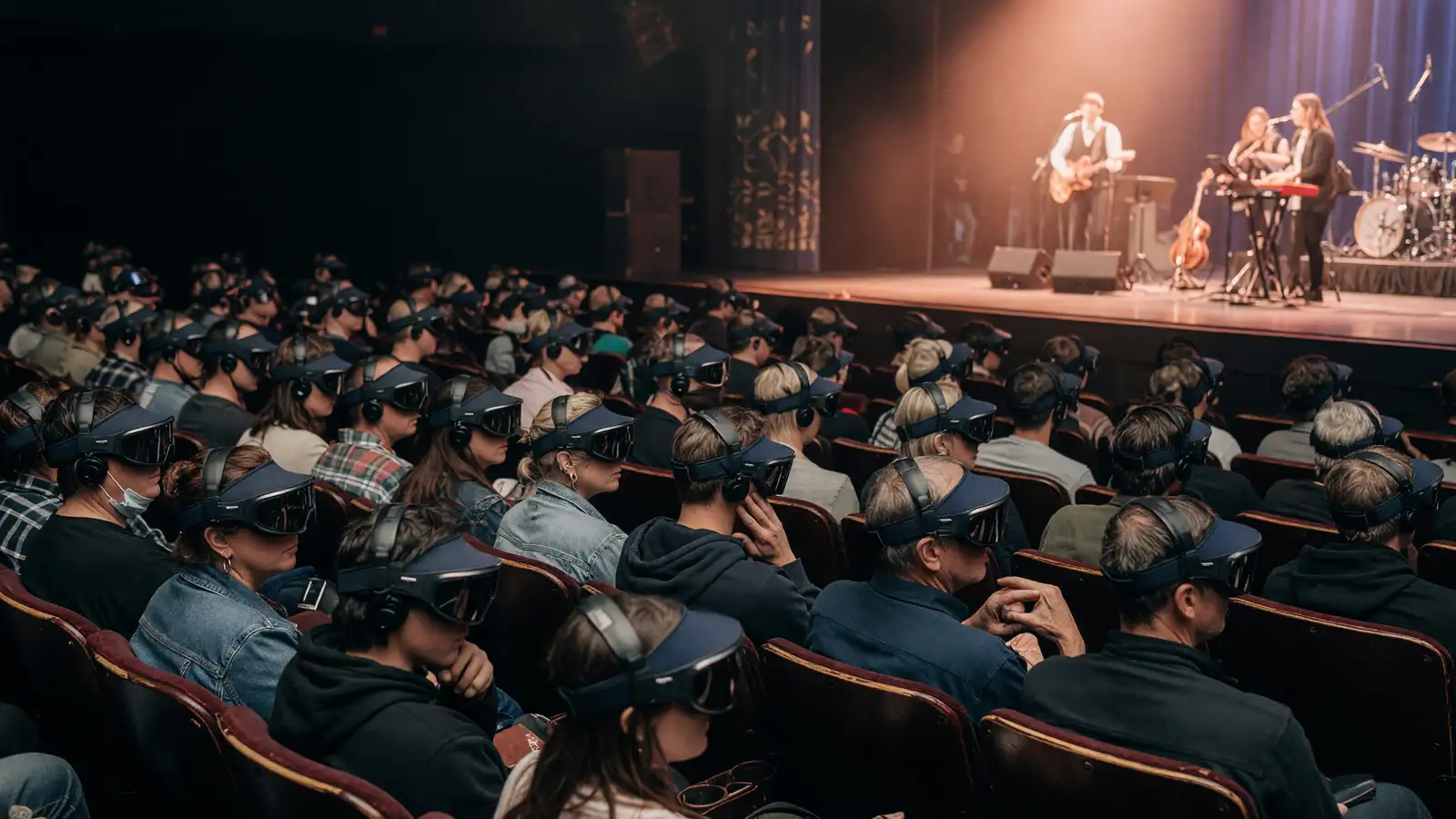
A new market analysis projects the metaverse entertainment sector will reach $121.96 billion by 2032, driven by immersive gaming, virtual concerts, and the convergence of social media with interactive 3D experiences.

The Markets in Crypto-Assets regulation's first major deadline is reshaping the European crypto landscape, with stablecoin issuers and exchanges racing to secure licenses as enforcement begins.
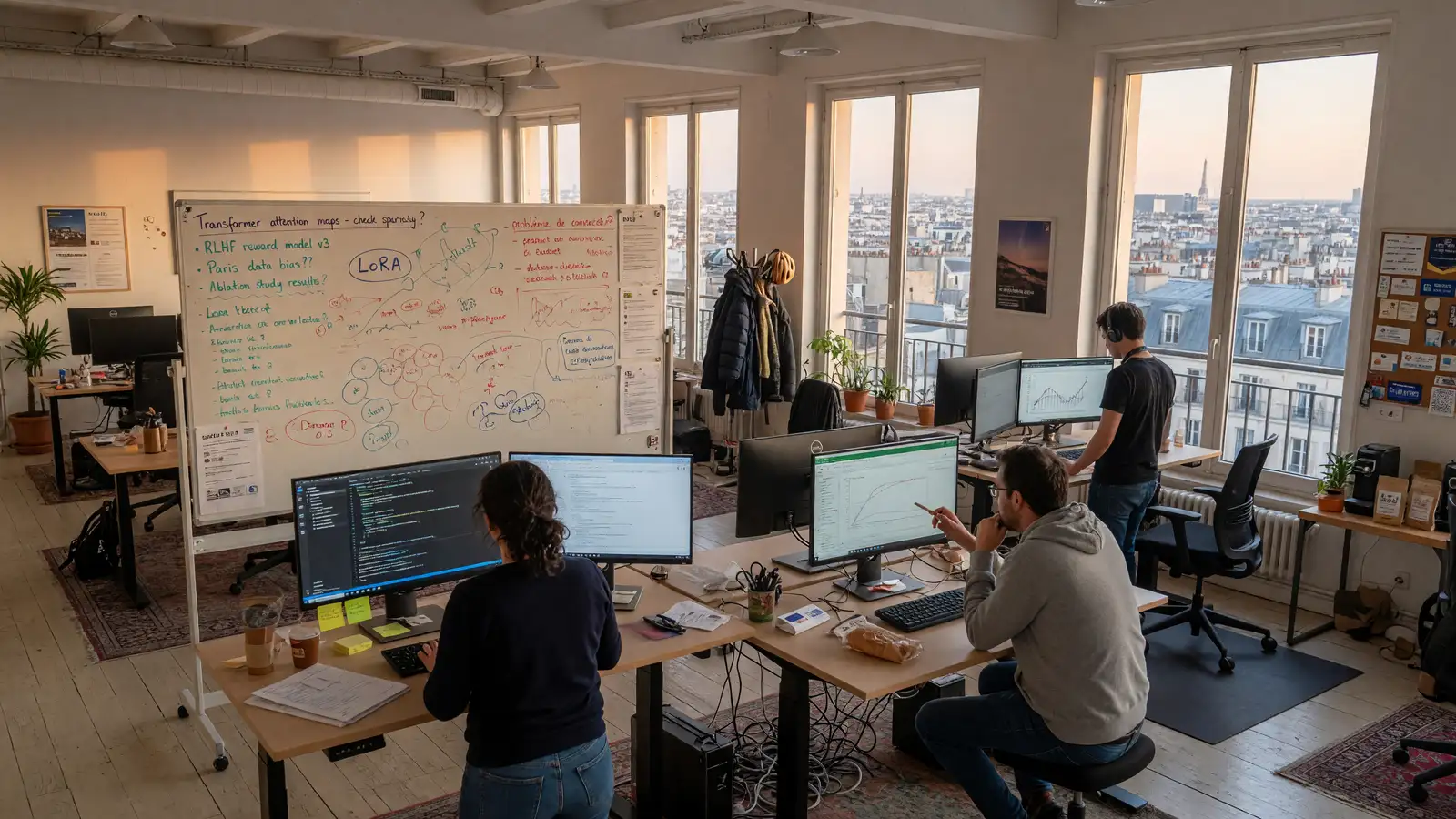
Paris-based Mistral AI is reportedly raising €3 billion at a €20 billion valuation, marking the largest funding round in European AI history and intensifying the global battle between open-source and proprietary AI models.
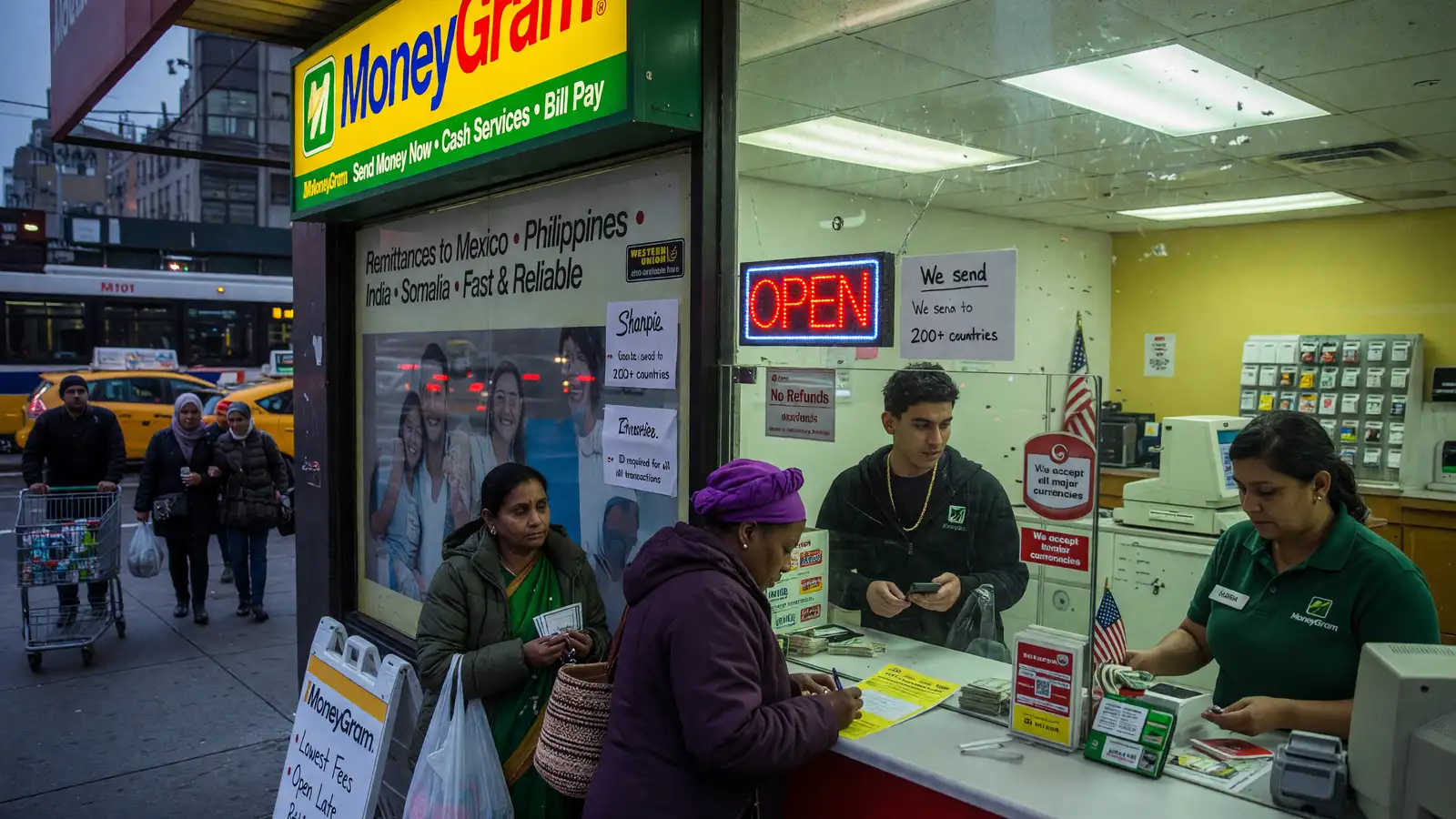
MoneyGram became an active validator on the Solana network, signaling that mainstream payment companies are moving beyond blockchain experiments and toward meaningful infrastructure participation in decentralized networks.

The NFT market is quietly transforming from speculative art collecting into the infrastructure layer for digital tickets, membership programs, and loyalty systems — a pivot that could be far more consequential than the hype cycle that preceded it.
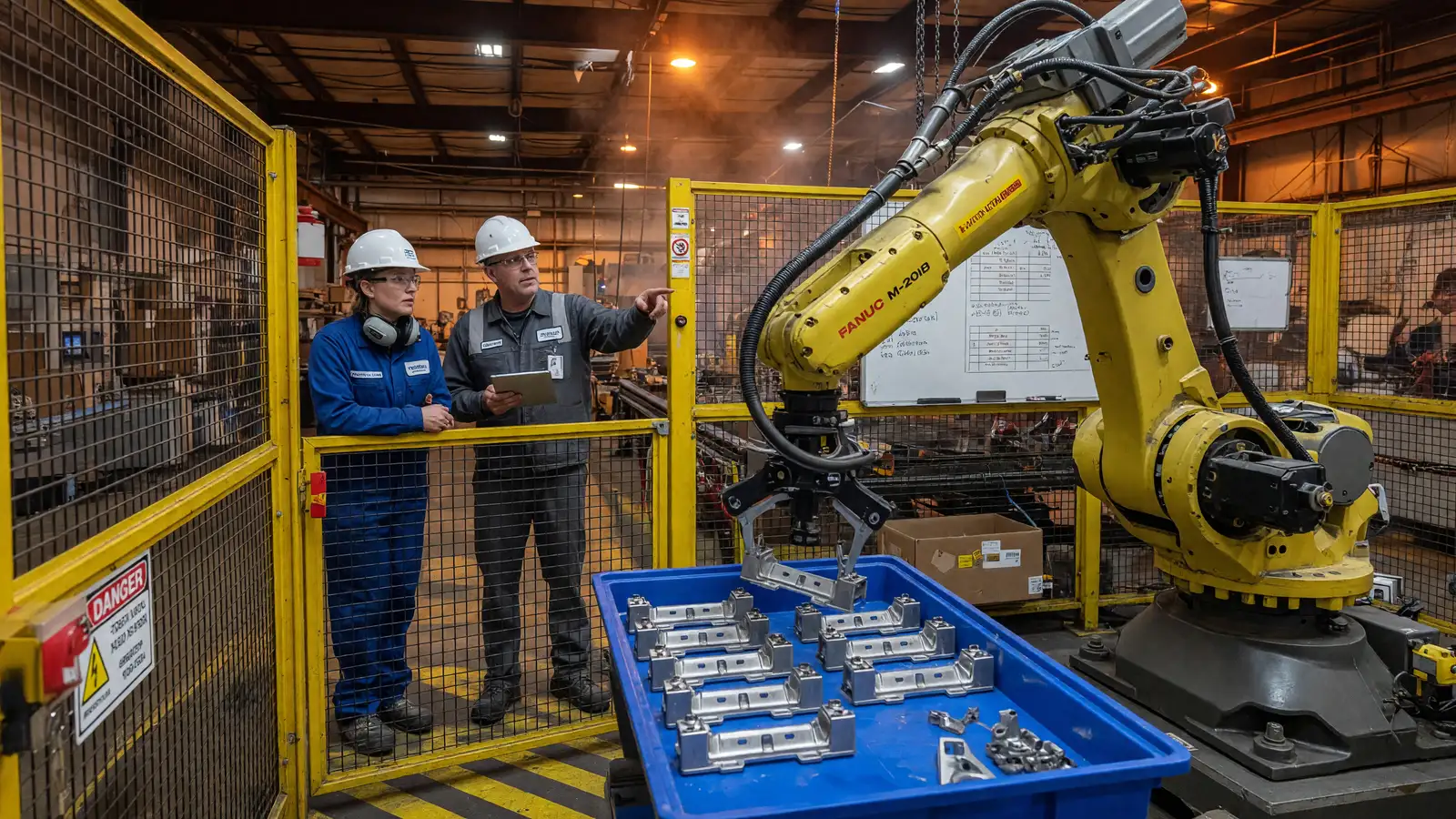
NVIDIA's new ASPIRE framework enables robots to achieve 31% zero-shot performance on complex tasks by self-improving through trial and error — a shift from programming robots to letting them figure things out on their own.
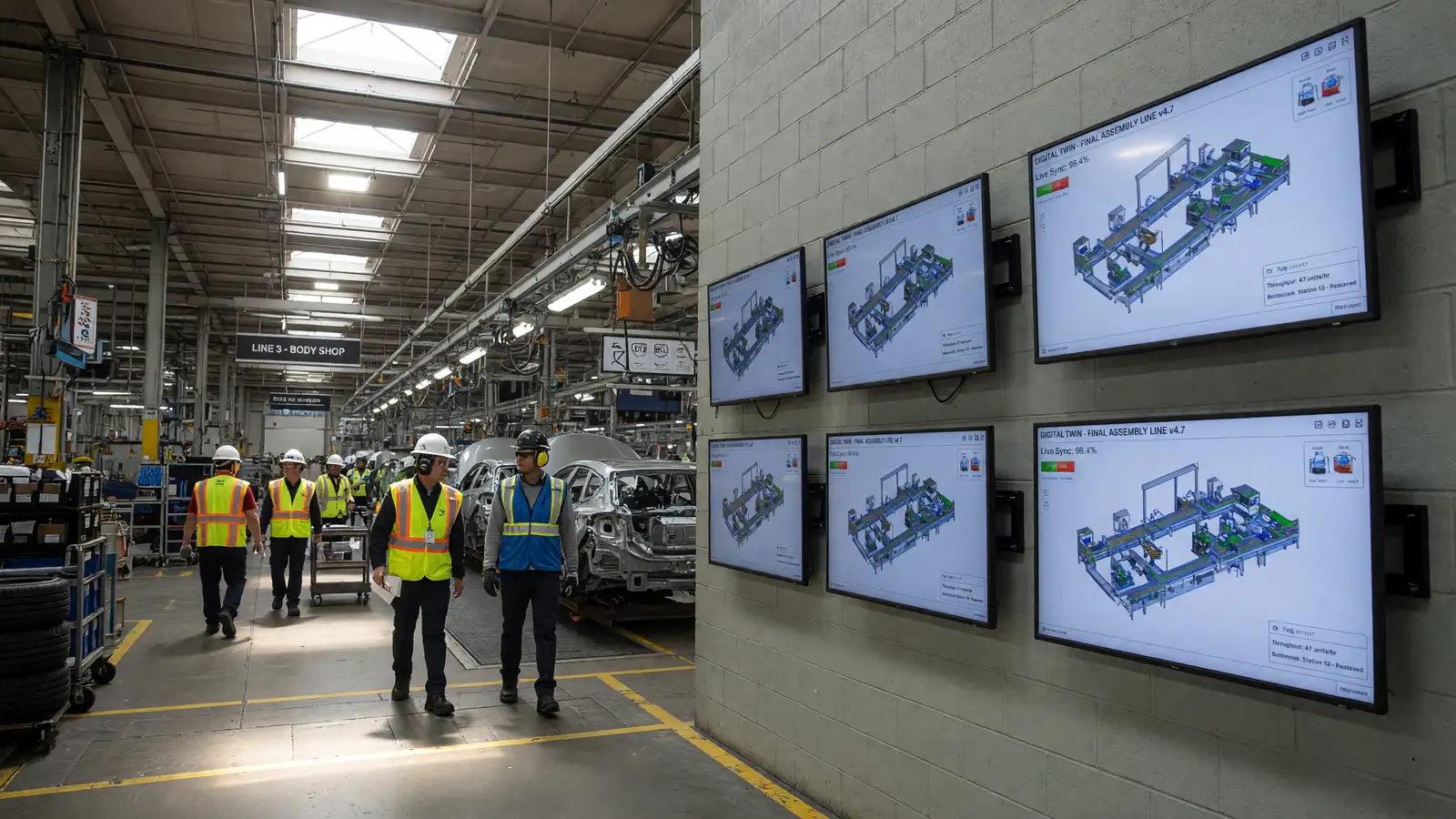
NVIDIA's new three-computer architecture — combining AI training, simulation, and real-time digital twin rendering — is being adopted by manufacturers worldwide to create AI-powered virtual replicas of production facilities.
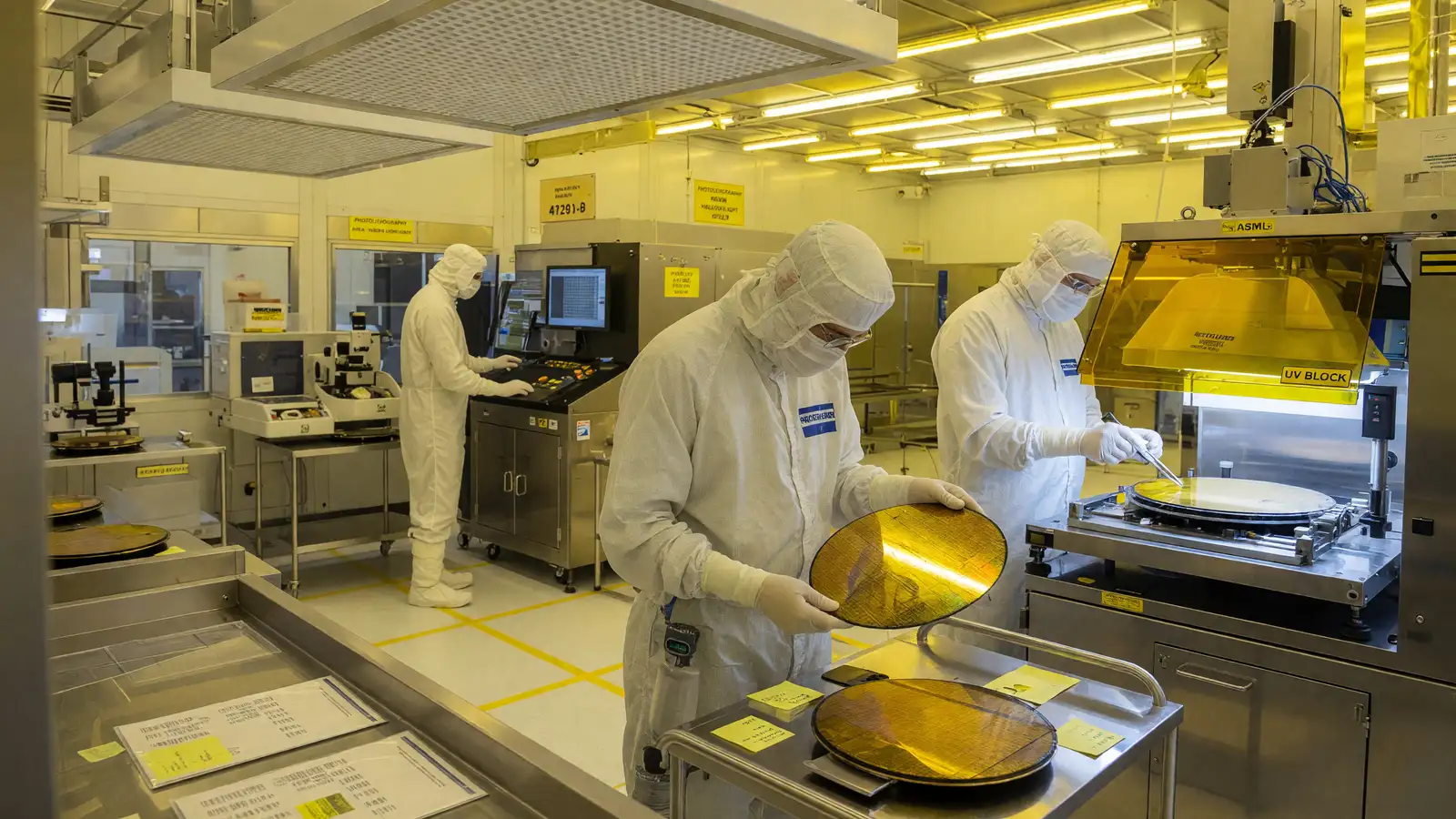
OpenAI's partnership with Broadcom to develop a custom chip optimized for LLM inference at scale signals a fundamental shift in AI infrastructure economics, with implications for every enterprise running production AI workloads.

A new analysis from 21Shares outlines six things investment allocators should understand about quantum computing's impact on digital assets and financial markets, from portfolio optimization to cryptographic risk.
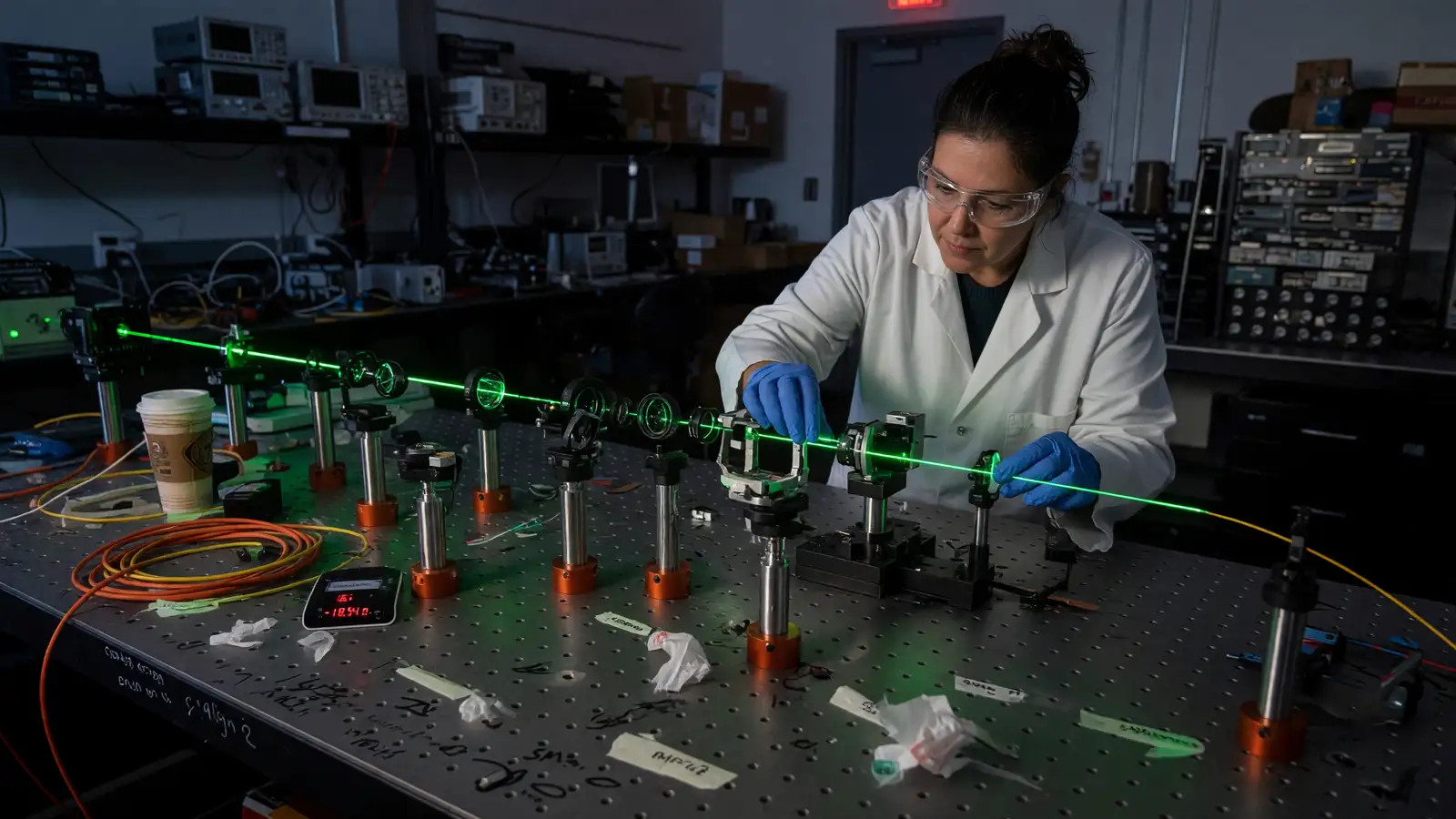
Multiple research teams are making progress on the fundamental components of a quantum internet — entanglement distribution, quantum repeaters, and quantum memory — suggesting that quantum networking may arrive sooner than expected.

As post-quantum cryptography standards mature and regulatory deadlines accelerate, blockchain platforms are racing to implement quantum-resistant security — and the consequences for the crypto ecosystem could be existential.

A breakthrough in quantum sensor technology has removed a key barrier to detecting dark matter and gravitational waves, demonstrating that quantum sensing is rapidly transitioning from laboratory curiosity to practical scientific instrument.

Regenerative finance projects are building blockchain-based markets for carbon credits, biodiversity tokens, and environmental assets, creating economic incentives for conservation that traditional climate finance has struggled to deliver.

Robinhood announced plans to expand into tokenized investing and AI-powered trading tools, signaling that the line between traditional brokerage and crypto-native finance is dissolving faster than regulators can draw it.
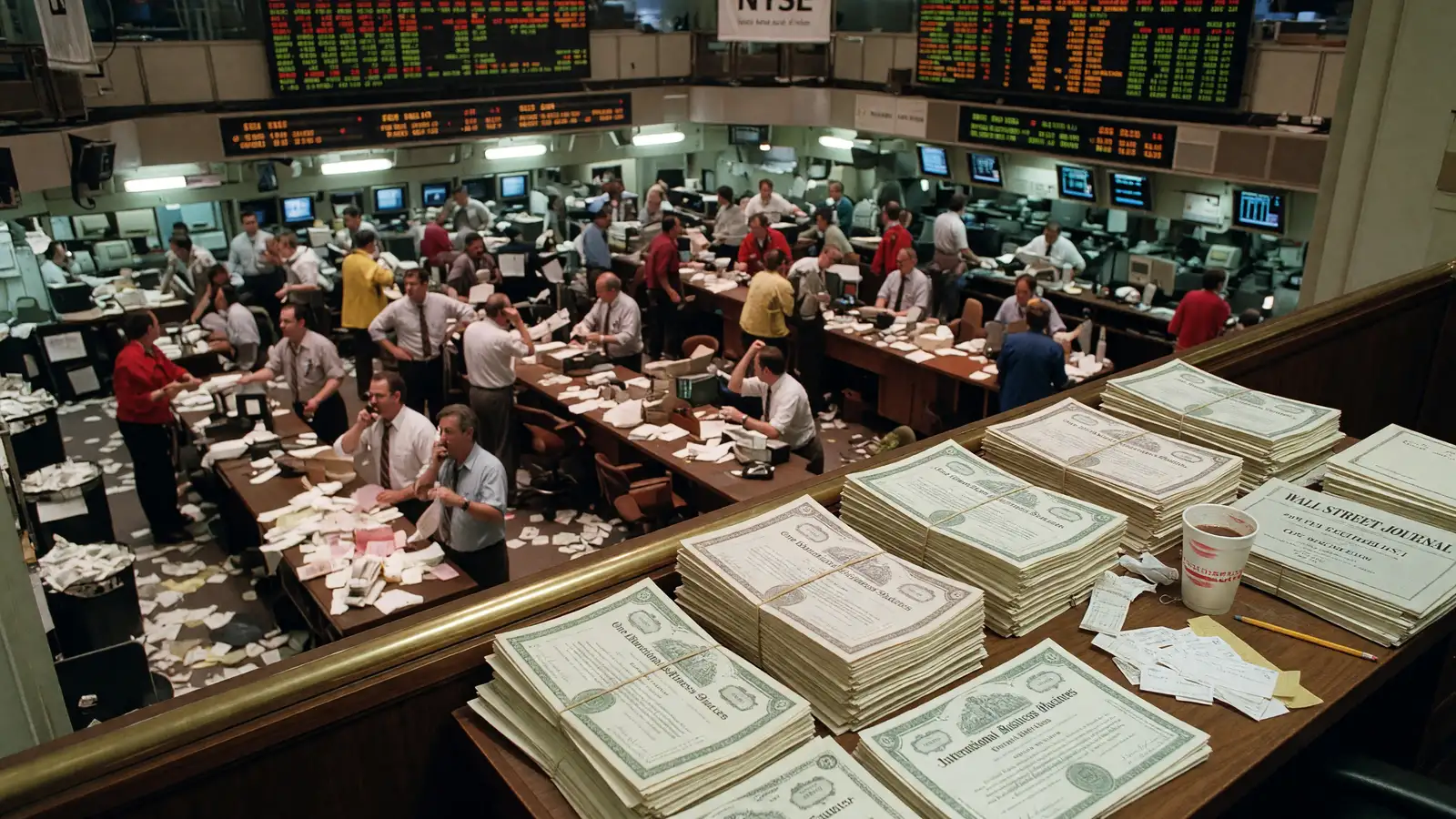
Securitize tokenized $295 million of its own equity on Solana and Avalanche as it prepares for an NYSE debut, marking one of the largest self-tokenizations ever and signaling that traditional finance is adopting blockchain infrastructure faster than expected.

Self-sovereign identity systems, which give individuals control over their digital identities rather than relying on centralized platforms, are gaining adoption in enterprise, government, and education.

Seven new smart glasses designs hitting the market in 2026 demonstrate that augmented reality eyewear is solving its form-factor problem, with implications for enterprise adoption and consumer acceptance.
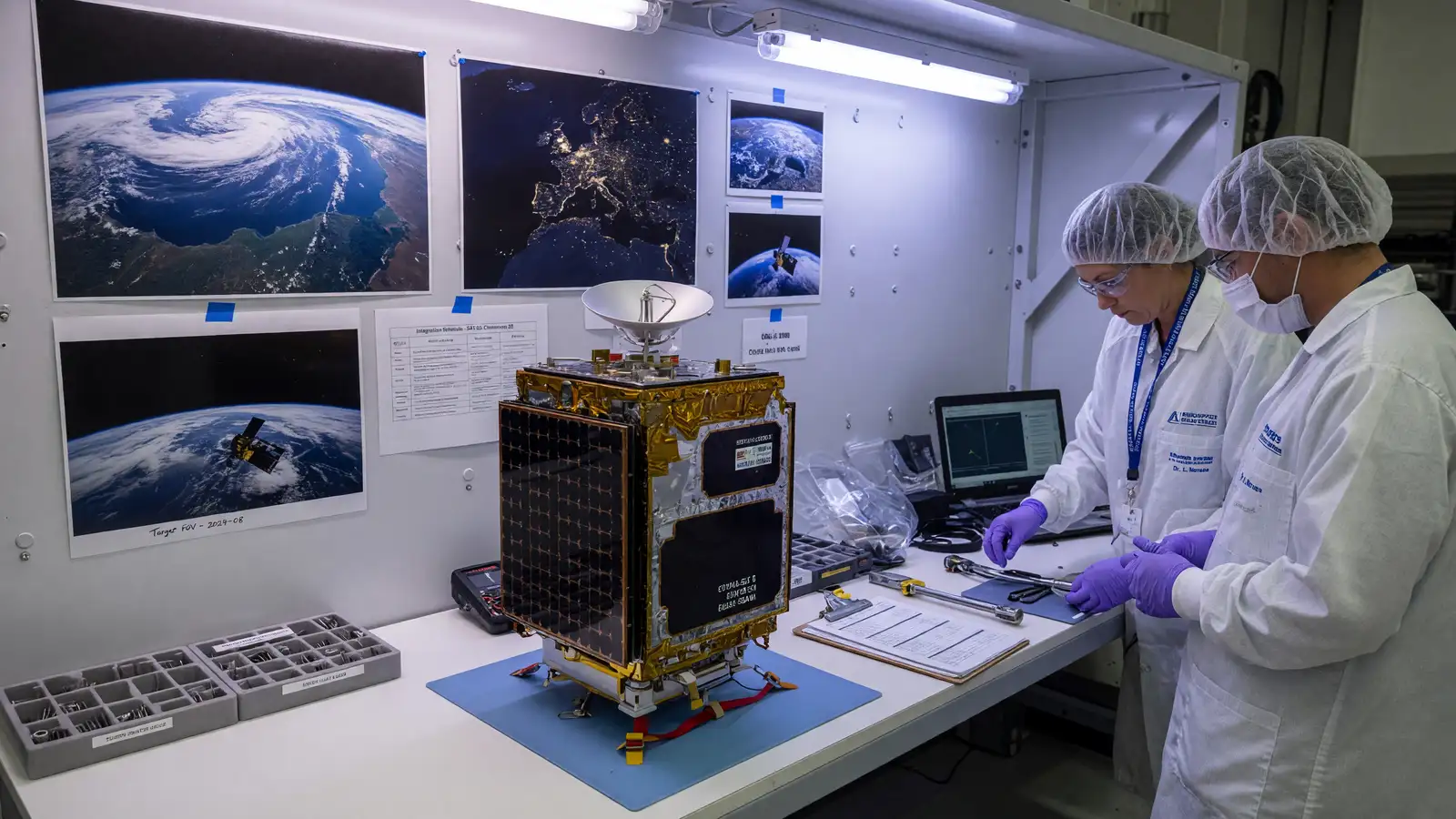
WISeKey's SEALCOIN subsidiary is building blockchain infrastructure in space, and a new $4 million investment signals that the convergence of satellite technology and distributed ledgers is accelerating.
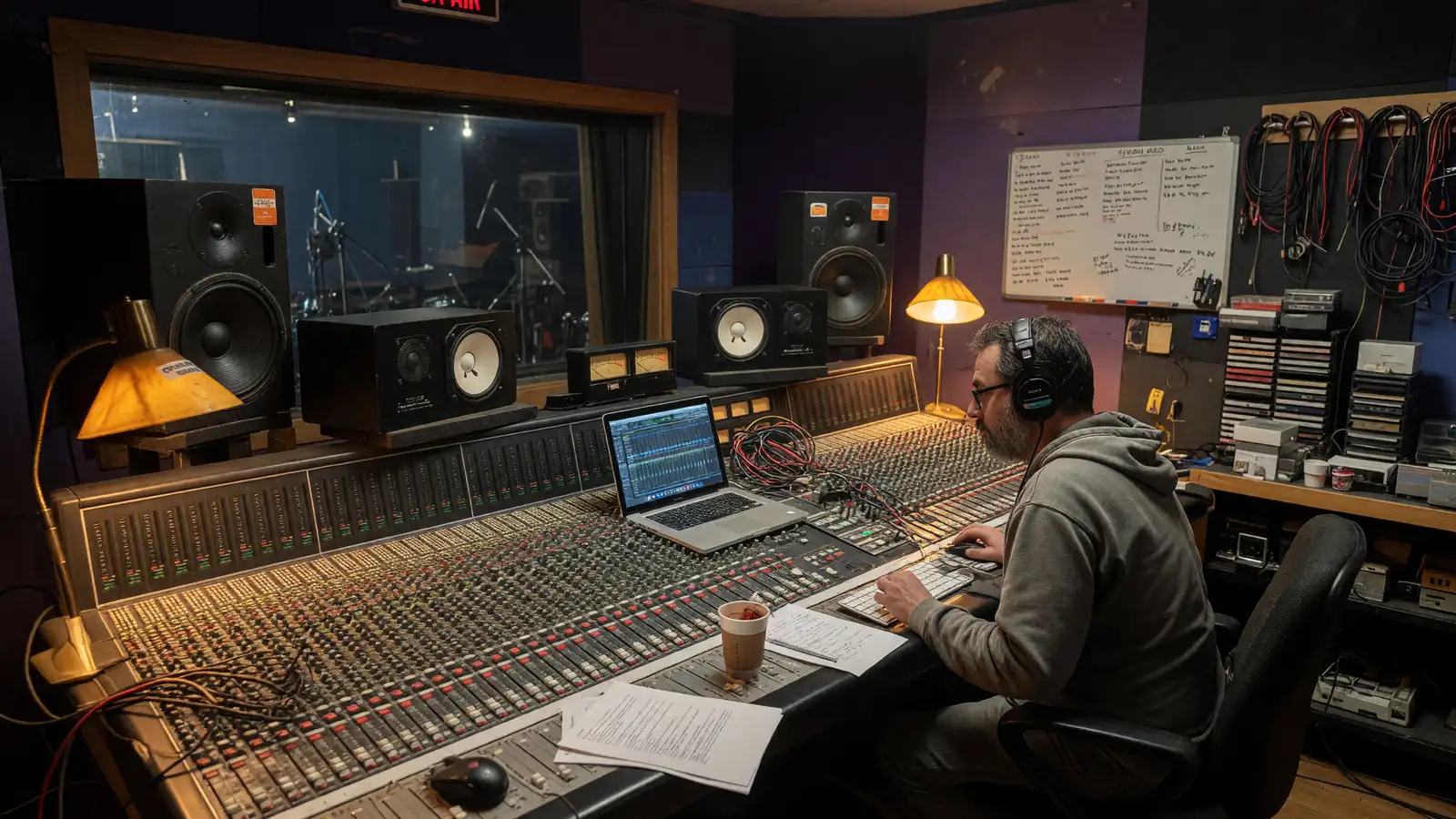
Advances in binaural audio rendering and head-tracked spatial sound are transforming how we experience virtual content, with implications for entertainment, communication, and accessibility.
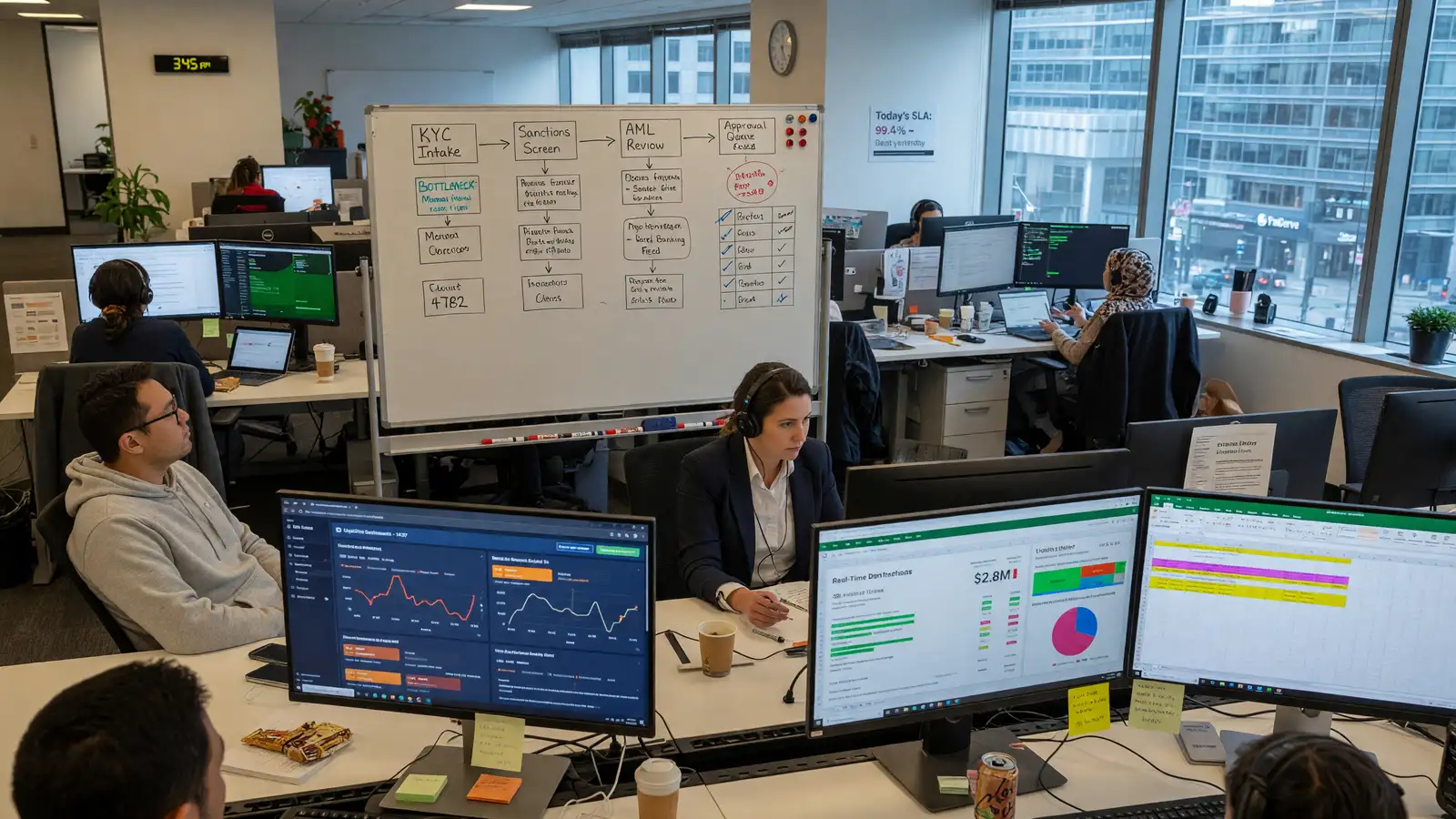
Sperax launches SperaxOS, an AI agent workspace purpose-built for decentralized finance, representing the culmination of seven years of development at the intersection of blockchain infrastructure and autonomous agents.

AI music generator Suno raised another $400 million despite ongoing copyright litigation, as new evidence reveals millions of copyrighted songs were used for training — setting up a legal showdown that could define the boundaries of AI training data.

Despite crypto market volatility, the tokenization of real estate assets continues to advance, with platforms, legal frameworks, and institutional interest converging toward a market that could fundamentally change property investment.

Consumer goods giant Unilever is deploying AI-powered digital twins across its global manufacturing footprint, using real-time simulation to optimize production, reduce waste, and accelerate sustainability goals.
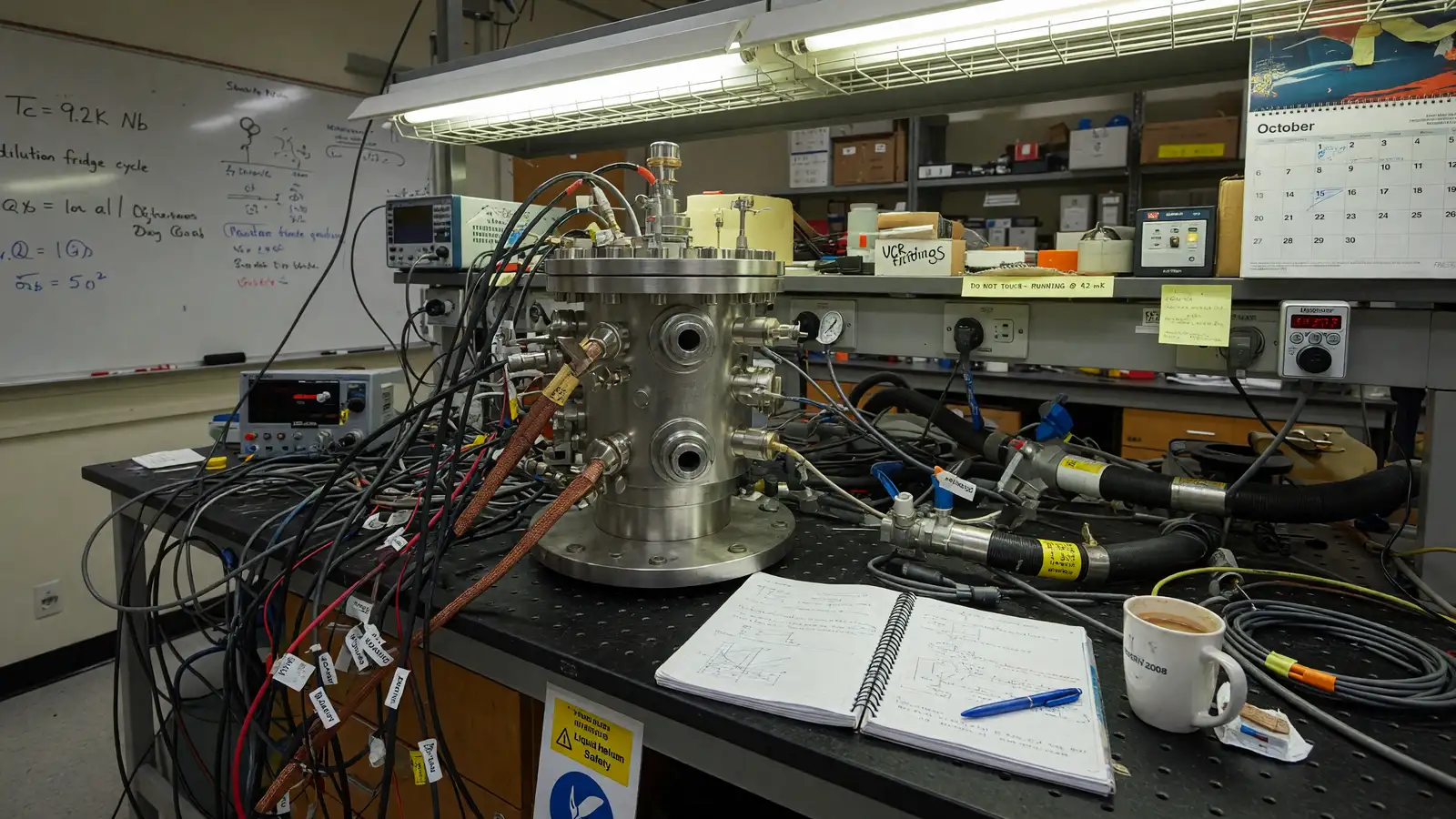
A new protocol from the University of Tokyo achieves fault-tolerant quantum computation with doubly-polylog time and polylog space complexity, representing a significant theoretical advance toward practical quantum error correction.

A consortium including Visa, Mastercard, and major banks launched a global stablecoin initiative, marking the moment when the payment card networks officially embraced blockchain-based settlement as core infrastructure.

Apple's upcoming VisionOS 27 is rumored to bring significant upgrades that address the platform's biggest adoption barriers, potentially transforming Apple Vision Pro from a developer curiosity into a mainstream computing platform.
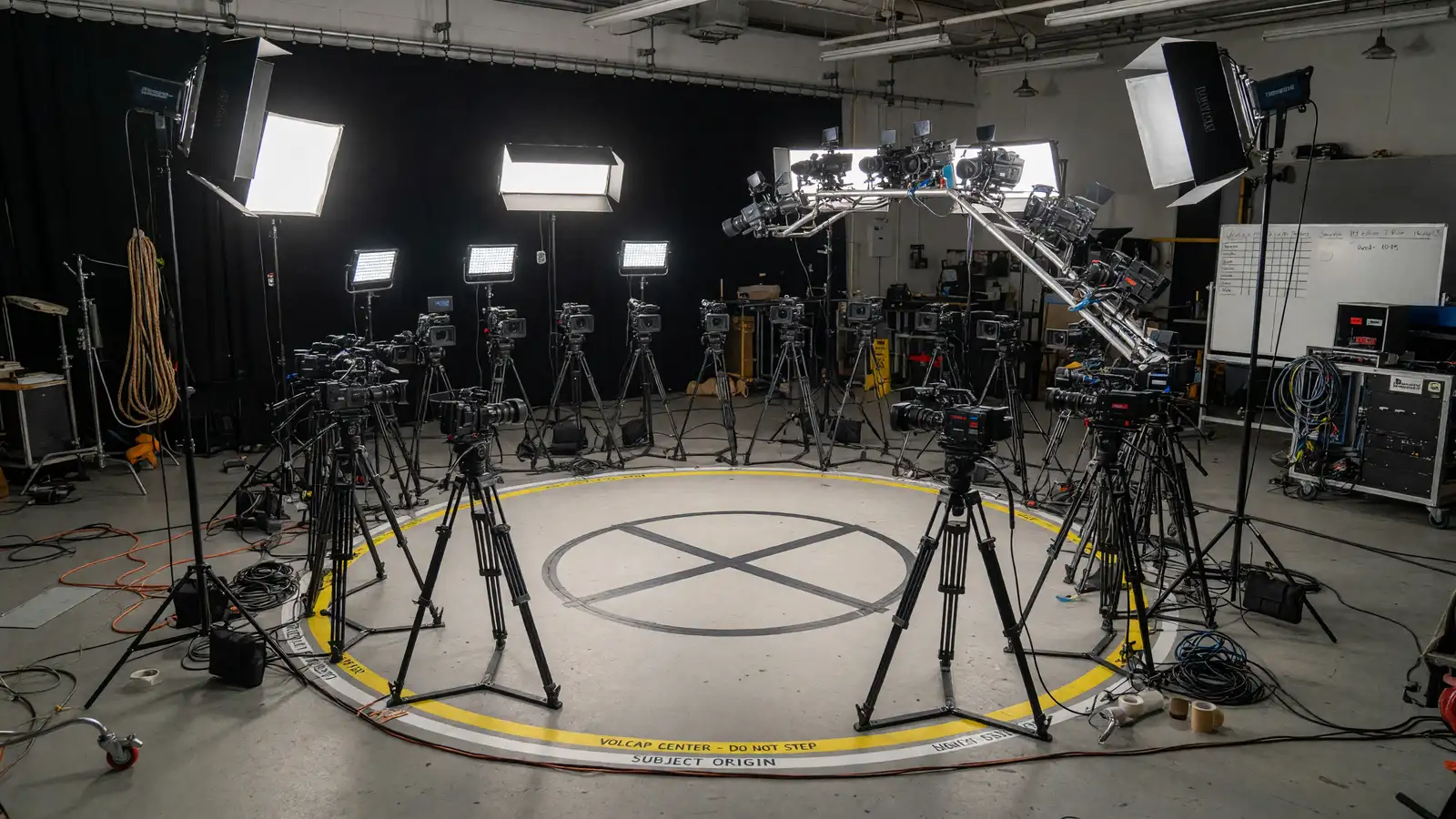
Advances in 3D spatial video and volumetric capture are enabling the creation of photorealistic digital twins of people, places, and objects — with applications spanning entertainment, education, and enterprise.
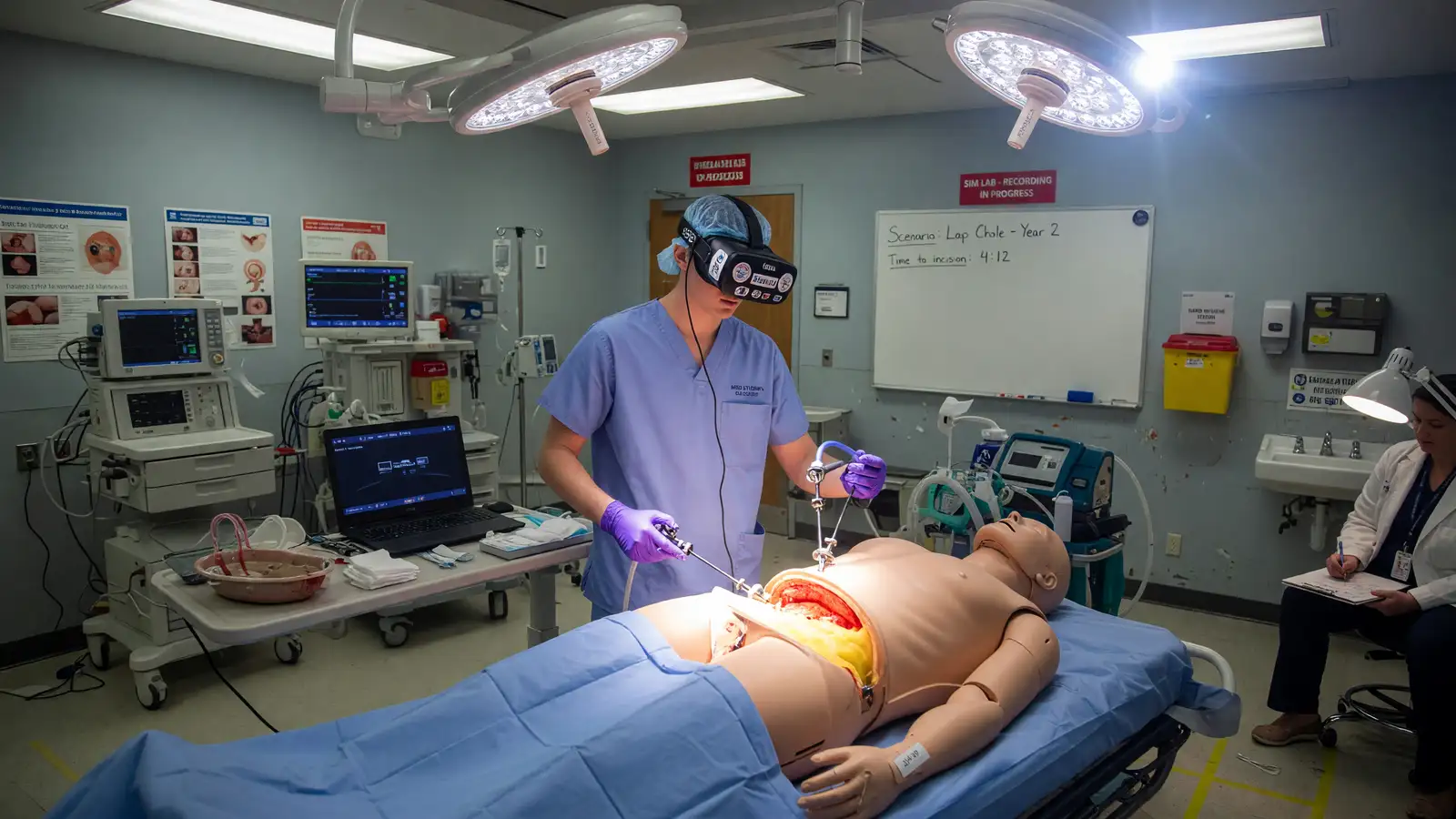
Virtual reality surgical simulation and medical training platforms are demonstrating measurable improvements in clinical outcomes, moving VR from interesting experiment to essential medical education infrastructure.
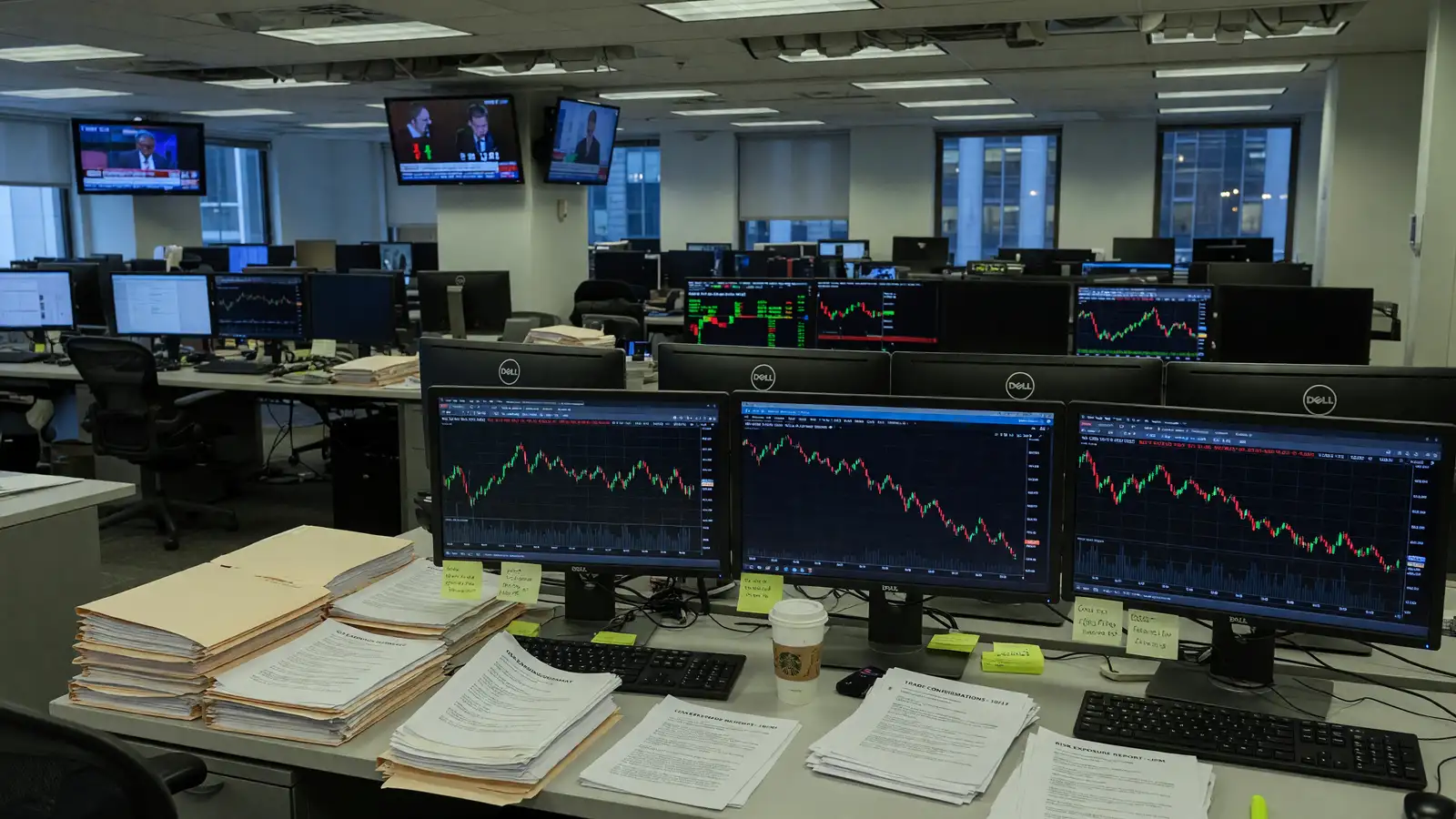
Banks and asset managers have tokenized $31 billion in real-world assets on blockchains, but most of it sits dormant — revealing a gap between the infrastructure for tokenization and the markets needed to make it useful.
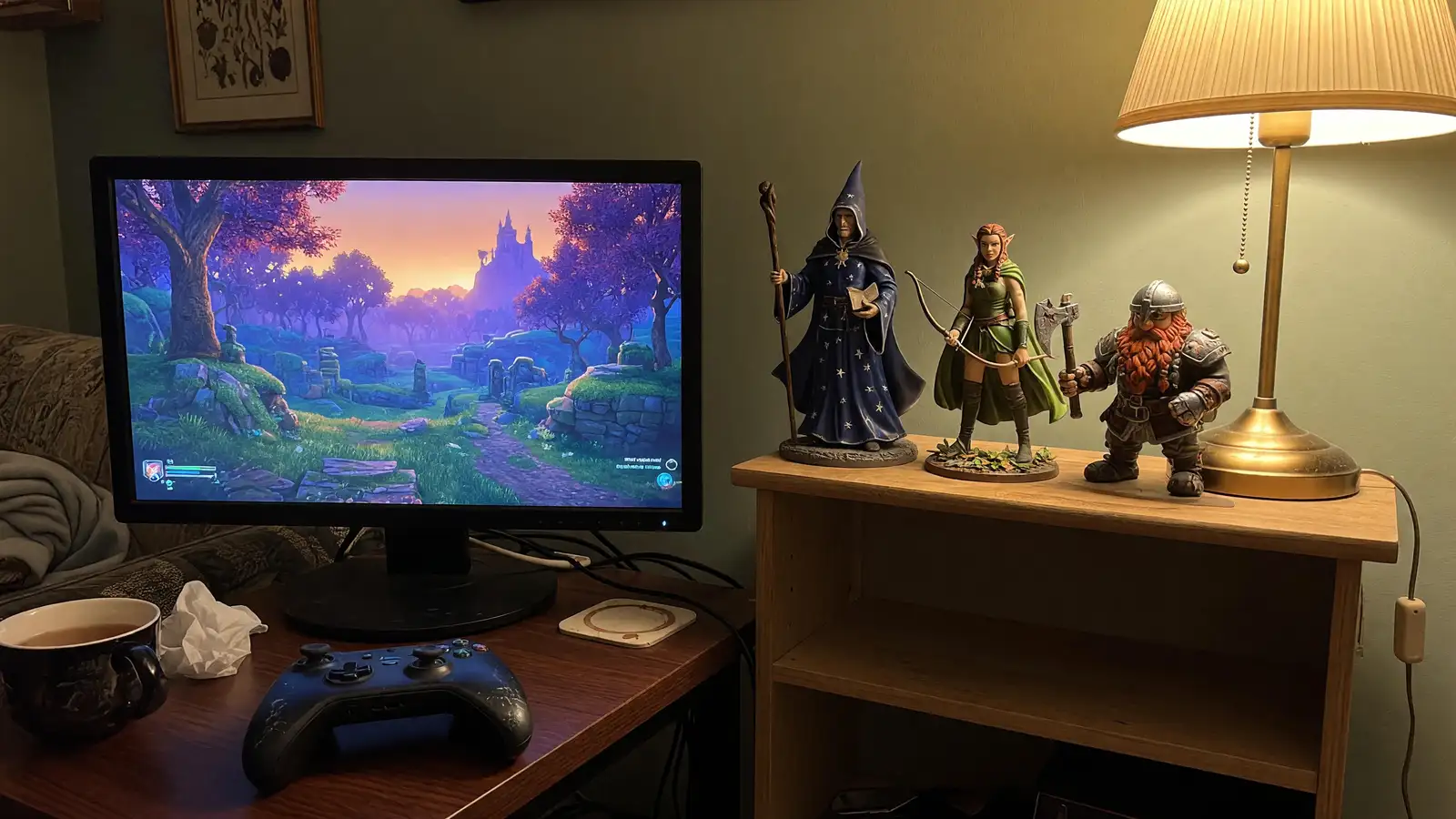
The Web3 gaming sector has survived its hype-cycle hangover and is coalescing around a sustainable model: games that are fun first and crypto-enabled second, with tokenomics designed for player engagement rather than speculation.

A new executive order dramatically accelerates the US federal government's timeline for migrating away from quantum-vulnerable encryption, compressing what was expected to be a decade-long transition into just two years.

President Trump's quantum innovation executive order establishes a comprehensive federal strategy spanning research, workforce development, and industrial application — signaling that quantum technology is now a top-tier national priority.

Physicists have extended the lifespan of magnons — tiny magnetic waves that carry quantum information — from nanoseconds to 18 microseconds, a leap that could make quantum computers as small as a penny.
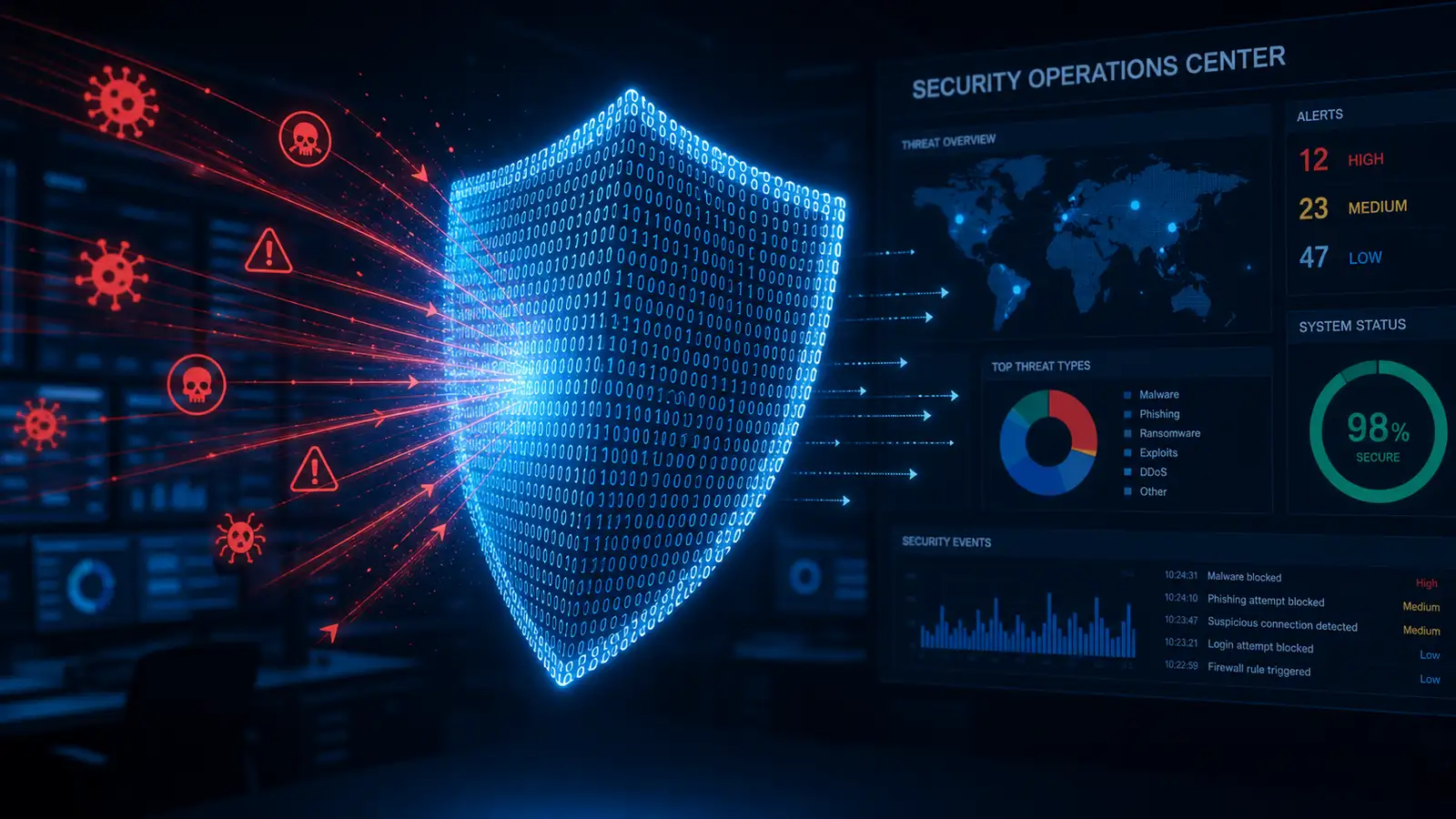
From automated phishing campaigns that pass the Turing test to AI-generated malware that mutates in real time, the cybersecurity landscape in 2026 has shifted dramatically. Here's how the defensive side is adapting.
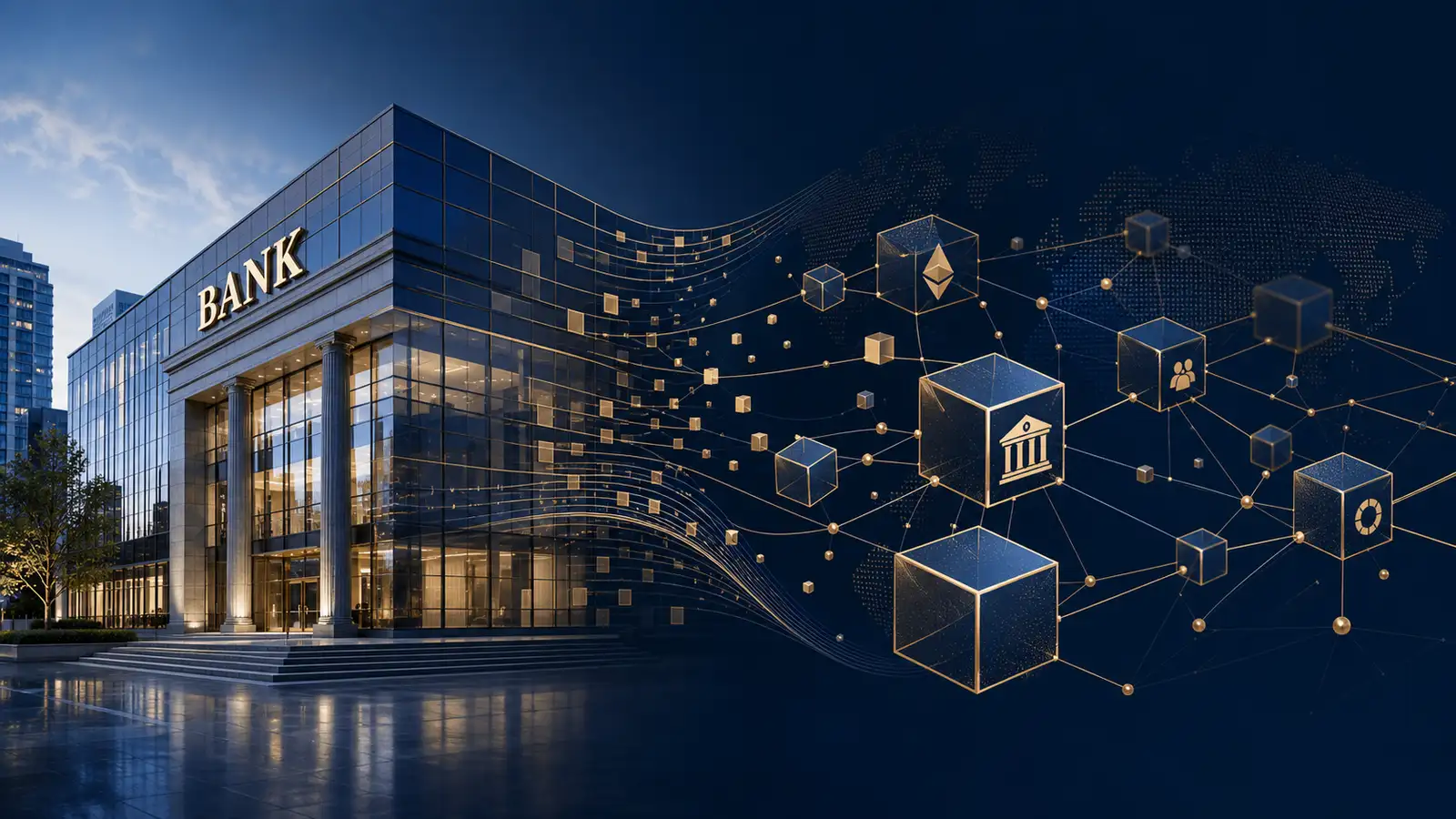
SBI Holdings is acquiring Japanese exchange Bitbank for $289M, adding 2.9 million crypto accounts and $1.1 trillion in custody. The move is part of a broader pattern: traditional finance is no longer testing Web3, it's buying in.
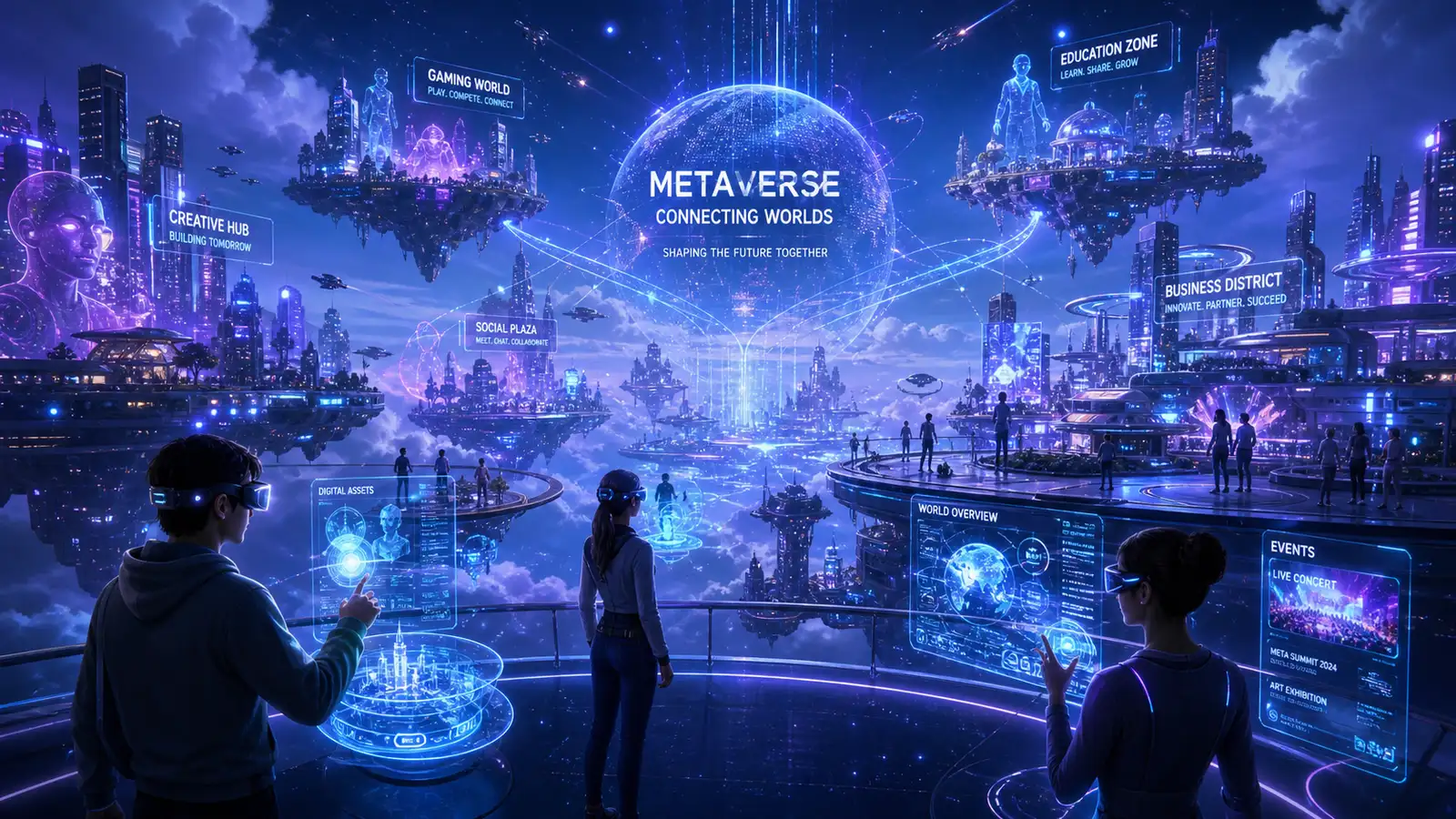
As major metaverse platforms remain walled gardens, a growing coalition of developers, standards bodies, and enterprises is pushing for open interoperability protocols that could finally connect virtual worlds into a unified digital ecosystem.
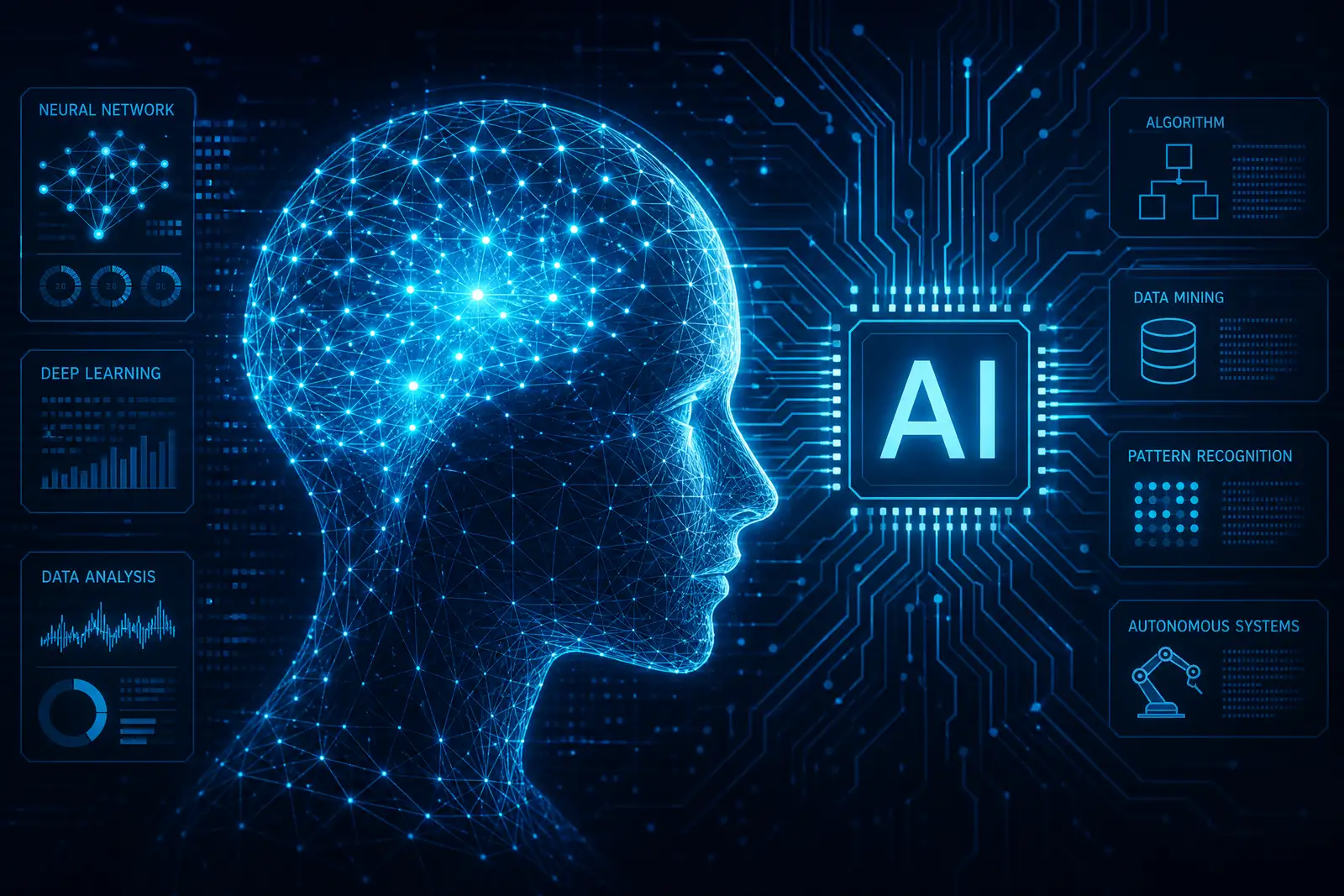
2026年中期AI技术趋势深度分析——医疗AI的监管突破、Agentic AI的程序化广告应用、以及Oracle等企业因AI驱动的 workforce 转型。
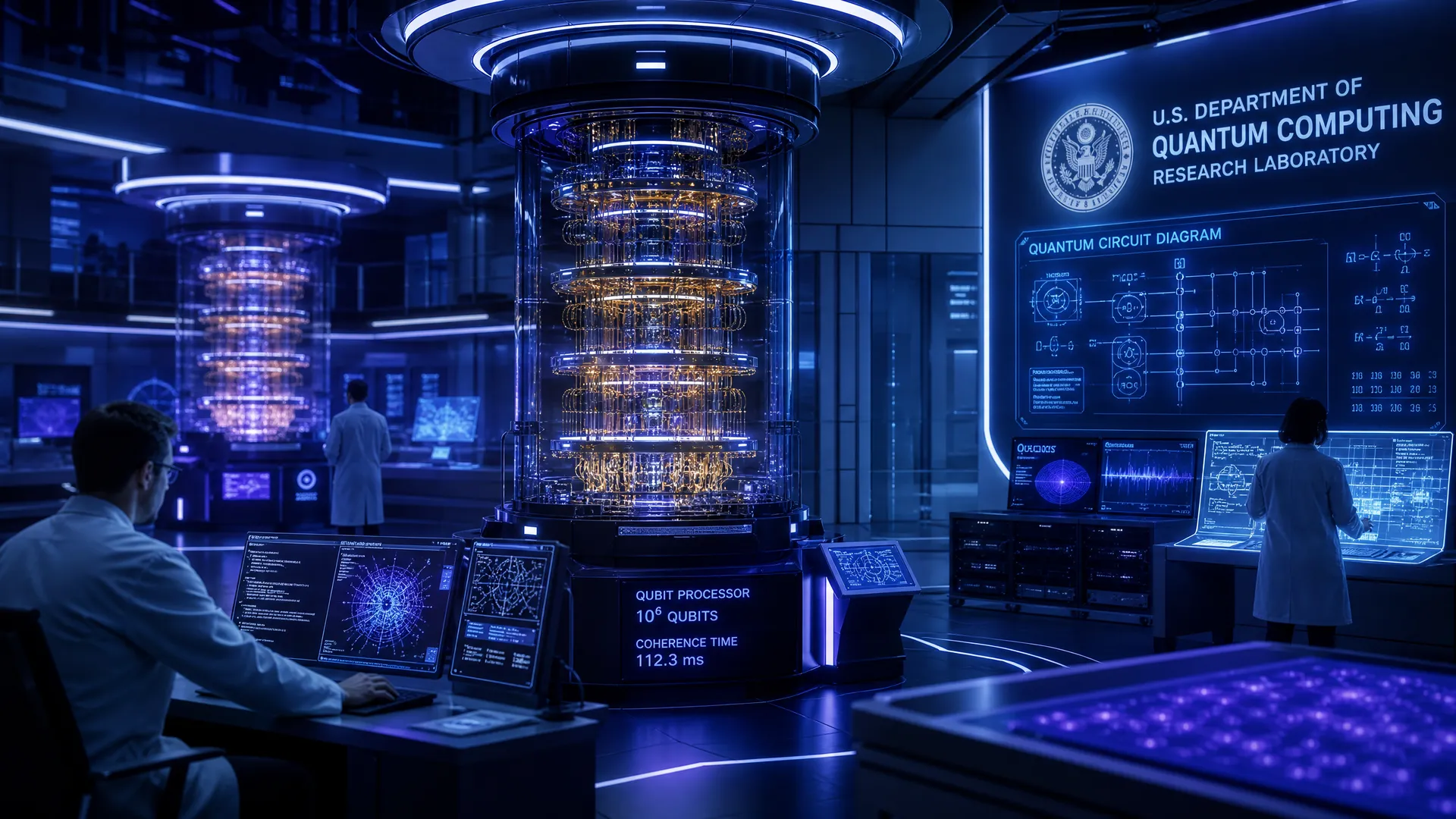
Two executive orders signed June 22 launch a national quantum computing program and mandate post-quantum cryptography adoption across federal agencies — reshaping the timeline for quantum readiness.
Amazon Web Services has rolled out a suite of new tools designed to make enterprise AI agents more reliable, secure, and effective. Combined with a broader industry shift toward multi-model agent orchestration, this signals that 2026 is the year AI agents graduate from pilot to production.
In a rare joint statement, Five Eyes signals agencies issued an urgent warning about AI-powered cyber threats, pointing to models like Anthropic's Fable as a turning point.

A 98-qubit trapped-ion quantum computer with all-to-all connectivity just dropped in Nature. Combined with Amazon's 2031-2032 commercial forecast, we're closer to practical quantum advantage than most realize.
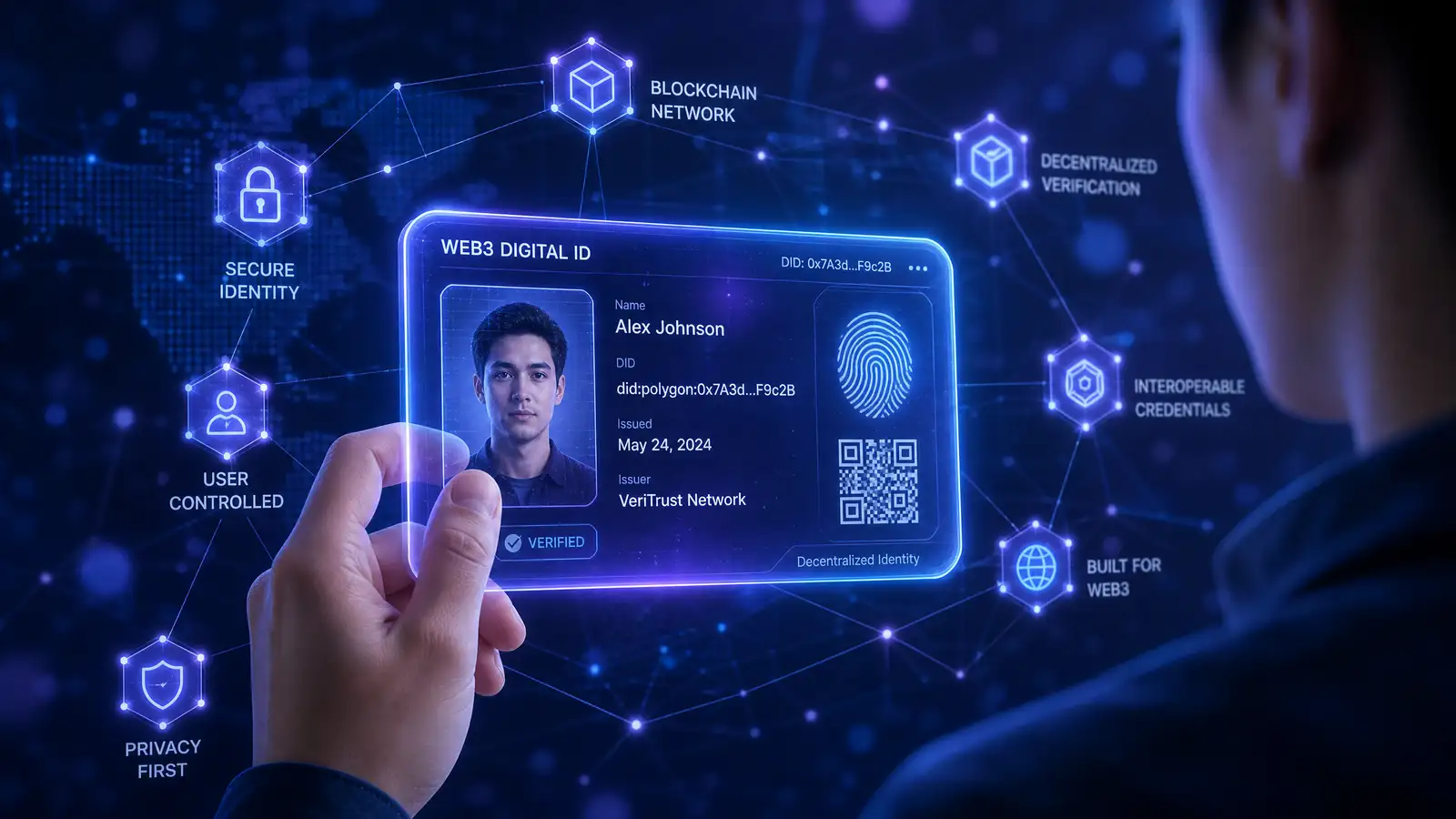
From $66M identity startups to government digital ID panels, the decentralized identity movement is reshaping how we think about digital ownership, privacy, and trust in 2026.
Two competing AR hardware launches in June 2026 signal that the glasses wars are no longer theoretical — and Meta's early lead is suddenly at risk.
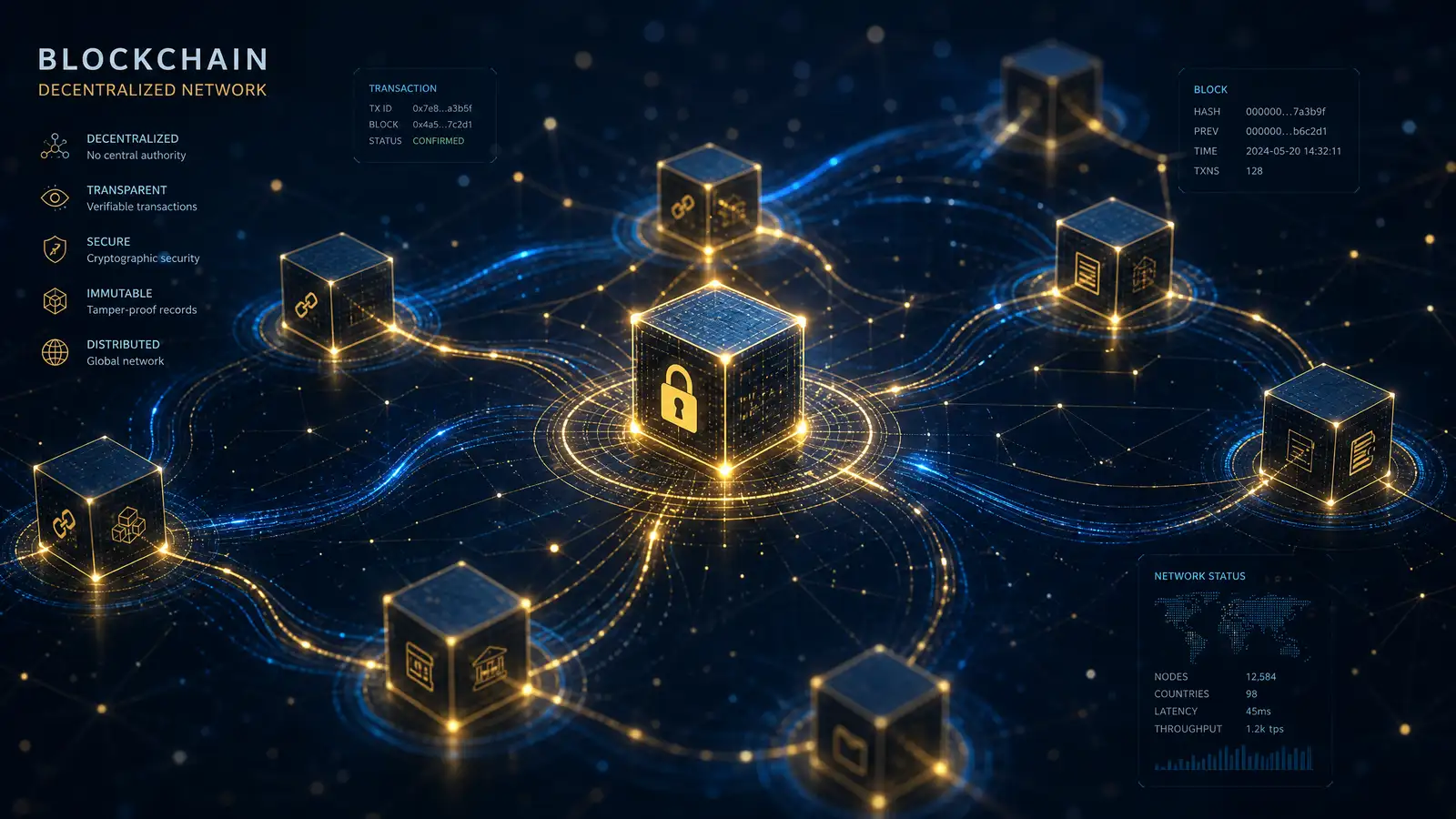
How tokenized treasury bills, real estate, and bonds are creating a new class of DeFi yield products — and why institutional capital is finally flowing into decentralized finance.

Salesforce is acquiring AI agent platform Fin for $3.6 billion, marking one of the largest AI agent deals of 2026. Here is what the acquisition tells us about where enterprise AI is heading.

Tata Consultancy Services announced a Global Premier Partnership with Anthropic. Beyond the press release jargon, this deal signals a real shift in how enterprises will deploy and scale AI in 2026.
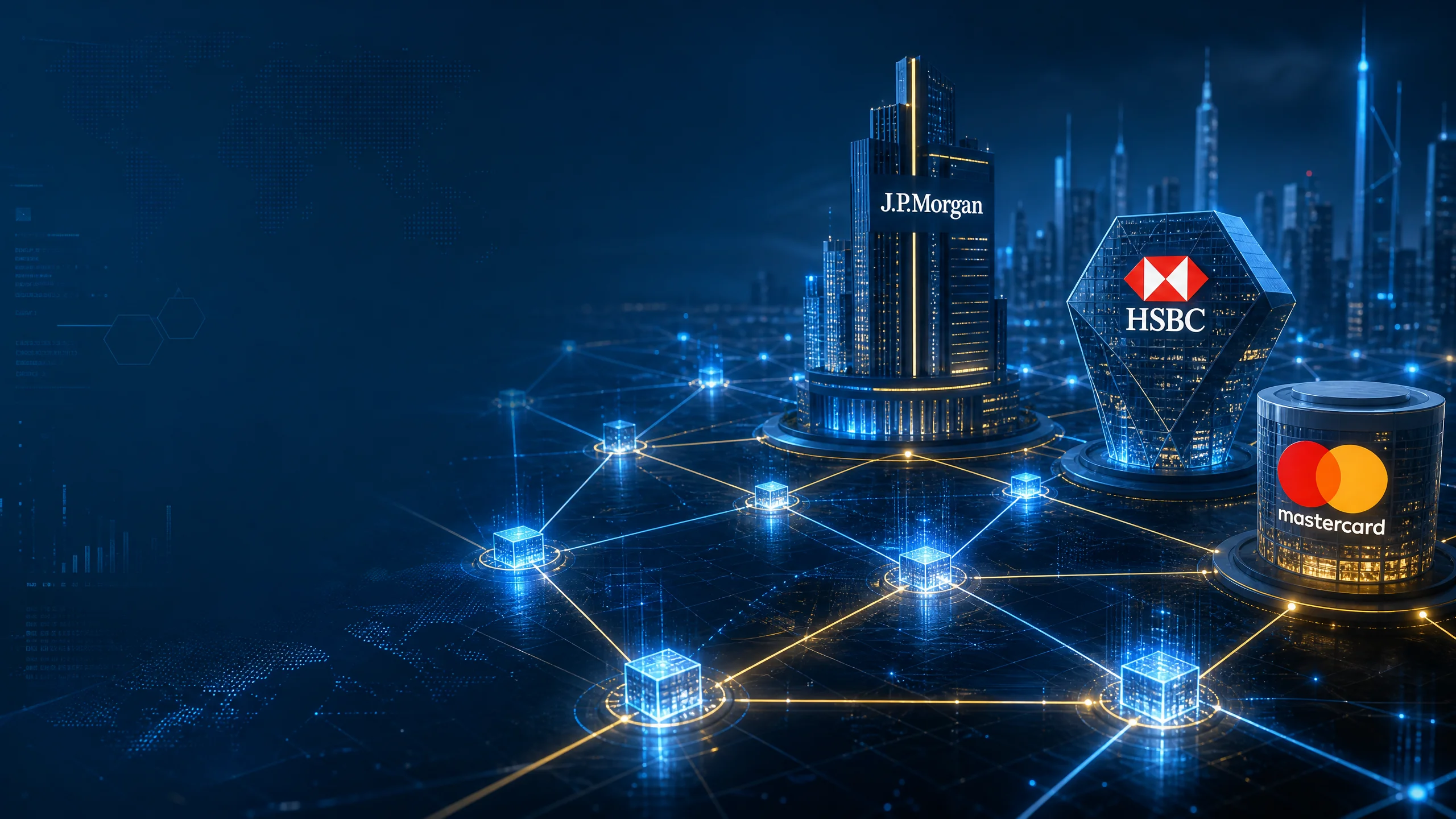
Digital Asset raised $355 million led by Andreessen Horowitz to scale its Canton Network. The 700-participant blockchain is becoming the infrastructure layer where TradFi and Web3 finally overlap.
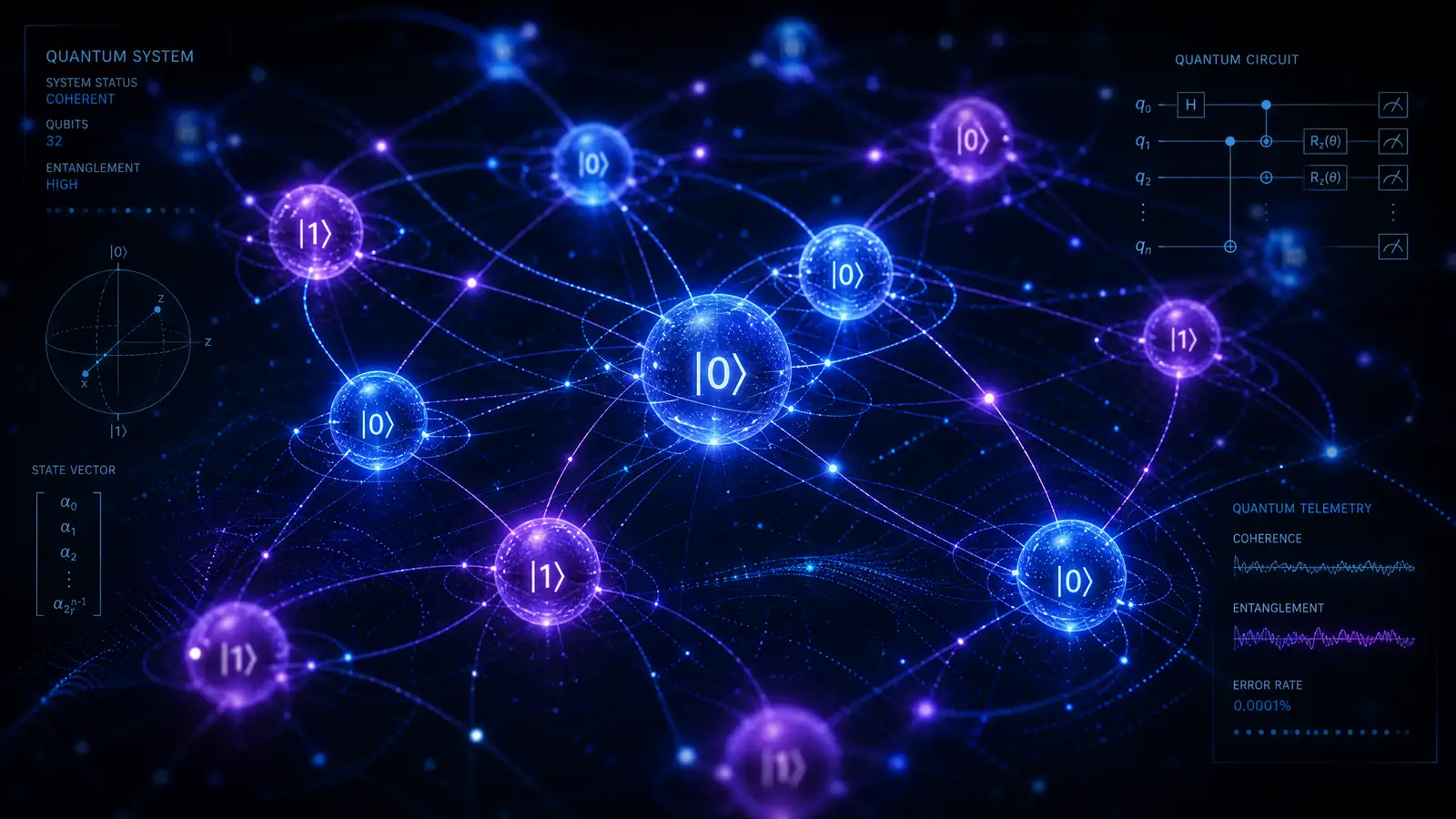
Quantum computing is no longer just a research curiosity. From battery materials to logistics optimization, here's where the technology is already delivering real-world results.

A startup's AI system named Gauss cracked an eight-dimensional sphere-packing proof in five days that mathematicians spent years on. The implications go far beyond academia.
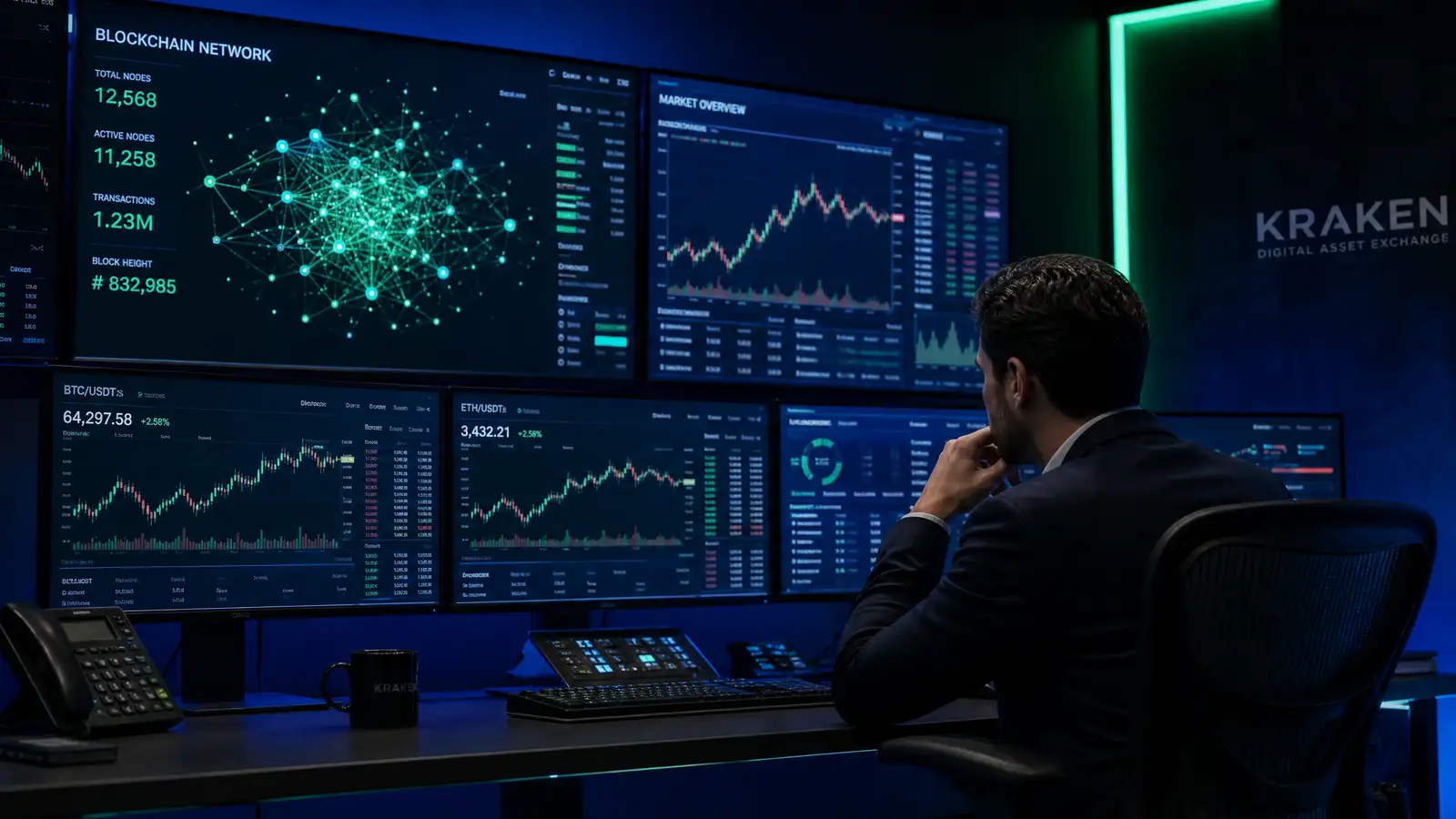
Orbs launched institutional-grade on-chain execution infrastructure after processing $2.5 billion in spot trading volume. The move signals a broader shift: DeFi protocols are no longer building for retail — they're building for trading desks.
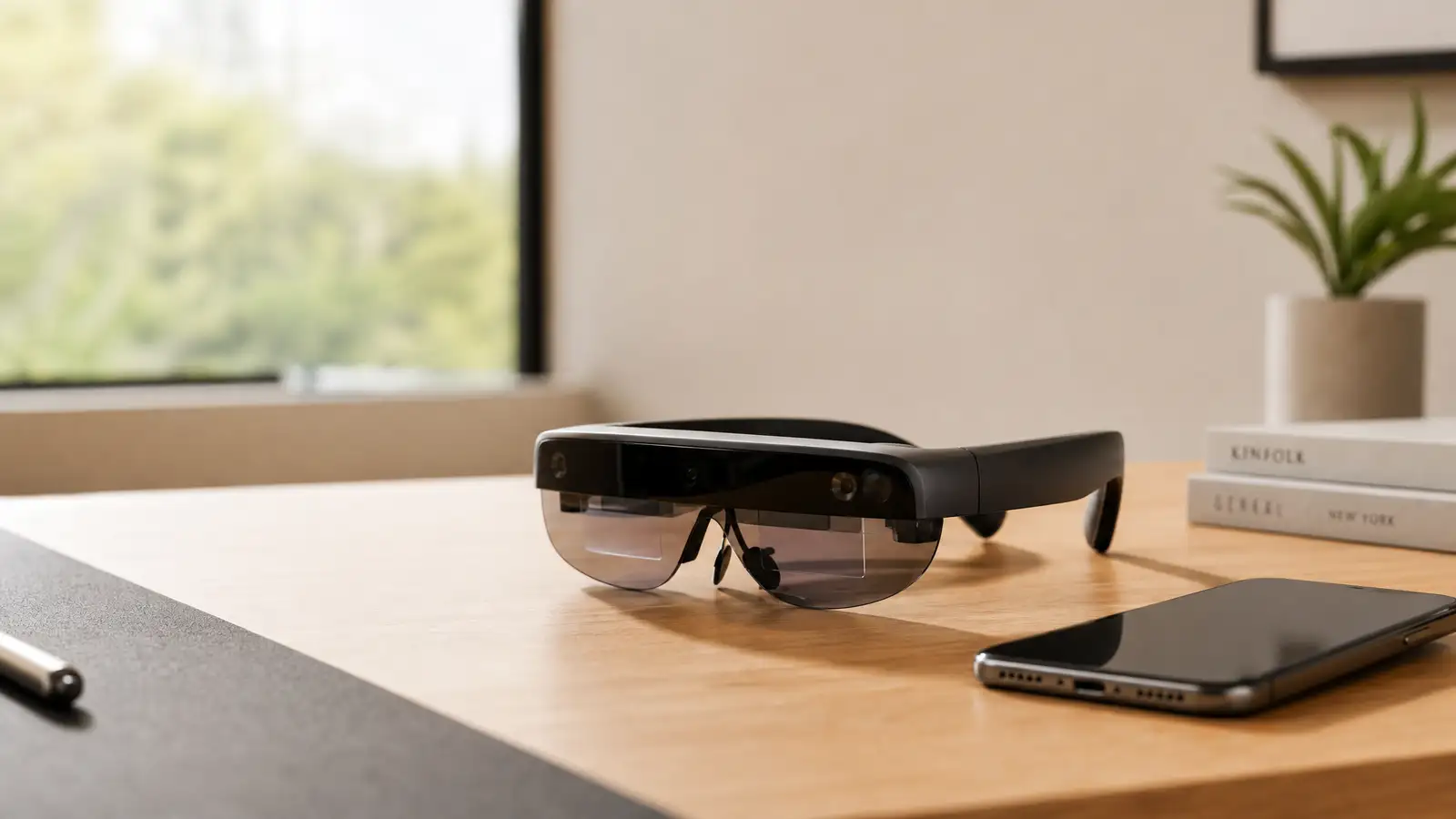
Smart glasses sales are projected to quadruple in 2026 as Meta, Google, Apple, and Snap ship real consumer devices. The question is no longer whether AR can replace your phone — it is which platform will win the race.
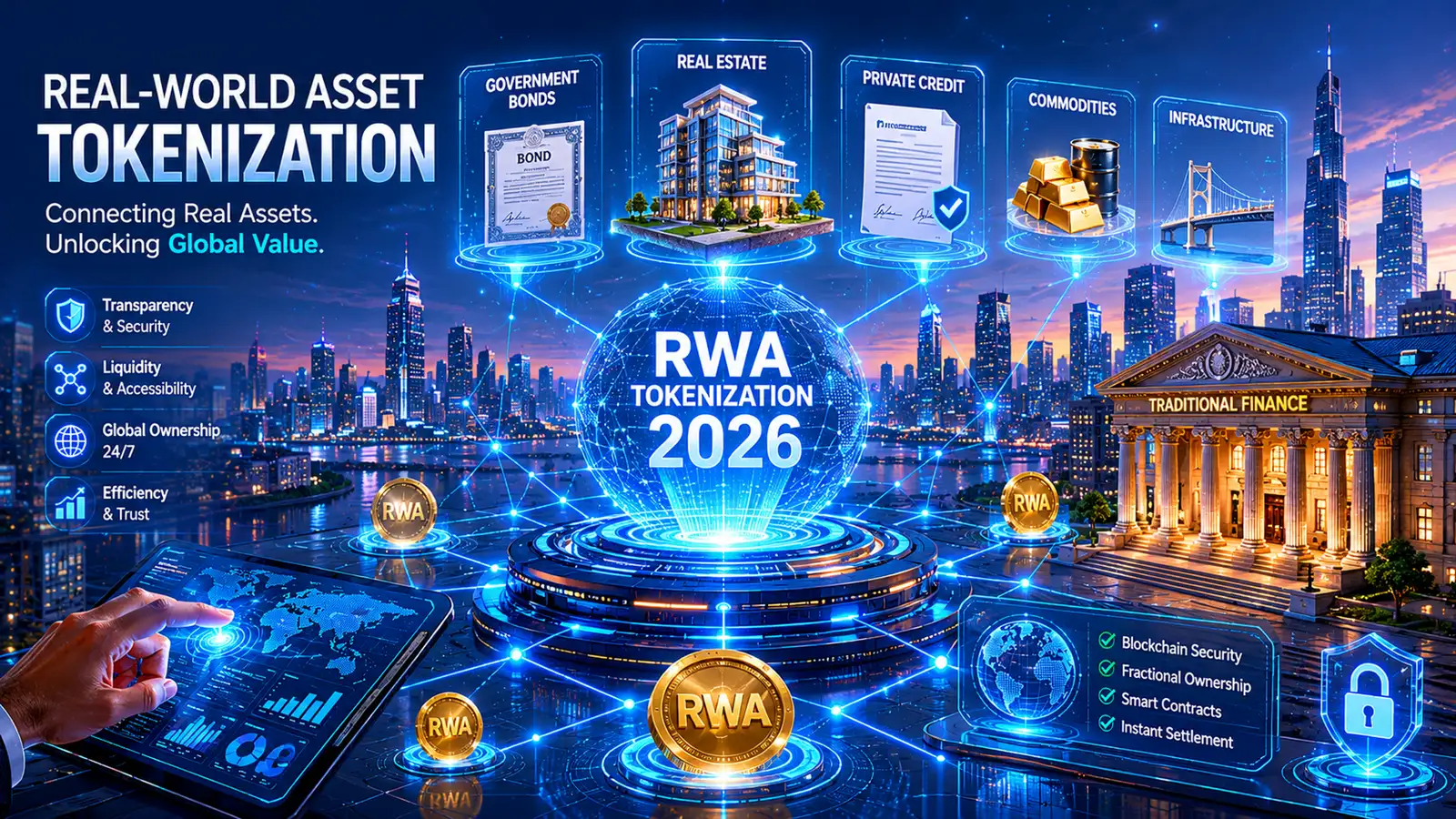
Real-world asset tokenization has crossed $26 billion on public blockchains in 2026. With BlackRock, the SEC, and major banks building the infrastructure, this is no longer a crypto experiment — it is the quiet rewiring of global capital markets.
Quantinuum's landmark Nasdaq debut marks a turning point for quantum computing. With $1.68 billion raised and a $15 billion valuation, the trapped-ion pioneer is bringing quantum from the lab to the boardroom.
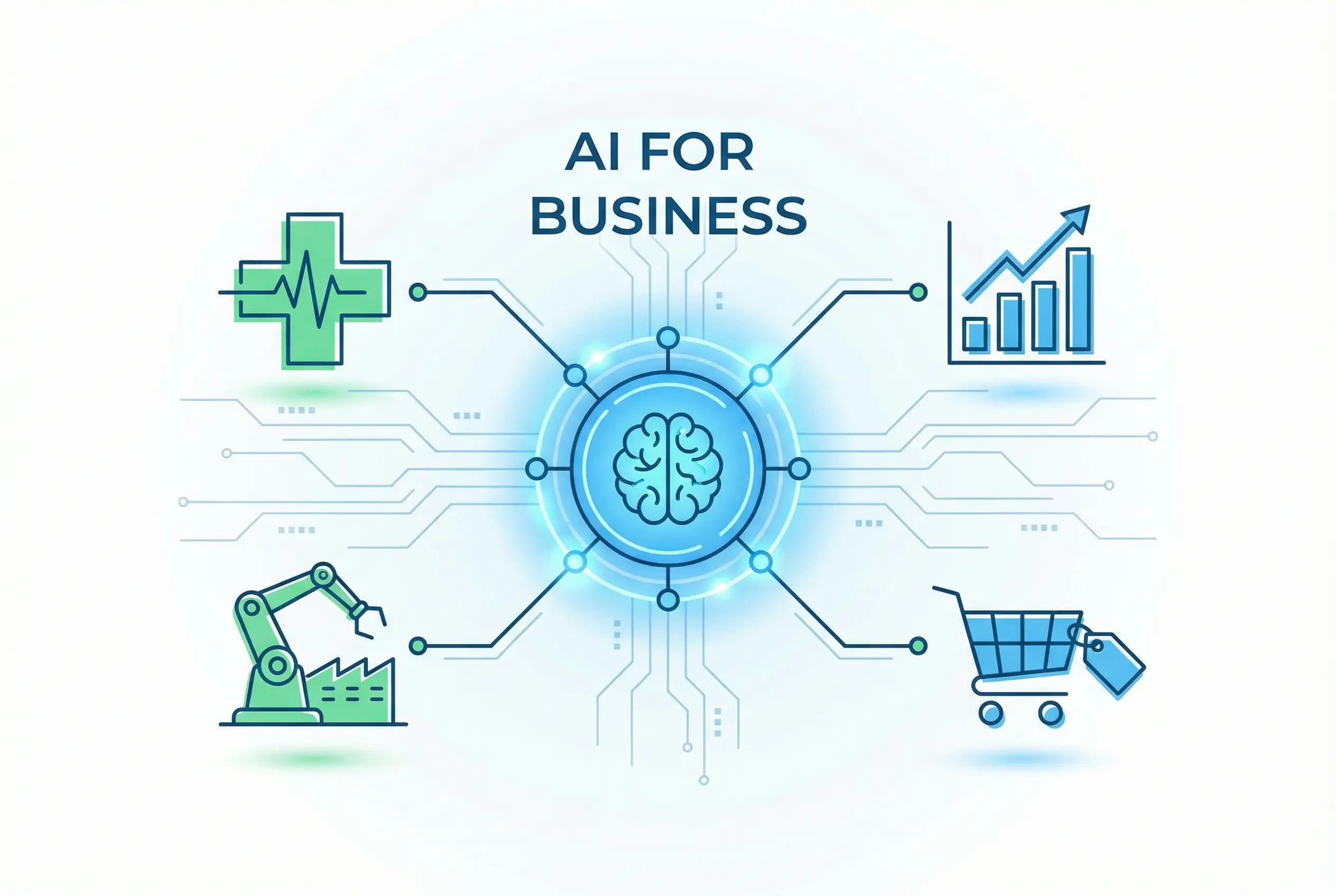
Explore the most impactful AI applications across healthcare, finance, manufacturing, retail, and more. Discover real-world use cases driving business value in 2026.
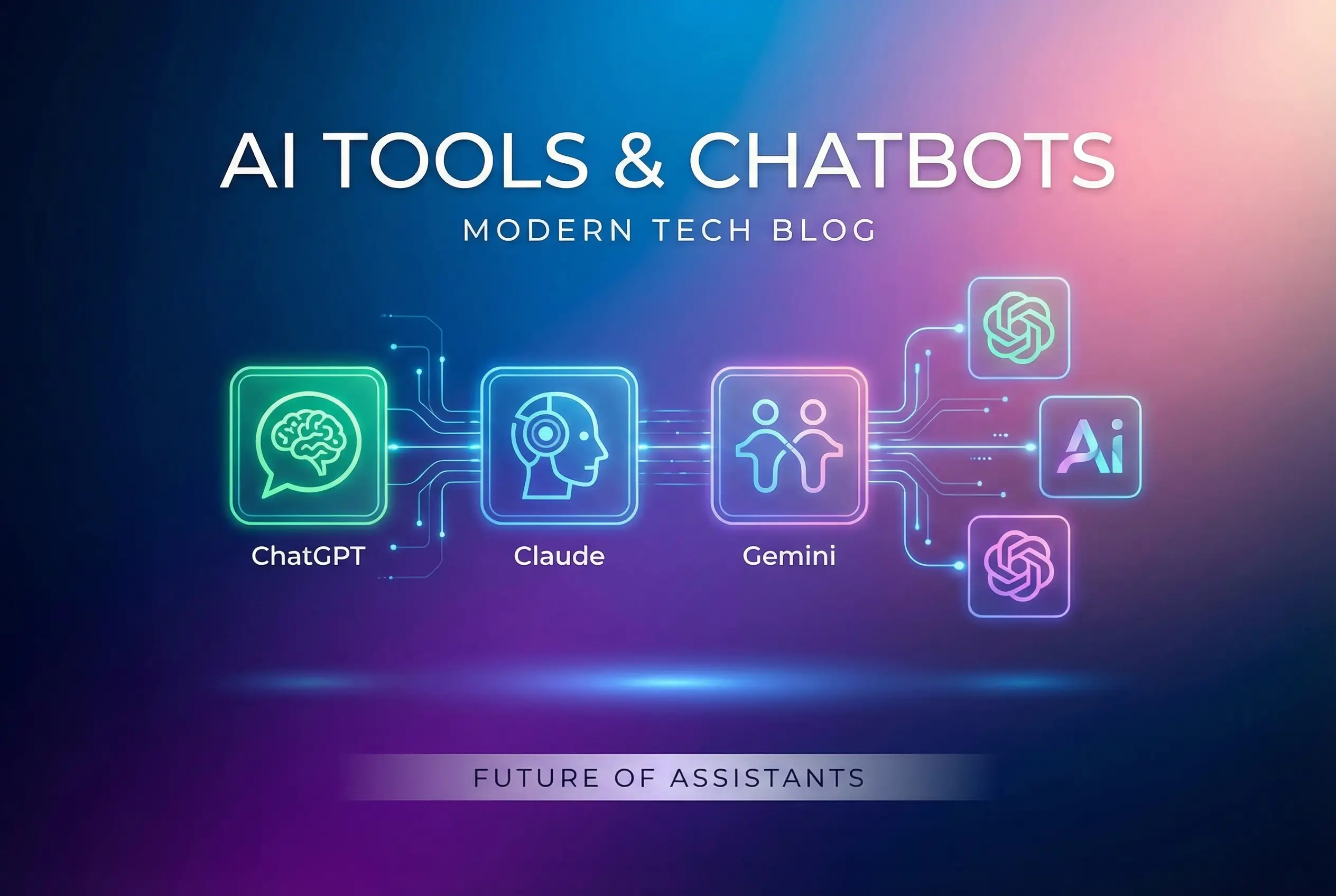
Discover the top AI tools of 2026, from ChatGPT and Claude to emerging platforms. Learn which tools excel at coding, writing, research, and creative work.
Discover how agentic AI is transforming enterprise automation in 2026. Learn about autonomous agents, multi-step workflows, and the future of human-AI collaboration.
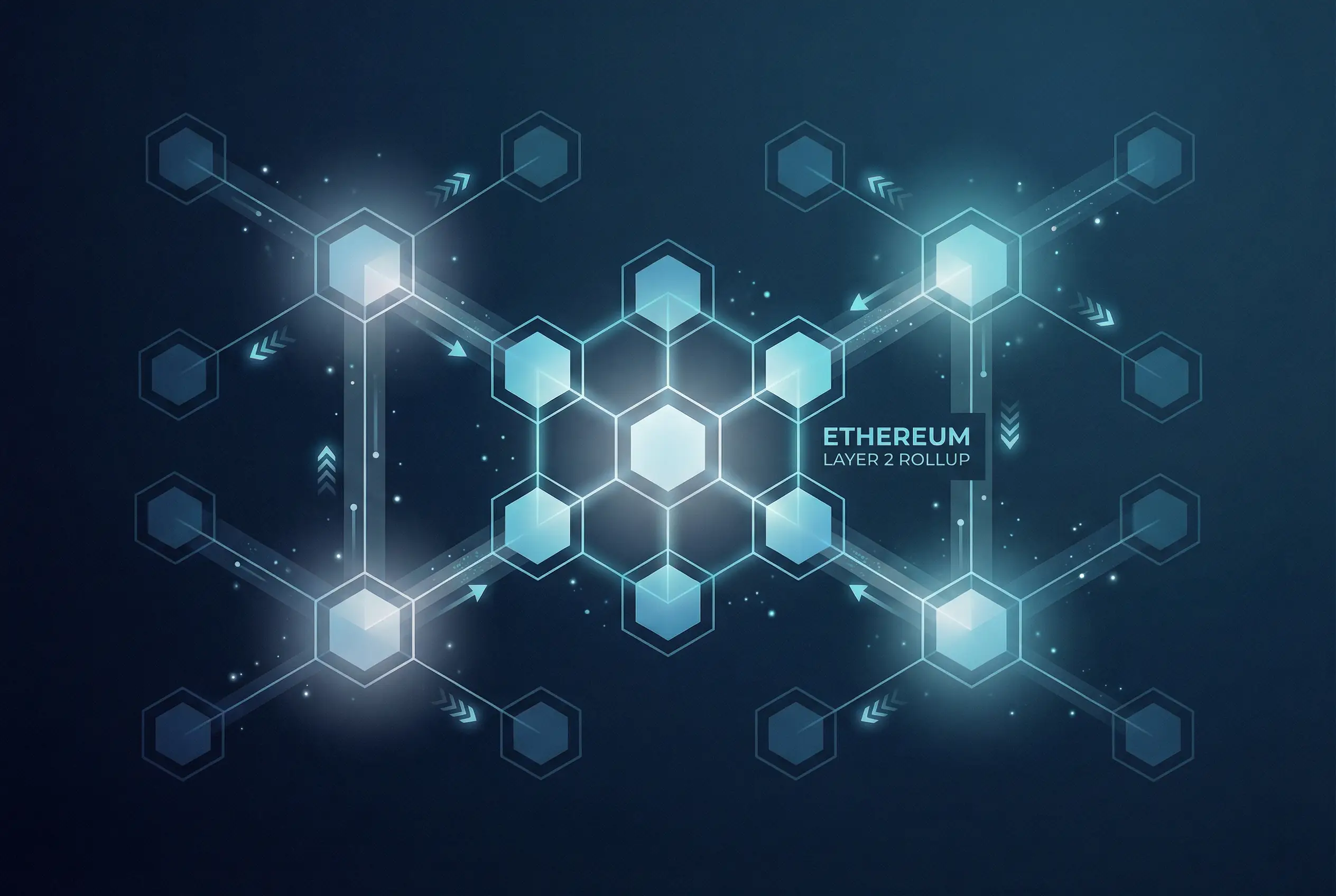
Layer 2 solutions process millions of transactions daily at a fraction of mainnet costs. Explore how rollups achieved what was once thought impossible and what comes next.

Explore how modular blockchains are transforming the crypto ecosystem in 2026. Learn about Celestia, Cosmos, and the shift from monolithic to modular architecture.

Explore the latest breakthroughs in quantum computing commercialization. Learn how IBM, Google, and startups are bringing quantum technology to businesses in 2026.

Google achieved error-corrected quantum computation with logical qubits. Explore what this means for practical quantum advantage and the road ahead.

Discover Samsung's upcoming AR glasses and how they compare to Apple Vision Pro. Learn about the future of wearable augmented reality in 2026.
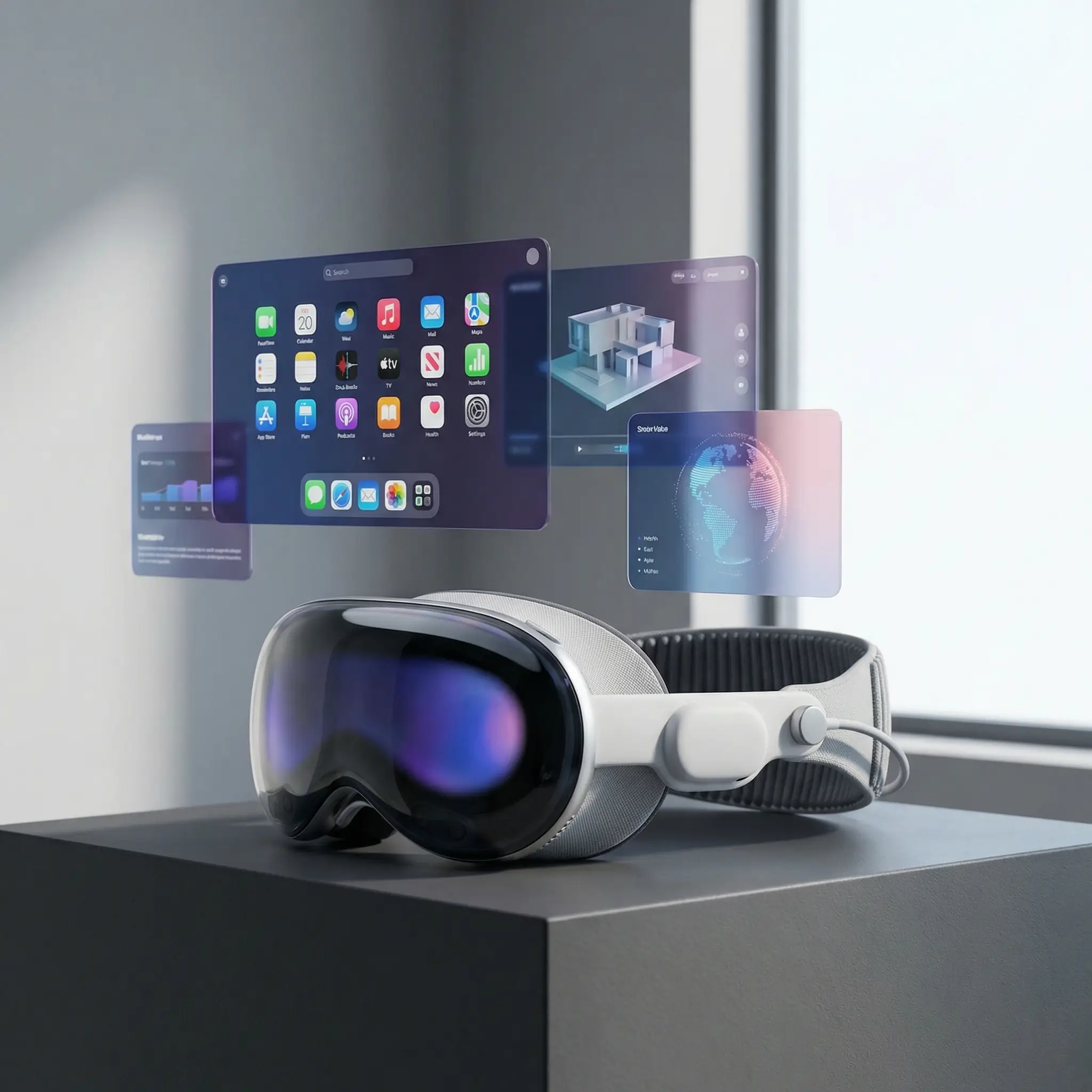
Apple's latest visionOS update transforms Vision Pro from a curiosity into a productivity tool. Explore the new shared experiences, volumetric APIs, and what this means for enterprise adoption.
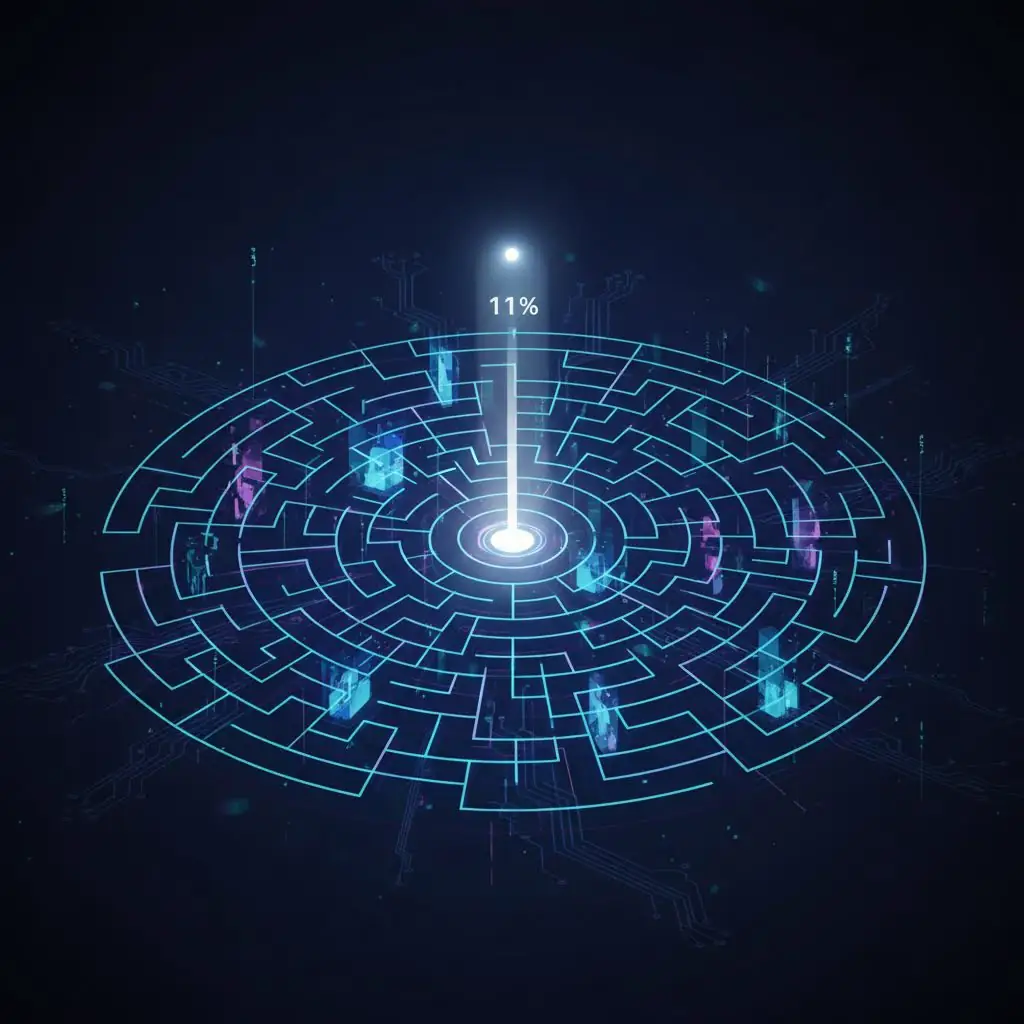
Only 11% of AI agents reach production. Explore the critical challenges causing 89% failure rate and discover proven strategies to build production-ready autonomous agents.
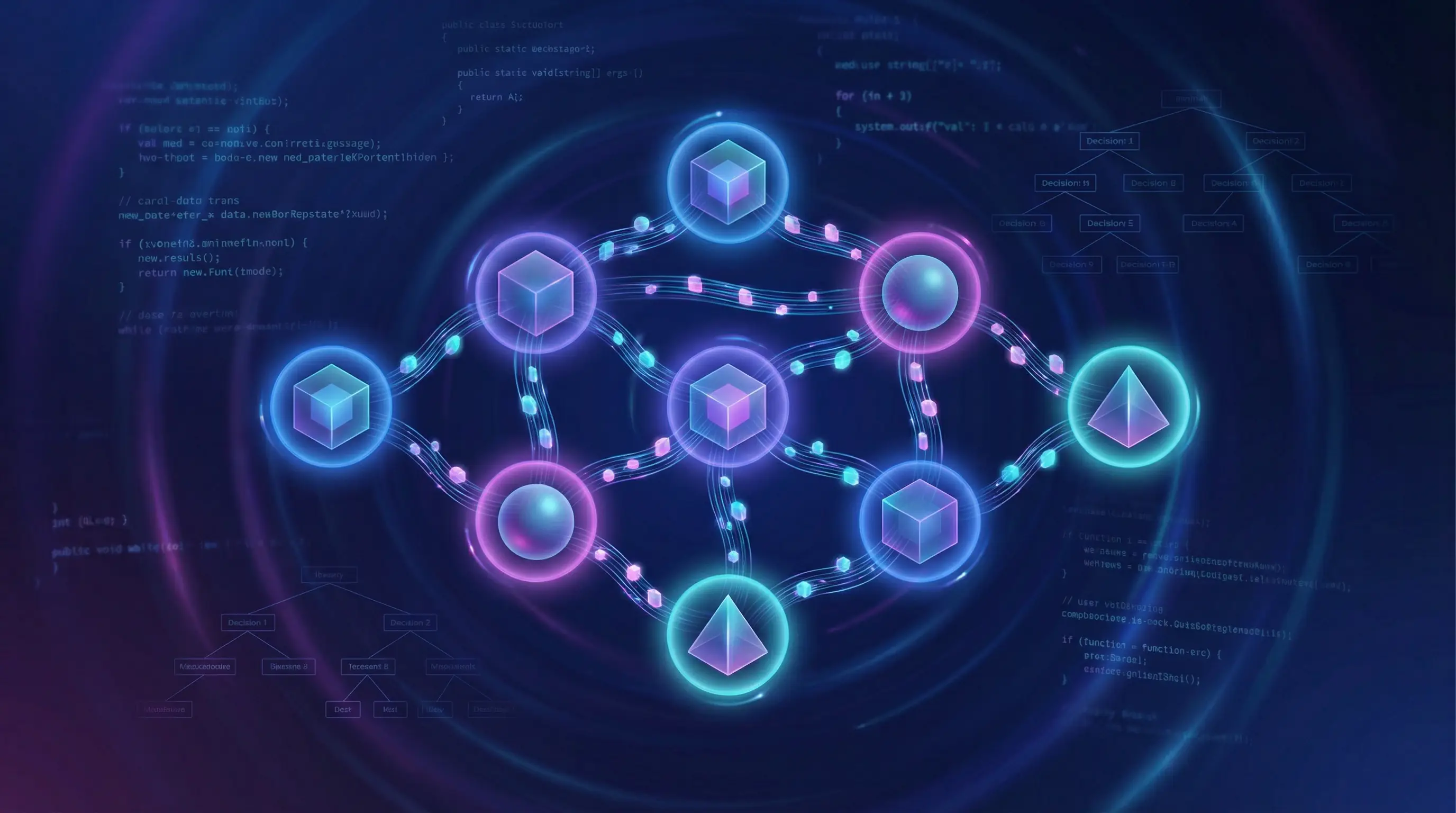
Discover how agentic AI and autonomous agents are transforming enterprise operations in 2026. Learn to build multi-agent systems with practical examples and frameworks.
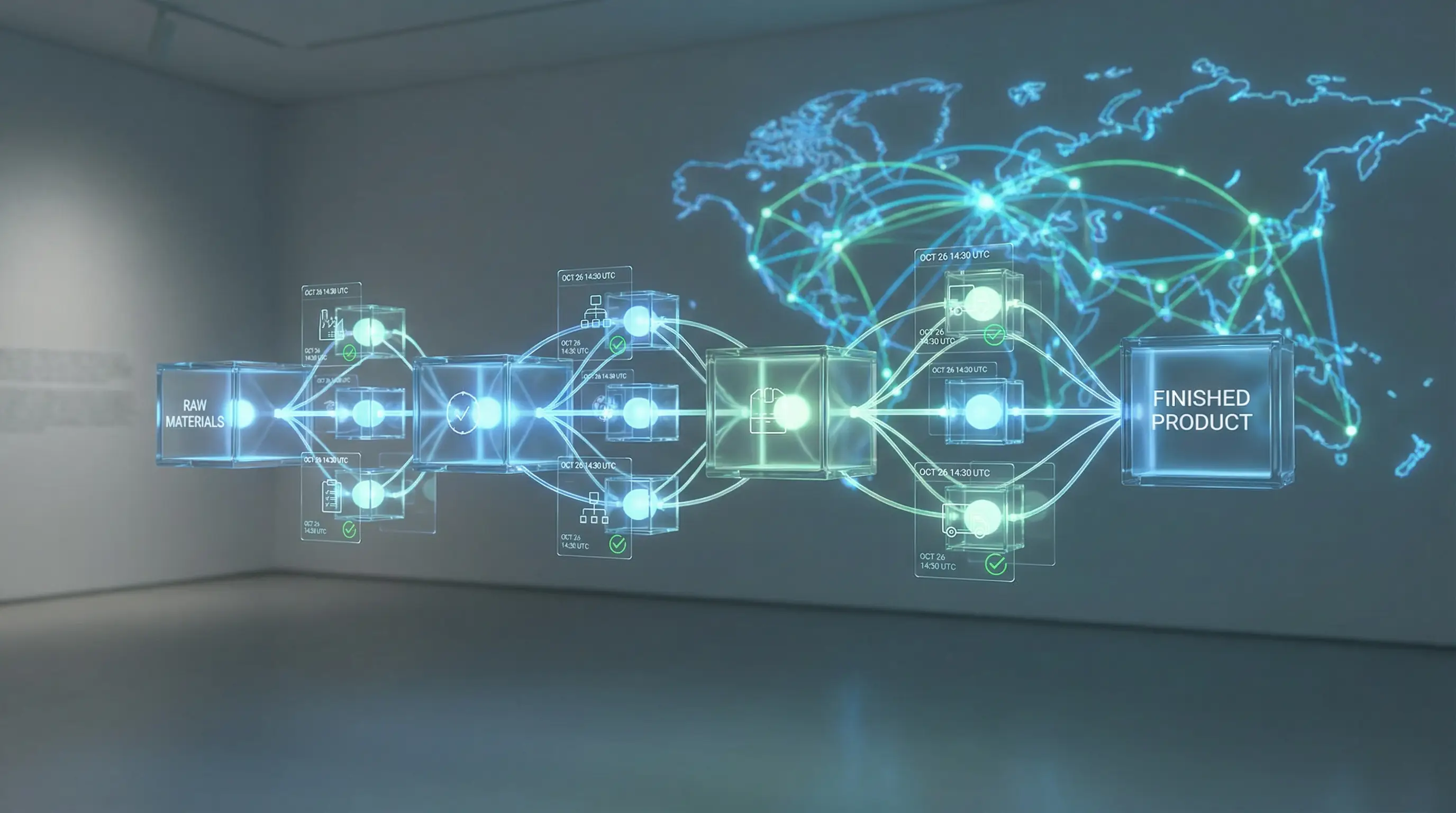
Learn how blockchain technology transforms supply chain transparency and traceability through real case studies from Walmart, Maersk, and pharma leaders.
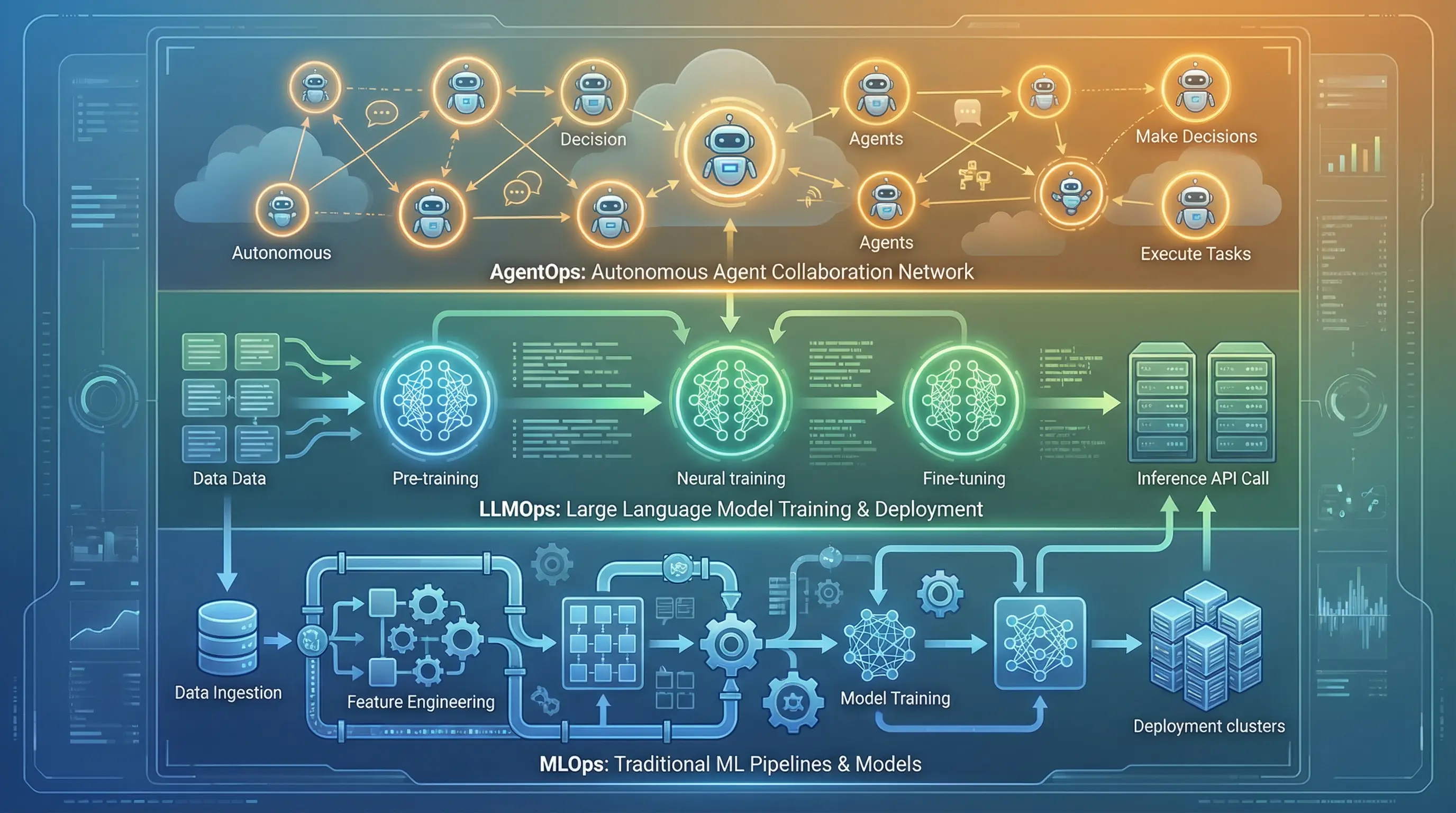
Explore the evolution from MLOps to LLMOps and AgentOps. Learn when to use each framework, their key differences, and practical implementation strategies for AI operations.
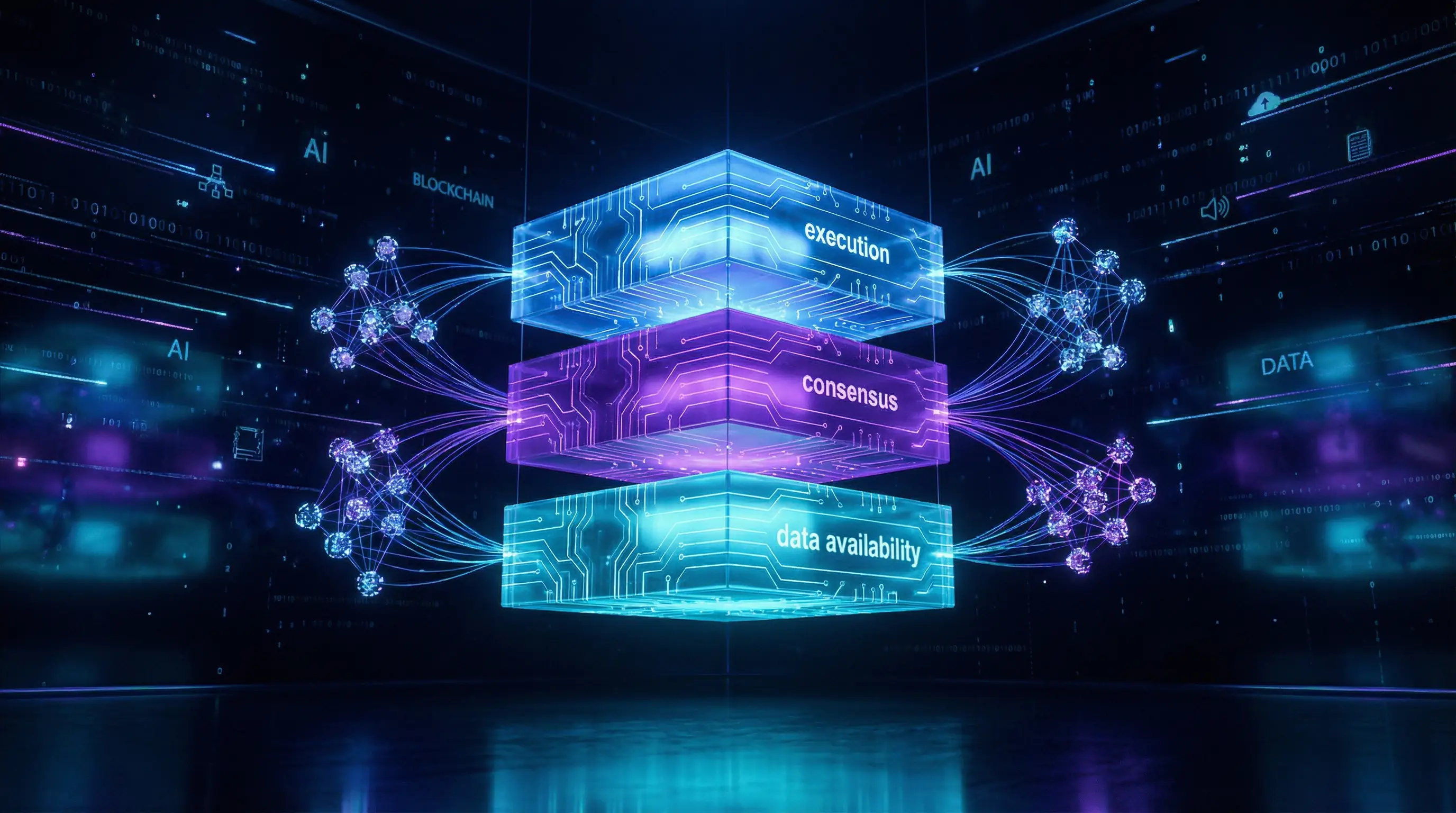
Explore how modular blockchain architecture and decentralized AI are converging to reshape Web3, enabling scalable infrastructure and intelligent autonomous systems.
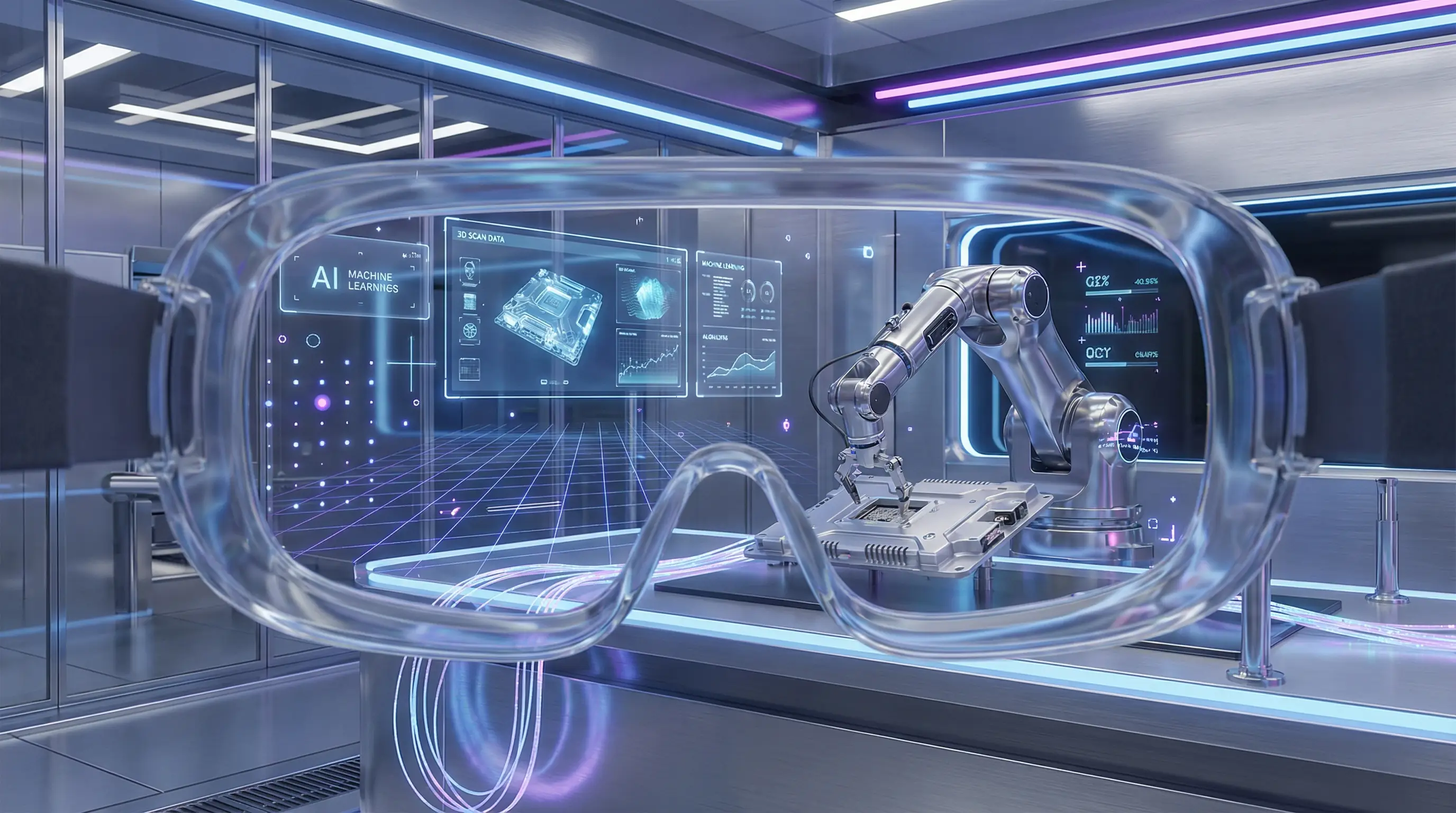
How Physical AI and spatial computing converge to transform VR, AR, and MR into enterprise tools, reshaping manufacturing, healthcare, and beyond.

Learn how RWA tokenization bridges the gap between DeFi and traditional finance, enabling fractional ownership and enhanced liquidity for real-world assets.
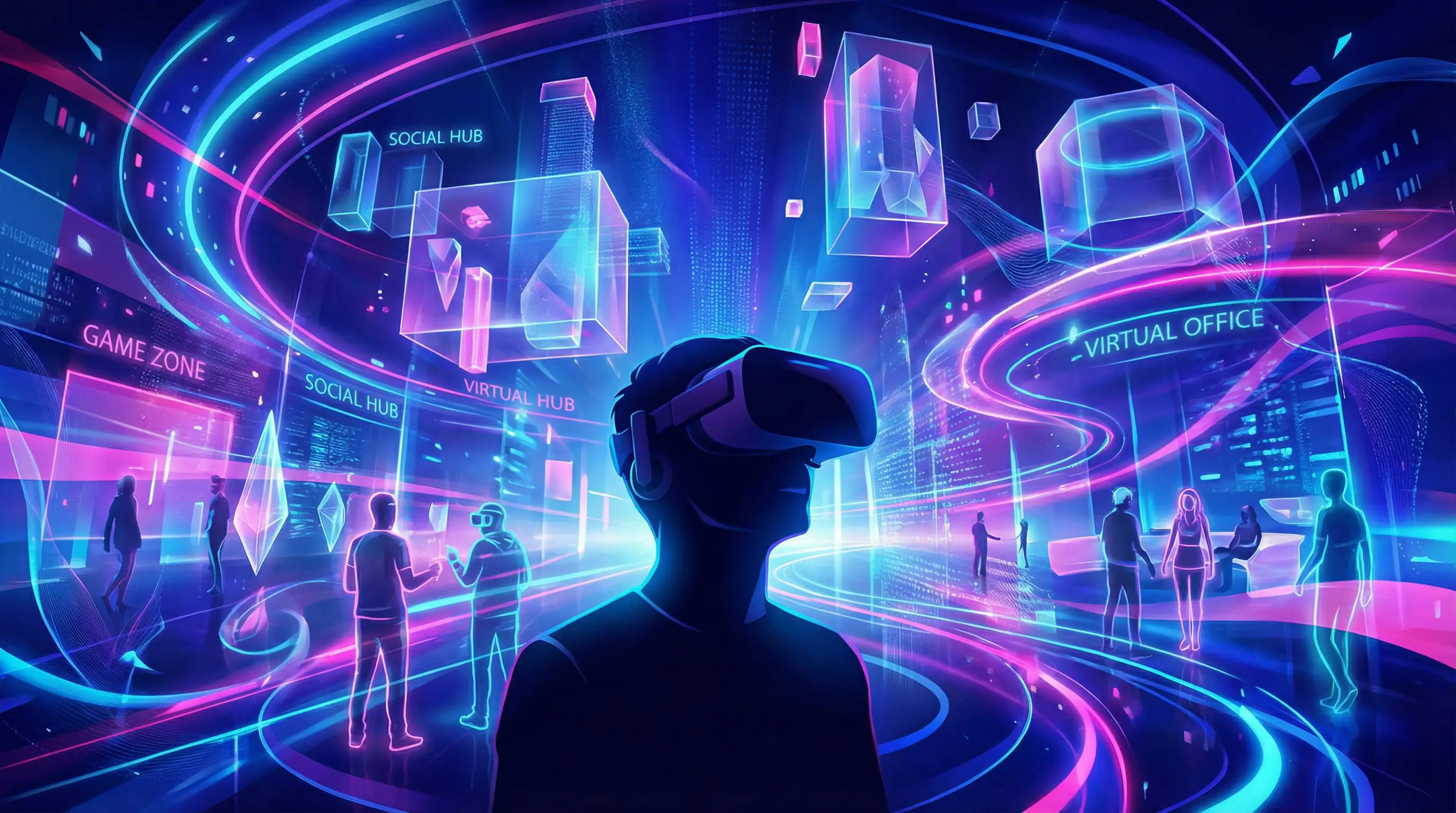
Exploring the metaverse concept, virtual reality technologies, and the future of immersive digital experiences that blend physical and virtual realities

Understanding smart contracts, their role in blockchain technology, and how they're revolutionizing digital agreements and decentralized systems
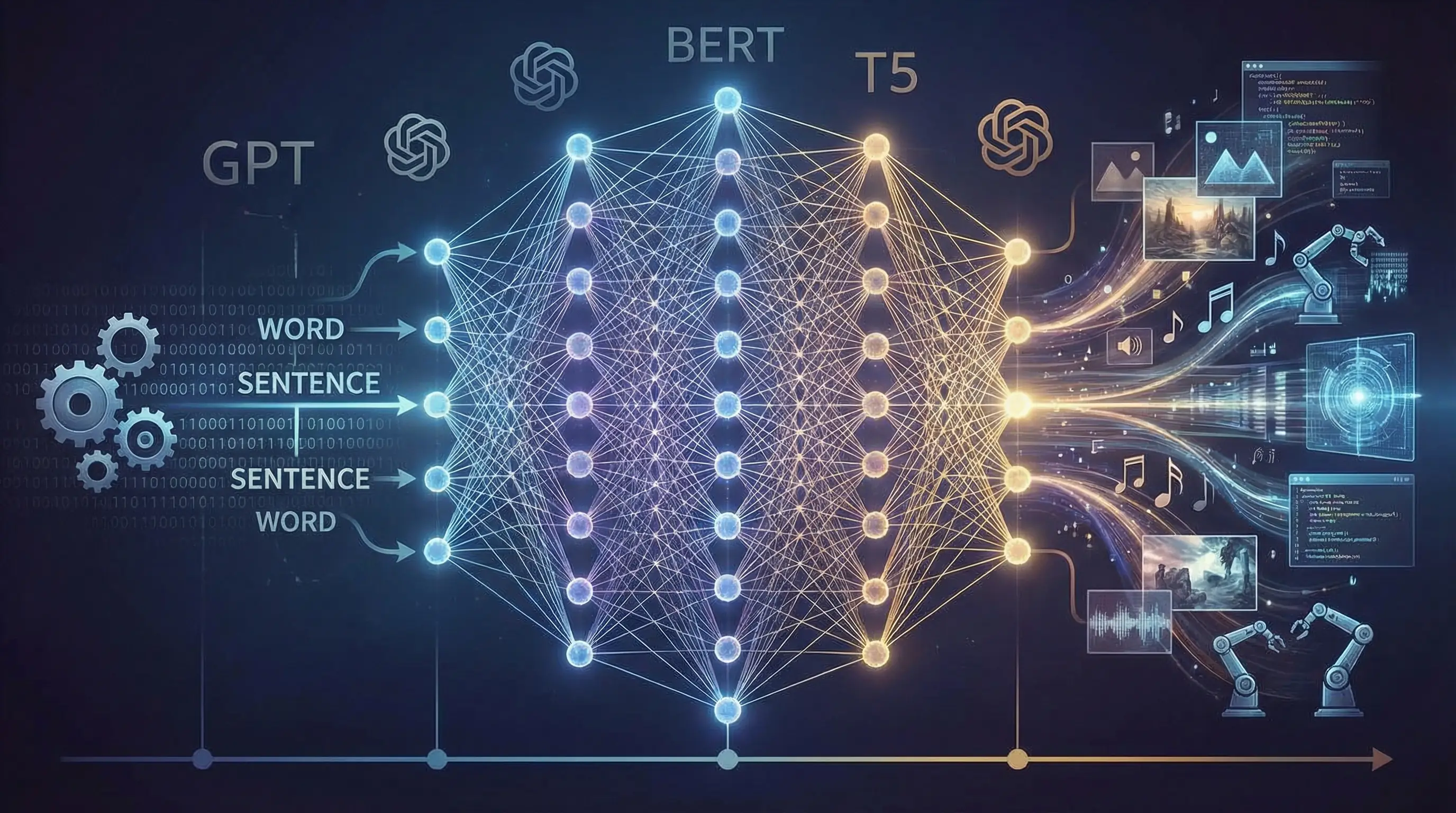
Explore the rapid advancement of large language models, their architecture, capabilities, and the future of multimodal artificial intelligence