DeepSeek's $7 Billion Raise Shows China Is Closing the Open-Source AI Gap

While Silicon Valley and Paris have dominated recent AI funding headlines, a tectonic shift is underway in the East. DeepSeek, the Hangzhou-based AI research lab that burst onto the global stage with its surprisingly capable and cost-efficient models, is reportedly raising $7 billion in what would be one of the largest AI funding rounds ever completed outside the United States.
The DeepSeek Phenomenon
DeepSeek first gained widespread attention in late 2024 when its DeepSeek-V2 model demonstrated that world-class AI performance could be achieved at a fraction of the training cost of comparable Western models. By early 2025, DeepSeek-R1 had matched or exceeded GPT-4 class performance on several benchmarks while being released under a permissive open-source license.
The company’s efficiency-first approach — using mixture-of-experts architectures and innovative training methodologies — has reframed the conversation about what is possible with constrained compute resources. In an era when leading American labs measure their training runs in hundreds of millions of dollars, DeepSeek has consistently delivered competitive results at an order of magnitude lower cost.
The $7 Billion Round in Context
The reported $7 billion raise, first covered by Axios, would place DeepSeek among the world’s most valuable private AI companies. While specific investors have not been publicly disclosed, the sheer scale suggests participation from Chinese sovereign wealth funds, major technology conglomerates, and possibly international strategic investors seeking exposure to China’s AI ecosystem. The round comes at a moment of unusual alignment between Chinese government priorities and global market demand.
Open-Source as Geopolitical Strategy
DeepSeek’s commitment to open-source development carries geopolitical implications. By releasing models under permissive licenses, DeepSeek ensures its technology can be adopted globally regardless of trade restrictions or technology export controls. This approach mirrors a pattern China has successfully employed in other technology domains: build competitive products, release them openly, and let developer adoption create a self-reinforcing ecosystem. For AI, the model that developers build upon today shapes the applications and workflows of tomorrow.
Enterprise Implications
For enterprise technology leaders, DeepSeek’s rise complicates an already complex vendor landscape. Organizations standardized on American AI providers now face pressure from European alternatives like Mistral for GDPR-friendly deployment, while Chinese models like DeepSeek provide cost advantages difficult to ignore. The practical question for CIOs is increasingly not “which model is best?” but “how do we build infrastructure that can switch between models as the competitive landscape evolves?” This shift toward model-agnostic AI infrastructure may be the most durable legacy of the open-source AI movement.
What Comes Next
The DeepSeek raise, combined with Mistral’s reported €3 billion round in Europe, paints a picture of an AI industry rapidly diversifying beyond its initial American center of gravity. The next phase of competition will play out not in benchmark scores but in enterprise adoption metrics: which models are running in production, powering customer-facing applications, and generating measurable business value. The message from Hangzhou is clear: the open-source AI race is global, and China intends to compete at the highest level.
Related Articles
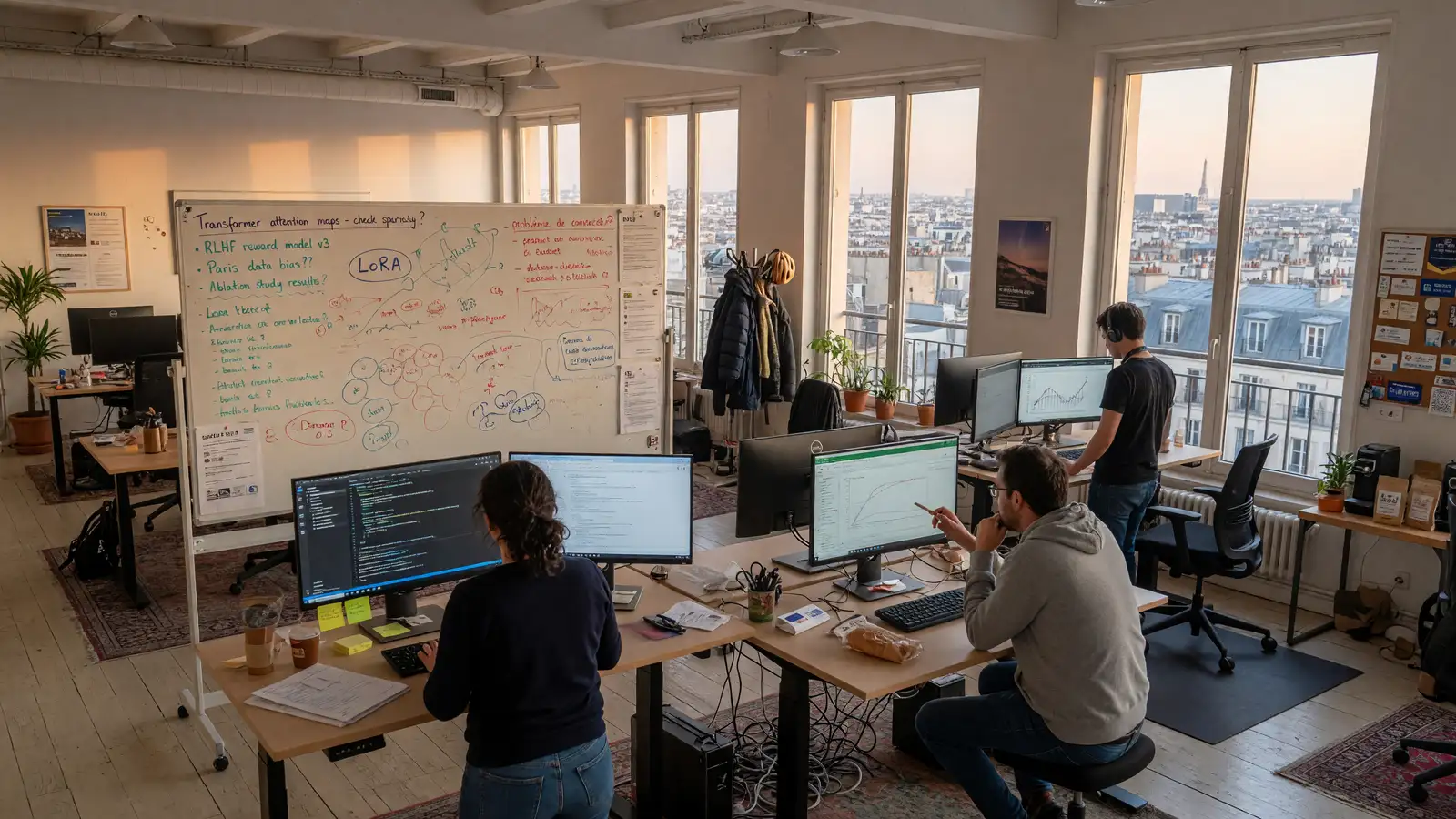
Mistral AI's €3 Billion Raise Signals the Open-Source AI Arms Race Is Just Beginning
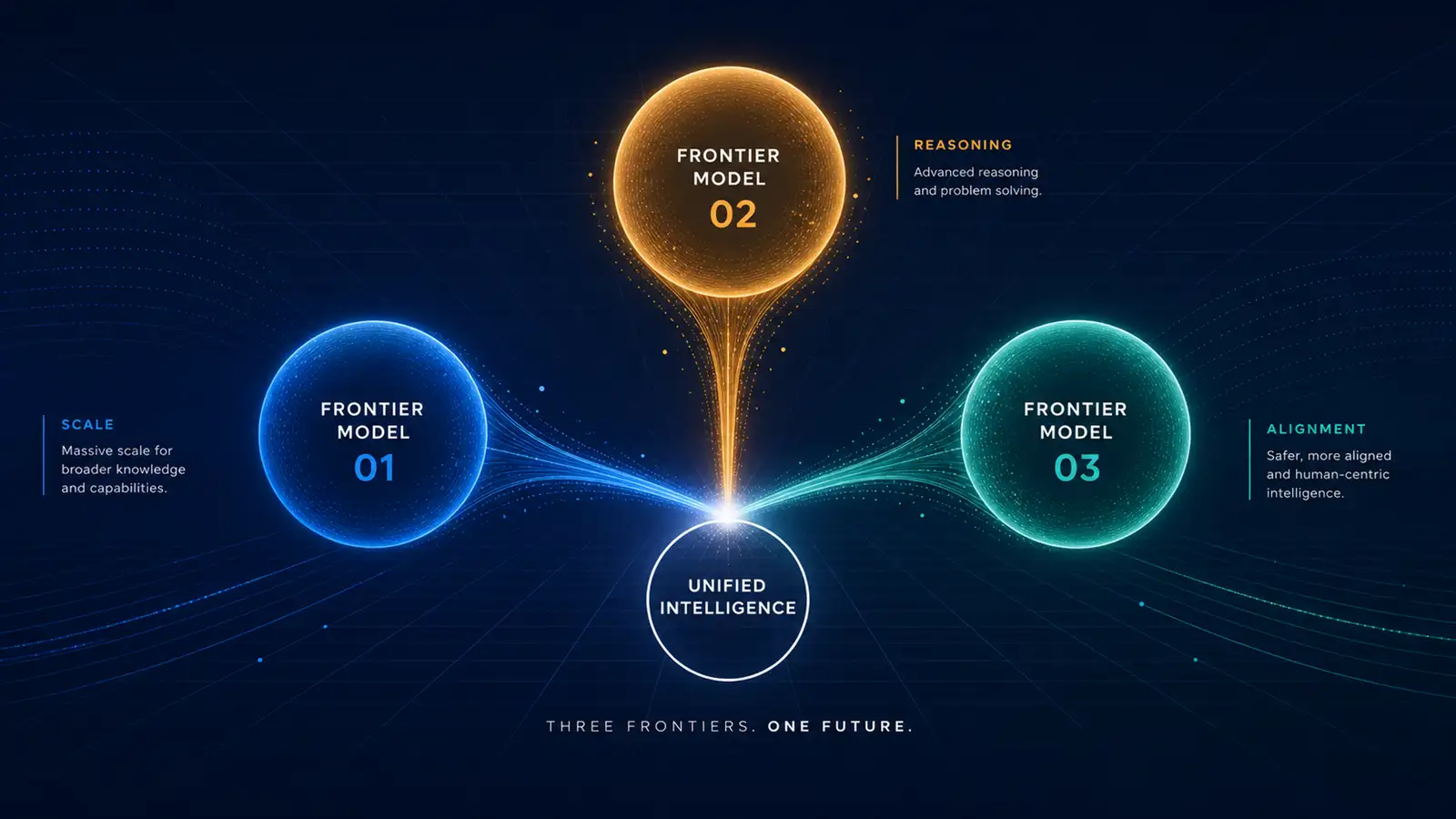
AI's Convergence Moment: Three Trends Colliding in July 2026 That Rewrite the Rules