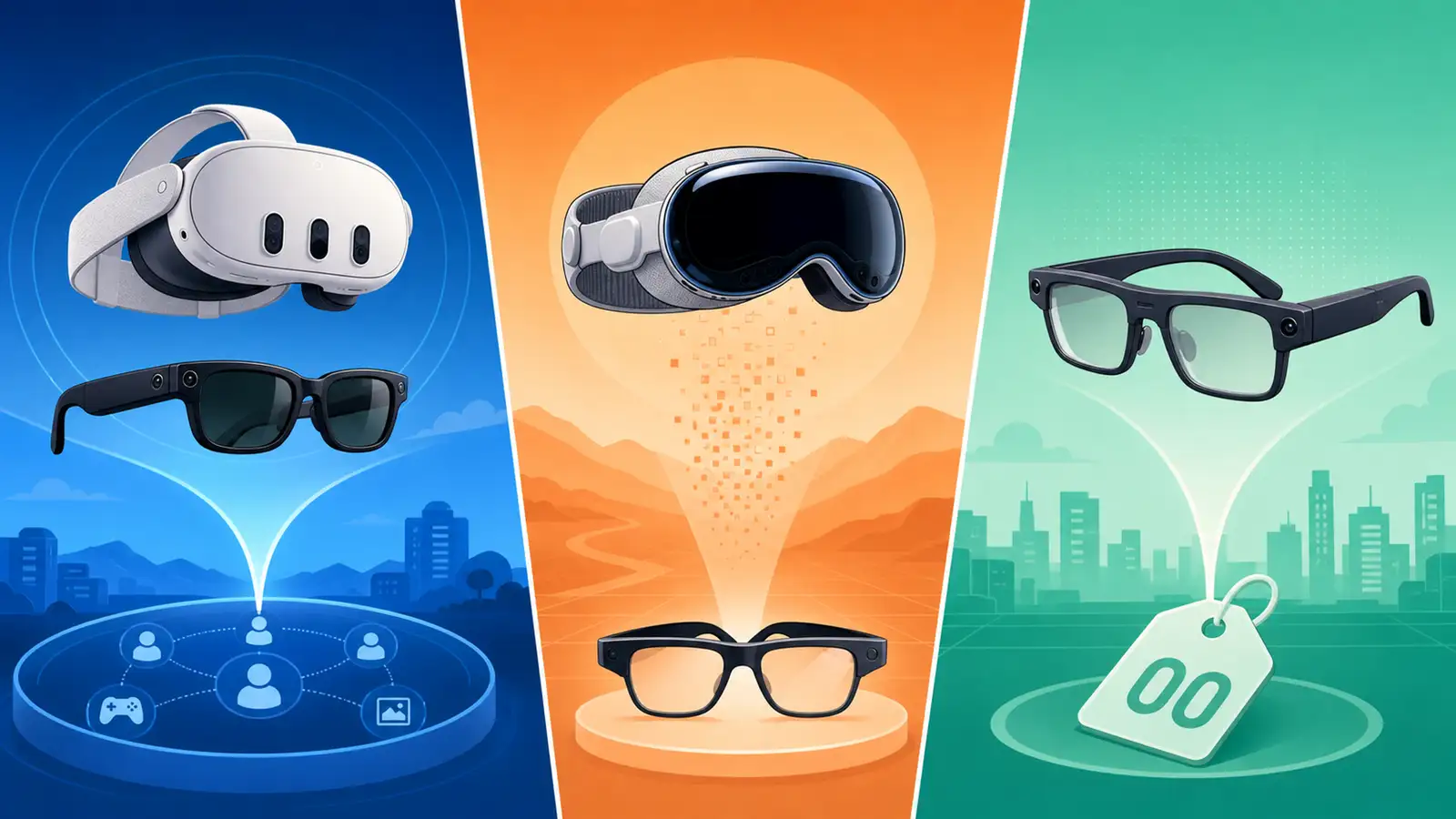
Gizmodo’s review of the Meta Fury AI glasses carries a headline that captures something real about the current state of AR hardware: “The Worst Company Still Makes the Best Smart Glasses.” The review is positive about the product and conflicted about the company — and that tension defines the smart glasses market in 2026.
Meta’s partnership with Ray-Ban gave it something no other tech company has: glasses that people actually want to wear. The Fury model builds on the previous Ray-Ban Meta collaboration with better cameras, improved AI integration, longer battery life, and a design that’s indistinguishable from regular Ray-Bans to a casual observer. That last point is the one that matters most. Nobody wants to look like they’re wearing a computer on their face. Meta figured that out first.
The AI features in Fury are what set it apart from earlier models. The glasses can now do real-time translation, identify objects and landmarks in the wearer’s field of view, and respond to voice commands with contextual awareness of what the user is looking at. It’s not a full heads-up display — that technology is still years away from being practical in a consumer form factor — but the combination of always-available AI through a wearable that doesn’t look like a wearable is proving more compelling than transparent displays that make you look like a cyborg.
Apple’s Vision Pro and VisionOS 27 are pushing in the opposite direction — full spatial computing with passthrough video, immersive displays, and a price point that limits the audience to developers and early adopters. Meta’s approach is lower-tech but higher-adoption: start with audio and camera, add AI, and wait for display technology to mature before adding visuals. It’s the smart speaker playbook applied to eyewear.
The competitive landscape has shifted significantly. Snap and XREAL made noise in June with new AR glasses that threaten Meta’s lead, and Samsung’s entry into the market has been rumored for months. But the Gizmodo review is telling: none of the competitors have matched the combination of design, functionality, and distribution that Meta has achieved through the Ray-Ban partnership. Winning the smart glasses market isn’t about having the best display technology. It’s about making something people will put on their face every day. Meta got there first.
The privacy concerns are real and unresolved. Always-on cameras on millions of faces raise questions Meta hasn’t adequately answered. But the market doesn’t seem to care. The previous generation Ray-Ban Meta glasses sold millions of units. Fury is expected to sell more. The smart glasses era isn’t coming — it’s here, and Meta is running the table.