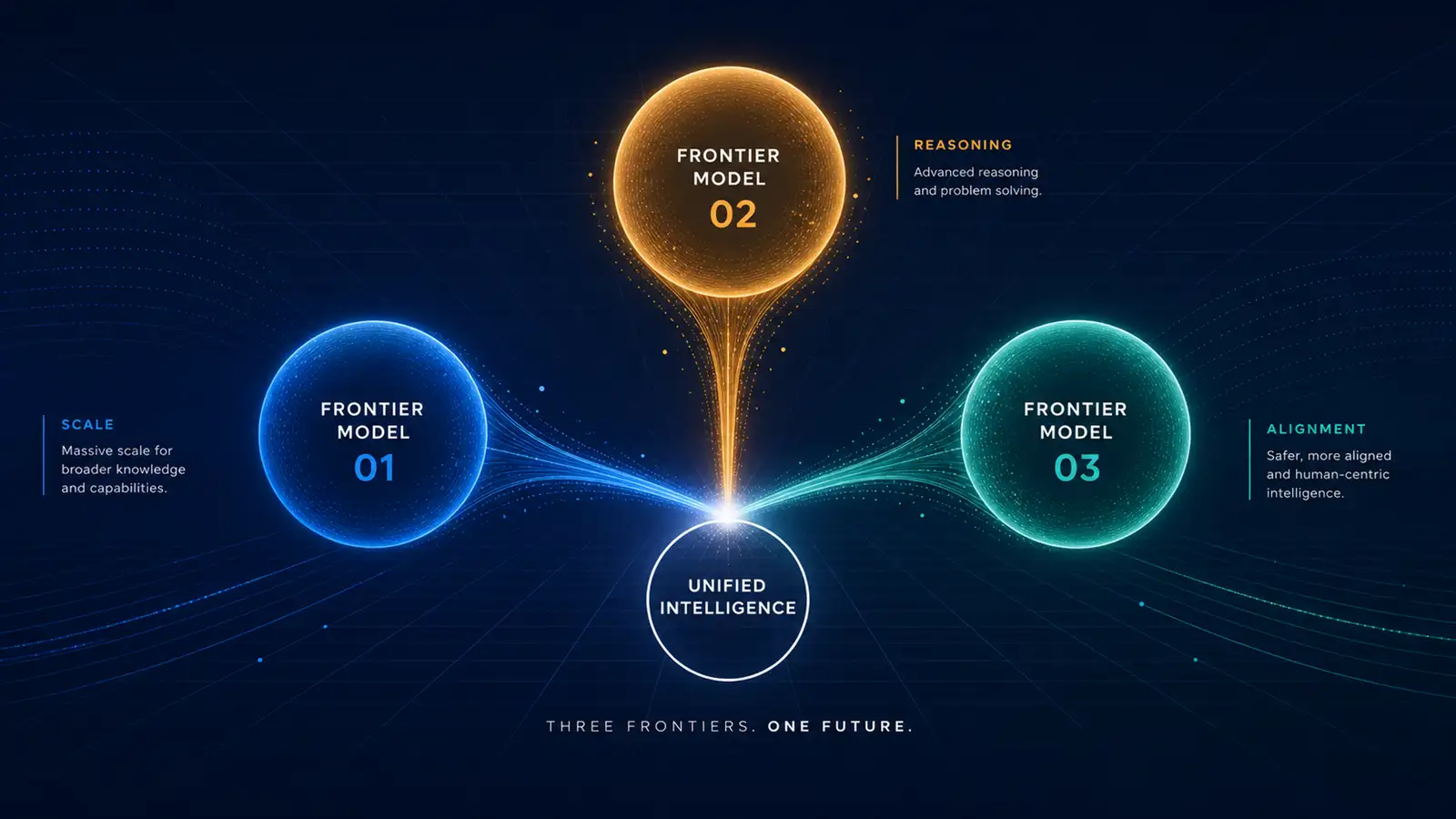
TCS and Anthropic Just Partnered Up — Here's What It Means for Enterprise AI

If you work in enterprise tech, you’ve seen the pattern: a big consulting firm announces a partnership with an AI company, both sides issue press releases full of words like “transformative” and “synergy,” and nothing much changes for another eighteen months.
The TCS–Anthropic announcement, made public in mid-June 2026, deserves a closer look. Not because it’s the biggest AI partnership this year — it isn’t. But because it points to a specific bottleneck that enterprises are hitting right now, and the deal is structured to address it directly.
What Actually Happened
Tata Consultancy Services, one of the world’s largest IT services firms with over 600,000 employees, announced a Global Premier Partnership with Anthropic. The stated goal: help TCS’s enterprise clients deploy and scale Anthropic’s Claude models across their operations.
That sounds like standard partnership language until you consider the timing. Most enterprises that experimented with large language models in 2024 and 2025 ran into the same wall: prototypes worked fine, but moving them into production — with proper governance, security, and integration into existing systems — proved far harder than anyone expected.
The Real Problem This Partnership Tries to Solve
The gap between “we built a chatbot that summarizes our internal docs” and “we’ve embedded AI into our customer-facing workflows with appropriate safeguards” is enormous. It involves:
Infrastructure scaling. Running production-grade AI isn’t just about API calls. It’s about latency, throughput, fallback systems, and cost management when you’re serving thousands of concurrent requests.
Governance and compliance. Financial services firms, healthcare providers, and government contractors can’t just paste sensitive data into a cloud API. They need audit trails, data handling guarantees, and model behavior controls.
Integration. AI tools that don’t connect to existing ERP, CRM, and workflow systems are isolated toys. Making them work inside complex legacy environments is a consulting problem as much as a technical one.
TCS brings the integration muscle — decades of experience embedding new technology into enterprise systems that range from cutting-edge to “held together by custom Java code from 2008.” Anthropic brings the models and the safety infrastructure. The partnership makes sense because neither side can bridge this gap alone.
The Broader Pattern
The TCS–Anthropic deal doesn’t exist in isolation. Three other announcements from the same week point to the same trend:
-
HPE announced expanded “self-driving networking” capabilities designed specifically for AI production workloads, recognizing that traditional network management can’t keep up with AI’s traffic patterns.
-
Aembit extended its identity and access management platform to support agentic AI within Microsoft Copilot Studio — a direct response to the problem of AI agents that need to act on behalf of users with appropriate permissions.
-
Quickwork launched a self-managed integration infrastructure platform aimed at the same bottleneck: connecting AI capabilities to existing enterprise systems without custom middleware for every single integration.
The pattern is clear. The AI model race is no longer the main event. The infrastructure, governance, and integration layers around those models are where the real enterprise work is happening.
Why This Matters Beyond the Press Release
Most AI partnerships are about access: one company gets early access to models, the other gets distribution. The TCS–Anthropic deal goes a step further by positioning TCS as the implementation layer — the firm that actually gets Claude working inside a bank’s compliance framework, a hospital’s patient management system, or a manufacturer’s supply chain tooling.
That’s where the money is. It’s also where the hard work is.
The companies that will benefit most from AI in the next two years aren’t the ones with the best model benchmarks. They’re the ones that can actually get AI into production, properly governed, properly integrated, and properly maintained. Partnerships like this one are the infrastructure being built to make that happen.
The Bottom Line
The TCS–Anthropic partnership won’t make headlines the way a new model release does. But for enterprises sitting on AI pilot projects that haven’t moved forward, it’s the kind of announcement that turns stuck projects into roadmaps. The models are good enough now. The question was always about the layer between the model and the business process. This deal is an answer to that question.
Whether it’s the right answer for any particular organization depends on their existing tech stack, compliance requirements, and internal readiness. But the direction of travel is clear: enterprise AI is moving from experimentation to deployment, and the partnerships forming around that shift are the ones to watch.
Related Articles
Enterprise AI Agents Are Reaching Production — But Governance and Security Aren't Ready
98% of Enterprise Leaders Would Trust AI Agents in Production — If the Guardrails Exist