Snap's $2,195 SPECS AR Glasses Open for Preorder — And the Headset Era Might Be Over
Snap's SPECS AR glasses are available for preorder at $2,195 with a $200 refundable deposit. Here's why this price point could finally break AR into the mainstream.

Discover the digital worlds built with virtual reality, augmented reality, and mixed reality technologies
Snap's SPECS AR glasses are available for preorder at $2,195 with a $200 refundable deposit. Here's why this price point could finally break AR into the mainstream.

Roblox posted $1.47 billion in Q2 revenue but missed bookings estimates and withdrew full-year guidance. The stock dropped 34%. Here's what the numbers reveal about the metaverse's actual economic model.
Meta lost $4.6 billion in Q2. HTC pivoted to enterprise. Apple scaled back its cheaper headset. But smart glasses and industrial XR are quietly growing.
XRHealth has acquired Swing Therapeutics, creating the largest multi-device XR digital health platform for chronic conditions. The deal brings FDA-approved VR therapy for fibromyalgia to millions of patients — and signals a turning point for extended reality as a clinical tool.
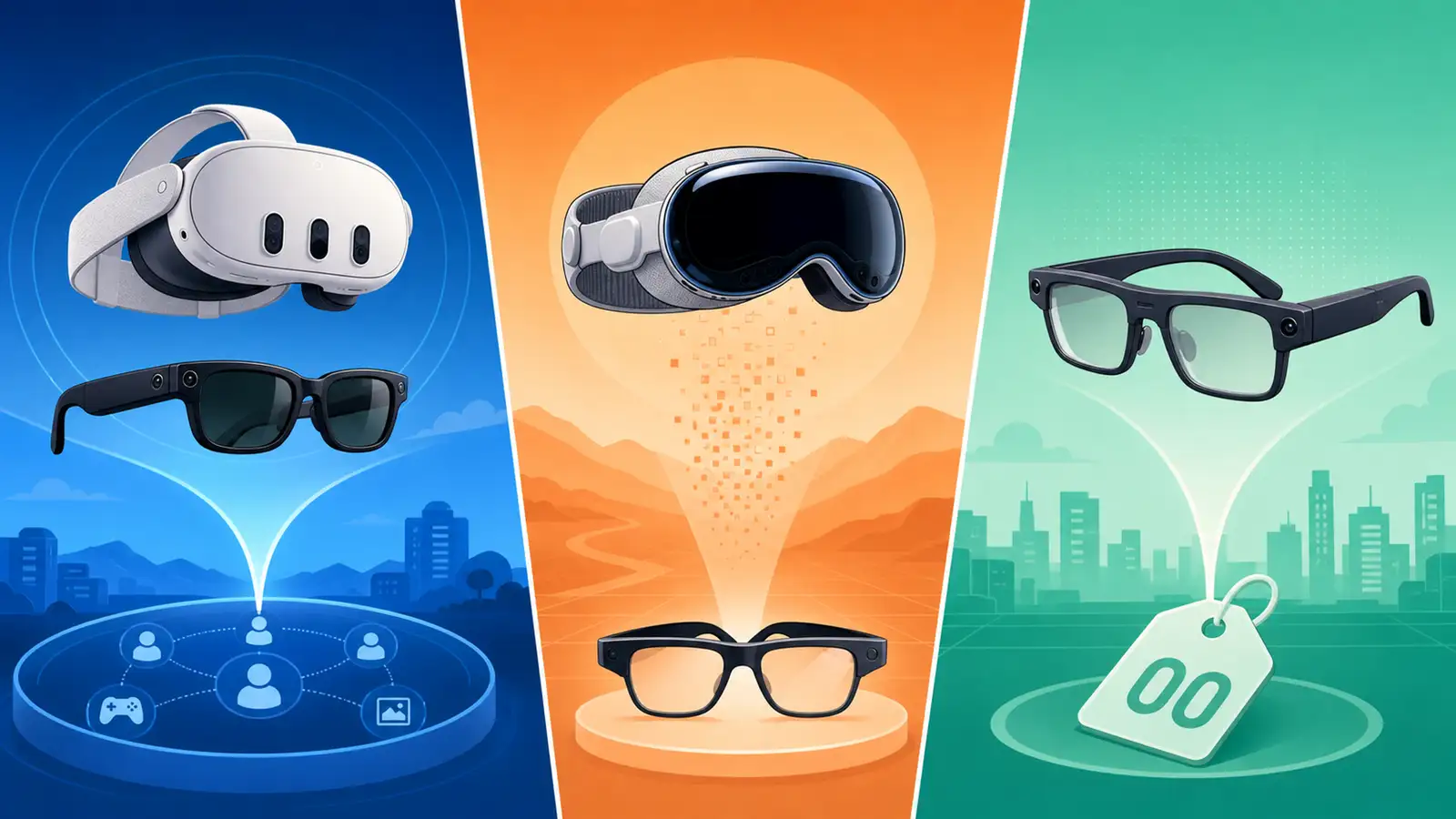
As Meta teases multiple next-gen headsets and Apple shelves its cheaper Vision Pro, XREAL pushes AR glasses to $300 and HTC pins its survival on AI-powered eyewear. Three competing strategies are reshaping the XR hardware market.
Brands are increasingly using AI-generated virtual influencers to promote products on social media, raising questions about authenticity, disclosure, and the future of influencer marketing.
Paul Meade, the VP who built Apple's Vision Pro hardware and was leading its smart glasses push, has departed for OpenAI. The talent move signals more than just a career change — it maps the shifting fault lines between spatial computing and AI.
Augmented World Expo 2026 showcased a wave of XR innovations — from haptic gloves to next-gen headsets — that signal the extended reality industry is entering a new phase of hardware maturity and content ecosystem development.
A brain-computer interface has enabled a person with ALS who lost the ability to speak to work a full-time job, demonstrating that BCI technology has crossed from laboratory demonstration to life-changing assistive technology.
Virtual clothing, accessories, and skins have grown into a multi-billion-dollar economy, with online games serving as the primary marketplace for digital fashion that never physically exists but commands real money.
Gizmodo's review of Meta's Fury AI glasses confirms what the AR industry has been dancing around: Meta is winning the smart glasses race, and it's not particularly close.
Meta's decision to spin out VR fitness app Supernatural as an independent company rather than shutting it down signals that virtual reality fitness has crossed a viability threshold that even cost-cutting tech giants recognize.
A new market analysis projects the metaverse entertainment sector will reach $121.96 billion by 2032, driven by immersive gaming, virtual concerts, and the convergence of social media with interactive 3D experiences.
NVIDIA's new three-computer architecture — combining AI training, simulation, and real-time digital twin rendering — is being adopted by manufacturers worldwide to create AI-powered virtual replicas of production facilities.
Seven new smart glasses designs hitting the market in 2026 demonstrate that augmented reality eyewear is solving its form-factor problem, with implications for enterprise adoption and consumer acceptance.
Advances in binaural audio rendering and head-tracked spatial sound are transforming how we experience virtual content, with implications for entertainment, communication, and accessibility.
Consumer goods giant Unilever is deploying AI-powered digital twins across its global manufacturing footprint, using real-time simulation to optimize production, reduce waste, and accelerate sustainability goals.
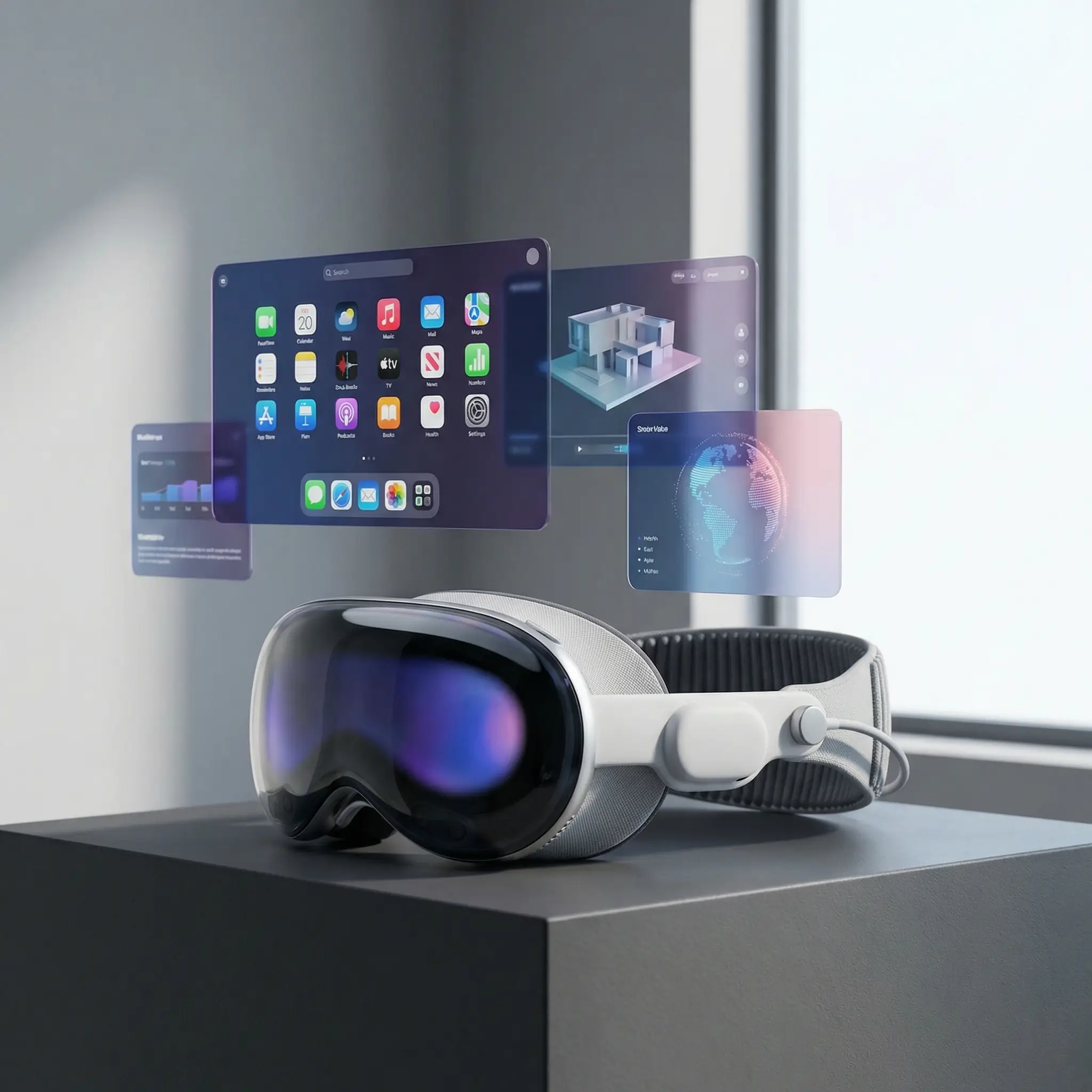
Apple's upcoming VisionOS 27 is rumored to bring significant upgrades that address the platform's biggest adoption barriers, potentially transforming Apple Vision Pro from a developer curiosity into a mainstream computing platform.
Advances in 3D spatial video and volumetric capture are enabling the creation of photorealistic digital twins of people, places, and objects — with applications spanning entertainment, education, and enterprise.
Virtual reality surgical simulation and medical training platforms are demonstrating measurable improvements in clinical outcomes, moving VR from interesting experiment to essential medical education infrastructure.
As major metaverse platforms remain walled gardens, a growing coalition of developers, standards bodies, and enterprises is pushing for open interoperability protocols that could finally connect virtual worlds into a unified digital ecosystem.
Two competing AR hardware launches in June 2026 signal that the glasses wars are no longer theoretical — and Meta's early lead is suddenly at risk.
Smart glasses sales are projected to quadruple in 2026 as Meta, Google, Apple, and Snap ship real consumer devices. The question is no longer whether AR can replace your phone — it is which platform will win the race.
Discover Samsung's upcoming AR glasses and how they compare to Apple Vision Pro. Learn about the future of wearable augmented reality in 2026.
Apple's latest visionOS update transforms Vision Pro from a curiosity into a productivity tool. Explore the new shared experiences, volumetric APIs, and what this means for enterprise adoption.
How Physical AI and spatial computing converge to transform VR, AR, and MR into enterprise tools, reshaping manufacturing, healthcare, and beyond.
Exploring the metaverse concept, virtual reality technologies, and the future of immersive digital experiences that blend physical and virtual realities