Enterprise AI Workloads Are Fleeing Public Cloud — and the Numbers Are Striking
For years, the conventional wisdom held that AI workloads belonged in the public cloud. The hyperscalers built their businesses on this assumption, investing tens of billions in GPU clusters. But a new report suggests that assumption is unraveling — and fast.
The Tipping Point
According to research published by THE Journal on July 1, enterprise AI workloads are “tipping toward private cloud” at an accelerating rate. The report found that a majority of organizations now expect to run the bulk of their production AI inference workloads on private infrastructure within 18 months — a dramatic reversal from two years ago, when public cloud was the near-universal default. The shift is driven by cold, hard economics.
The Economics of AI Inference at Scale
The math of public cloud AI pricing becomes punishing at production scale. A single high-volume customer service chatbot handling millions of conversations per month can generate six-figure monthly API bills. Multiply across dozens of use cases — code generation, document processing, content moderation — and the total can exceed the entire pre-AI IT budget. Private infrastructure flips this equation. Organizations deploying fine-tuned open-source models on their own hardware pay fixed costs, with marginal cost per inference near zero. The crossover point where private infrastructure becomes cheaper can arrive within months.
Data Sovereignty as a Hard Requirement
Regulatory pressure is mounting on multiple fronts. The EU AI Act imposes obligations on high-risk AI systems significantly easier to demonstrate when models and data remain within controlled environments. In the United States, sector-specific regulations in healthcare (HIPAA), finance, and defense create compliance burdens that public cloud AI services often struggle to meet without expensive dedicated tenancy arrangements. Even where regulations do not explicitly mandate private infrastructure, the legal and reputational risk of data exposure through a third-party AI provider concentrates minds in boardrooms.
The Hybrid Reality
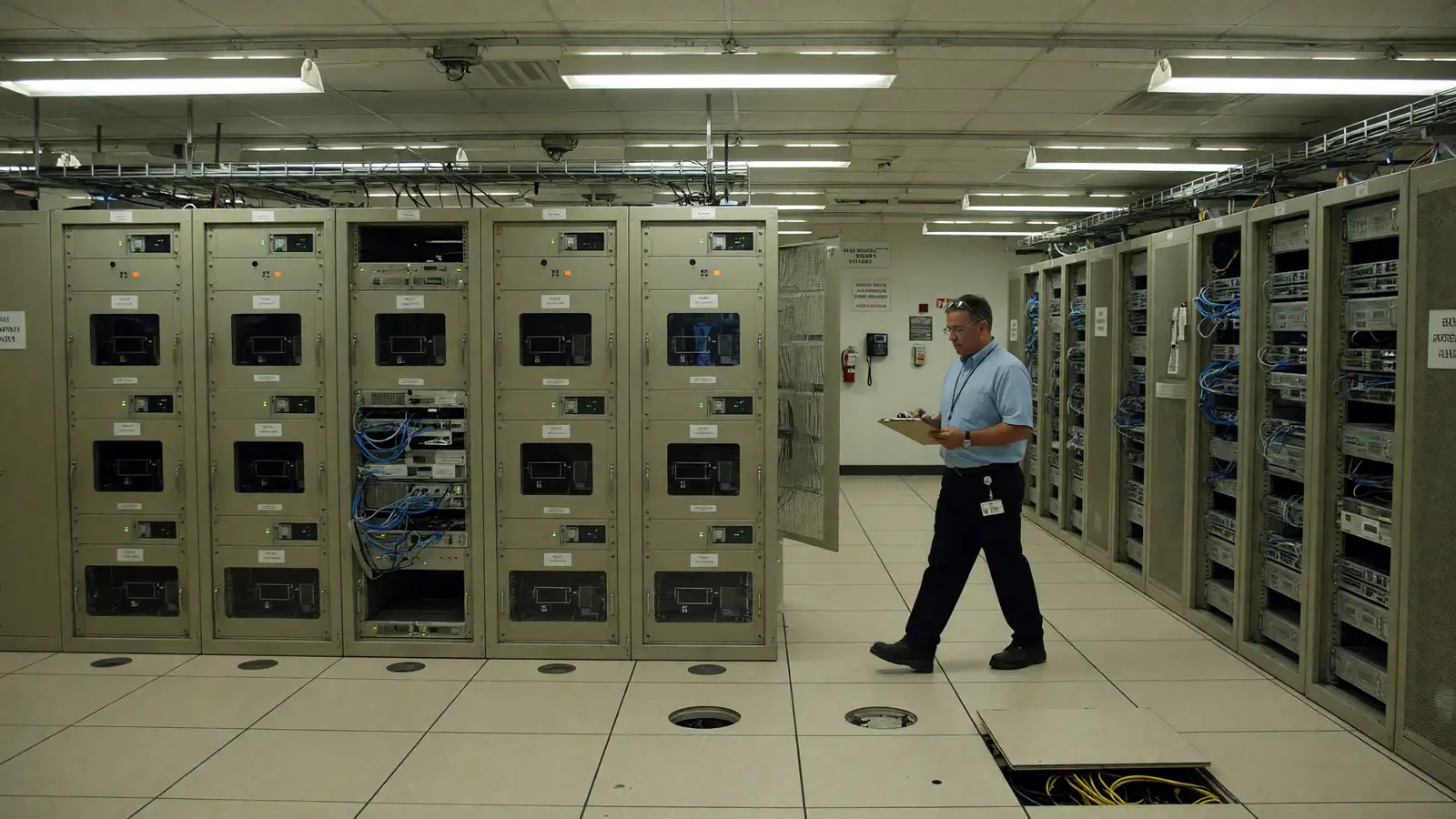
The emerging consensus points toward a hybrid model: public cloud for experimentation, prototyping, and burst capacity; private infrastructure for stable, high-volume production workloads. NVIDIA’s DGX Cloud and similar offerings from Dell and HPE are designed to bridge this gap. The hyperscalers themselves respond with Azure Stack and AWS Outposts extending management planes into private data centers.
What Enterprise Leaders Should Do Now
First, build AI cost-tracking that captures not just API bills but fully loaded costs including engineering time. Second, pilot at least one open-source model deployment on private infrastructure, even at small scale — the operational learning accumulates faster than most teams expect. Third, negotiate AI-specific terms in cloud contracts. The enterprise AI infrastructure landscape is being redrawn in real time, and organizations that build flexibility into their architecture now will be best positioned to capture the economic benefits of AI without being captured by its costs.
Related Articles

76% Stuck Their Agents in Pilot. The Tax Is Human Hours

Microsoft's Copilot Super App Meters the Agents