NFTs Are Evolving Beyond Art — Into Tickets, Memberships, and the Infrastructure of Digital Loyalty
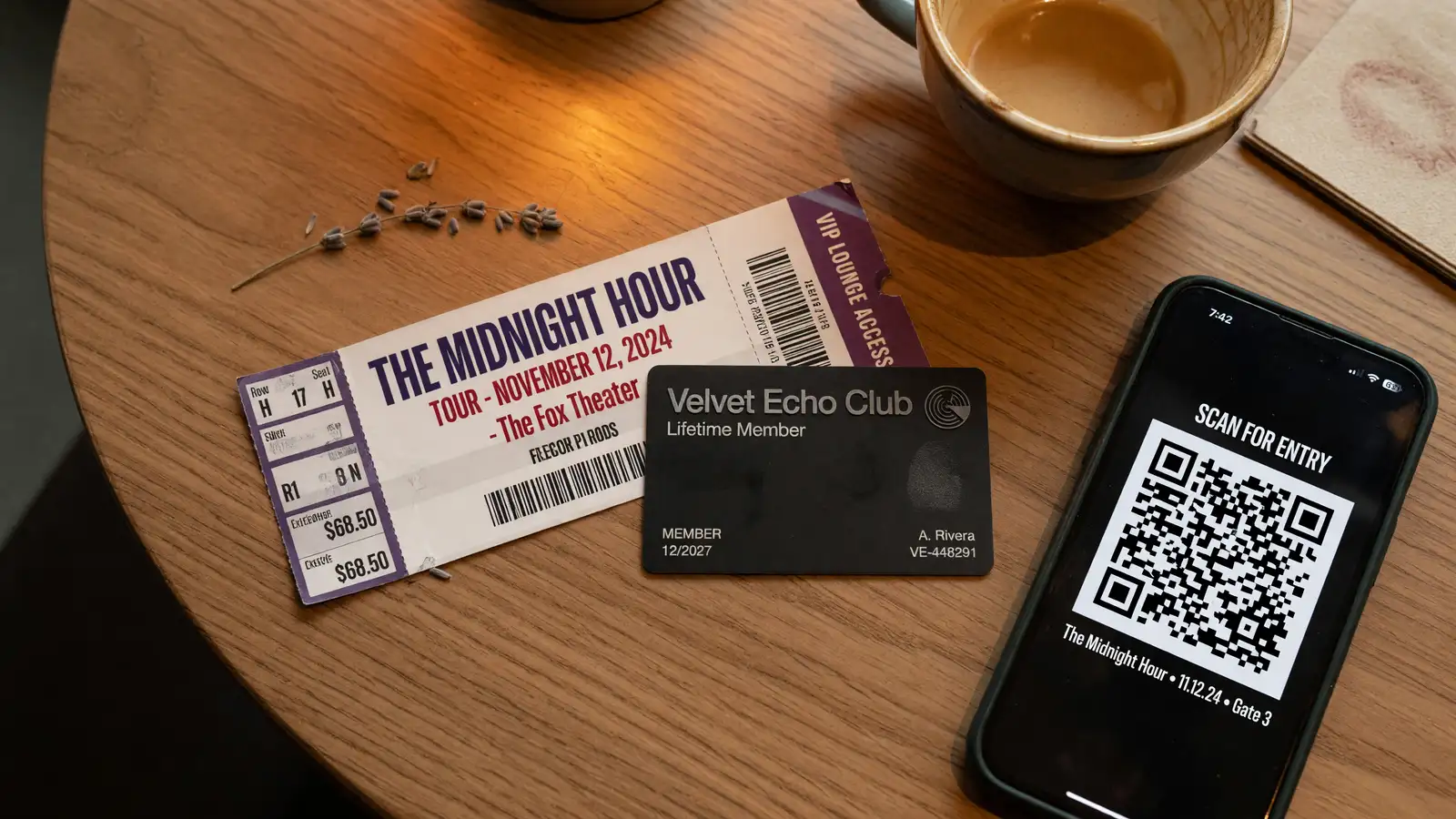
The NFT narrative has been through a complete cycle: explosive hype, spectacular crash, and now — quietly, without the headlines — a transformation into something more durable. The NFTs that are surviving and growing are not the speculative art pieces that defined the 2021-2022 mania. They are tickets, memberships, loyalty programs, and digital credentials — unglamorous applications that solve real problems in customer engagement and access management.
From Collectibles to Infrastructure
The shift from NFTs as collectibles to NFTs as infrastructure represents a fundamental change in what the technology is actually used for. A collectible NFT derives its value from scarcity and speculation — someone else must want to pay more for it later. An infrastructure NFT derives its value from utility — it grants access to an event, unlocks a membership benefit, records a credential, or tracks a loyalty point.
This shift matters because the utility model has fundamentally different economics. Collectible NFT markets are inherently volatile — they rise and fall with sentiment, and most participants lose money. Infrastructure NFTs, by contrast, generate value through use rather than speculation. A concert ticket NFT has value because it gets you into a concert. A membership NFT has value because of the benefits it unlocks. The value proposition is clear, measurable, and not dependent on finding a greater fool.
Real-World Deployments
Several categories of utility NFT are demonstrating real traction. Event ticketing is the most visible: major festivals, conferences, and sports organizations have experimented with NFT-based tickets that provide verifiable authenticity, programmable resale royalties, and post-event engagement opportunities that paper or conventional digital tickets cannot match.
Loyalty programs represent an even larger opportunity. Starbucks’ Odyssey program, despite generating polarized reactions, demonstrated that major consumer brands see NFTs as a next-generation loyalty infrastructure — one that allows points and rewards to be more flexible, transferable, and engaging than traditional closed-loop loyalty systems. Other major consumer brands, particularly in travel and hospitality, are following with their own experiments.
Professional credentials and certifications are a third growth area. Universities, professional associations, and training organizations are issuing NFT-based credentials that are cryptographically verifiable, difficult to counterfeit, and owned by the recipient rather than the issuing institution — a subtle but important shift in the power dynamic of credentialing.
The Scalability Question
The transition from collectible to infrastructure NFTs is not without challenges. The user experience of acquiring and managing NFTs remains too complex for mainstream consumers. Gas fees on Ethereum mainnet, while reduced by Layer 2 adoption, remain a friction point for low-value transactions like loyalty points. And the regulatory status of utility NFTs — particularly those that might be classified as securities — remains uncertain in several jurisdictions.
But these are adoption friction problems, not fundamental viability problems. The underlying technology — programmable digital assets with verifiable ownership and transferability — solves genuine business problems that existing infrastructure handles poorly. As the user experience improves and regulatory clarity emerges, the infrastructure NFT market may ultimately prove far more valuable than the collectible market that preceded it.
The NFT story is not over. It has simply entered a more interesting chapter — one where the technology is judged by what it enables rather than what it represents.