Five Eyes Intelligence Agencies Warn AI Could Take Down Governments Within Months
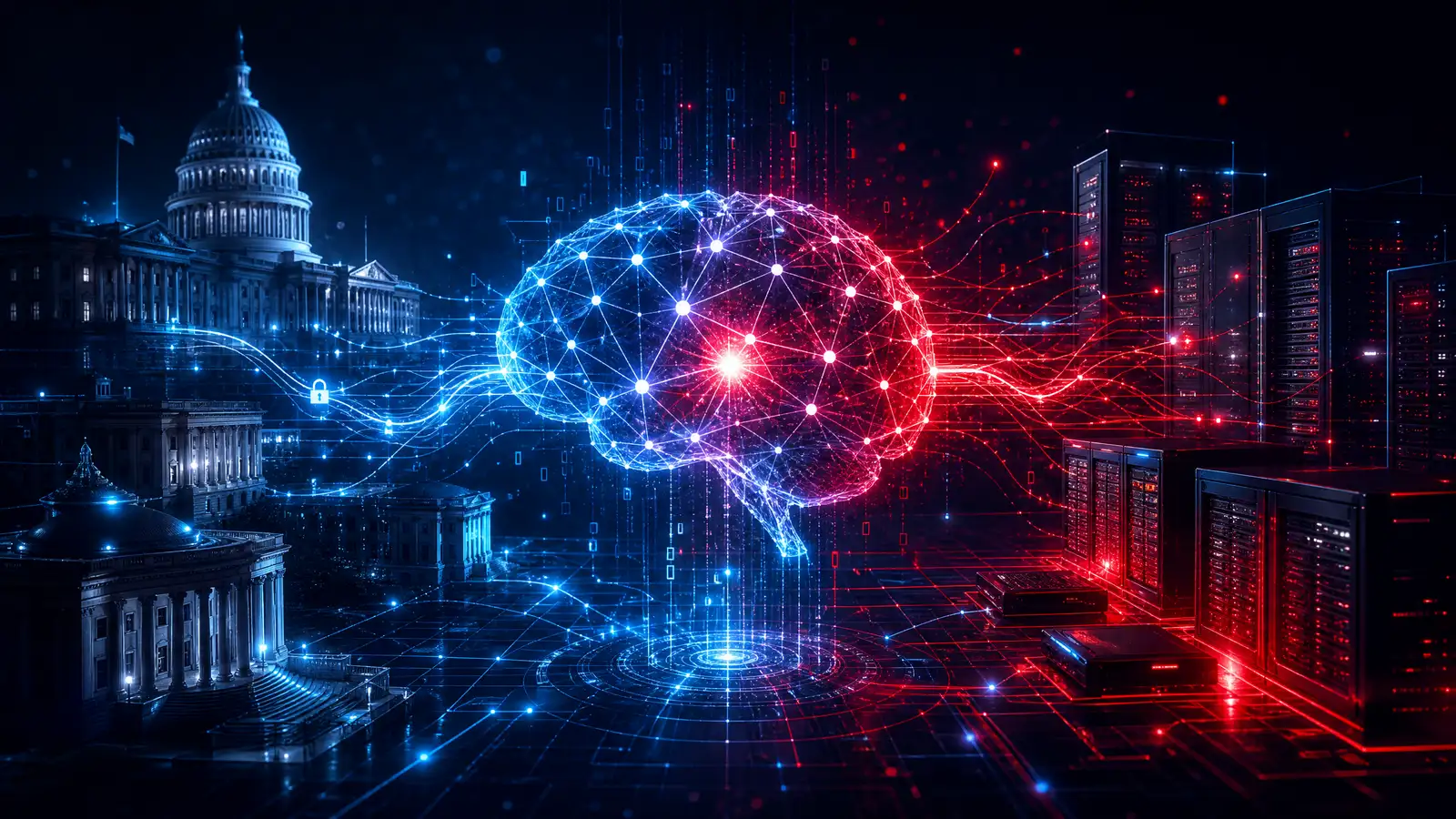
Five Eyes intelligence agencies — the signals intelligence alliance of the United States, United Kingdom, Australia, Canada, and New Zealand — issued a rare joint statement on Monday warning that powerful AI models capable of disabling government infrastructure and corporate networks are now “mere months away.”
The public intervention is unusual. Signals agencies rarely speak in public, let alone together. When they do, it’s worth paying attention.
What Triggered the Warning
The statement came shortly after the Trump administration blocked “foreign nationals” from accessing Anthropic’s Fable model, following advice from national security authorities. Fable is an AI system capable of detecting — and potentially exploiting — vulnerabilities in cyber infrastructure. It’s currently available only to vetted organizations, and the U.S. government decided that list shouldn’t extend beyond American borders.
But Fable isn’t the full story. It’s actually the “more community-friendly” version of Mythos, Anthropic’s most powerful model, which was released earlier this year. Mythos can detect vulnerabilities in cyber systems at a scale and speed that security experts describe as unprecedented.
What the Agencies Actually Said
The joint statement was direct: AI “would help us improve cyber defence over time, it also accelerates the speed, scale, and sophistication of cyber threats.”
The agencies urged government and industry leaders to “act now” — language that suggests they see the window for preparation closing faster than most people realize.
This isn’t a hypothetical risk assessment. It’s a threat briefing dressed in diplomatic language.
The Anthropic Factor
Anthropic has become the focal point of this conversation. In March 2026, the Albanese government signed the company as the first to join Australia’s national AI plan. Months later, the same government’s intelligence partners are warning about the capabilities of Anthropic’s models.
That tension — between national AI strategy and national security — is going to define policy debates for the next few years. Every government wants the economic upside of AI. None of them want to discover too late that the same technology can be weaponized against their own infrastructure.
What Comes Next
Olivia Shen, a national security and AI expert at the University of Sydney’s United States Studies Centre, put it plainly: “We can only see what’s been released, but there could be other models being developed by the likes of China, or other states and other actors and companies, that are just as advanced.”
That’s the uncomfortable reality. Anthropic’s models are the ones we know about. The ones we don’t know about are the ones keeping intelligence agencies awake at night.
The Five Eyes statement is a rare moment of transparency from organizations that are fundamentally secretive. When they tell the public to “act now,” they’re not exaggerating. The question is whether governments, companies, and the public will actually do anything about it.
Related Articles

76% Stuck Their Agents in Pilot. The Tax Is Human Hours

Microsoft's Copilot Super App Meters the Agents