AWE 2026: The XR Technology That's About to Redefine How You Experience Digital Content
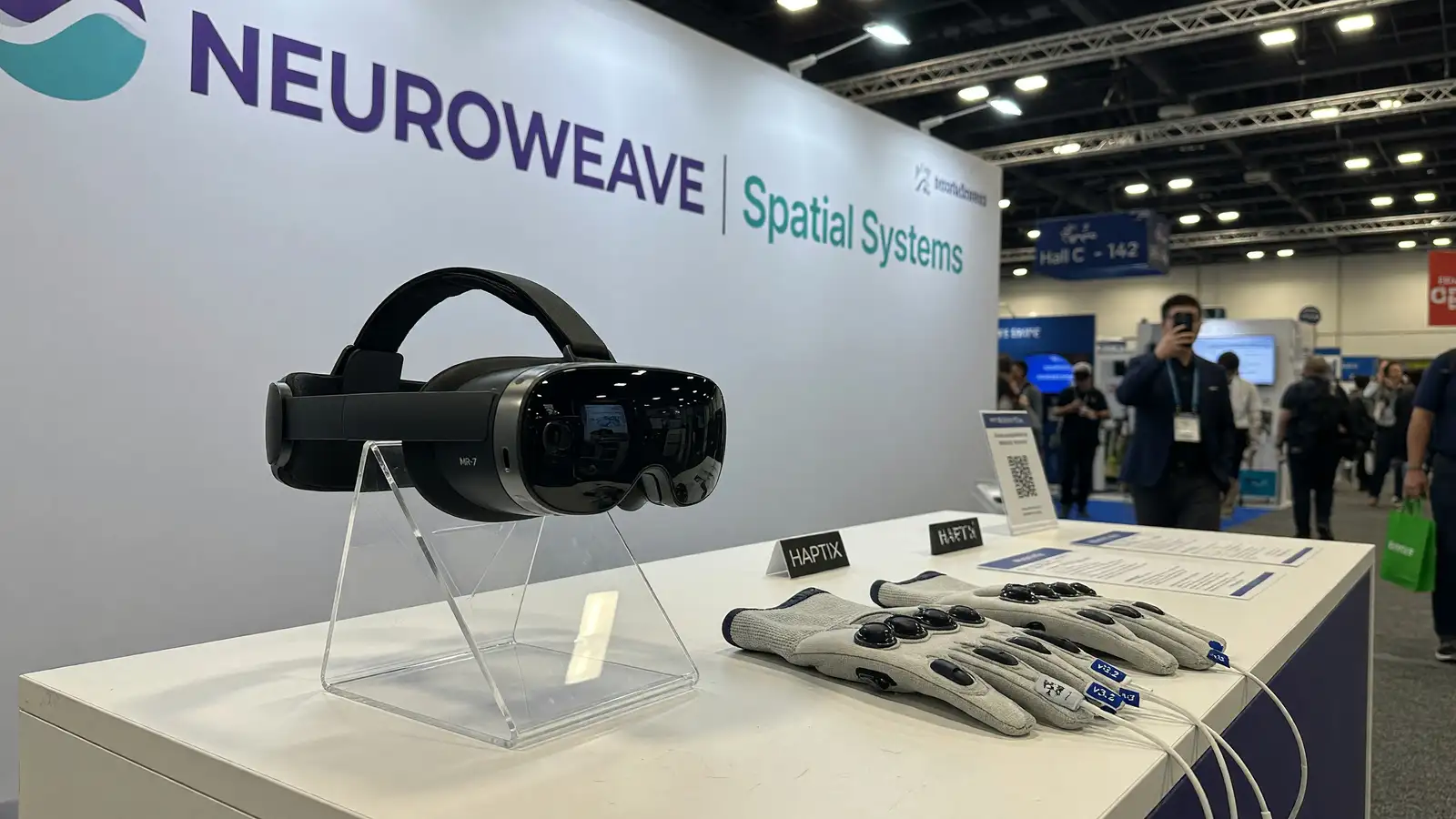
The Augmented World Expo (AWE) has long been the industry’s most important gathering for extended reality technology, but AWE 2026 felt different. The hardware demonstrations were not prototypes searching for use cases — they were polished products addressing clearly defined market needs. And the content ecosystem, long the Achilles’ heel of XR adoption, showed signs of finally catching up to the hardware.
Haptic Technology Takes a Leap Forward
The standout hardware story from AWE 2026 was the maturation of haptic feedback technology. bHaptics demonstrated its TactGlove DK3, a haptic glove that UploadVR described as “an incredible accessory in need of support” — meaning the hardware is genuinely impressive, but the software ecosystem needs to catch up for the technology to reach its potential.
The TactGlove DK3 provides per-finger haptic feedback with enough precision to simulate distinct textures and resistance levels. In demonstrations, users could distinguish between virtual surfaces — rough wood, smooth metal, soft fabric — by touch alone. For applications ranging from surgical training simulations to virtual product design reviews, the ability to “feel” virtual objects represents a qualitative leap in immersion that visual fidelity alone cannot achieve.
GameSpace.com’s coverage of AWE 2026 highlighted how gaming is driving haptic innovation, but the enterprise implications may be more significant. Industrial design, remote equipment operation, and medical training all stand to benefit from haptic feedback that makes virtual interactions feel physically real.
The Hardware Ecosystem Matures
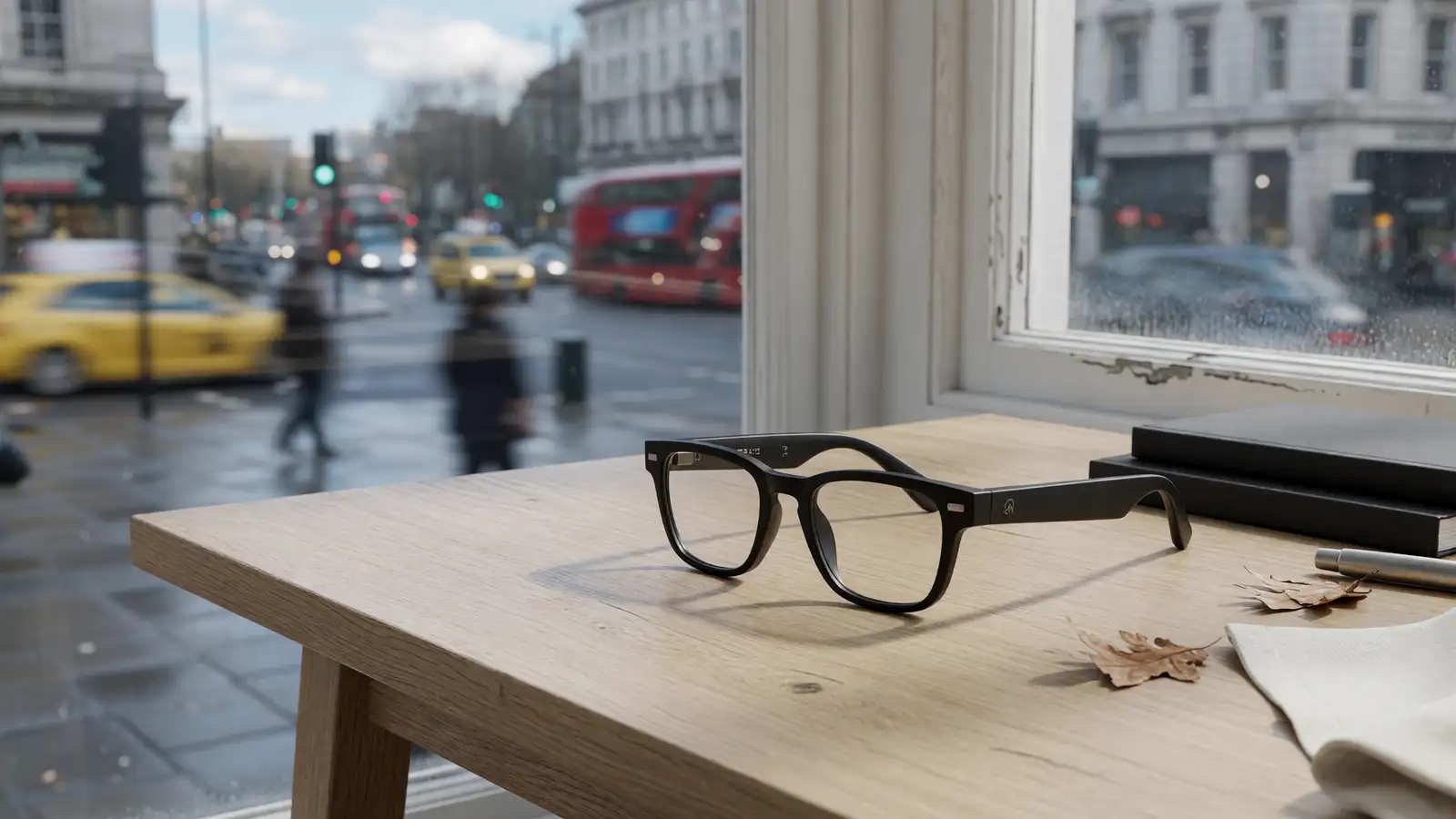
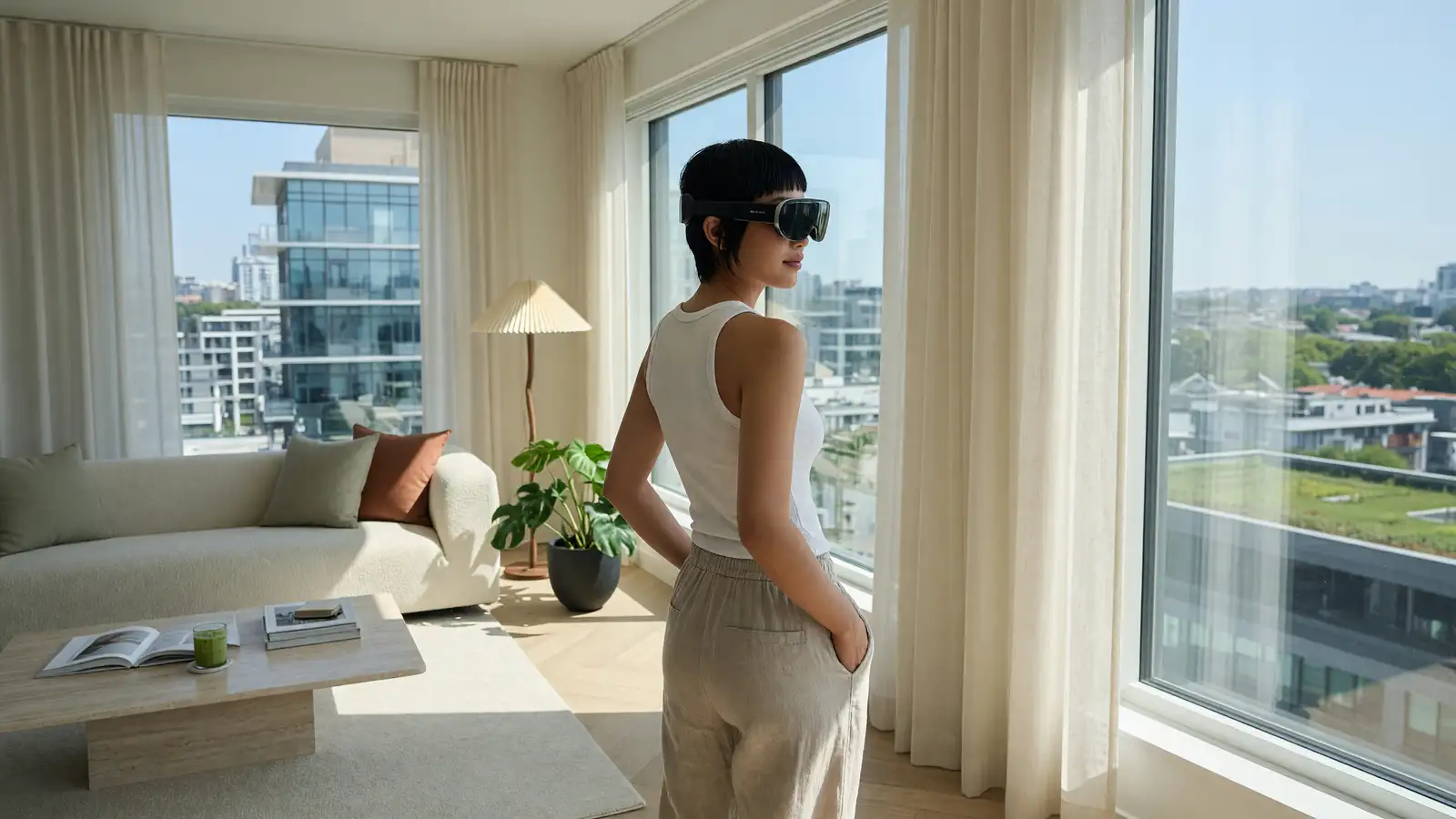
Beyond haptics, AWE 2026 demonstrated that the XR hardware market is entering a phase of healthy competition and specialization. Multiple manufacturers showed lightweight, all-day-wearable AR glasses that are approaching the form factor of conventional eyewear. Several next-generation VR headsets demonstrated significant improvements in resolution, field of view, and comfort.
Forbes characterized the event as “Redefining The Line Between The Digital And The Real” — a description that captures both the technological progress on display and the philosophical implications of a world where digital and physical experiences are increasingly indistinguishable.
The Content Ecosystem Finally Catches Up
The most encouraging signal from AWE 2026 was not hardware but content. Multiple developers demonstrated XR applications that had clearly moved beyond the “tech demo” phase into polished, commercially viable products. Enterprise training applications, collaborative design tools, and location-based entertainment experiences showed levels of polish and user experience design sophistication that previous AWE events lacked.
This content maturation is the missing piece that has held XR back from mainstream adoption. Consumers and enterprises do not adopt hardware — they adopt experiences. AWE 2026 suggested that the experience ecosystem is finally robust enough to drive hardware adoption rather than being dragged along by it.
For enterprise technology leaders, AWE 2026 provided a clear signal: XR technology has reached a maturity threshold where it deserves serious evaluation for enterprise use cases. The question is shifting from “can XR do this?” to “should we be doing this with XR?” — and the answer, for an expanding set of applications, is increasingly yes.