The Vision Pro's Hardware Chief Just Left Apple for OpenAI. What Does That Tell Us?
Paul Meade spent fourteen years at Apple shaping the physical objects you touch — first iPads, then iPhones, and most recently, the Vision Pro headset and an unannounced pair of AI-powered smart glasses. Last week he walked out the door and into OpenAI, where he’ll work on hardware nobody outside the company has seen yet.
The move, first reported by Bloomberg’s Mark Gurman and confirmed by multiple outlets, is more than a high-profile hire. It’s a clean vector line connecting two of the most expensive bets in consumer technology: Apple’s attempt to build the next platform after the iPhone, and OpenAI’s conviction that AI needs a physical form.
Who Left and Why It Matters
Meade wasn’t just another VP. He joined Apple in 2010, started on the iPad team, moved to iPhone program management in 2012, and in 2017 was pulled into the Technology Development Group — Apple’s internal Skunkworks for augmented and virtual reality. That group eventually produced the Vision Pro, a device that was technically remarkable and commercially underwhelming.
Last year, his responsibilities grew. Apple moved Mike Rockwell, the visionary who founded the Vision Products Group, over to run Siri — replacing the AI assistant’s former chief in what Gurman described as a “rare shake-up” after years of Siri falling behind competitors. Rockwell brought the visionOS software team with him. Meade stayed behind to lead hardware: future Vision headsets and, critically, the smart glasses Apple plans to launch next year.
That split — software going to Siri, hardware staying with Meade — now looks like a preview of dissolution rather than reorganization. With Meade gone, Apple’s spatial computing hardware team has lost its most experienced leader at the exact moment it’s trying to ship a product category that the Vision Pro failed to validate.
The Ternus Factor
The timeline matters. John Ternus, Apple’s hardware engineering chief, is widely expected to succeed Tim Cook as CEO. According to Gurman’s reporting, Ternus has been restructuring the hardware engineering division ahead of the transition, and several vice presidents felt their roles had been diminished in the process. Meade’s departure is being framed, at least in part, as a consequence of that shakeup.
This is the kind of internal friction that Apple usually keeps hidden. The fact that it’s spilling into public view — and resulting in a senior executive leaving for a direct competitor in the AI space — suggests the reorganization has been more disruptive than Apple would like to admit.
What OpenAI Wants With Hardware
OpenAI’s hardware ambitions have been the subject of speculation for years. The company is working with Jony Ive, Apple’s former chief design officer, on an AI device that Sam Altman has described — in characteristically grand terms — as “more peaceful and calm than an iPhone.”
Reports from late 2025 suggested the project was struggling to find its shape. The hardware team was small, the product definition kept shifting, and the gap between Altman’s rhetoric and engineering reality was wide. Hiring Meade changes that math. He’s someone who has actually shipped consumer hardware at scale — not just a headset, but iPhones and iPads, products that defined categories.
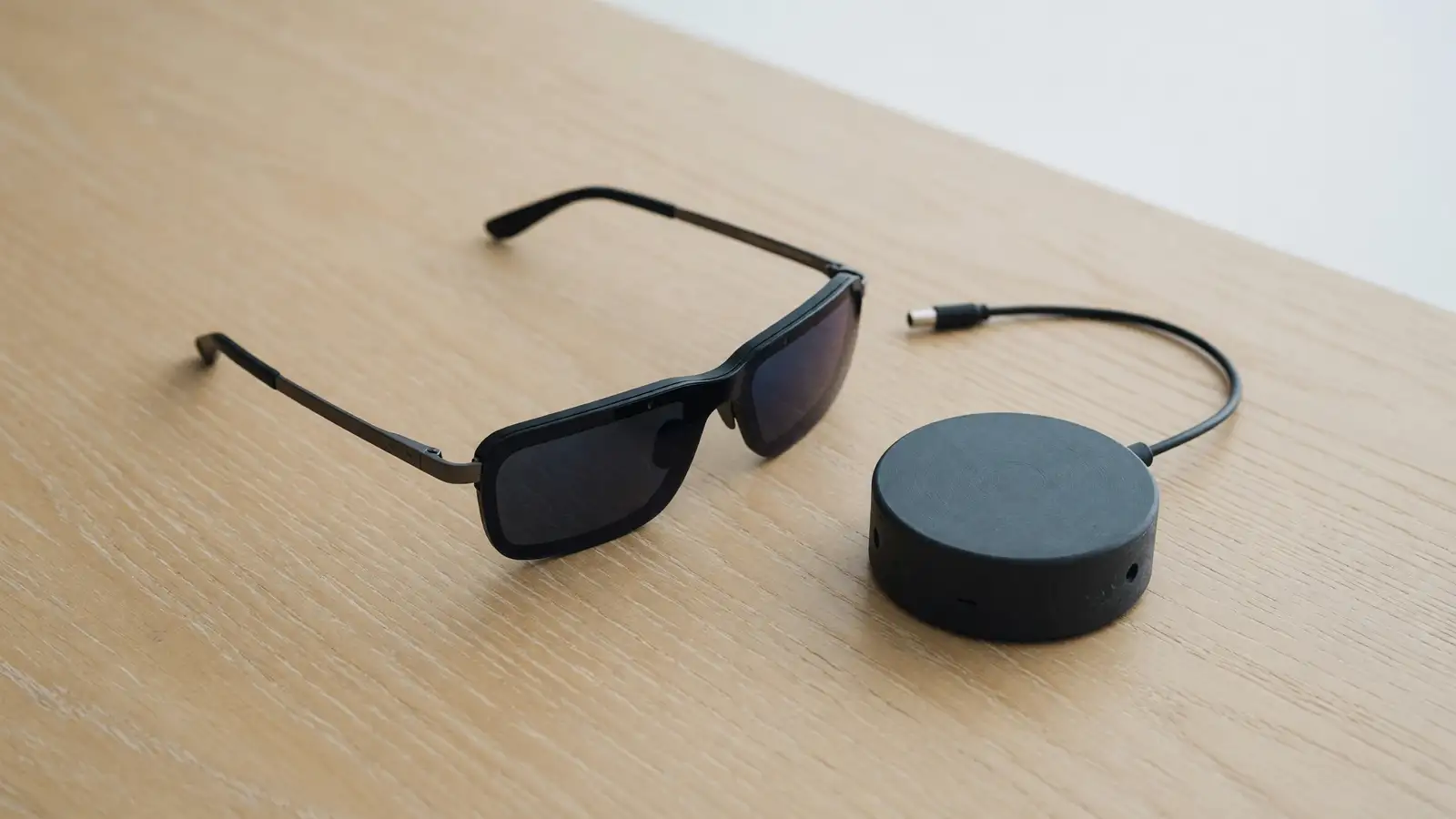
The question is what OpenAI builds. A wearable? A home device? Something that doesn’t map neatly onto existing categories? Meade’s background in headsets and smart glasses points toward wearables, but OpenAI’s partnership with Ive suggests a design philosophy that might reject the idea of strapping a screen to your face.
The Spatial Computing Vacuum at Apple
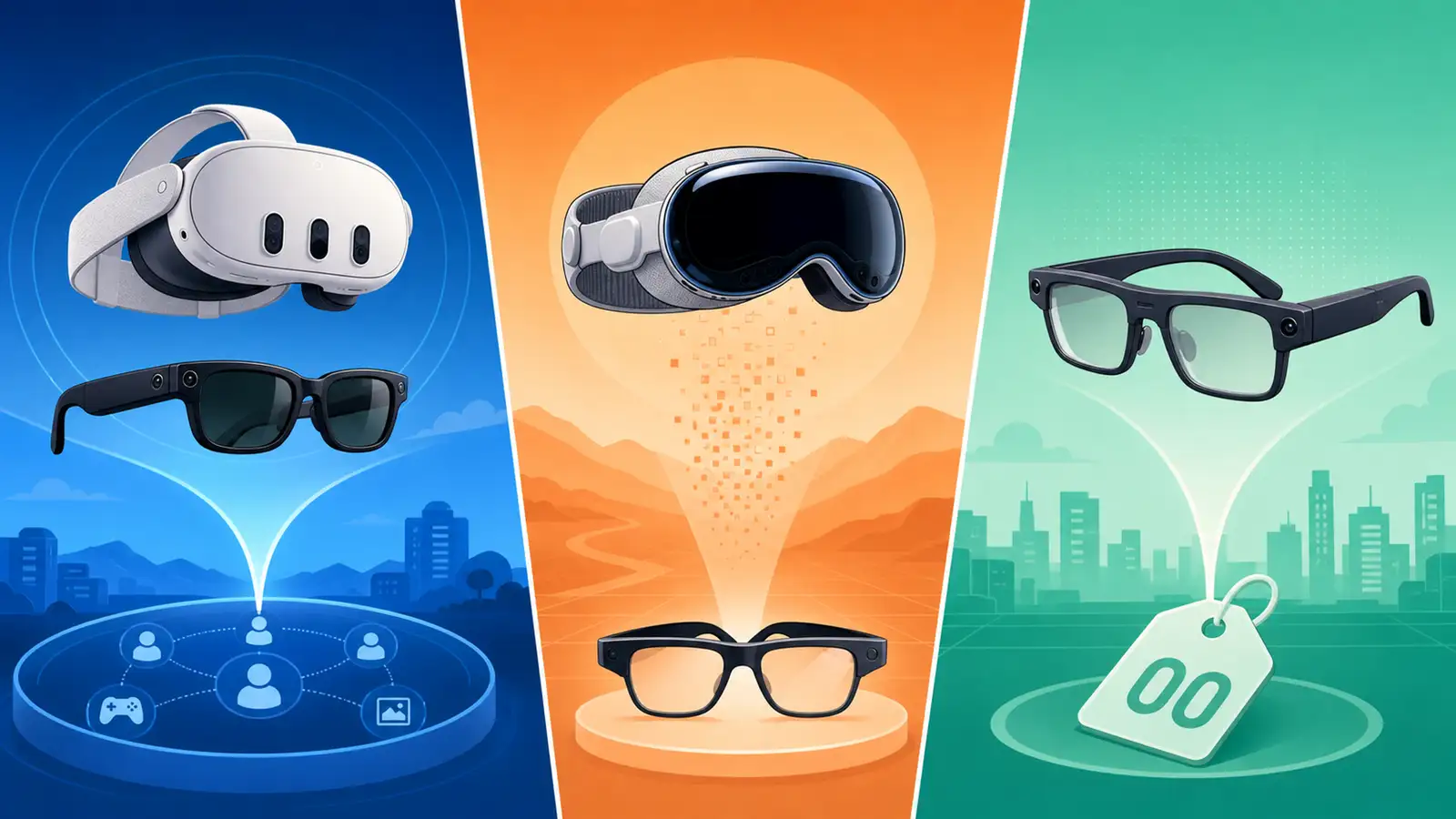
For Apple, the immediate problem is straightforward: the company has lost the person who knew the most about building its next-generation wearable hardware, at a time when Meta is shipping AI smart glasses that reviewers actually like.
Meta’s Ray-Ban partnership has produced glasses that are functional, stylish, and — critically — affordable. The Meta Fury AI Glasses review cycle has been surprisingly positive, and Meta is now the company setting the pace in a category Apple hoped to define. Apple’s own glasses aren’t expected until next year, and they’ll arrive without the executive who shepherded their development.
Vision Pro, meanwhile, exists in an awkward limbo. The device works. The technology is real. But $3,499 is not a consumer price, and the content ecosystem hasn’t materialized the way Apple’s developer relations machine usually ensures. Apple moved Rockwell to Siri — an implicit acknowledgment that AI, not spatial computing, is the company’s most urgent problem. Now Meade is gone too, and the Vision Products Group has lost both its founding visionary and its hardware lead within the span of a year.
The Bigger Pattern
Meade’s move isn’t isolated. It’s part of a broader talent migration that’s been underway since late 2024: hardware engineers and product leaders moving from traditional consumer electronics companies to AI labs that are trying to figure out what physical AI products should look like.
The logic is straightforward. If you believe the next major computing platform will be defined by AI rather than by a new form factor — and that’s increasingly the consensus in Silicon Valley — then the company best positioned to define that platform is the one with the best AI, not the one with the best industrial design or supply chain. Apple’s hardware expertise is world-class, but its AI has been playing catch-up. OpenAI’s AI is ahead, but it has no experience shipping consumer devices.
Hiring Meade is OpenAI’s attempt to close that gap. It’s an expensive bet, but so is doing nothing while Apple, Meta, and Google build AI into every device they sell.
Meade’s departure says less about any individual company’s health than about where the center of gravity in consumer tech has moved. The people who build things are following the technology that matters most. Right now, that’s AI — and it’s not at Apple.