Kling AI Just Raised $2.8 Billion — and the AI Video Generation Wars Just Got Real
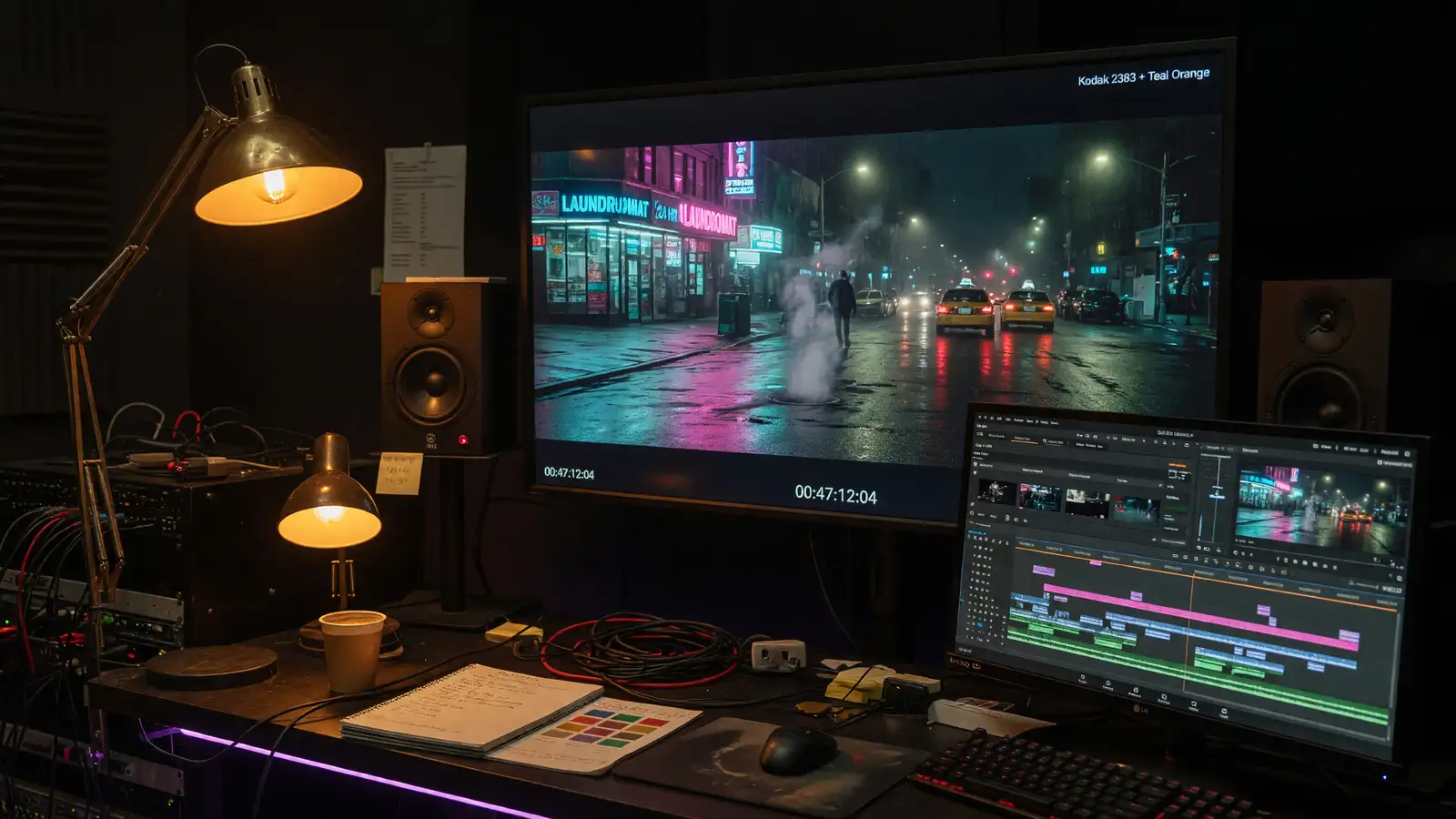
Kuaishou’s AI video subsidiary Kling just pulled in $2.8 billion from Alibaba and Tencent. That number landed on July 3 and immediately sent Kuaishou’s stock down — not because the raise was bad, but because the dilution spooked investors. The market’s reaction, though, misses the bigger story: AI video generation just became a three-horse race, and two of the horses are Chinese.
Kling isn’t a newcomer. It’s been one of the front-runners in text-to-video generation, alongside OpenAI’s Sora and Runway’s Gen-series models. What’s different now is the scale. A $2.8 billion raise for a single subsidiary isn’t a bet on a feature — it’s a bet on a platform. Tencent and Alibaba aren’t backing Kling because they like the demo videos. They’re backing it because they believe AI-generated video is about to eat a meaningful chunk of the content creation industry.
The numbers around this market are getting attention for good reason. Synthesia, the AI avatar video platform, hit a $2.1 billion valuation in 2025. Runway was valued at $4 billion in its last round. The overall AI video market is projected to cross $2.5 billion by 2032, growing at around 20% annually. Kling’s raise alone nearly matches the current size of the entire market — that’s either visionary or reckless, depending on who you ask.
What makes Kling different from Sora is distribution. Kuaishou, its parent company, operates one of China’s largest short-video platforms with over 400 million daily active users. Kling isn’t just developing models in a lab — it has a built-in customer base that creates video content every day. Sora, by contrast, is still largely a research showcase with limited commercial availability. Runway sits somewhere in the middle, with pro-tier creative tools but no consumer distribution platform of its own.
The technology itself is advancing faster than most people realize. Kling’s latest models can generate two-minute videos from text prompts with coherent narratives, character consistency across scenes, and lip-synced dialogue. Six months ago, 30-second clips were the high-water mark. The pace of improvement suggests that by the end of 2026, AI-generated short films with consistent characters and basic plot structures will be feasible — not polished, not ready for theaters, but good enough for social media and advertising at scale.
CapCut, ByteDance’s video editing app, also launched a “Director Mode” this week for creating AI short dramas from a single dashboard. That’s the other flank of this story: the tools are consolidating. It’s no longer just about generating a clip. The platforms are building end-to-end pipelines — script, generate, edit, publish — and whoever controls the pipeline controls the creator ecosystem.
The copyright question remains unresolved. AI video models are trained on vast datasets of existing footage, and the legal framework around what constitutes fair use for video training is even murkier than it is for text. The music industry’s ongoing lawsuits against Suno and Udio are previews of what’s coming for video generators. But the money pouring in suggests investors are betting that regulation will lag far enough behind adoption to make the risk worth taking.
What’s clear is that AI video isn’t a curiosity anymore. It’s a strategic priority for the companies that control digital content distribution. Alibaba and Tencent didn’t put billions into Kling because they think AI-generated TikToks are cute. They did it because they see a future where a meaningful percentage of all video content — ads, product demos, training videos, social clips — is generated, not filmed. And they want to own the infrastructure that generates it.
For Western observers, the Kling raise is also a reminder that China’s AI ambitions extend well beyond language models. While the discourse in the US focuses on GPT-5 benchmarks and agent frameworks, China is quietly building dominance in the modalities that consumers actually interact with: short video, livestreaming, and now AI-generated content. The $2.8 billion is a number. The signal is that the AI video race is accelerating, and the starting line is already behind us.
Related Articles
AI-Generated Content Is Flooding YouTube — and Its CEO Wants to Keep It Human