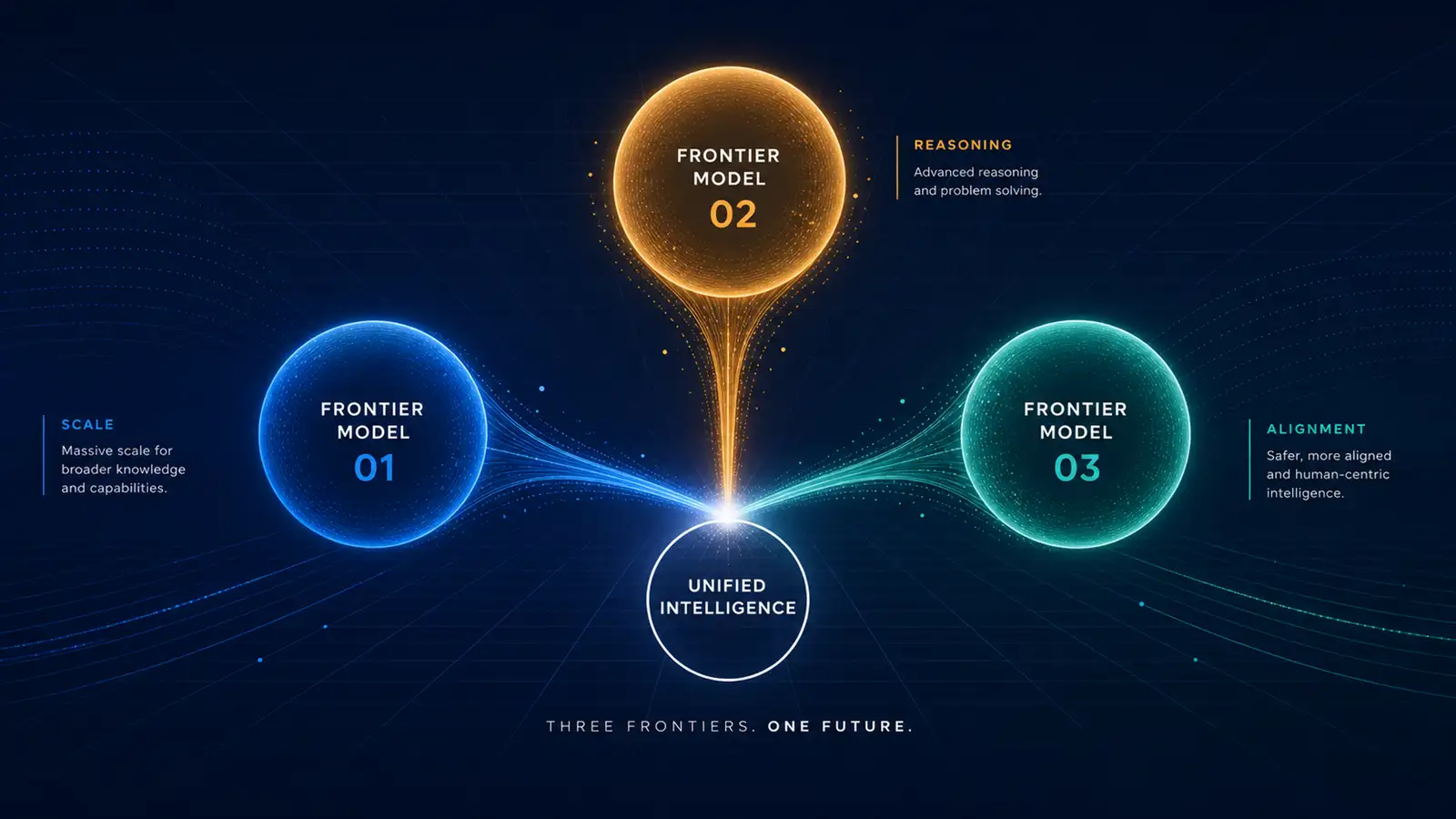
ChatGPT’s user share fell below 50% for the first time, according to data reported in June. The numbers show Gemini and Claude collectively capturing enough of the market to push OpenAI below the majority threshold it’s held since launching the product that defined the category. The reaction from some corners was predictable panic about OpenAI losing its grip. The more interesting read is that this is exactly what a healthy market looks like.
ChatGPT had an unnatural advantage for two years: it was the only AI chatbot most people had heard of. That kind of brand recognition in a new category is unprecedented — imagine if only one company made smartphones for the first two years, or only one search engine existed. The market share numbers aren’t a sign of ChatGPT getting worse. They’re a sign that competitors finally have products worth switching to.
Claude’s rise is particularly instructive. Anthropic didn’t try to out-market OpenAI. It built a product that appealed to a specific audience: developers and researchers who valued careful reasoning, long context windows, and a model that was less prone to hallucination in document-heavy tasks. The launch of Claude Sonnet 5 in late June, positioned as a cheaper agent-optimized model, extended that appeal to builders of autonomous systems who needed reliable reasoning at lower cost.
Gemini’s growth follows a different path: distribution. Google integrated Gemini into Search, Workspace, Android, and YouTube. It didn’t need to convince people to try a new app — it put AI where people already were. The combination of deep product integration and Google’s cloud infrastructure gives Gemini a distribution advantage that’s hard to replicate.
The market share shift matters for two reasons. First, it validates the thesis that AI models are becoming interchangeable infrastructure rather than differentiated products. If users switch between ChatGPT, Claude, and Gemini based on the specific task, then the moat around any single model is shallow. The value moves to the applications built on top of the models, not the models themselves.
Second, it changes the regulatory conversation. A market dominated by a single company invites antitrust scrutiny. A market split among three or four major players with healthy competition looks like the kind of outcome regulators want. OpenAI losing its majority share might be the best thing that could happen to it from a regulatory perspective.
The practical takeaway for users is that model loyalty is becoming a liability. The best approach in mid-2026 is to use the right model for the right task — Claude for document analysis, ChatGPT for creative writing, Gemini for research that benefits from Google’s search integration. The era of one model to rule them all is over. That’s not a failure. It’s maturation.