Volumetric Capture Technology Is Turning the Physical World Into Digital Content
The gap between the physical world and its digital representation is closing. Volumetric capture — the technology that records three-dimensional video of real people, objects, and environments — is advancing from experimental labs to commercial production pipelines, and the implications for how digital content is created and experienced are profound.
How Volumetric Capture Works
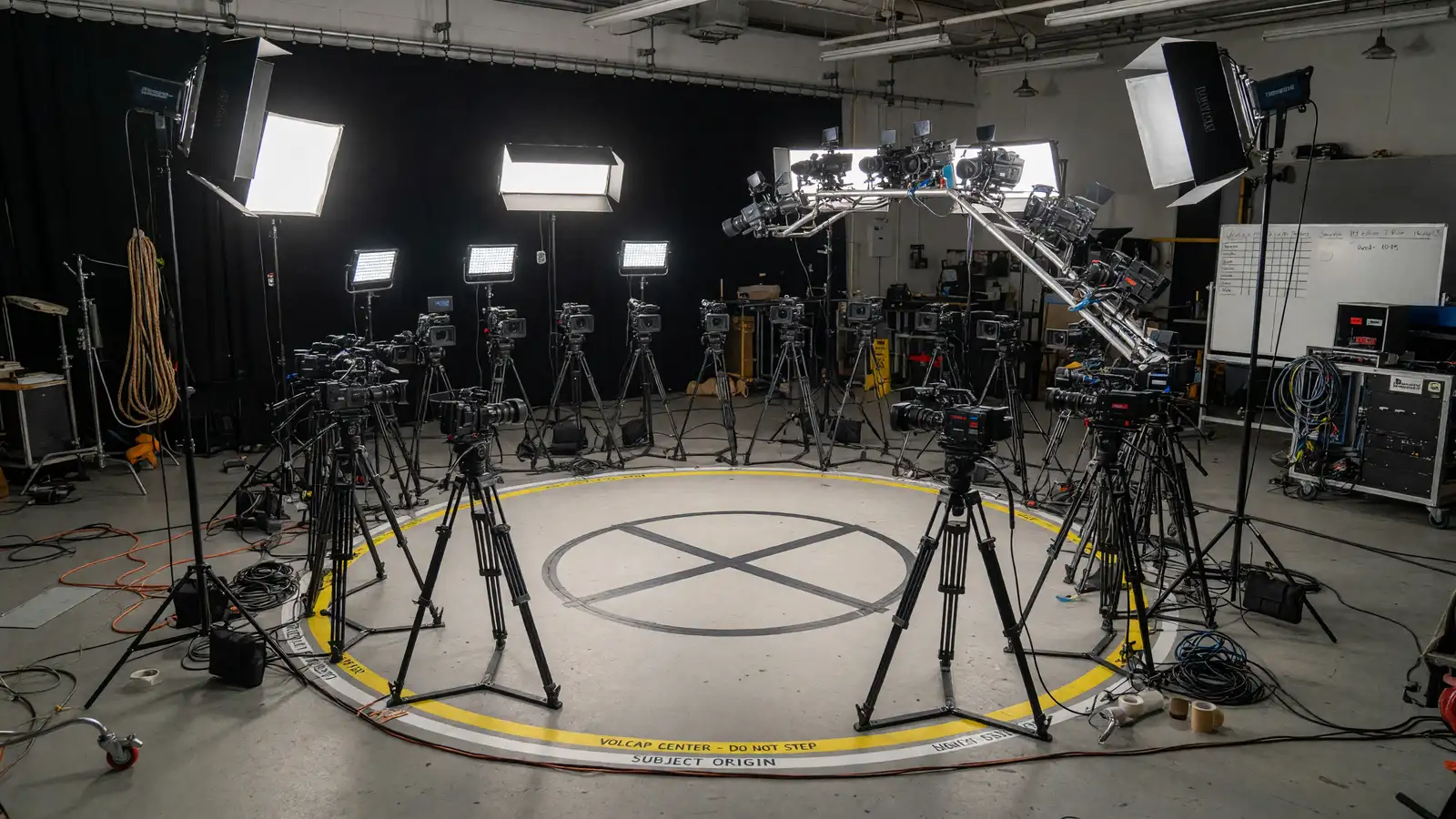
Traditional video captures a 2D projection of a 3D scene from a single viewpoint. Volumetric capture records the scene in three dimensions, typically using arrays of cameras and depth sensors positioned around the subject. The resulting data can be rendered from any angle, allowing viewers to move around a captured performance as if they were in the room.
The technology has been in development for years — Microsoft’s Mixed Reality Capture Studios, Intel’s volumetric capture research, and various startup efforts have demonstrated impressive results. What has changed in 2026 is the accessibility of the technology. Capture systems that once required purpose-built studios costing millions of dollars are being miniaturized and simplified. Software pipelines that once required specialized expertise are becoming productized. The result is that volumetric content creation is transitioning from a bespoke service to a scalable capability.
The Applications
Entertainment is the most visible application. Volumetric capture enables concert performances, theatrical productions, and sports highlights to be experienced from any angle — putting the viewer in the director’s chair rather than assigning them a fixed camera position. The implications for sports broadcasting alone are transformative: imagine watching a game-winning play from the quarterback’s perspective, or from directly above the action, or from the point of view of a specific player — all rendered from volumetric capture data.
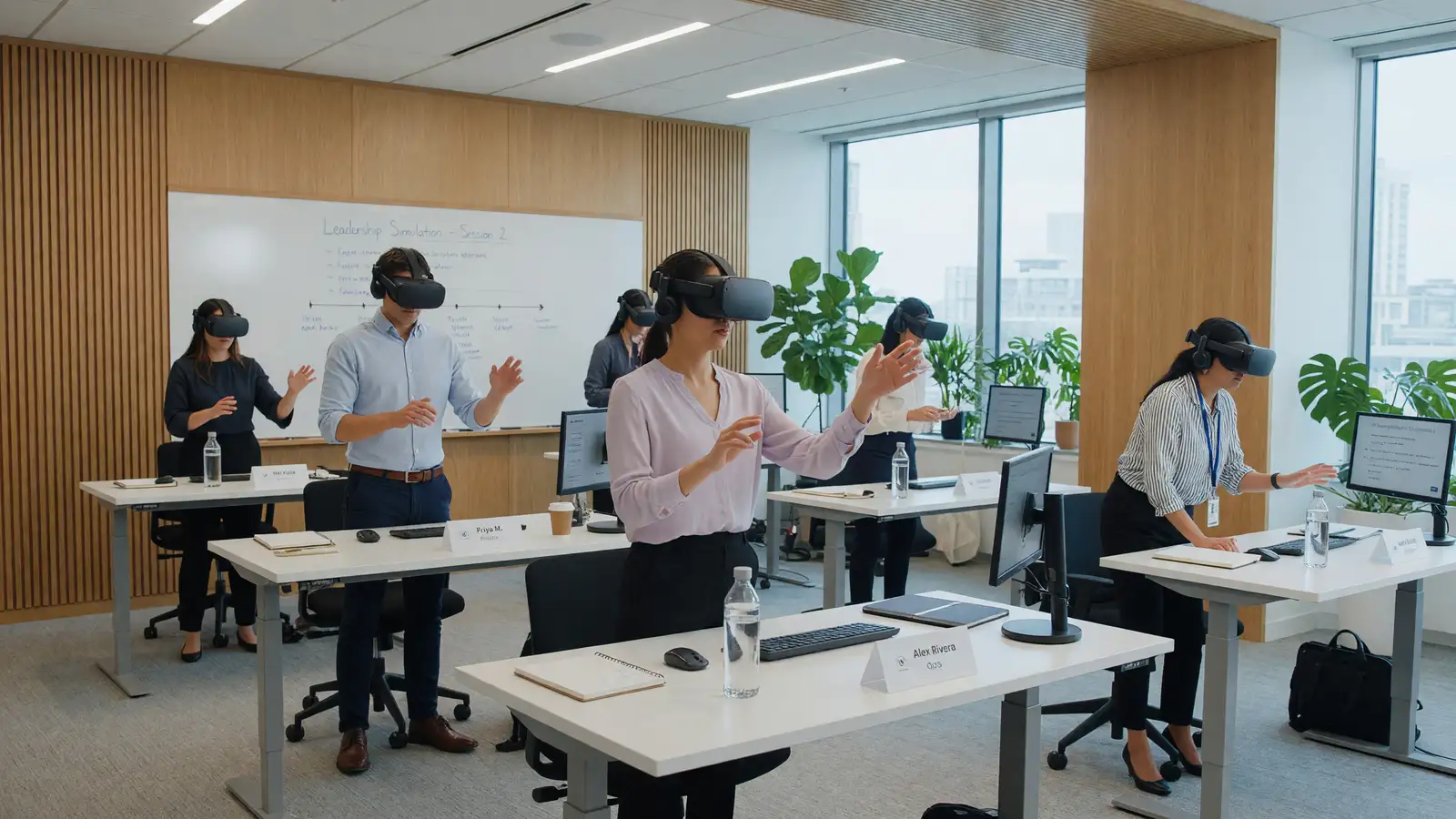
Education and training represent perhaps the most valuable enterprise applications. A volumetric capture of a surgical procedure allows medical students to observe from any angle, including the surgeon’s perspective. A captured lecture allows remote students to “stand” anywhere in the room. A captured equipment maintenance procedure allows technicians to see exactly how a component fits together from any viewpoint.
Architecture, engineering, and construction (AEC) is another domain where volumetric capture is gaining traction. Tools like SHARE3DCAM’s PointClouds Studio, which recently received an AI engine upgrade, enable professionals to capture physical spaces as detailed 3D models for renovation planning, construction documentation, and facility management. The combination of volumetric capture with AI processing — automatically identifying objects, detecting changes, and flagging anomalies — turns raw spatial data into actionable intelligence.
The Computing Challenge
Volumetric capture generates enormous amounts of data. A single minute of high-quality volumetric video can consume gigabytes of storage. Processing that data into a usable format requires significant compute resources. Streaming volumetric content to multiple viewers simultaneously tests the limits of current network infrastructure.
These challenges are being addressed through a combination of improved compression algorithms, more efficient data formats, and the same GPU infrastructure that powers AI and gaming. The convergence of volumetric capture with AI is particularly important — AI models can predict and fill in gaps in capture data, reduce noise, and compress representations in ways that dramatically reduce data requirements without perceptible quality loss.
For content creators, technology strategists, and enterprise innovation teams, volumetric capture deserves attention as one of the technologies that will define the next generation of digital content. The ability to capture and manipulate the physical world in three dimensions is the bridge between reality and the metaverse — and that bridge is getting shorter every year.