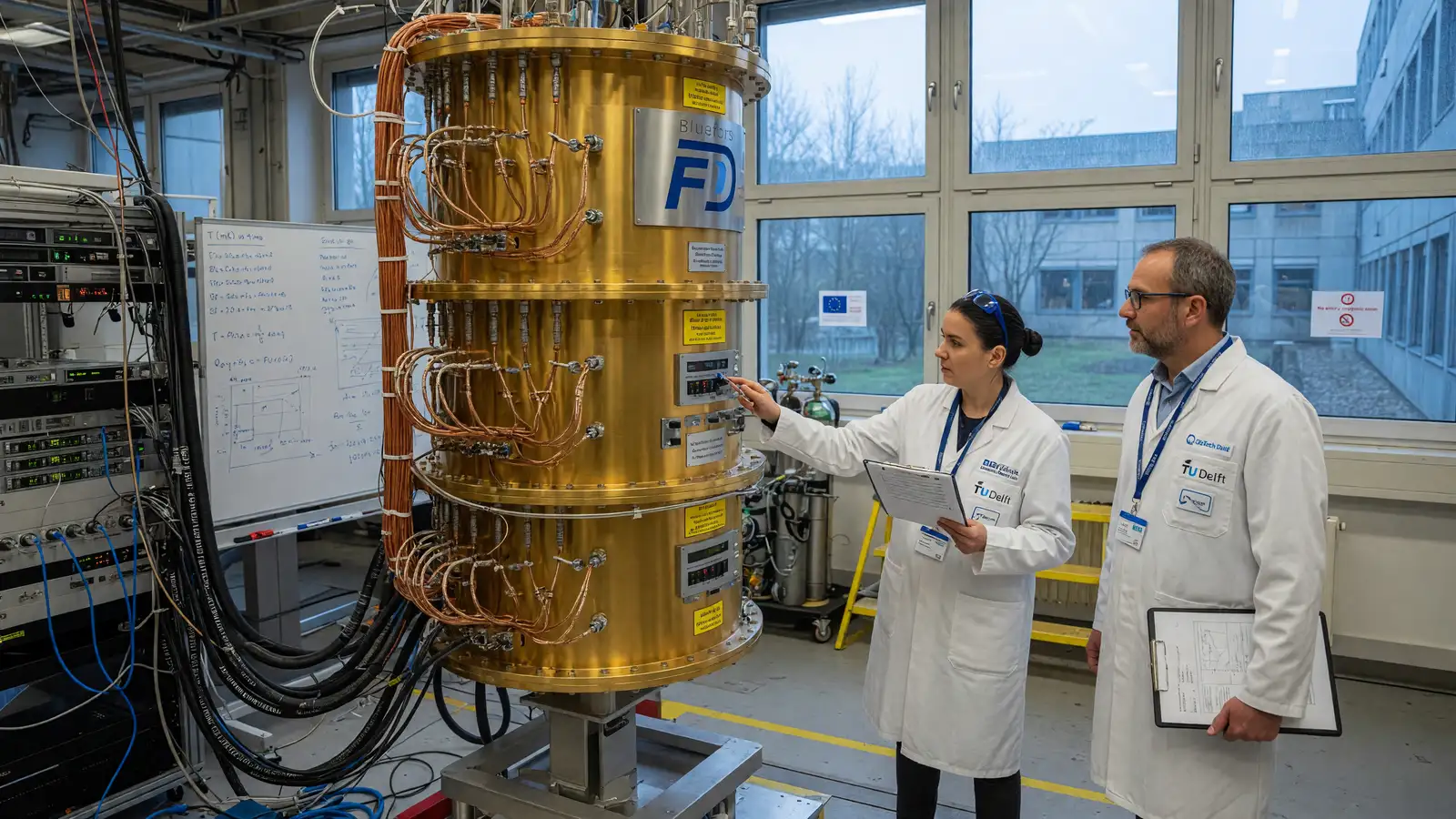
IQM Quantum Computers, the Finnish quantum hardware company, is preparing to list on Nasdaq — making it the second major quantum computing company to go public in 2026, following Quantinuum’s heavily oversubscribed $1.68 billion IPO in June. The two IPOs together signal that quantum computing has crossed a threshold: it’s no longer a government-funded research project. It’s an investable asset class.
IQM isn’t a household name, but it should be. The company builds superconducting quantum processors and has delivered systems to research institutions and supercomputing centers across Europe. Its chips power the VTT quantum computer in Finland and are being integrated into Germany’s national quantum computing infrastructure. The company’s approach is pragmatic: build reliable, mid-scale quantum processors that can do useful work today, rather than chasing qubit counts for press releases. That approach has attracted over €200 million in venture funding from investors including Atomico and the European Innovation Council.
The European angle matters because quantum computing has been dominated by American and Chinese narratives. The US has IBM, Google, and a growing cluster of startups clustered around federal funding. China has been investing heavily in photonic and superconducting quantum research, with breakthroughs like the China Mobile photonic entanglement demonstration this week showing 688 Hz operation at 95.6% fidelity. Europe was at risk of being squeezed out of the quantum race. IQM’s Nasdaq listing is a signal that European quantum companies can compete for global capital and talent.
The IPO timing is opportunistic. Quantum computing stocks have been on a tear since Quantinuum’s debut. Investor appetite for quantum exposure is high, driven by the combination of genuine technical progress and a healthy dose of hype. The White House’s quantum executive orders, which set targets for a 2028 discovery-class quantum computer and a 2030 post-quantum cryptography deadline, have created a policy tailwind that makes quantum companies look like defense contractors — essential infrastructure with government backing.
But the fundamentals are still early. None of the public quantum companies are profitable. Revenue comes primarily from research contracts and government grants, not commercial applications. The promise of quantum computing — exponentially faster solutions to optimization, simulation, and cryptography problems — remains mostly theoretical. The path from lab demonstrations to commercial value is measured in years, not quarters. Investors buying into IQM’s IPO are betting on a technology that doesn’t have a proven business model yet.
That doesn’t mean the bet is wrong. The same was true of AI companies five years ago, and of internet companies in the 1990s. Transformative technologies always look overvalued by traditional metrics during the infrastructure build-out phase. IQM’s Nasdaq listing is a milestone for European deep tech and a test of whether public markets are ready to fund the quantum transition. The technology will take years to mature. The capital to build it is arriving now.