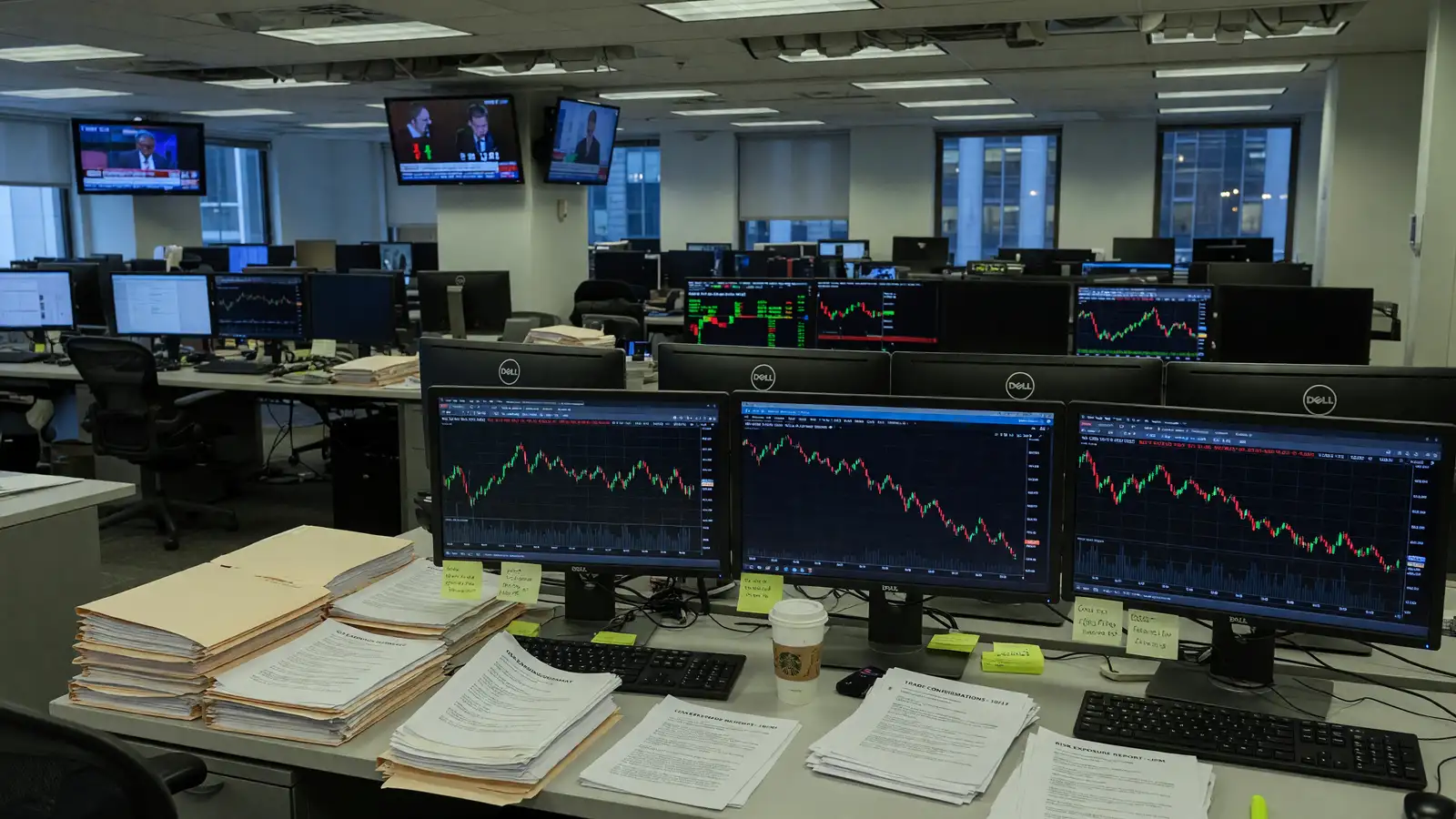
Securitize Just Put $295 Million of Its Own Stock on Solana — Tokenization Is Eating Wall Street
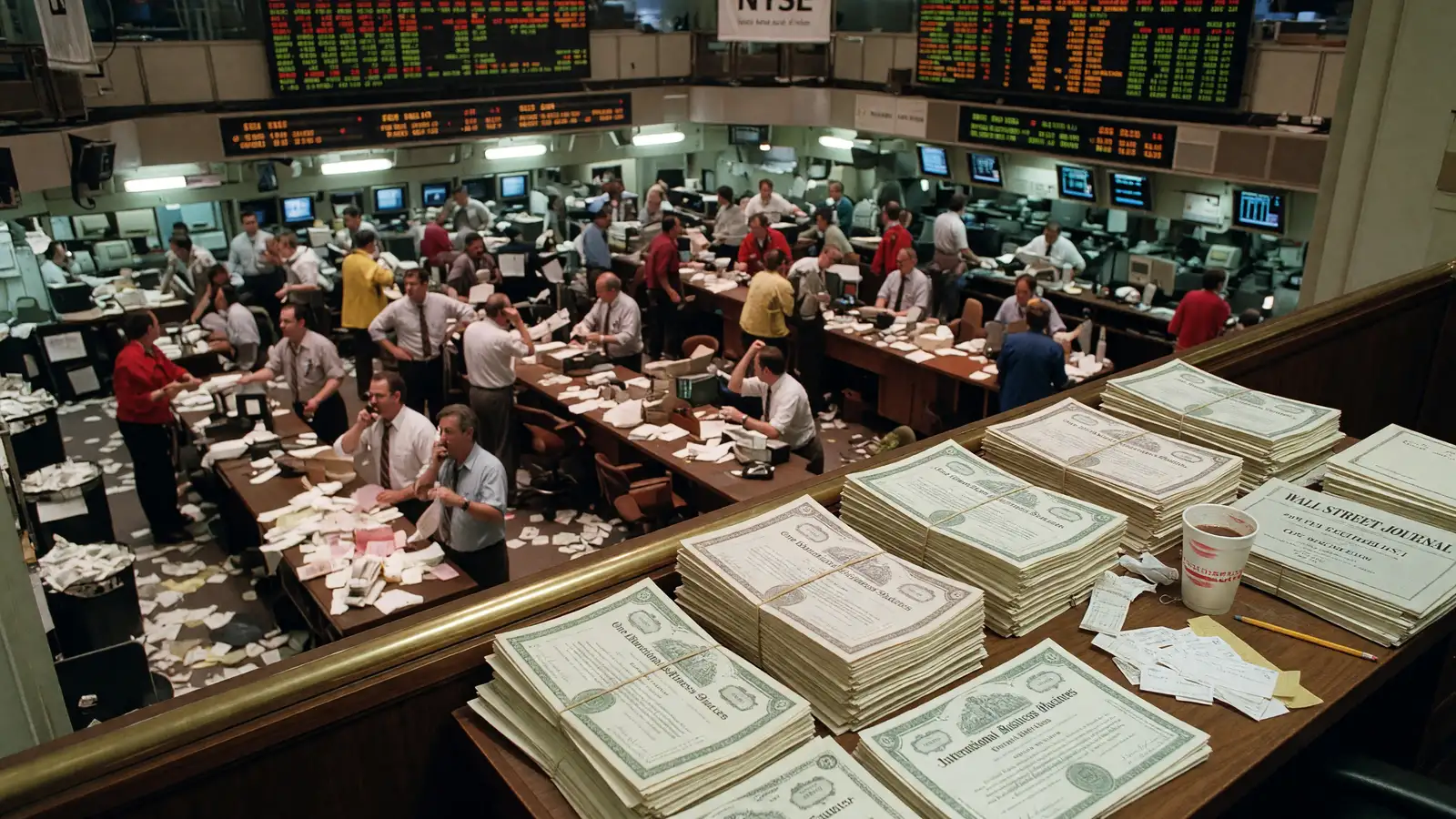
Securitize, the tokenization platform that BlackRock uses for its on-chain money market fund, just tokenized $295 million of its own stock on Solana and Avalanche. The move came days before the company’s planned NYSE debut, making it one of the few companies to have its equity simultaneously trading on a traditional exchange and living as tokens on public blockchains. The symbolism is hard to miss: the company that helps Wall Street go on-chain is itself going on-chain.
The mechanics are worth understanding because they’re more significant than the dollar amount suggests. Securitize didn’t just issue a token that represents its stock — it used its own regulated tokenization infrastructure, the same platform that powers BlackRock’s BUIDL fund and Hamilton Lane’s tokenized private equity products. This is a company eating its own dog food at scale, demonstrating that the infrastructure for compliant, regulated tokenized securities is production-ready.
Solana’s role in the transaction is notable too. For most of its history, Solana was positioned as a high-throughput chain for DeFi and consumer applications — fast and cheap but not the first choice for institutional-grade tokenization, where Ethereum’s security and ecosystem depth have been dominant. Securitize choosing Solana alongside Avalanche for its own equity tokenization is a vote of confidence in Solana’s institutional readiness. Combined with MoneyGram’s decision last week to run a Solana validator node, there’s a pattern emerging: Solana is quietly building institutional credibility that wasn’t part of its original narrative.
The broader context is that tokenization of real-world assets has gone from experiment to inevitability in about eighteen months. Wall Street now has $31 billion in tokenized capital sitting on various blockchains, according to recent data. The paradox is that most of it sits idle — issued but not actively traded or used as collateral. Securitize tokenizing its own equity is different because it’s not a proof of concept. It’s a company putting its own value on-chain as part of a real capital markets event.
The NYSE debut adds another layer. A publicly traded tokenization company with its own equity on-chain creates a feedback loop: the company’s financial performance depends on adoption of tokenization, and its own tokenized equity becomes a case study for potential clients. If Securitize’s tokenized stock trades efficiently, settles instantly, and enables new forms of programmatic corporate actions, it makes the case better than any white paper could.
The open question is liquidity. Tokenized securities are only as useful as the markets that trade them. A token that exists but can’t be easily bought, sold, or used as collateral is just a digital representation of a paper certificate — faster settlement without better market access doesn’t add much value. The real test for Securitize and the broader tokenization movement is whether tokenized equities develop secondary markets with meaningful volume. The infrastructure is ready. The assets are on-chain. The missing piece is the trading activity that makes tokens more than a compliance exercise.