Unilever Is Scaling AI Digital Twins Across Its Entire Factory Network
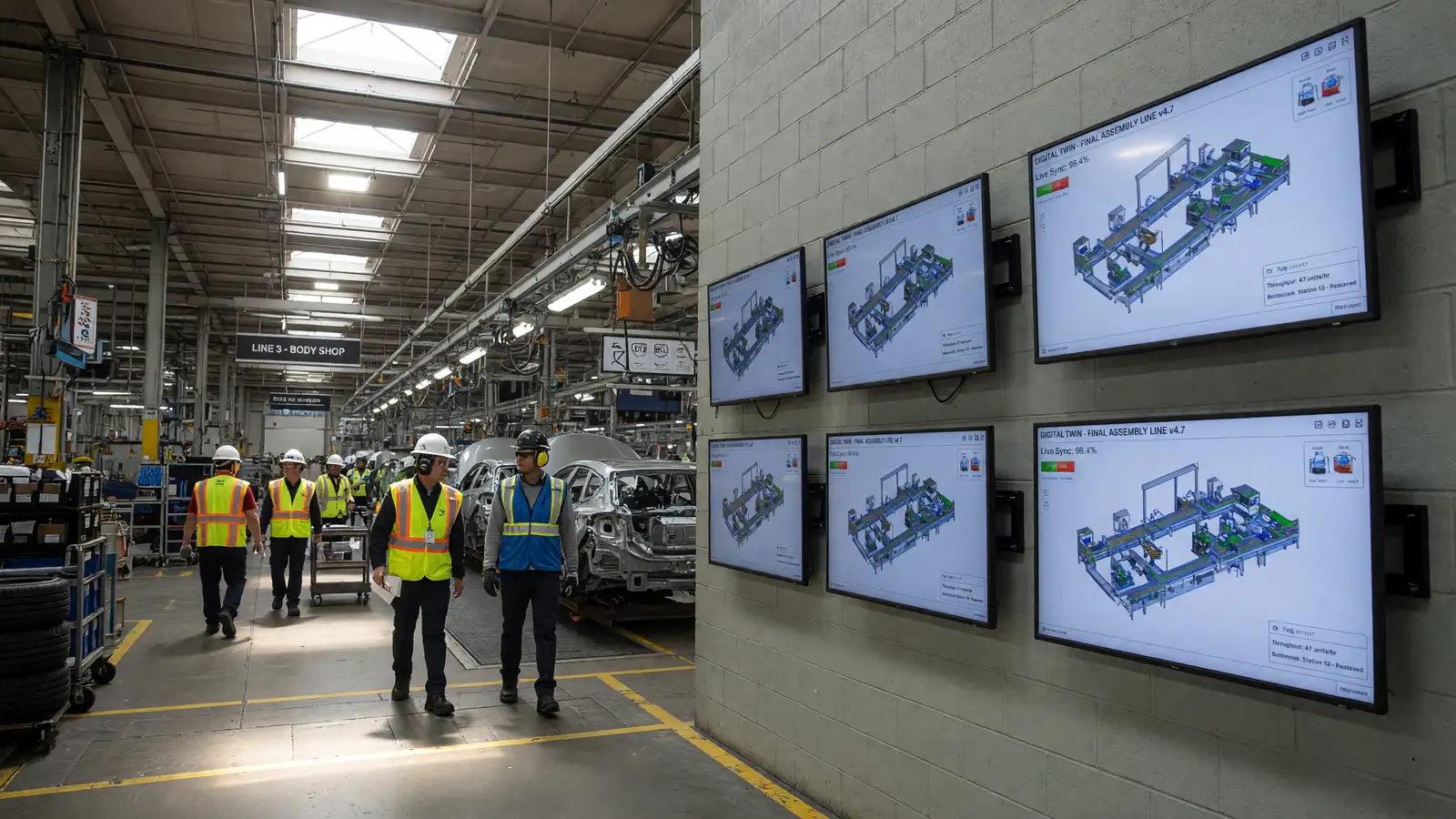
When most people hear “metaverse,” they picture virtual worlds and avatars. But the most economically significant application of real-time 3D simulation and digital twin technology is happening somewhere far less glamorous: factory floors. Unilever, the consumer goods conglomerate behind brands like Dove, Hellmann’s, and Ben & Jerry’s, is now scaling AI-powered digital twins across its global network of hundreds of factories — and the early results suggest this is where the industrial metaverse actually delivers on its promise.
From Pilot to Global Scale
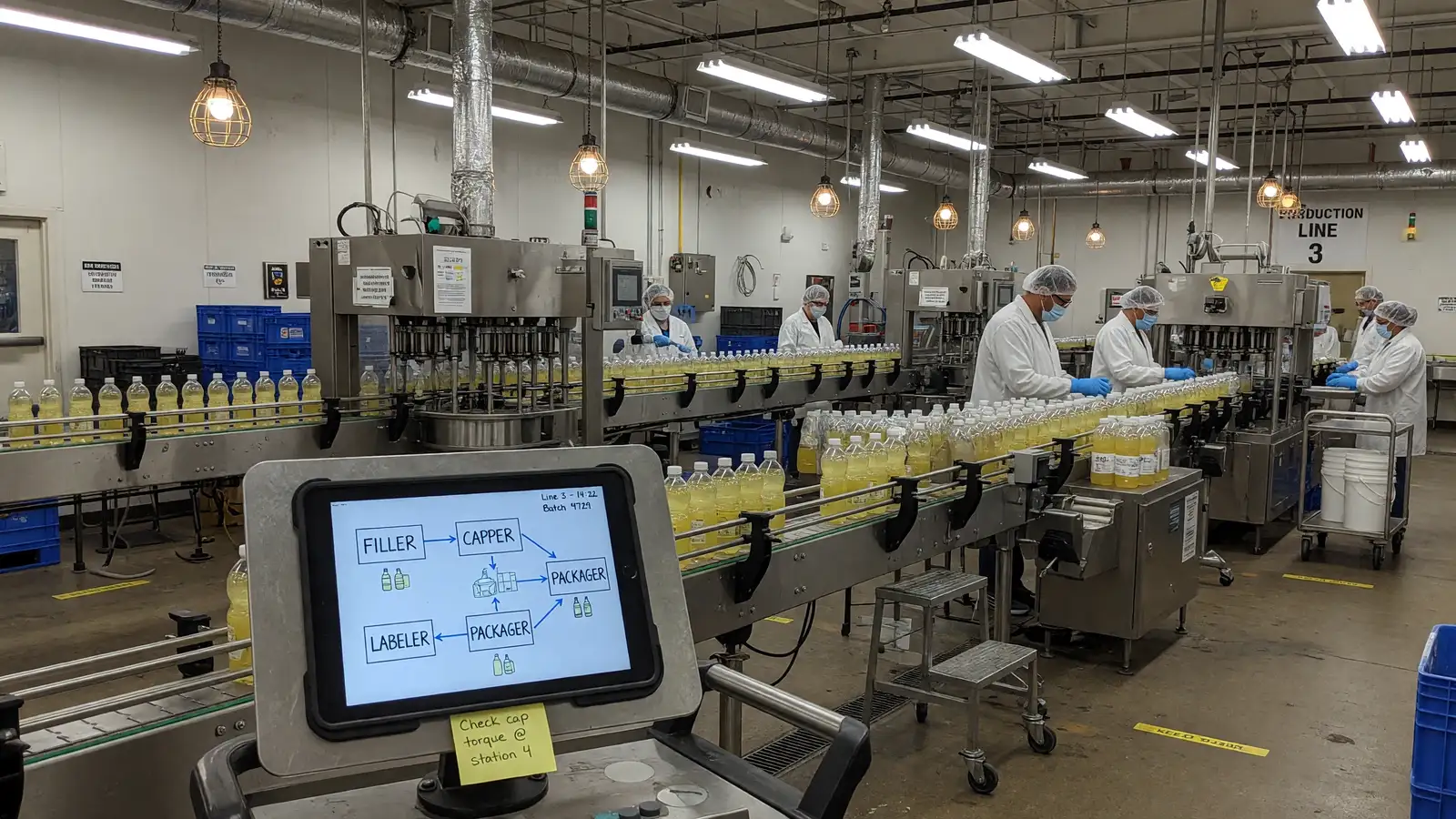
Unilever’s digital twin initiative began as a proof of concept in a handful of factories, focusing on discrete production lines for high-volume products. The goal was straightforward: create a real-time virtual replica of the physical production environment that could simulate changes, predict failures, and optimize parameters without disrupting actual production. The results were compelling enough that Unilever has now committed to scaling the technology across its entire manufacturing footprint, systematically rolling out AI digital twin capabilities factory by factory.
What Digital Twins Actually Do on a Factory Floor
A digital twin in manufacturing is not a static 3D model. It is a living simulation fed by thousands of IoT sensors capturing real-time data on temperature, pressure, vibration, flow rates, and dozens of other parameters across every stage of production. The AI layer sits on top of this data stream, continuously comparing actual performance against optimal parameters and flagging deviations before they become problems. When a pump bearing shows early signs of wear — detectable as a subtle change in vibration frequency that no human operator would notice — the digital twin can schedule preventive maintenance during the next planned downtime, avoiding an unplanned line stoppage costing hundreds of thousands in lost production.
Beyond predictive maintenance, the digital twin enables what-if simulation impossible in the physical world. Want to know what happens if you increase line speed by 12 percent? Change a raw material supplier? The digital twin simulates the outcome in minutes.
The Sustainability Connection
For Unilever, the digital twin initiative ties closely to its net-zero sustainability commitments. Energy optimization — running equipment at parameters minimizing power consumption per unit of output — can reduce a factory’s carbon footprint by 5-15% without capital investment. Waste reduction, achieved by catching quality deviations earlier and optimizing material usage, directly reduces both cost and environmental impact. Water usage optimization, critical for personal care and home care product lines, can be precisely managed when every liter is tracked through the digital twin.
The Industrial Metaverse Is Real — Just Not What You Expected
The Unilever deployment illustrates a broader truth about enterprise adoption of metaverse-adjacent technologies. While consumer-facing virtual worlds have struggled to find sustainable business models, industrial applications of digital twin, spatial computing, and real-time simulation are generating measurable ROI in some of the world’s most traditional industries. NVIDIA has positioned its Omniverse platform for exactly this use case, and manufacturers are integrating digital twin capabilities directly into product offerings. The metaverse technologies delivering return on investment in 2026 are not the ones in consumer tech headlines — they are the ones quietly optimizing production lines, reducing carbon emissions, and saving millions in avoided downtime, one factory floor at a time.