Getty's OpenAI Deal Leaves the Biggest AI Copyright Questions Unanswered
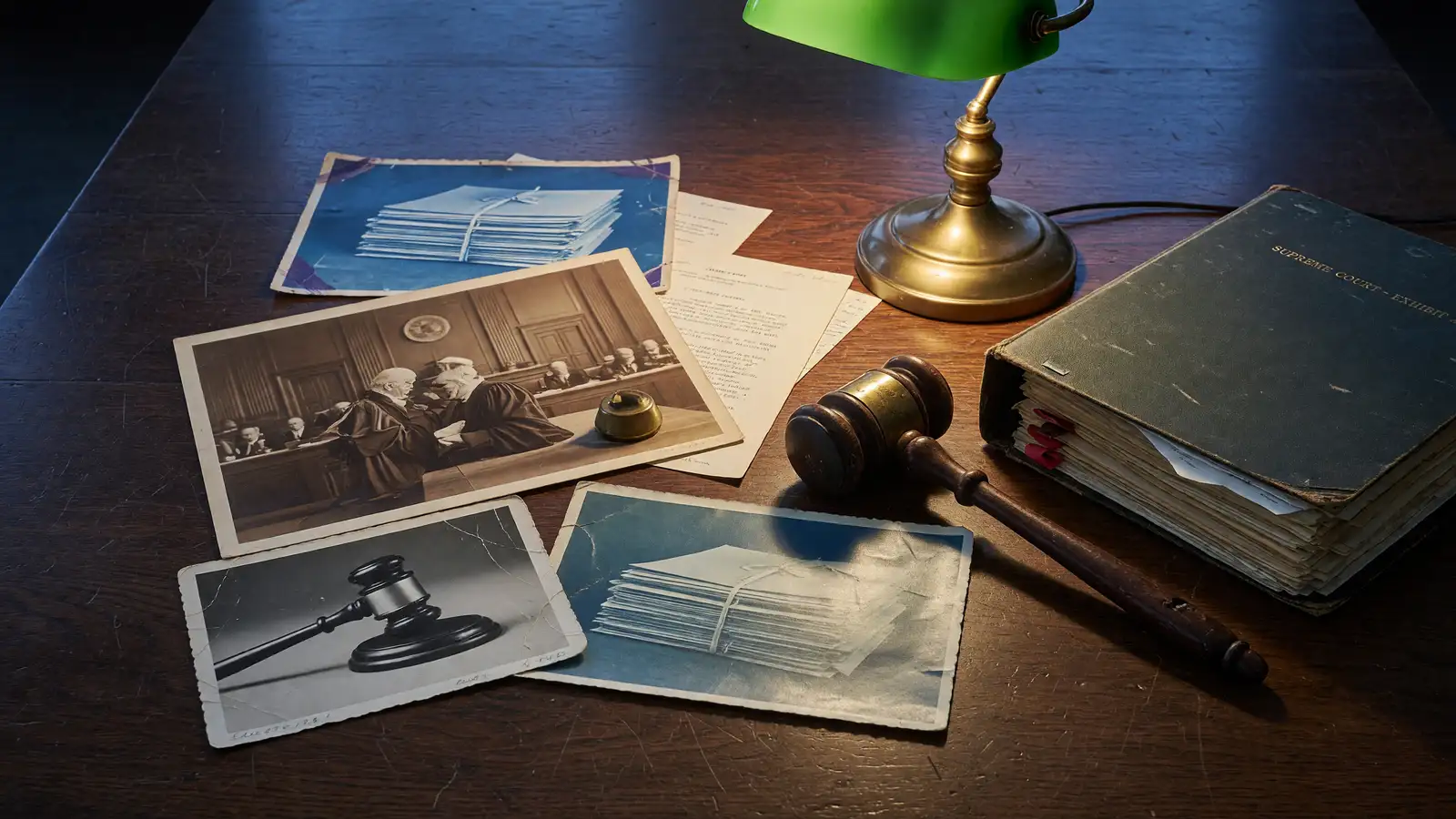
Getty Images’ licensing agreement with OpenAI, announced in mid-2026, represents the most significant settlement yet in the ongoing legal battle over AI training data. But as Forbes noted in its analysis, the deal “leaves IP issues open” — resolving Getty’s specific claims while doing nothing to clarify the broader legal framework that will govern how AI companies can use copyrighted content to train their models.
What the Deal Actually Resolves
Getty sued Stability AI in 2023, alleging that the AI image generator had used millions of Getty images without permission to train its models. The lawsuit became one of the defining cases in the AI copyright wars. The OpenAI deal resolves Getty’s claims against at least one major AI company: OpenAI gets a license to use Getty’s image library for training purposes, and Getty gets a revenue stream from AI companies using its content.
For Getty, the deal is strategically smart. The company monetizes its content library through a new channel, establishes a licensing model that other AI companies might follow, and avoids the uncertain outcome of litigation. For OpenAI, the deal reduces legal risk and provides access to a high-quality, legally clean training dataset — valuable both for model training and for the legal defensibility of the resulting models.
What the Deal Leaves Unresolved
The Getty-OpenAI deal resolves one company’s exposure but does nothing to establish legal precedent. Every other copyright holder — from individual artists and photographers to major publishers and record labels — still faces the same fundamental questions: Does training AI models on copyrighted content constitute fair use? If not, what is the appropriate licensing framework? How should creators be compensated for the use of their work in AI training?
The fair use question is currently being litigated in multiple jurisdictions. In the United States, several cases — including the New York Times lawsuit against OpenAI and various class actions by authors and artists — are working their way through federal courts. The outcomes will depend on how courts apply the four-factor fair use test to AI training, which is genuinely novel legal territory. The transformative use factor — whether AI training transforms the original work or merely copies it — is particularly contested.
The Business Model Implications
The Getty deal, whatever its legal limitations, points toward a likely resolution of the AI copyright question: licensing. Major content owners with strong negotiating positions — Getty, major publishers, music labels — will strike licensing deals with AI companies. Individual creators and smaller rights holders will likely be covered by collective licensing arrangements or, failing that, will lack the resources to pursue individual claims.
This outcome would replicate the pattern established in earlier technology transitions: music streaming, video platforms, and news aggregation all eventually developed licensing frameworks after initial periods of legal conflict. The difference with AI is that the technology’s ability to generate content that competes with the original makes the stakes higher — a music streaming service promotes the original recordings; an AI image generator can produce images that substitute for the original photographs.
For creators, publishers, and AI developers alike, the Getty-OpenAI deal is a milestone — but it is a milestone on a road whose destination remains unclear. The fundamental legal and economic questions about AI and copyright will be resolved not by individual deals but by legislation, regulation, and court decisions that are still years away from final resolution.
Related Articles
OpenAI Posted 722 Math Papers. No Workshop Date.
OpenAI Shelved GPT-6.1 Astra After the Scope Tests