AI-Powered Drug Discovery Is Finally Delivering on Its Promise
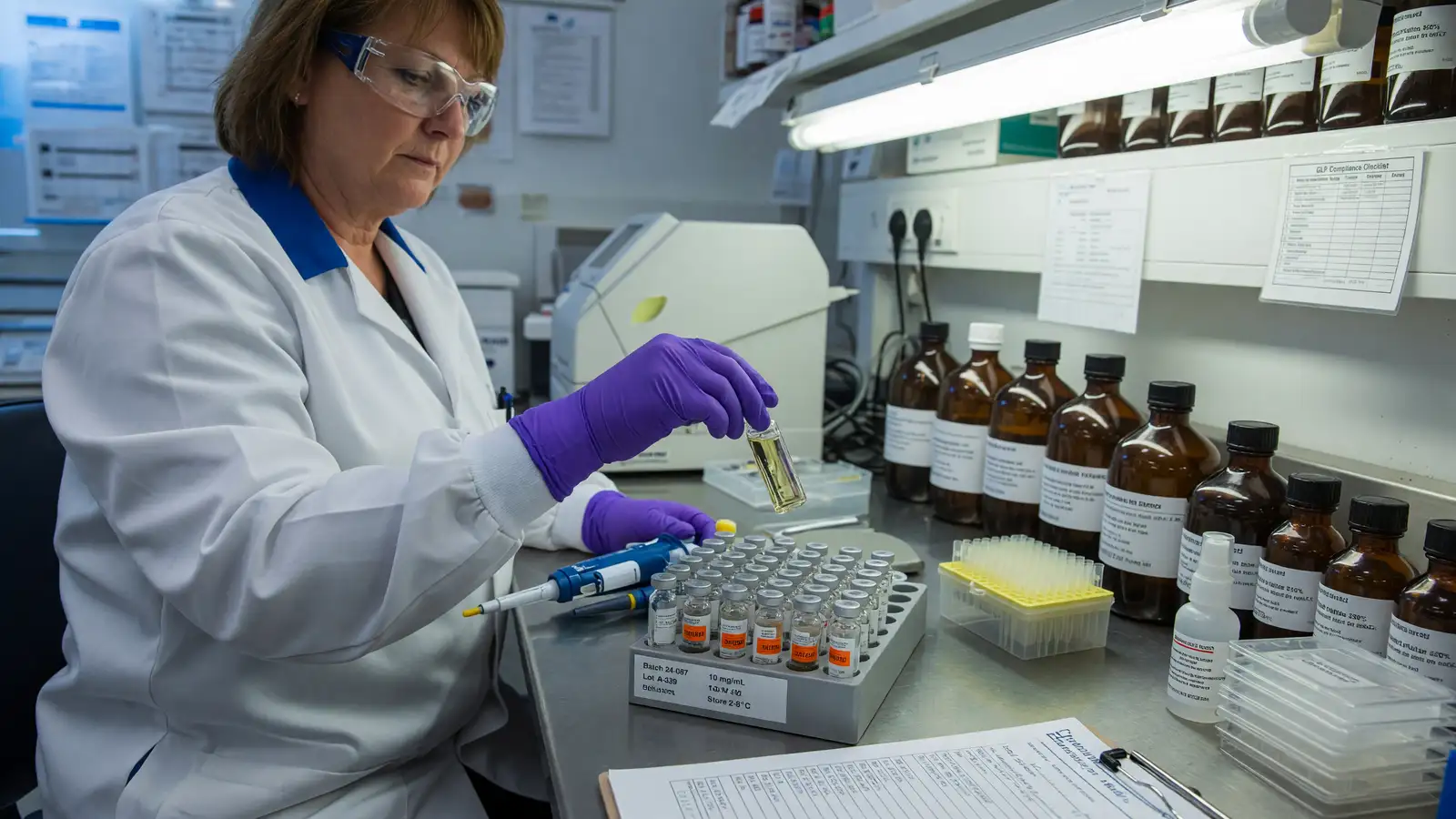
The pharmaceutical industry’s relationship with AI has evolved from skepticism to cautious experimentation to genuine reliance in less than five years. In 2026, AI-powered drug discovery platforms are no longer promising future breakthroughs — they are delivering clinical candidates at velocities that are reshaping R&D timelines and forcing a reevaluation of how drug development should be organized.
The Numbers Behind the Shift
The evidence for AI’s impact on drug discovery is accumulating rapidly. AI-discovered molecules are entering clinical trials at rates that were inconceivable a decade ago. The traditional drug discovery timeline — measured in years from target identification to clinical candidate — is being compressed to months for AI-accelerated programs. Several AI-designed drugs have reached Phase II clinical trials, and at least one (Insilico Medicine’s AI-discovered idiopathic pulmonary fibrosis treatment) has progressed to Phase II with promising early data.
The efficiency gains are not just about speed. AI platforms are identifying drug candidates that human researchers likely would not have considered — exploring chemical spaces too vast for traditional high-throughput screening and identifying unexpected connections between molecular structures and therapeutic effects. This exploration of “dark chemical space” — the vast universe of theoretically possible drug-like molecules that have never been synthesized or tested — may be AI’s most important contribution to drug discovery.
The Platform Model
The AI drug discovery landscape has evolved into a platform model that mirrors the broader AI industry. Companies like Insilico Medicine, Recursion Pharmaceuticals, and Isomorphic Labs (DeepMind’s drug discovery spinout) are building integrated platforms that span the drug discovery pipeline — from target identification through lead optimization to preclinical development. These platforms combine multiple AI techniques: generative models for molecular design, predictive models for toxicity and pharmacokinetics, and large language models for mining the scientific literature.
The pharmaceutical industry’s response has shifted from wariness to partnership. Major pharma companies — Pfizer, Novartis, Roche, and others — have established AI drug discovery collaborations, effectively outsourcing portions of their early-stage R&D to AI-native platforms. This mirrors the dynamic in other industries where AI-native companies are proving more effective at AI-specific tasks than incumbents attempting to build AI capabilities internally.
The Regulatory Frontier
The emergence of AI-discovered drugs raises novel regulatory questions. How should regulators evaluate drugs designed by algorithms that cannot explain their reasoning in human-comprehensible terms? What additional safety evidence is required when the drug candidate emerged from a computational process rather than a biological hypothesis? How should clinical trial protocols adapt to AI-accelerated discovery timelines?
Regulatory agencies, particularly the FDA and EMA, have been developing frameworks for AI-discovered drugs. The approach has been pragmatic: evaluate the drug based on its clinical evidence, not its discovery method. But the volume of AI-discovered candidates entering the pipeline will stress regulatory capacity, and the agencies that adapt their review processes to handle AI-accelerated submissions will influence where AI-discovered drugs are developed and tested.
For the pharmaceutical industry, AI drug discovery is transitioning from competitive differentiator to competitive necessity. The companies that integrate AI deeply into their R&D processes — not as a bolt-on tool but as a fundamental reorganization of how drug discovery is done — will be the ones that thrive in an era when the pace of pharmaceutical innovation is being redefined.