Web3 Gaming in 2026: Fewer Players, Better Games, and a Sustainable Model Emerging
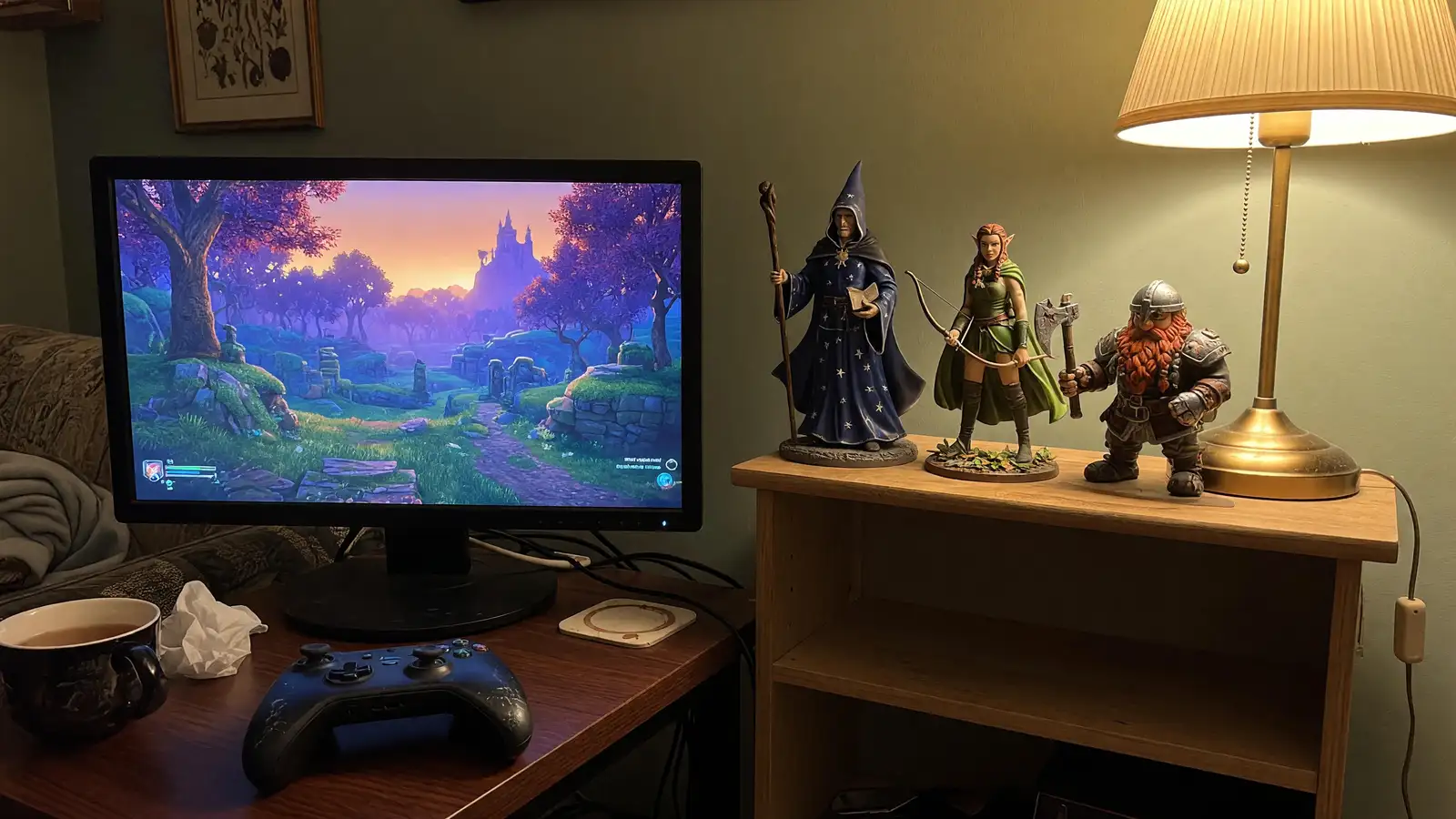
The Web3 gaming narrative has been through a complete cycle: explosive growth during the 2021-2022 play-to-earn boom, a brutal correction as unsustainable tokenomics collapsed, and now — quietly, without the headlines — the emergence of a model that might actually work. The PC Gaming Show’s 2026 lineup, as covered by Game Informer, included several blockchain-integrated titles that look less like crypto experiments and more like actual games.
What Changed
The fundamental problem with early Web3 gaming was that the incentives were backwards. Games were designed around tokenomics rather than gameplay, attracting players who were speculators rather than gamers. When token prices inevitably declined, the players — who were only there for the money — left, and the games collapsed. The “play-to-earn” model turned out to be “play-to-extract,” and extraction economies are not sustainable.
The 2026 generation of Web3 games has internalized this lesson. The games that are surviving and growing are designed as games first — with compelling gameplay, genuine entertainment value, and communities that would exist even without the crypto elements. The blockchain layer provides additional capabilities — true ownership of in-game assets, interoperability between games, player-driven economies — but these are features that enhance the gaming experience, not substitutes for it.
The Sustainable Tokenomics Model
The tokenomics of sustainable Web3 games look very different from the speculative models of the play-to-earn era. Instead of infinite token emissions that create permanent sell pressure, sustainable games use limited, deflationary, or utility-gated token models. Instead of rewarding all player activity equally (which incentivizes botting and extraction), they reward activities that contribute genuine value to the game ecosystem — content creation, community building, competitive achievement.
Most importantly, the revenue model has shifted. Early Web3 games tried to fund themselves through token sales and NFT minting — extracting value from players before delivering value to them. Sustainable Web3 games generate revenue through conventional gaming business models — game sales, subscriptions, cosmetic microtransactions — with blockchain elements adding optional value rather than mandatory extraction.
The Platform Question
Web3 gaming still faces a significant platform challenge. Steam, the dominant PC gaming platform, has banned blockchain games. Epic Games Store and the major console platforms have been cautiously receptive but have not embraced Web3 gaming in a way that provides meaningful distribution. Mobile platforms’ restrictions on crypto transactions limit the largest gaming market’s accessibility.
The platform situation is improving but slowly. Dedicated Web3 game distribution platforms — like Immutable’s marketplace and various Layer 2-based game stores — are growing but lack the user bases of mainstream platforms. The breakthrough will come when a major platform fully embraces Web3 gaming, or when a Web3-native platform achieves sufficient user scale to matter independently. Neither has happened yet in 2026, but both are increasingly plausible.
For game developers and investors, the Web3 gaming landscape in 2026 offers a clear lesson: blockchain is a tool for making better games, not a substitute for making them. The teams that understand this — that build great games and use blockchain where it genuinely enhances the player experience — are the ones building the sustainable future of Web3 gaming. The teams still chasing token speculation as a business model are, increasingly, talking to themselves.