Space-Based Blockchain Is No Longer Science Fiction — SEALCOIN Just Got a $4 Million Push
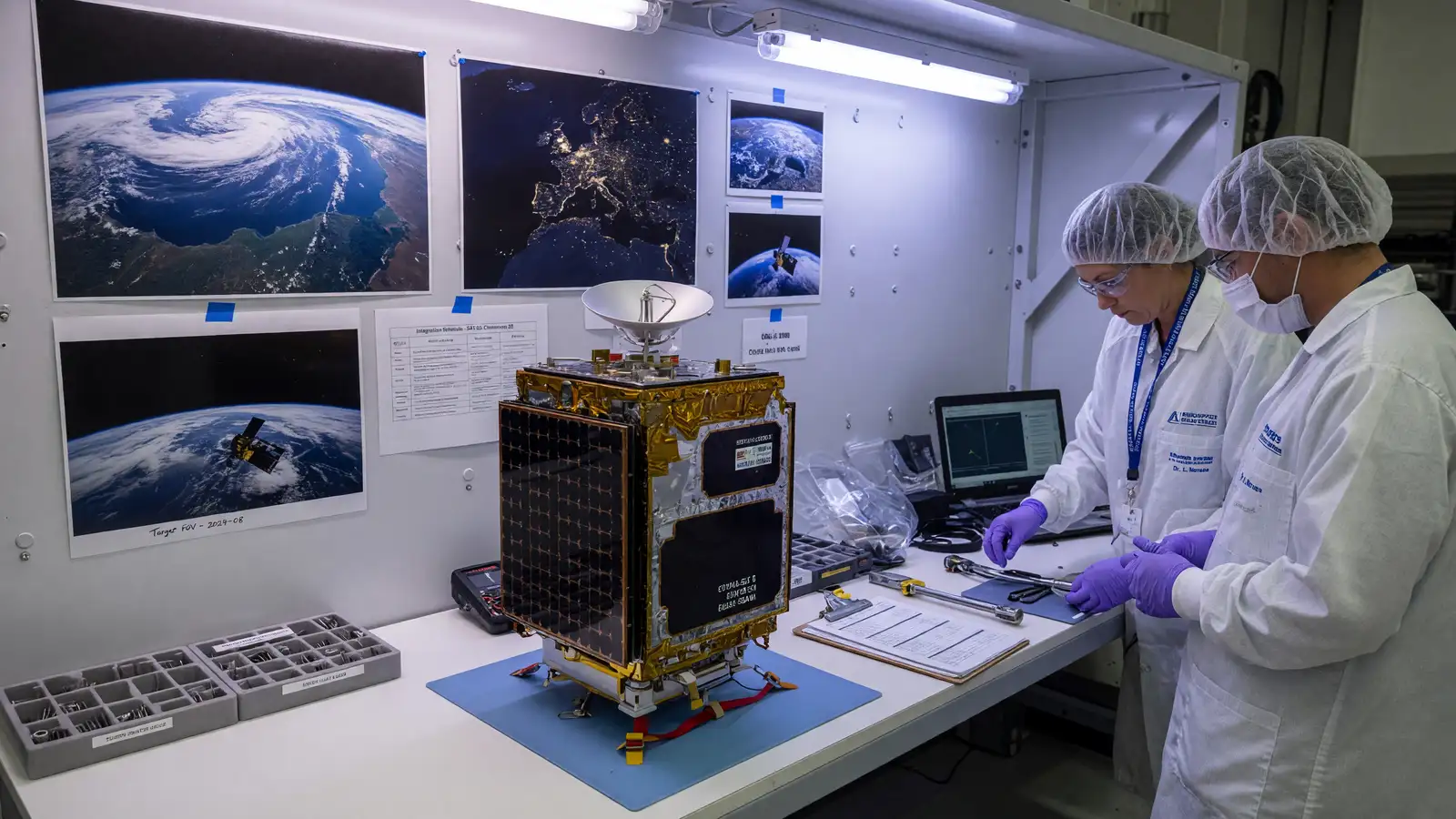
The concept of running blockchain infrastructure in space has hovered at the edge of credibility for years — technically fascinating, economically unproven, and easily dismissed as crypto’s persistent tendency toward grandiose ambition. A new $4 million investment in WISeKey’s SEALCOIN subsidiary suggests that dismissal may be premature.
What SEALCOIN Is Actually Building
SEALCOIN, an initiative under the Swiss cybersecurity firm WISeKey, is developing infrastructure for space-based blockchain operations. The concept is not to mine Bitcoin on satellites — that would be energetically nonsensical — but to use satellites as trusted execution environments for blockchain transactions, particularly for IoT applications where terrestrial connectivity is unreliable or unavailable.
The $4 million investment commitment, reported in June 2026, is earmarked for accelerating the deployment of SEALCOIN’s satellite-based infrastructure. While modest by the standards of terrestrial blockchain projects, the investment is significant because it represents a vote of confidence in the technical feasibility and commercial potential of space-based distributed ledger infrastructure.
The DePIN Connection
SEALCOIN sits at the intersection of two emerging technology trends: Decentralized Physical Infrastructure Networks (DePIN) and the commercialization of low Earth orbit. DePIN projects — which use blockchain-based incentives to deploy and operate physical infrastructure — have gained traction in areas like wireless networking (Helium) and distributed computing (Render Network). SEALCOIN extends this model to space infrastructure, creating a blockchain-native approach to satellite operations.
The economic logic is compelling, at least in theory. Satellites are expensive to build, launch, and operate. A DePIN model that allows multiple stakeholders to share satellite infrastructure costs while maintaining cryptographically verifiable control over their respective operations could reduce the barriers to space-based services in the same way that cloud computing reduced barriers to server infrastructure.
The Broader Implications
Space-based blockchain infrastructure matters for reasons that extend beyond the crypto industry. As IoT deployments proliferate — in agriculture, logistics, environmental monitoring, and defense — the need for resilient, globally accessible, tamper-proof data infrastructure grows. Terrestrial networks have coverage gaps. Satellites do not. A blockchain infrastructure that can authenticate IoT data at the point of collection, even in remote locations, and record it immutably for downstream verification could solve genuine problems in supply chain traceability, environmental monitoring, and asset tracking.
The SEALCOIN investment also signals that WISeKey, which has built its business on digital identity and cybersecurity, sees blockchain as a natural extension of its core capabilities. The combination of WISeKey’s identity infrastructure with space-based blockchain operations creates a vertically integrated stack for trusted IoT data — from device identity at the edge to immutable recording in orbit.
Whether SEALCOIN specifically succeeds remains to be seen. Space is hard, and blockchain in space is harder. But the direction of travel is clear: the physical infrastructure that supports digital networks is moving beyond the terrestrial, and blockchain is one of the technologies enabling that transition.