The Metaverse Entertainment Market Is Projected to Hit $122 Billion by 2032 — Here's What's Driving It
Market forecasts for emerging technology sectors are often wrong, but they are rarely useless. They tell us what investors believe, where capital is flowing, and which use cases are generating enough early revenue to justify ambitious projections. A new analysis projecting the metaverse entertainment market to reach $121.96 billion by 2032 is worth examining — not for the precision of its number, but for the trends it identifies as growth drivers.
What’s Driving the Numbers
The projection, published by market research firms and amplified through industry channels in June 2026, identifies several categories of metaverse entertainment spending. Immersive gaming platforms — the descendants of Roblox, Fortnite, and Minecraft — are expected to remain the largest revenue category, benefiting from their massive existing user bases and their evolution from games into general-purpose social platforms.
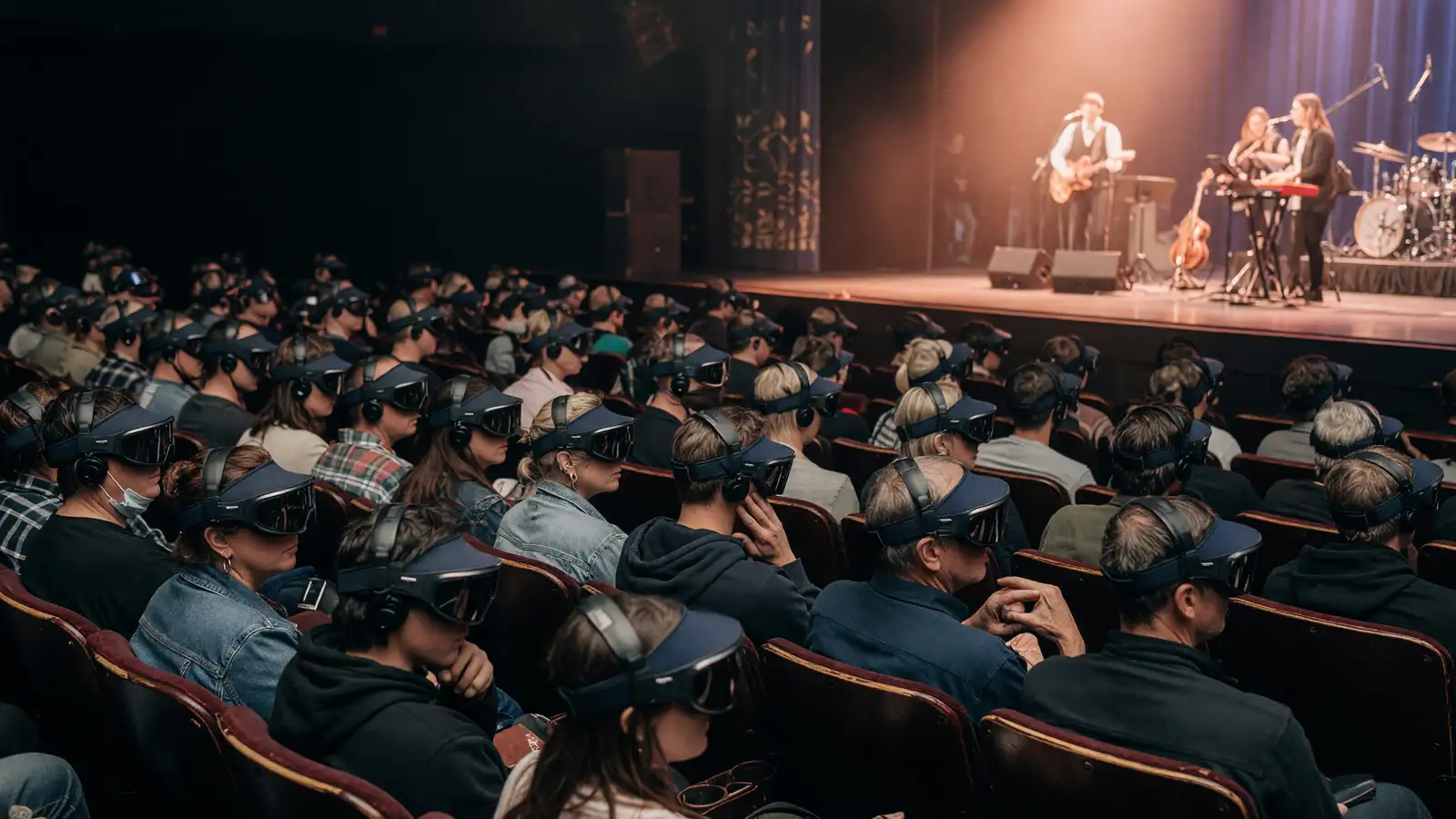
Virtual concerts and live events represent the fastest-growing category. The success of early experiments — Travis Scott’s Fortnite concert, the Wave virtual music platform, and various VR concert experiences — has demonstrated consumer willingness to pay for virtual event experiences. The economics are compelling for artists and platforms alike: a virtual concert can reach millions of attendees simultaneously, with zero venue capacity constraints and dramatically lower production costs per attendee.
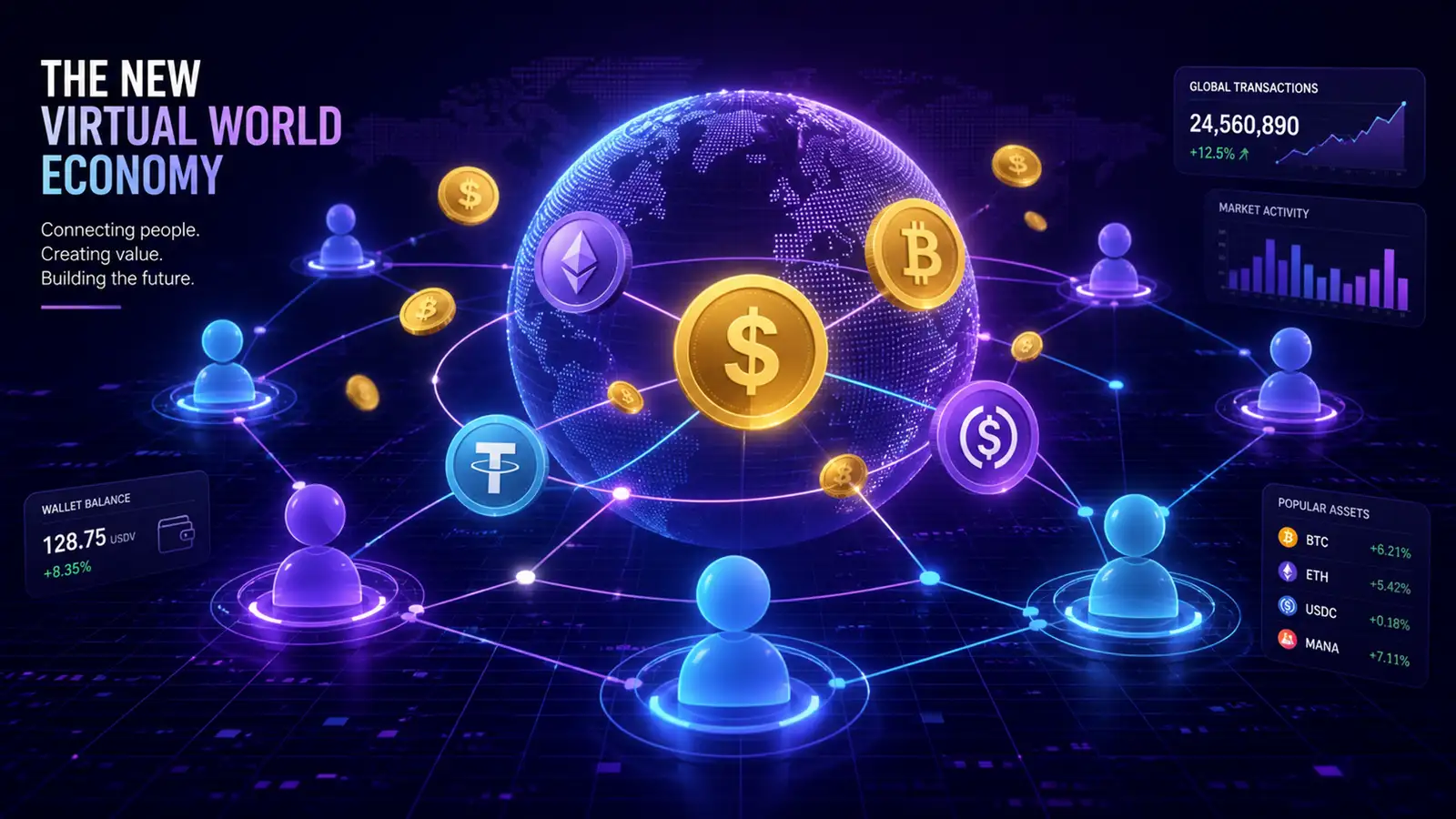
Virtual goods and digital fashion represent another significant revenue stream. The emergence of digital identity as a genuine consumer concern — what does my avatar wear, what virtual spaces do I inhabit, what digital objects do I own — creates demand for virtual goods that mirrors the physical fashion and luxury goods markets, but with zero marginal cost of production and global distribution.
The Convergence Factor
What makes the $122 billion projection plausible is not any single category’s growth but the convergence of multiple trends. Gaming platforms are becoming social networks. Social networks are adding immersive features. Entertainment is becoming interactive. Commerce is becoming experiential. Each of these convergences creates new revenue opportunities that did not exist when these categories were separate.
The user behavior data supports the convergence thesis. Younger demographics, in particular, spend more time in immersive digital environments and attach more significance to their digital identities than older cohorts. As these demographics age into their peak earning and spending years, the economic weight of metaverse entertainment will grow regardless of whether the “metaverse” branding survives.
The Skeptic’s Case
The $122 billion projection deserves skepticism. Market forecasts for emerging technology sectors have a well-documented tendency toward optimism. The “metaverse” as a consumer concept has been through multiple hype cycles, and the term itself may not survive as a useful category descriptor. And the regulatory questions around virtual economies — particularly around virtual currencies, digital ownership rights, and child safety — could constrain growth in ways that current forecasts do not capture.
But even significantly discounted, the numbers suggest a market that is too large to ignore. The metaverse entertainment sector, however it is ultimately labeled, represents a genuine shift in how entertainment is created, distributed, and monetized. The companies that understand the convergence dynamics driving this shift will be best positioned to capture the value it creates.