The BIS Says Stablecoins Don't Qualify as Money — and It's Warning Emerging Markets
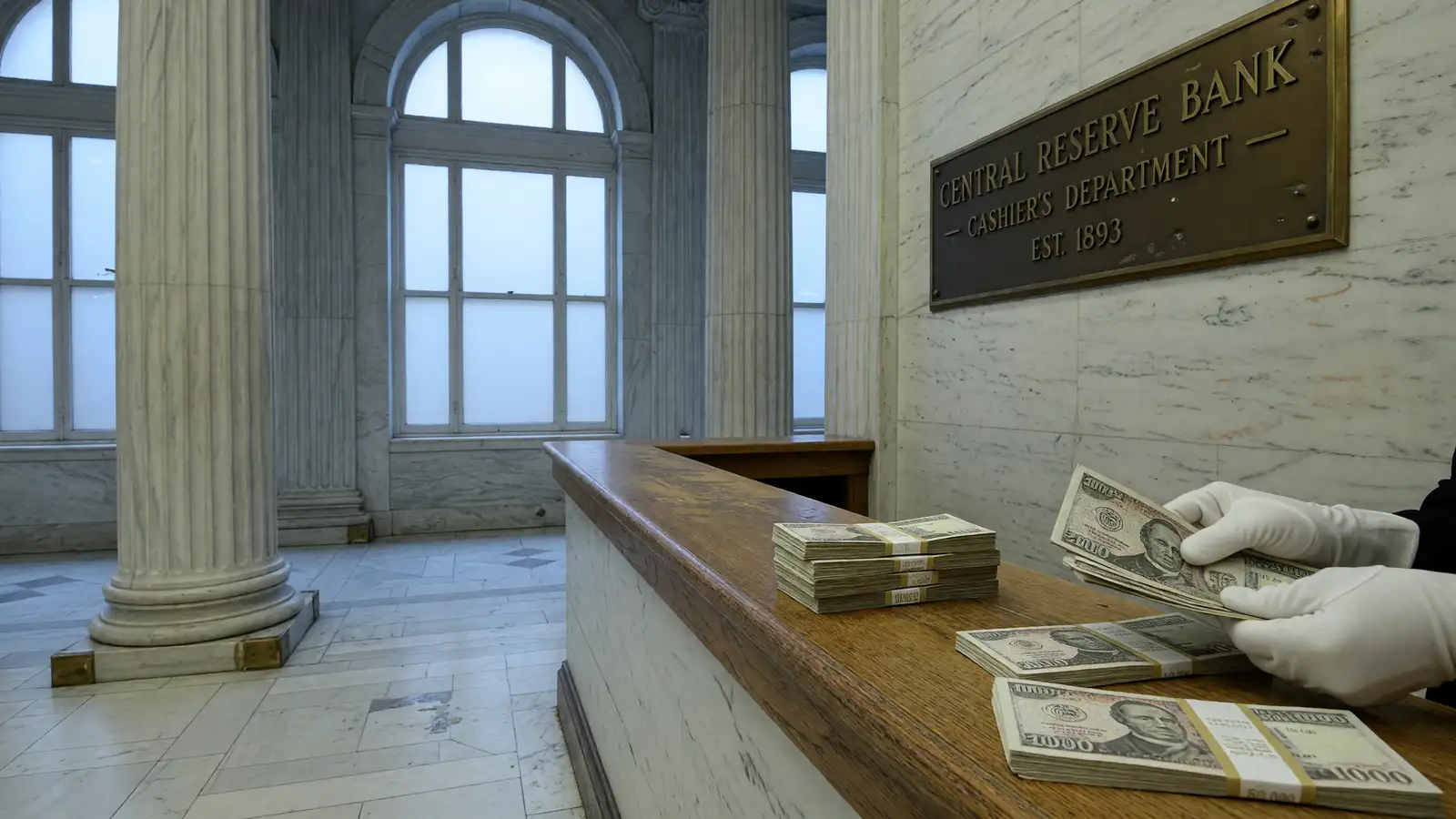
The Bank for International Settlements dropped its annual report on June 28 with a clear message: stablecoins are not money. The report, which serves as the closest thing the global financial system has to an official position paper, argues that existing stablecoins fail to meet the basic criteria that define functional currency — stability, universal acceptance, and effective regulation. The timing is pointed, coming days before the Visa-Mastercard stablecoin consortium announcement and weeks after Europe’s MiCA stablecoin framework took effect.
The BIS’s argument is substantive, not rhetorical. Stablecoins peg their value to fiat currencies, typically the US dollar, but the mechanisms that maintain those pegs vary widely and have failed under stress. Terra’s collapse in 2022 wiped out $60 billion in value in days. Even asset-backed stablecoins like USDT and USDC have experienced brief de-pegs during market turmoil. A payment instrument that occasionally breaks its peg is not a reliable store of value — and a store of value is one of the three core functions of money.
The emerging markets warning is where the report gets interesting. Stablecoin adoption is growing fastest in countries with unstable currencies, capital controls, or limited access to dollar-denominated banking. In Argentina, Turkey, and Nigeria, stablecoins are being used not as speculative instruments but as practical alternatives to volatile local currencies. The BIS sees this as a risk: if stablecoins become a parallel currency in emerging economies, domestic monetary policy loses effectiveness. Central banks can’t control interest rates or money supply in an economy where transactions are settled in privately-issued dollar proxies.
The BIS’s preferred solution is central bank digital currencies — CBDCs that offer the efficiency of digital settlement with the stability and regulatory backing of sovereign currency. But CBDC development is slow. Only a handful of countries have launched functional CBDCs, and none at the scale needed to compete with existing stablecoins. The BIS is advocating for a solution that doesn’t exist yet while warning about a solution that already has hundreds of billions of dollars in circulation.
The Visa-Mastercard consortium announcement complicates the BIS’s position. When the world’s largest payment networks embrace stablecoins, the argument that stablecoins aren’t money becomes harder to sustain. If Visa and Mastercard treat stablecoins as settlement instruments, merchants accept them as payment, and consumers hold them as savings, they’re functioning as money regardless of what the BIS says. Function precedes definition, not the other way around.
The regulatory path forward is messy but predictable. Europe’s MiCA framework provides a template for regulated stablecoin issuance. The US is still debating its approach. Emerging markets are caught between the practical benefits of stablecoin adoption for their citizens and the BIS’s warnings about monetary sovereignty. The most likely outcome is a two-track system: regulated stablecoins in developed markets with clear legal frameworks, and unregulated stablecoin usage in emerging markets where the alternatives are worse. The BIS can warn all it wants. People with unstable currencies are going to use whatever holds value. Right now, that’s stablecoins.