Meta Spins Out Supernatural Instead of Killing It — The VR Fitness Market Just Got Validated
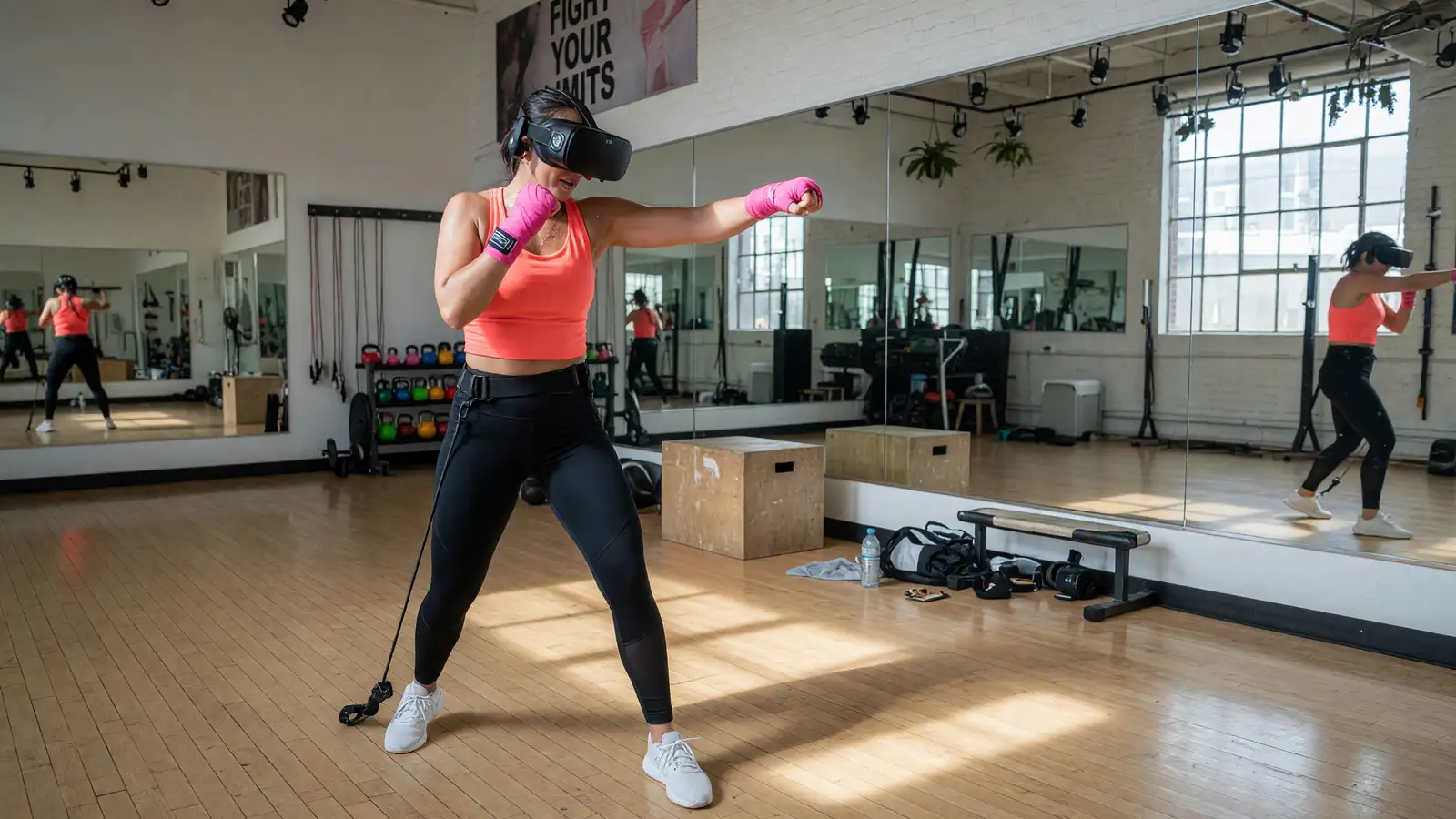
When a tech giant decides to spin out a product rather than kill it, the decision says something important about that product’s market viability. Meta’s choice to spin out Supernatural, the VR fitness application it acquired as part of the Within acquisition, is precisely that kind of signal — and it suggests that VR fitness has matured into a real business rather than a speculative bet.
The Spin-Out Logic
TechCrunch reported the Supernatural spin-out on June 3, describing it as a merciful alternative to the more common fate of acquired products that do not fit the parent company’s strategic priorities: quiet shutdown. Meta’s decision to keep Supernatural alive — but outside the company — reflects a pragmatic recognition that the product has genuine value but operates in a market that is not core to Meta’s platform ambitions.
The spin-out terms were not disclosed, but the structure typically involves the existing team taking the product independent with some combination of funding, IP licensing, and ongoing commercial relationships with the former parent. For Supernatural, maintaining access to Meta’s VR hardware platform — the Quest headsets that constitute the vast majority of the VR fitness market — will be essential to its independent success.
The VR Fitness Market Opportunity
Supernatural’s survival as an independent company validates a market that has been quietly growing while attention focused on more speculative metaverse investments. VR fitness combines several powerful trends: the gamification of exercise, the convenience of home workouts, the social motivation of connected fitness, and the immersive engagement that only VR can provide.
The numbers support the optimism. VR fitness applications consistently rank among the most popular and highest-grossing titles on VR platforms. Users report higher exercise adherence rates with VR fitness compared to traditional home workout programs, likely due to the immersive distraction that makes exercise feel less like work. And the demographics — younger, tech-savvy, willing to invest in hardware — are attractive to both advertisers and subscription-based business models.
The Bigger Picture for VR Content
The Supernatural spin-out has implications beyond fitness. It represents a model for how VR content companies can achieve sustainable independence — build a compelling product on a major platform, demonstrate unit economics that work, and then operate independently with ongoing platform access.
This model matters because the VR content ecosystem has been constrained by platform dependency. Developers building exclusively for Meta’s Quest platform are exposed to Meta’s strategic priorities, which can shift with leadership changes or market conditions. Spin-outs that preserve platform access while providing operational independence create a healthier ecosystem dynamic — one where content companies can build sustainable businesses without being permanently tethered to a single platform owner’s strategy.
For VR developers and investors, Supernatural’s spin-out is evidence that exit paths exist beyond acquisition-and-shutdown. The VR content market is maturing in ways that create real company value, not just platform strategic value. That maturation, more than any single hardware announcement, may be the most important development for the long-term health of the VR industry.