The Best AI Tools for 2026: Your Complete Guide
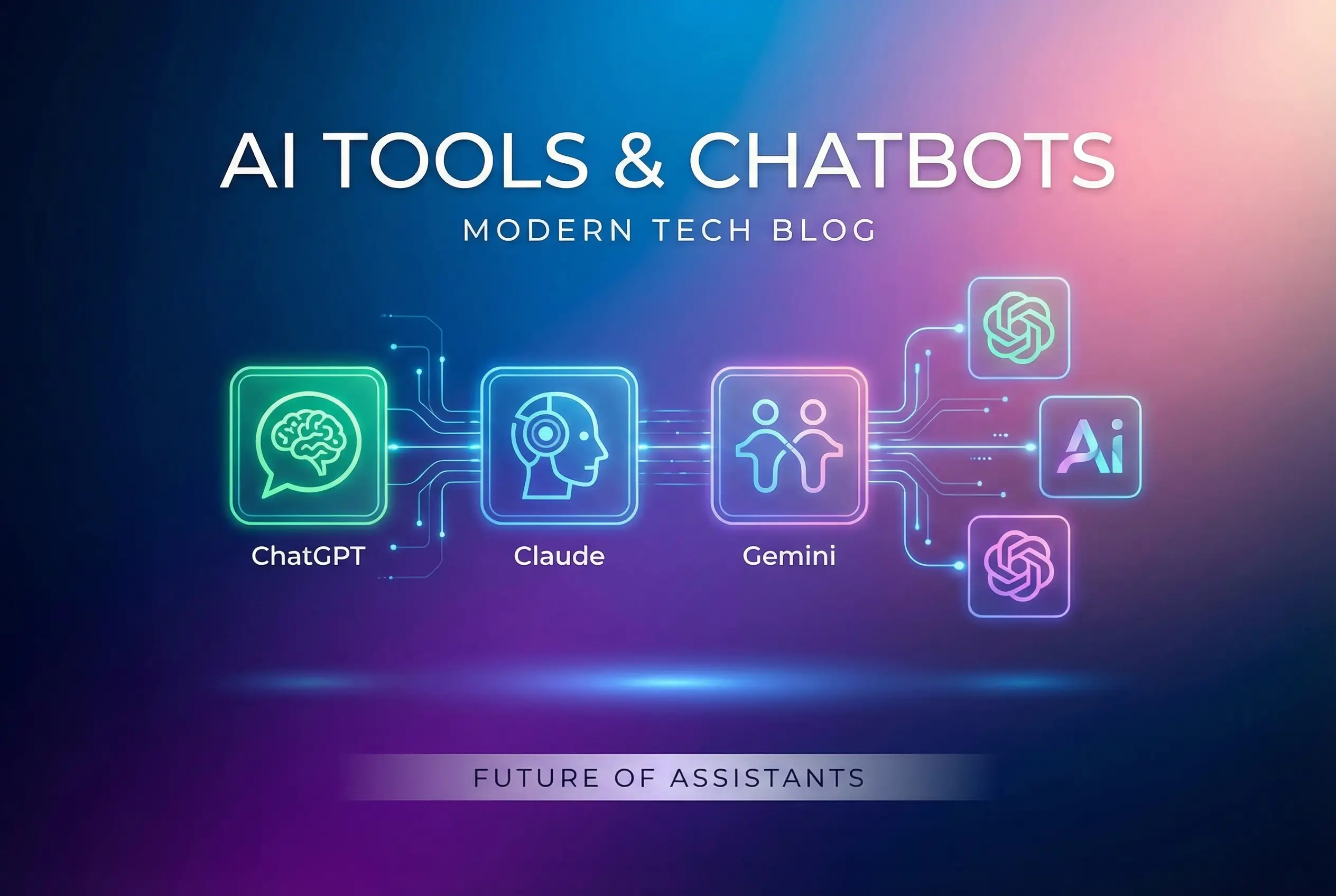
The AI tool landscape has shifted dramatically since ChatGPT launched in late 2022. What started as a handful of chatbots has grown into a sprawling ecosystem of specialized tools, each strong in different areas. In early 2026, picking the right AI tool matters—not just for productivity, but for staying competitive in a fast-moving digital world.
This guide cuts through the noise and covers the AI tools that actually deliver results in 2026. Whether you’re a developer, writer, researcher, or business professional, you’ll find recommendations based on real-world testing and what the community is actually using.
The AI tool landscape in 2026
Before diving into specific tools, it’s worth understanding how the AI space has changed. The days of judging AI assistants on a single benchmark are over. Today’s AI tools are specialized, integrated into workflows, and increasingly autonomous.
The big shift in 2026 is AI agent capabilities. Instead of just responding to prompts, the top AI tools now plan multi-step workflows, call external tools, and adapt to your specific context. This changes what you can actually get done with AI assistance.
Context windows have also expanded massively. Early chatbots handled a few thousand tokens. Now leading tools support up to 1 million tokens, meaning you can drop entire codebases, long documents, or years of correspondence into a single conversation.
Pricing has settled, too. The initial hype has cooled, and most AI tools now offer free tiers alongside reasonably priced premium plans. The question is no longer whether AI is worth the cost, but which tool fits your specific needs.
Tier 1: AI tools everyone should use
These three tools form the foundation of most AI-powered workflows. They’re versatile, powerful, and improving constantly.
ChatGPT: The versatile all-rounder
OpenAI’s ChatGPT remains the most widely used AI assistant, and for good reason. The GPT-5 series, now available across all tiers, performs well across almost every task type.
What makes ChatGPT stand out in 2026 is its ecosystem. The plugin system has grown up, with thousands of integrations covering everything from travel planning to data analysis. Advanced Data Analysis (formerly Code Interpreter) actually runs Python code, which is useful for data work.
ChatGPT is fast at generating working code. When you need something that just works, ChatGPT usually delivers. Its knowledge base is broad—it knows most frameworks, libraries, and programming languages.
The free tier includes GPT-4o access with message limits. The Plus plan costs $20 per month and gives full GPT-5 access, faster responses, and priority during busy times. A new $8 tier launched in late 2025 works for casual users who want reliable access.
The main trade-off is context window size. At 400,000 tokens (with a 1M beta available), it’s competitive but not the biggest. If you’re working with massive codebases, you might hit limits that other tools won’t give you.
Claude: The coding and writing powerhouse
Anthropic’s Claude has carved out a real niche as the tool of choice for coding and writing. The Opus 4.6 model, released in early 2026, has topped coding benchmarks and shown careful, nuanced reasoning that professionals trust.
Claude’s 200,000-token context window (with 1M beta available) makes it strong for large codebases. You can paste an entire project and expect coherent, context-aware responses. Developers consistently say Claude produces higher-quality code with fewer hallucinations and better adherence to best practices.
For writing, Claude produces more natural prose. It handles technical documentation, creative writing, and content that needs careful reasoning. The Claude.ai platform includes Projects and Artifacts that help organize ongoing work.
The trade-offs matter. Claude doesn’t have web access in the standard experience, so it can’t pull current information without plugins. There’s no image generation either—if you need that, use a different tool.
Pricing is simple: $20 per month for the Pro plan, with a usable free tier.
Gemini: The multimodal champion
Google’s Gemini has become a real contender. Gemini 3 Pro topped the LMArena leaderboard at launch. Its standout feature is the 1-million-token context window—the largest of any major AI assistant.
Gemini is strong at multimodal tasks. If you need to analyze images, generate images with Imagen, process video, or work with any combination of media, Gemini offers the most integrated experience. The Deep Research feature is impressive—it conducts autonomous web searches and synthesizes findings into reports.
For learners, Gemini’s integration with Google Workspace and YouTube creates a smooth educational experience. You can ask questions about videos you’re watching or documents you’re reading, and Gemini contextualizes responses within that content.
The free tier is generous, with full Gemini access included in Google accounts. The Advanced plan at $19.99 per month adds extended capabilities and priority access.
The trade-off is that Gemini sometimes feels less polished than ChatGPT or Claude for pure text tasks. It’s good but not always the best choice for focused writing or coding work.
Tier 2: AI tools worth considering
Beyond the big three, several specialized tools shine in specific areas.
Perplexity: The research specialist
Perplexity has become the go-to tool for research and information gathering. Unlike general chatbots, Perplexity is built around web search, providing cited answers with sources for every claim.
In 2026, Perplexity Pro ($20/month) gives access to multiple AI models and better search capabilities. The platform is particularly useful for competitive research, academic investigation, and keeping up with industry news.
The limitation is that Perplexity isn’t designed for creative writing or coding. It’s a focused tool that’s great at one thing: finding and synthesizing information.
Cursor: The developer’s AI IDE
Cursor has changed AI-assisted coding by integrating large language models directly into the development environment. Built on VS Code, it provides AI-powered code completion, generation, and debugging within your existing workflow.
The 2026 version has better context awareness, understanding your entire codebase to give more relevant suggestions. It can refactor code, explain unfamiliar sections, and even implement multi-file features based on natural language descriptions.
Pricing starts at $20 per month for Pro access, with a usable free tier for individual developers.
Midjourney and DALL-E: Image generation leaders
For visual content creation, Midjourney and OpenAI’s DALL-E (now integrated into GPT-4o) remain the leaders. Midjourney produces more artistically styled images, while DALL-E works better with text-based workflows.
Both have improved consistency in 2026, making them viable for professional creative work. The key is choosing based on your aesthetic preference and workflow needs.
Making the right choice for your needs
With so many options, how do you pick? Here’s a practical framework:
- For general productivity and versatility: Start with ChatGPT. Its ecosystem, quick solutions, and broad knowledge make it the best starting point.
- For coding and technical writing: Add Claude to your toolkit. Its code quality and reasoning are strong for professional development work.
- For research and information synthesis: Perplexity fills a niche that general chatbots can’t.
- For multimodal projects: Gemini’s integration of text, image, and video creates unique possibilities.
- For developers: Cursor changes how you write code, worth the learning curve.
The most effective approach is using multiple tools strategically. Most professionals in 2026 keep 2-3 AI tool subscriptions, using each for its strengths.
Getting started
Begin with ChatGPT’s free tier to see what AI assistance can do for your daily work. As your needs become clearer, add specialized tools. The $20-40 monthly investment in premium AI tools is modest compared to the productivity gains they deliver.
AI tools improve constantly. What doesn’t work perfectly today may be excellent in six months. Stay curious, experiment regularly, and don’t write off tools you’ve dismissed in the past.
The AI revolution isn’t coming—it’s here. These tools are your competitive advantage in 2026 and beyond.
Related Articles
ChatGPT's Market Share Just Fell Below 50% — and That's Actually Good for AI
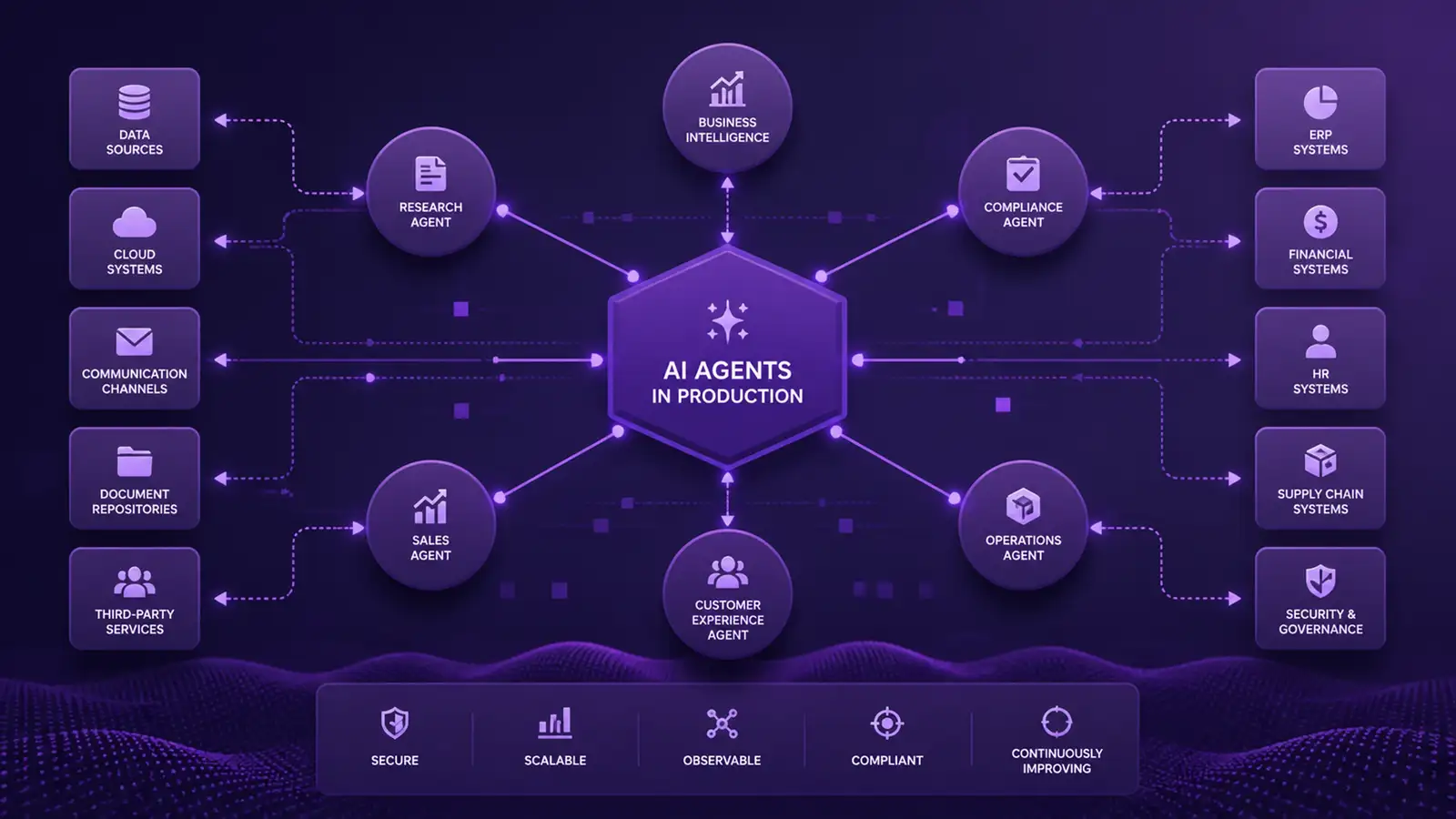
98% of Enterprise Leaders Would Trust AI Agents in Production — If the Guardrails Exist