Snap's $2,195 SPECS AR Glasses Open for Preorder — And the Headset Era Might Be Over
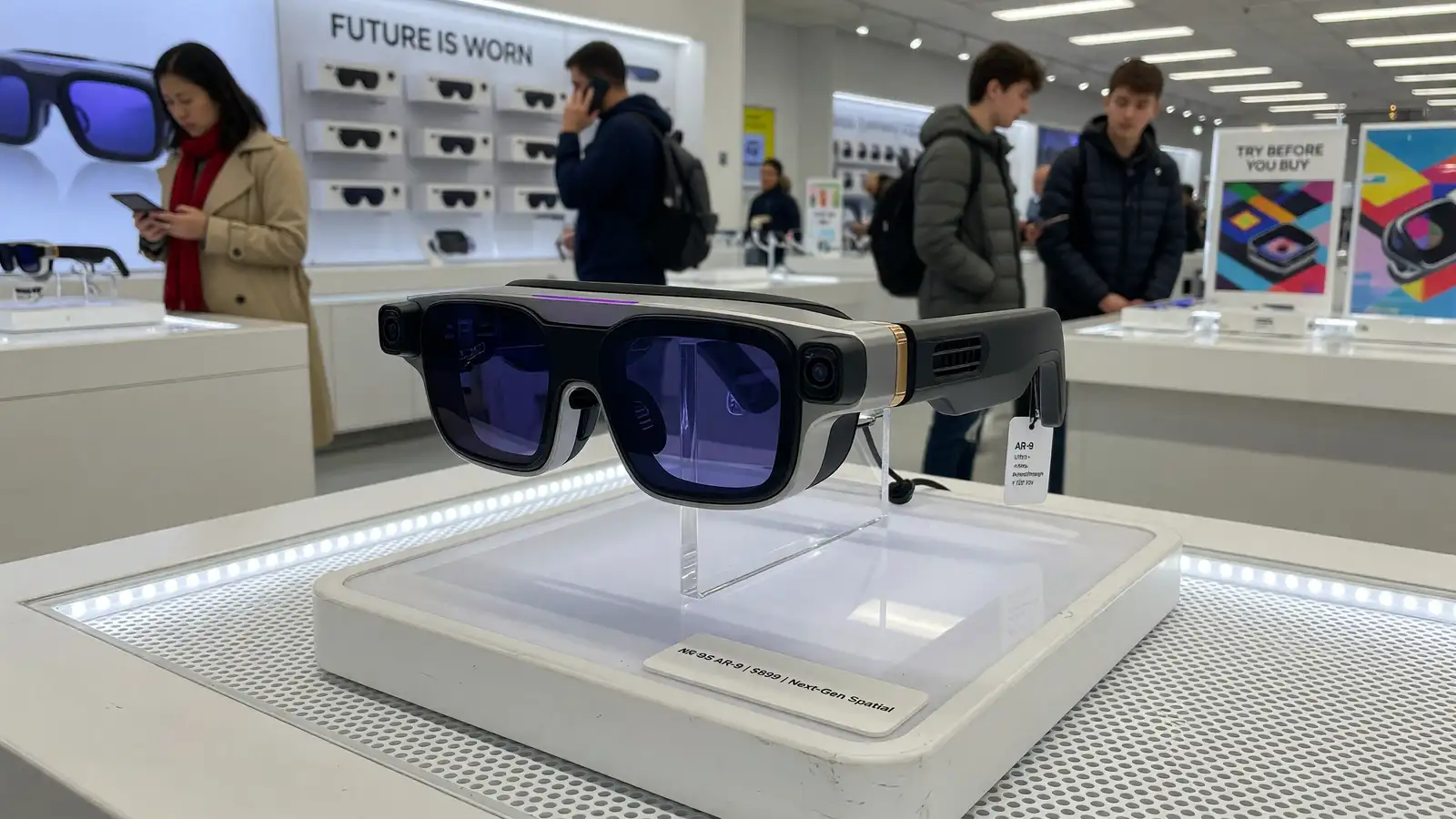
Snap opened preorders for its SPECS augmented reality glasses on August 12, pricing them at $2,195 with a $200 refundable deposit. The glasses are expected to ship in Fall 2026, and they land squarely in a price gap that has frustrated the AR industry for years — too expensive for impulse buys, but far cheaper than the headsets that have dominated the conversation.
For the first time, a major consumer AR product is priced to compete as an actual daily wearable rather than a tech demo or enterprise tool. That distinction matters more than any spec sheet. The preorder launch also signals that Snap, a company that nearly destroyed itself chasing hardware ambitions with Spectacles a decade ago, has learned from its mistakes and is betting on a product designed for sustained daily use rather than novelty video capture.
The Pricing Gap Nobody Could Fill
The AR wearable market has always had a split personality problem. On one end, you have products like the Ray-Ban Meta glasses at under $300 — lightweight, stylish, but limited to camera and speaker functions with no display at all. On the other end sits the Apple Vision Pro at $3,499, a headset that delivers impressive spatial computing but weighs too much and looks too conspicuous for everyday use.
Between those two extremes, the market has been mostly empty. A few startups have tried to fill the void — XREAL with its Beam ecosystem, Rokid with its Max series, Inmo with its Air glasses — but none have combined the hardware capability, brand recognition, and distribution muscle needed to actually shift consumer behavior. Snap’s SPECS are the first product to credibly attempt it from a company with over 800 million monthly active users and a decade of AR software experience.
At $2,195, SPECS costs roughly 60% of the Vision Pro while delivering a fundamentally different form factor — actual glasses you can wear to a meeting, a coffee shop, or a grocery store without drawing stares. The $200 refundable deposit lowers the commitment barrier further, and the remaining balance isn’t charged until the glasses ship. That’s a deliberate pricing strategy designed to capture early adopters who have been waiting for AR hardware to reach a practical threshold.
What the SPECS Actually Deliver
Snap hasn’t published a full technical specification sheet yet, but what we know positions SPECS as a legitimate spatial computing device rather than a notification screen strapped to your face. The glasses include a display system that overlays digital content onto your real-world view, making them functionally closer to a lightweight mixed-reality device than a traditional smart glass.
The timing is significant. Spatial computing as a market category reached $115.35 billion in 2025 and is projected to hit $627.53 billion by 2033, growing at a compound annual rate of 23.7%, according to DataM Intelligence. That growth is being driven by adoption across healthcare, manufacturing, retail, education, and entertainment — but consumer uptake has lagged behind enterprise deployment. SPECS could change that dynamic by proving that a display-equipped wearable can live in the sub-$3,000 range without sacrificing functionality.
The glasses sit at an inflection point for the broader smart glasses AR wearable design conversation. For years, the industry has debated whether consumers will accept wearing computing devices on their faces. The answer has always been yes — but only if the device is comfortable, socially acceptable, and priced to justify the novelty. SPECS checks all three boxes in a way no predecessor has managed.
Snap’s track record here matters. The original Spectacles launched in 2016 as a $130 novelty that captured short video clips and uploaded them to Snapchat. The product sold a few hundred thousand units before fizzling out. Snap tried again with Spectacles 2 and 3, each iteration adding features but never finding the right balance between functionality and social acceptability. SPECS represents a complete rethinking — not a camera accessory, but a full spatial computing platform designed for extended wear. The company reportedly invested over $1 billion in AR hardware development over the past three years, and the preorder launch suggests they believe the technology has finally matured enough to justify the price.
The Entry-Level AR Wars Are Heating Up
Snap isn’t the only company making moves in this space. The Viture Pro 2, reviewed by Gizmodo on August 13, launched at $299 — down from $449 for its predecessor — as an entry-level video glasses option. It features a micro OLED screen, lighter weight, and improved brightness, but it’s fundamentally a media consumption device rather than a spatial computing platform.
The Viture Pro 2 matters because it normalizes the idea of display-equipped glasses at accessible price points. When consumers start expecting visual overlays in a $300 product, a $2,195 device with full spatial computing capabilities stops feeling like a luxury gadget and starts feeling like a natural upgrade path. The Pro 2’s micro OLED display delivers sharp, bright visuals that prove the underlying display technology has matured enough for consumer products — the same display tech that powers SPECS, just at a different scale and capability level.
This tiered pricing structure — Ray-Ban Meta for basic smart features, Viture Pro 2 for media consumption, SPECS for spatial computing, Vision Pro for immersive experiences — is exactly what the AR market needs to build a sustainable ecosystem. Each price point serves a different use case, and each product category trains consumers to accept wearing computing hardware on their faces. The progression from $300 to $300 to $2,195 to $3,499 creates a natural upgrade ladder that could drive adoption faster than any single breakthrough product.
Meta’s Response: Split the Problem in Two
The timing of Snap’s preorder launch coincides with a major organizational shakeup at Meta. On August 14, Meta restructured its Reality Labs division into two separate units: “Wearables” and “Metaverse.” The restructuring, reported by The Verge based on an internal memo from CTO Andrew Bosworth, represents the biggest reorganization of Meta’s hardware division since the Reality Labs rebrand in 2020.
The split is telling. Meta is essentially admitting that the consumer wearable problem and the virtual world problem require different strategies, different teams, and different timelines. The Wearables division will focus on products like the Quest headsets and future hardware, while the Metaverse division — led by VP Vishal Shah — will concentrate on Horizon OS and social spatial experiences.
Meta’s financial reality forced this decision. Reality Labs lost $3.8 billion in Q1 2026 alone, following losses of $16.1 billion in 2023 and $13.7 billion in 2022. Despite Quest 3 bringing mixed reality closer to mainstream, the revenue trajectory hasn’t justified the spending pace. Splitting the divisions gives Meta clearer accountability for each business line and, potentially, an easier path to eventual spinoffs or partnerships.
Snap’s SPECS launch makes Meta’s restructuring look even more urgent. If Snap can ship a competitive AR wearable at $2,195 by the end of 2026, Meta will need its Wearables division to respond with something more compelling than the current Quest product line. The enterprise smart glasses pivot that Meta has been pursuing with its Ray-Ban partnership suddenly looks like a side project rather than a core strategy. Meta has spent billions building Horizon Worlds and the metaverse infrastructure, but if the hardware that connects people to those experiences isn’t competitive with what Snap is offering, the software platform becomes irrelevant.
The restructuring also creates an interesting strategic dynamic. By separating Wearables from Metaverse, Meta can potentially license its Horizon OS to third-party hardware makers — a move that would parallel what Google did with Android for smartphones. If SPECS or other third-party AR glasses could run Horizon OS, Meta would retain platform control even if its own hardware division falls behind. Bosworth’s memo hinted at this possibility, noting the company’s commitment to “growing our software platform consistently.”
Why the Form Factor Matters More Than the Specs
The AR industry has spent years chasing specs — field of view, resolution, processing power, battery life. Those metrics matter, but they’ve distracted from the variable that actually determines whether a product succeeds in the consumer market: whether you want to wear it in public.
Google Glass failed not because the technology was bad, but because wearing a camera-equipped computer on your face made people uncomfortable. Magic Leap’s enterprise headset works in controlled environments but would look absurd on a subway. Even the Vision Pro, for all its technical achievements, is fundamentally a room-scale device that you use at home or in an office.
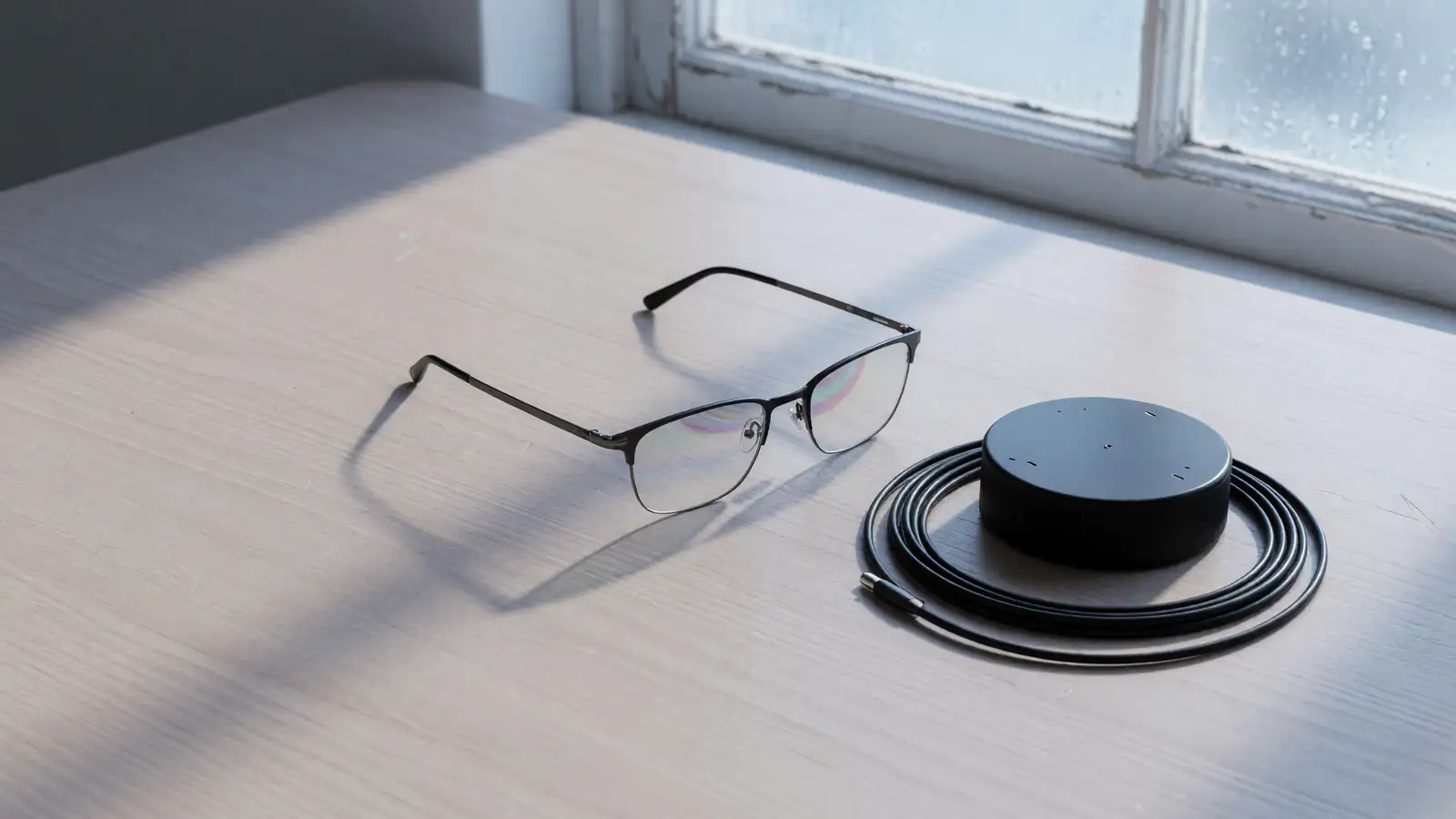
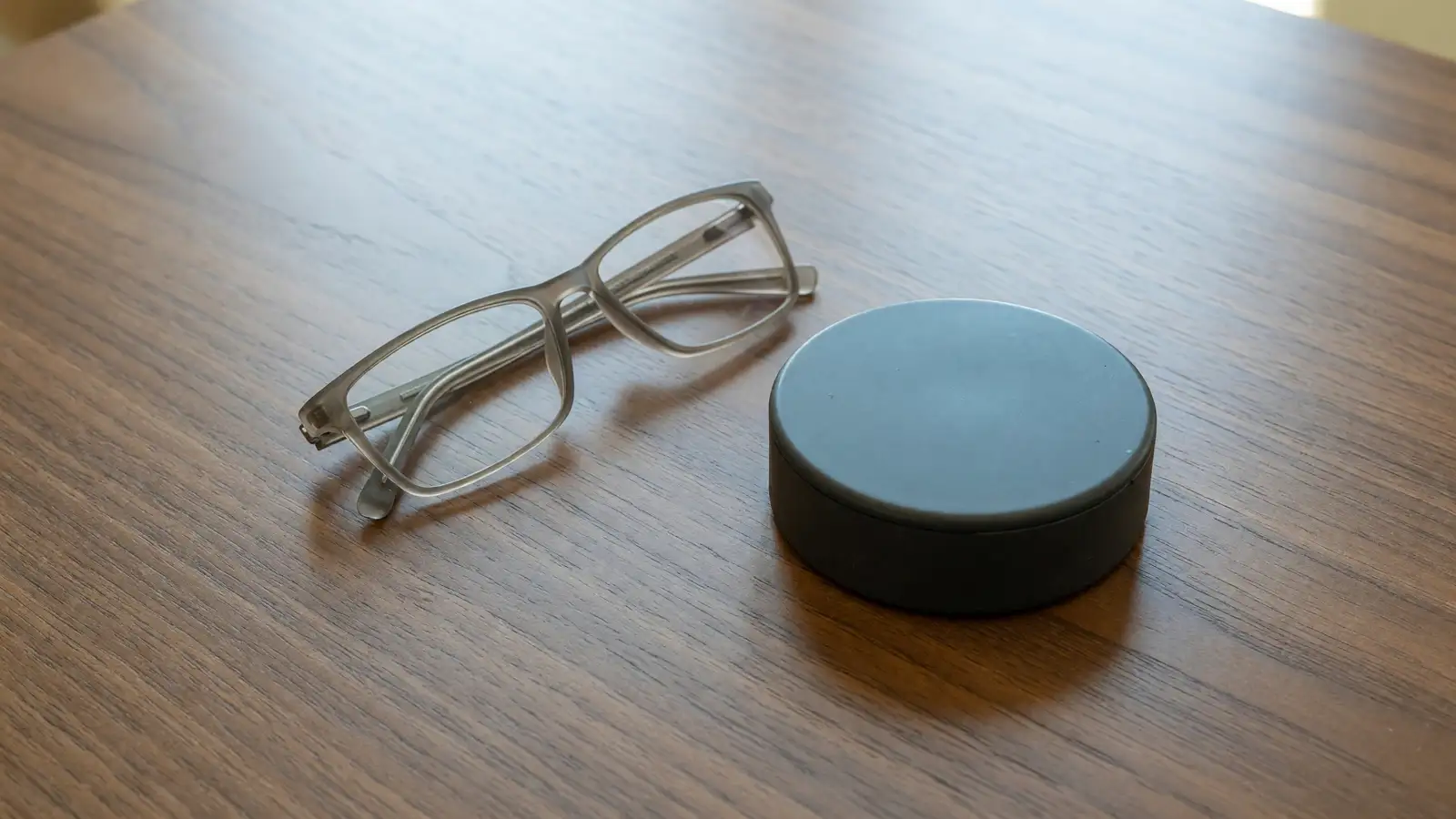
Snap’s SPECS represent a different design philosophy entirely. The glasses are built to be worn all day, in public, without making the wearer feel like a walking science experiment. That’s not a minor distinction — it’s the single most important factor in whether AR achieves mainstream adoption. Snap has reportedly focused obsessively on weight distribution, temple comfort, and lens clarity to ensure the glasses feel like a normal pair of frames rather than a computing device. Early previews suggest the form factor is close enough to conventional eyewear that most people wouldn’t distinguish them from regular glasses at a distance.
The XR hardware strategy divergence that’s been playing out across the industry has always come down to this question: do you build for the most impressive demo, or for the most comfortable daily use? Snap is betting on the latter, and at $2,195, the bet is accessible enough to attract a real audience. The company has also committed to an app ecosystem that prioritizes practical utilities — navigation overlays, real-time translation, calendar reminders — over the immersive gaming and social experiences that have defined previous AR launches.
What Happens Next
The next six months will determine whether SPECS succeeds or becomes another footnote in AR history. Snap needs to ship on time, deliver on the spatial computing promise, and build an app ecosystem that gives consumers a reason to wear the glasses beyond novelty. The $200 deposit model buys goodwill, but customers will expect a finished product when Fall 2026 arrives. Snap’s history with hardware launches has been uneven — the original Spectacles sold out quickly but lost consumer interest within months — so execution is everything this time around.
Meanwhile, the competitive landscape will continue shifting. Meta’s restructured Reality Labs will likely announce new hardware within the next year. Apple will presumably update the Vision Pro line, possibly at a lower price point to compete more directly with SPECS. Chinese manufacturers like XREAL and Nreal are pushing aggressively on price and features, while companies like Brilliant Labs and Even Realities are exploring even lighter form factors. The smart glasses AR platforms that tie hardware to software ecosystems will determine which products survive beyond the initial hype cycle.
The spatial computing market’s projected growth to $627.53 billion by 2033 isn’t a bet on any single product — it’s a bet on the category itself. Snap’s SPECS preorder is the clearest signal yet that the AR wearable market is moving from experimental to commercial. Whether the glasses themselves deliver on that promise will be clear by the end of the year. What’s already clear is that the headset era — bulky, isolating, expensive — is losing ground to something lighter, more practical, and finally within reach. The question is no longer whether AR glasses will become mainstream. It’s which company will get there first.