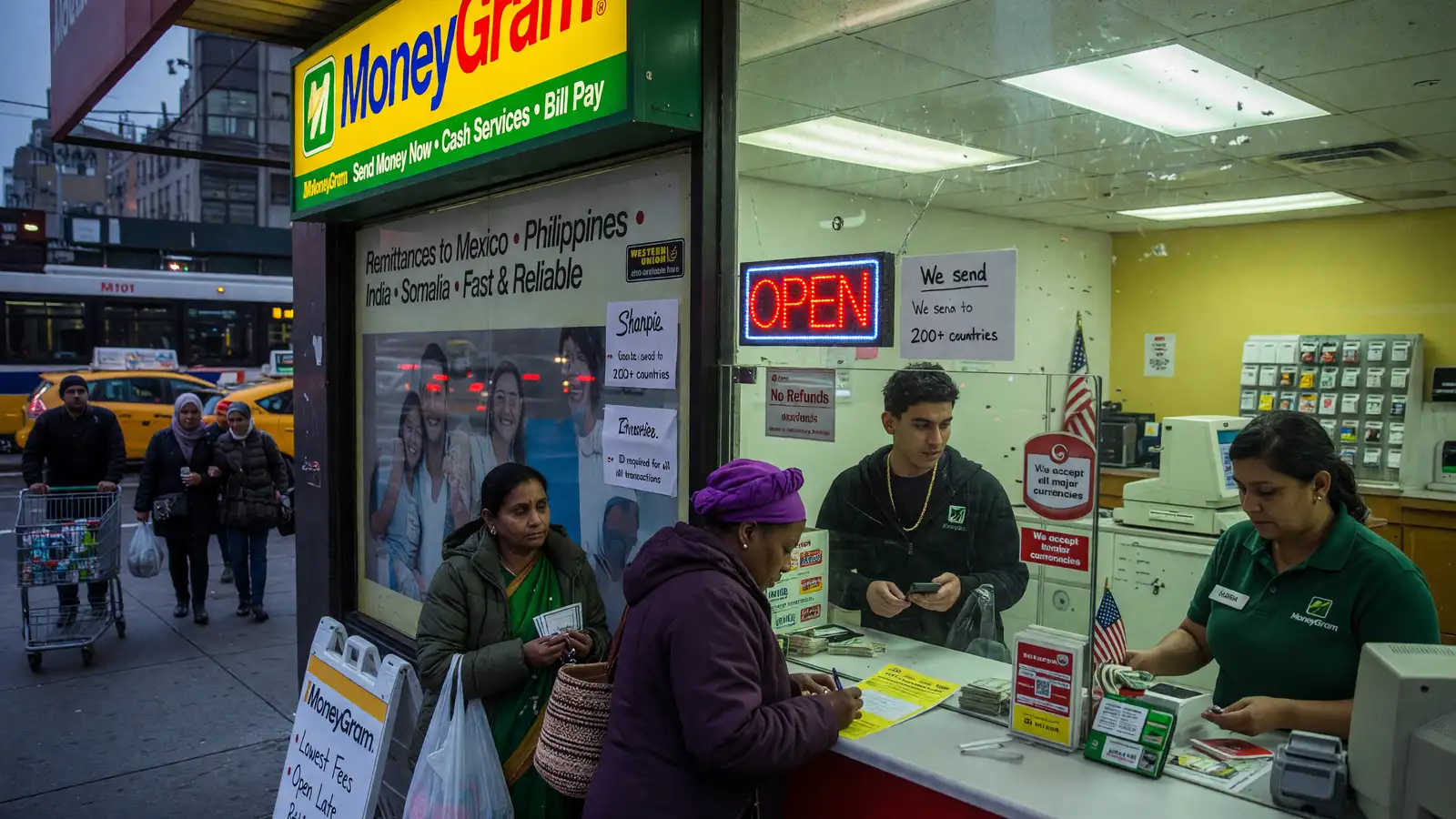
MoneyGram is now running a Solana validator node. The remittance giant, which processes cross-border payments for millions of customers, announced its expansion into blockchain infrastructure last week — and it’s a bigger deal than most crypto headlines suggest. This isn’t a pilot or a proof of concept. Running a validator means committing capital, maintaining uptime, and participating in network consensus. It’s infrastructure work, not marketing.
The move makes strategic sense when you look at MoneyGram’s trajectory. In 2022, the company launched a stablecoin-based remittance service on the Stellar network. In 2024, it expanded to support USDC settlements across multiple chains. Becoming a validator on Solana is the logical next step: if a meaningful portion of your payment volume is going to move over blockchain rails, you want a seat at the table when the network makes decisions about upgrades, fees, and protocol changes.
Solana was a natural choice. The network processes thousands of transactions per second with sub-second finality and fees measured in fractions of a cent. For a remittance company, those are the metrics that matter. Ethereum’s security model and ecosystem depth are unmatched, but for high-volume, low-value payments — exactly the kind MoneyGram handles — Solana’s performance profile is a better fit.
The regulatory angle is also important. MoneyGram is a regulated financial institution operating in over 200 countries. It can’t participate in networks that might be classified as unregistered securities or that facilitate unlicensed money transmission. The fact that MoneyGram’s compliance team signed off on running a Solana validator suggests the regulatory fog around proof-of-stake networks is clearing — at least enough for major financial institutions to get comfortable with direct participation.
This is part of a larger trend that’s easy to miss amid the noise of memecoins and NFT speculation. The serious money in crypto right now isn’t going to trading — it’s going to infrastructure. Visa and Mastercard announced a consortium last week to launch a global stablecoin. Broadridge is scaling its on-chain capital markets platform. Fidelity, BlackRock, and Franklin Templeton all have tokenized fund products in production. MoneyGram running a validator fits the same pattern: the financial establishment is building the pipes for a blockchain-based financial system, even as the consumer-facing applications remain uncertain.
What’s still missing is volume. The $31 billion in tokenized assets sitting on blockchains are mostly idle. Cross-border stablecoin payments are growing but still represent a tiny fraction of global remittance flows. Running a validator is an investment in infrastructure, not a claim that the usage is there yet. But infrastructure gets built before demand materializes, not after. MoneyGram’s validator is a bet that the demand is coming — and that when it arrives, being a network participant will matter more than being a network user.