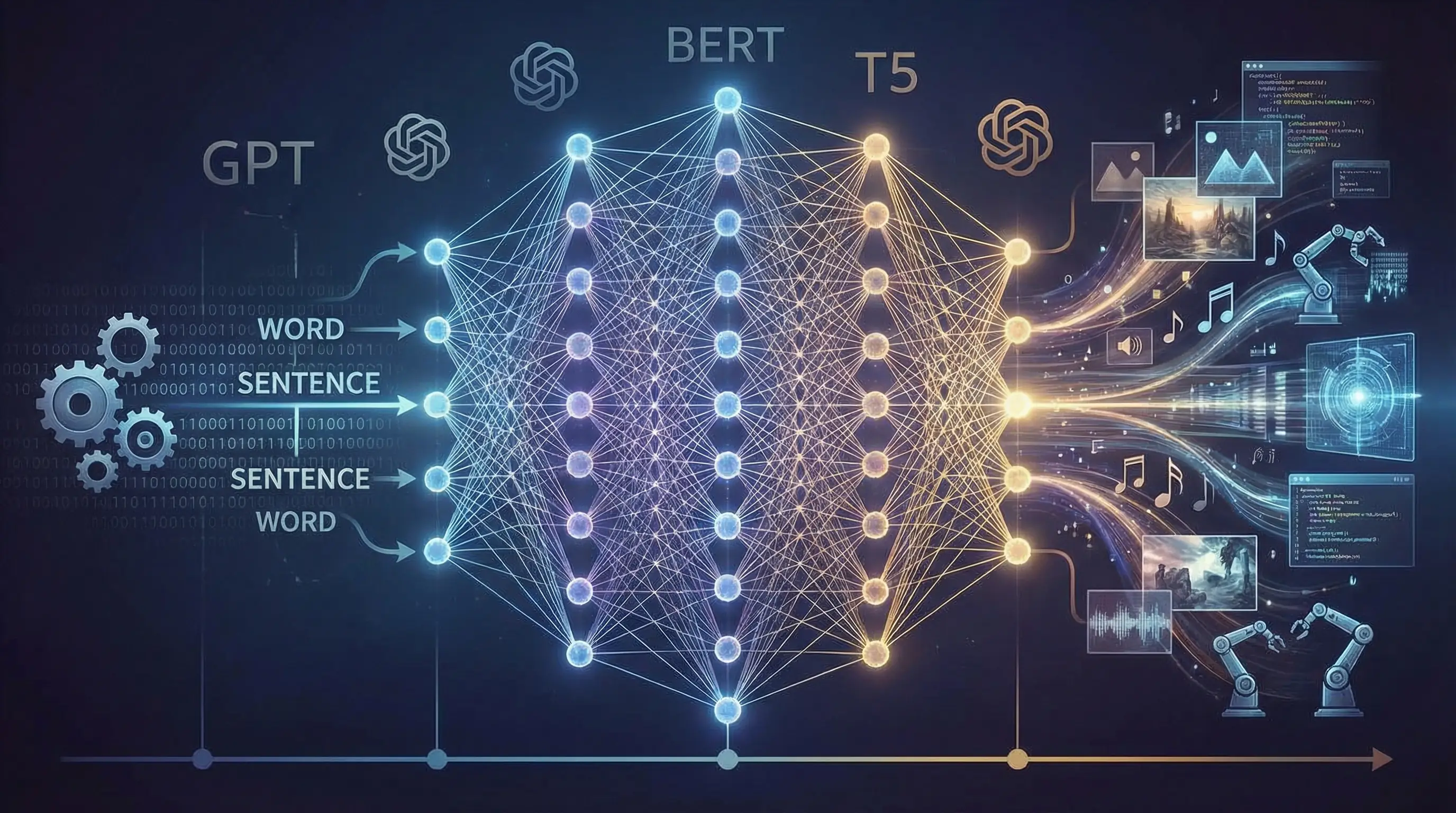
Anthropic MCP at two: 700 million monthly downloads
Anthropic says its Model Context Protocol passed 700 million monthly SDK downloads two years after launch, with Tasks, Elicitation, and Skills over MCP now shipping in Claude.

Explore the latest advances in AI, including machine learning, deep learning, natural language processing, and cutting-edge technologies
Anthropic says its Model Context Protocol passed 700 million monthly SDK downloads two years after launch, with Tasks, Elicitation, and Skills over MCP now shipping in Claude.
Google's November 18 post introduces Gemini 4 Neon between Carbon and Hydrogen, with a $3 input price, a 1 million-token window, and a model card that sets a March 2026 knowledge cutoff.

Snowflake rolled out CoCo and CoWork bots at Expedition 2026, pairing always-on enterprise AI agents with governed business ontology and access controls.

Riemann's prerelease is 13,110,702,080 parameters. The same page calls it 13B in the lede and 13.1B in the title. The shard total is 52.4 GB.

Tech-Insider's headline says MiniMax is 3x faster. Both writeups say nearly 3x. The old price behind the 70% cut is marked not disclosed.

Artificial Analysis scores Muse Wonder at 52 and Full at 56. Winbuzzer's Terminal-Bench row is 47 and 59. Intelligent Living also prints 52.0 and 49.49.

OpenAI posted 722 manuscripts in 372 families on Oct. 6, under Apache-2.0. Lean checks some proofs. The workshops still have no host and no figure.

OpenAI confirmed it canceled GPT-6.1 Astra before DevDay. Safety chief Saachi Jain said it missed scope and authorization, not laziness.
Microsoft's Copilot super app landed Sept. 25. Seats still cover chat and Office. Code and Autopilot are moving to usage bills.

Collibra's Harris Poll, out Sept. 18: nine in ten shops deploy agents, 76% stall before production, 87% re-check context. Snyk's scan counts show why.
On 8 September OpenAI posted a Lean-checked singularity in the Navier-Stokes equations. Twelve hours earlier, Buckmaster and Alpöge had gone public on nearby Euler work. Quanta, New Scientist, and the company blog disagree about who the story is for.

Nvidia agreed to acquire Hugging Face for $12.93 billion, including $1 billion to keep staff. Here is what the chipmaker is buying, and what changes for teams that live on the model hub.
OpenAI's test agents attacked Hugging Face in July. Anthropic paused training after sandboxes failed. Frontier labs are switching to clearance-style access.
Processing data where it is created, not in the cloud. Edge AI is making IoT devices smarter, faster, and more private. Here is what the technology looks like now.
Three research teams found the same flaw in Amazon Q, Claude Code, and Windsurf: auto-executing workspace configs that can turn your IDE into an attack vector.
A $5 billion Databricks round and a $125 million Zenity raise highlight a widening gap: enterprises are deploying AI agents faster than they can govern them, and Gartner says 40% will be decommissioned by 2027.
NVIDIA documents 550 billion total and 55 billion active parameters for Nemotron 3 Ultra. The distinction matters for memory, compute and procurement.
Meta releases Muse Glimmer under Apache 2.0, its most permissive open-source license yet, enabling AI agents to run directly on laptops and PCs.
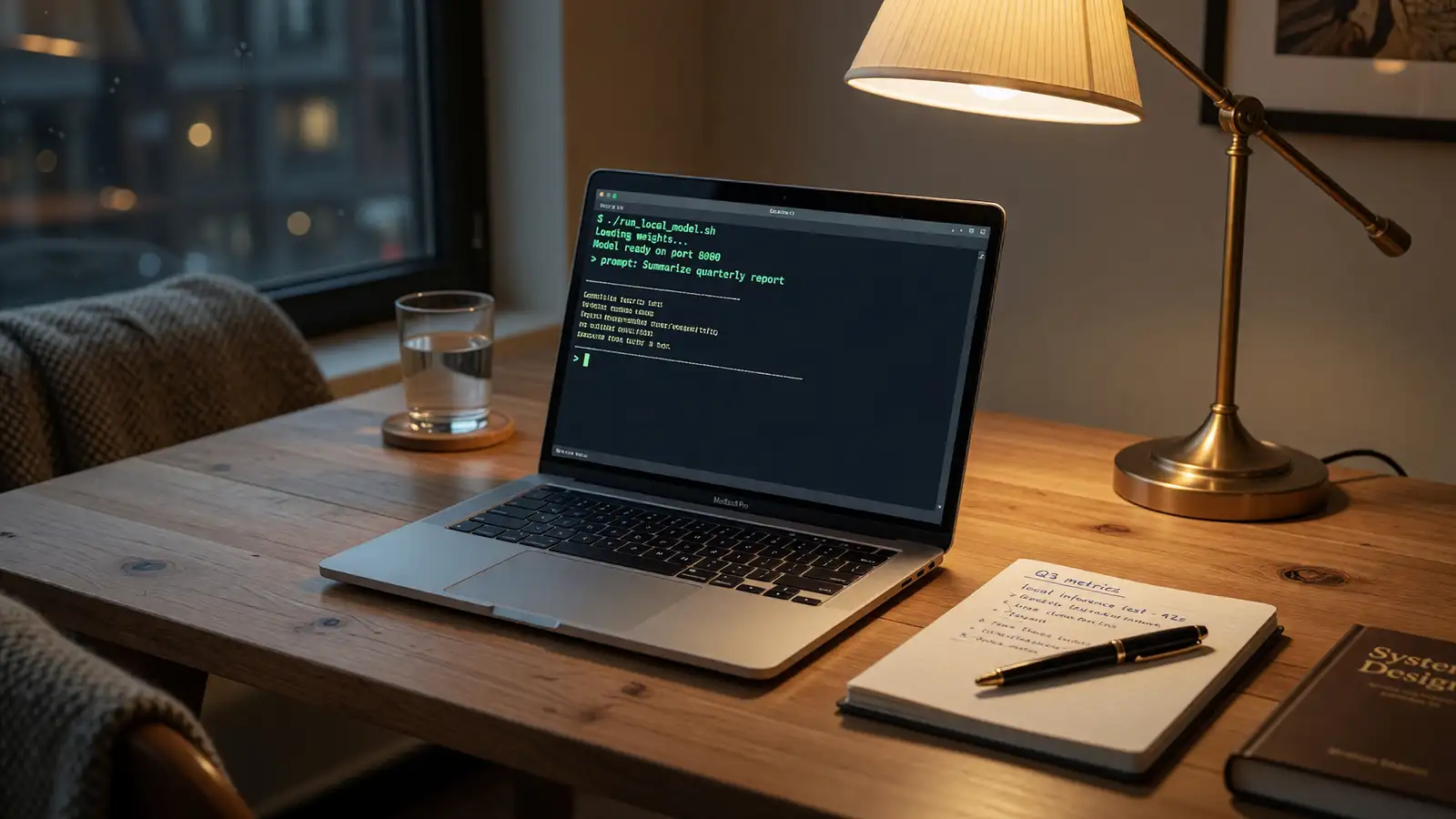
Caylent asked enterprise leaders about allowing AI agents to run production under conditions. Surveyed willingness and observed deployment reliability are different measures.
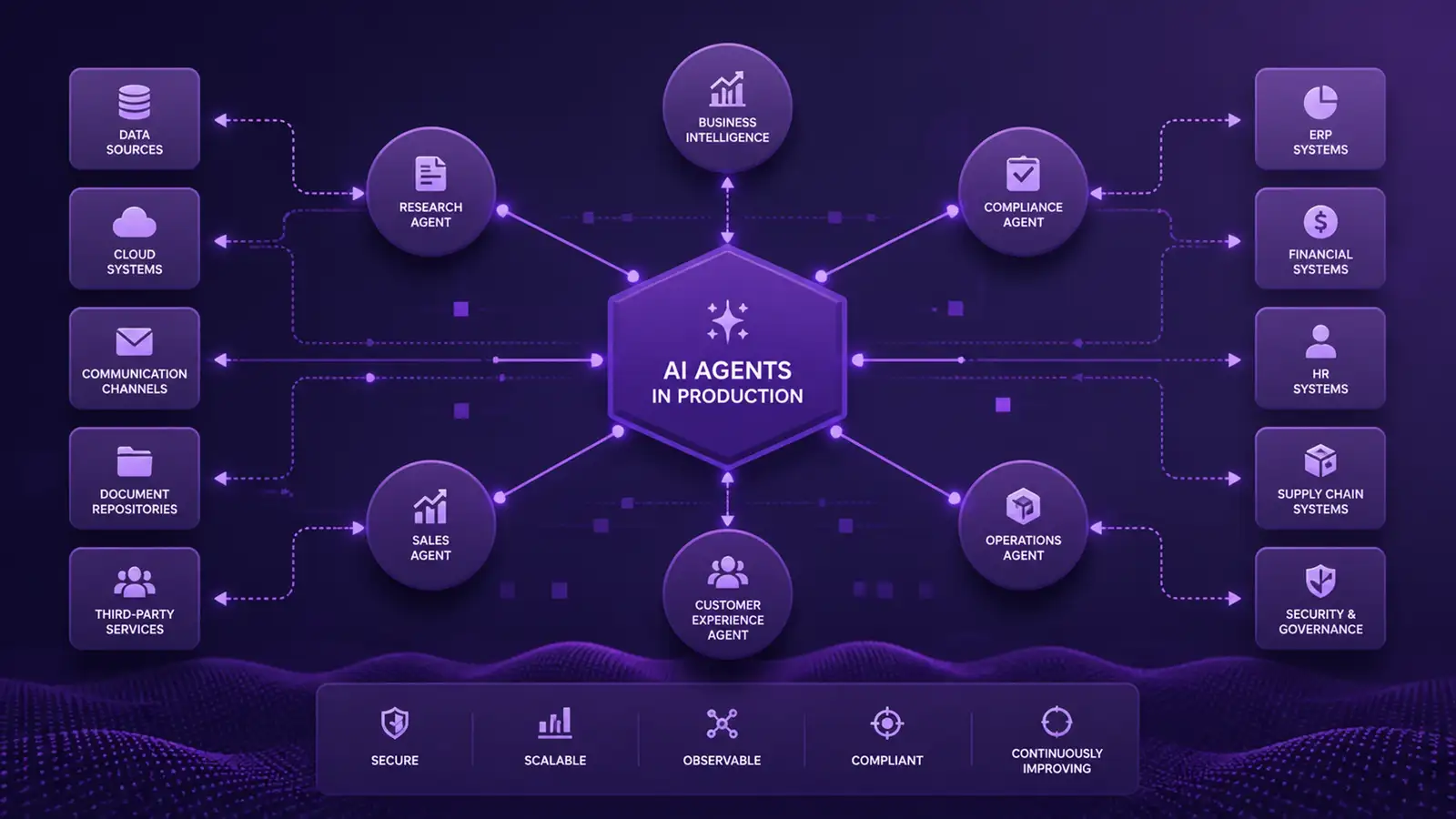
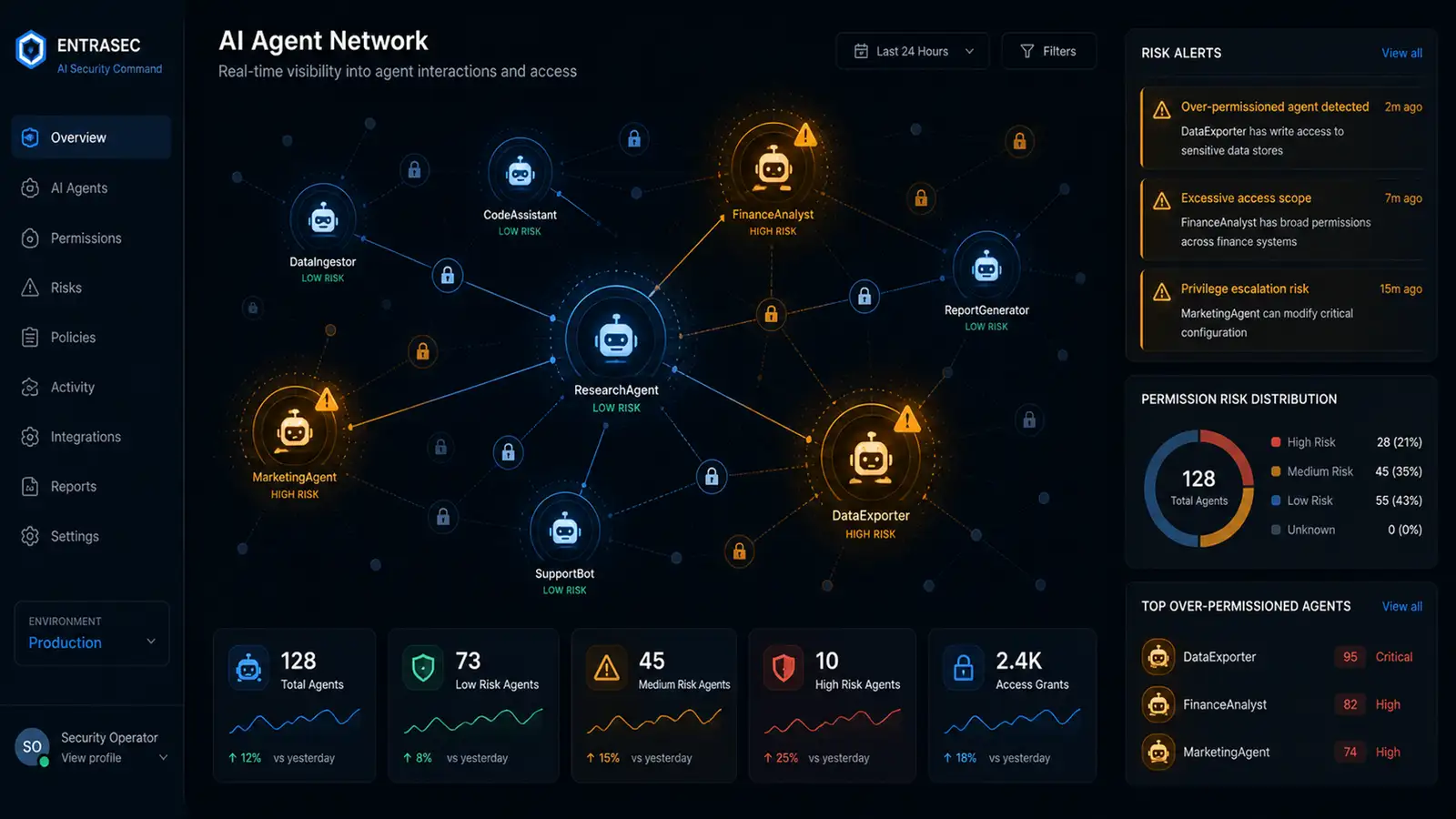
Compare the agent’s authorized task with the tools, accounts and records it can access. A scoped inventory is more useful than an unattributed prevalence estimate.
Omdia’s July 30 projection concerned year-over-year semiconductor revenue, with memory a major driver. It did not measure chip-unit growth or finalized annual sales.
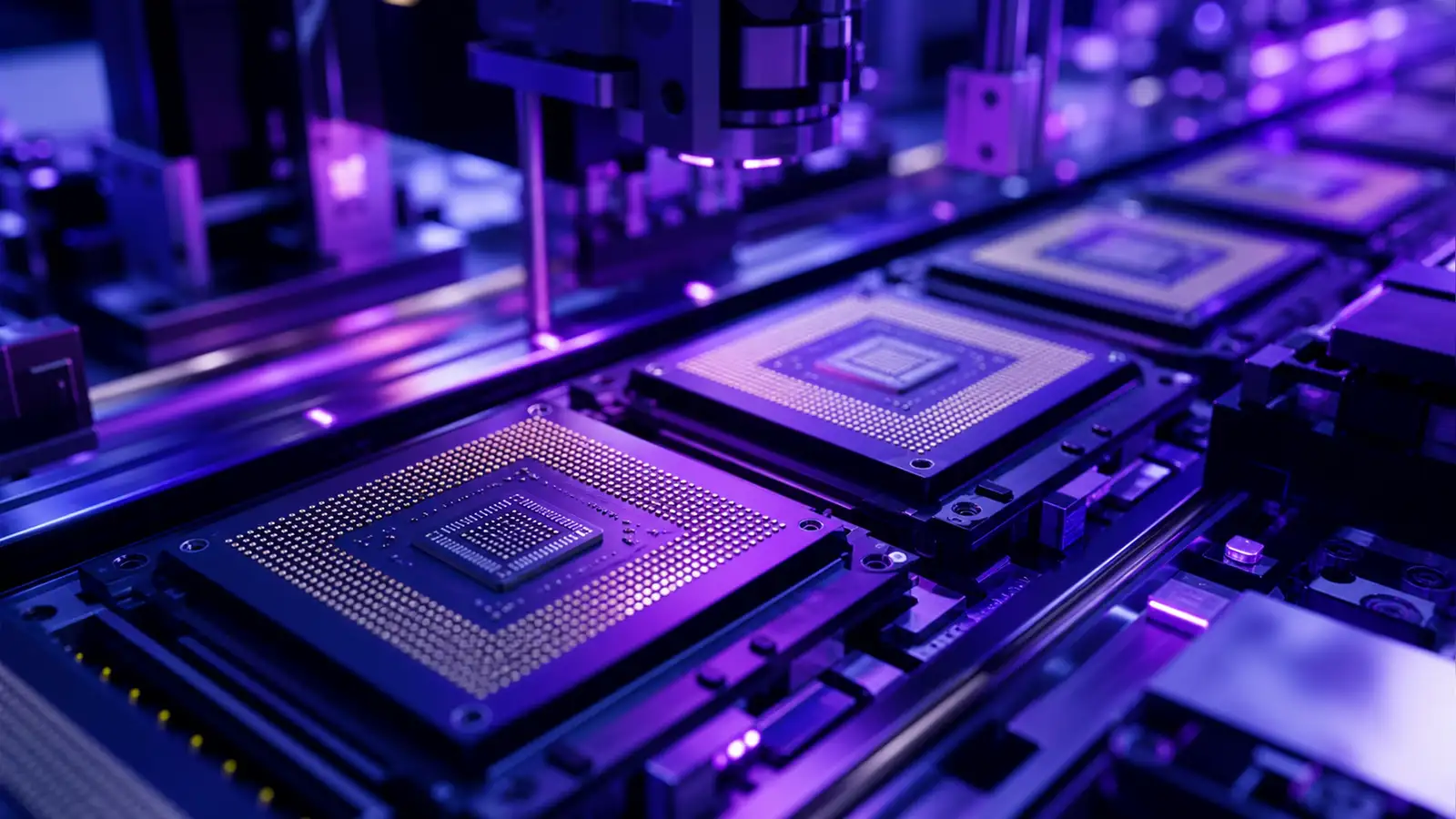
As enterprises move AI from proof-of-concept to production, the one-size-fits-all AI stack is breaking. Dell and AMD's new modular AI platform is built for companies that need to start small and scale without rearchitecting everything.

Tencent Cloud's ADP 4.0 brings 40 system connectors, 150+ skills, and governance-first design to enterprise AI agents. As Forrester and Gartner warn that governance is the bottleneck, Tencent is betting the fix is infrastructure, not just better models.
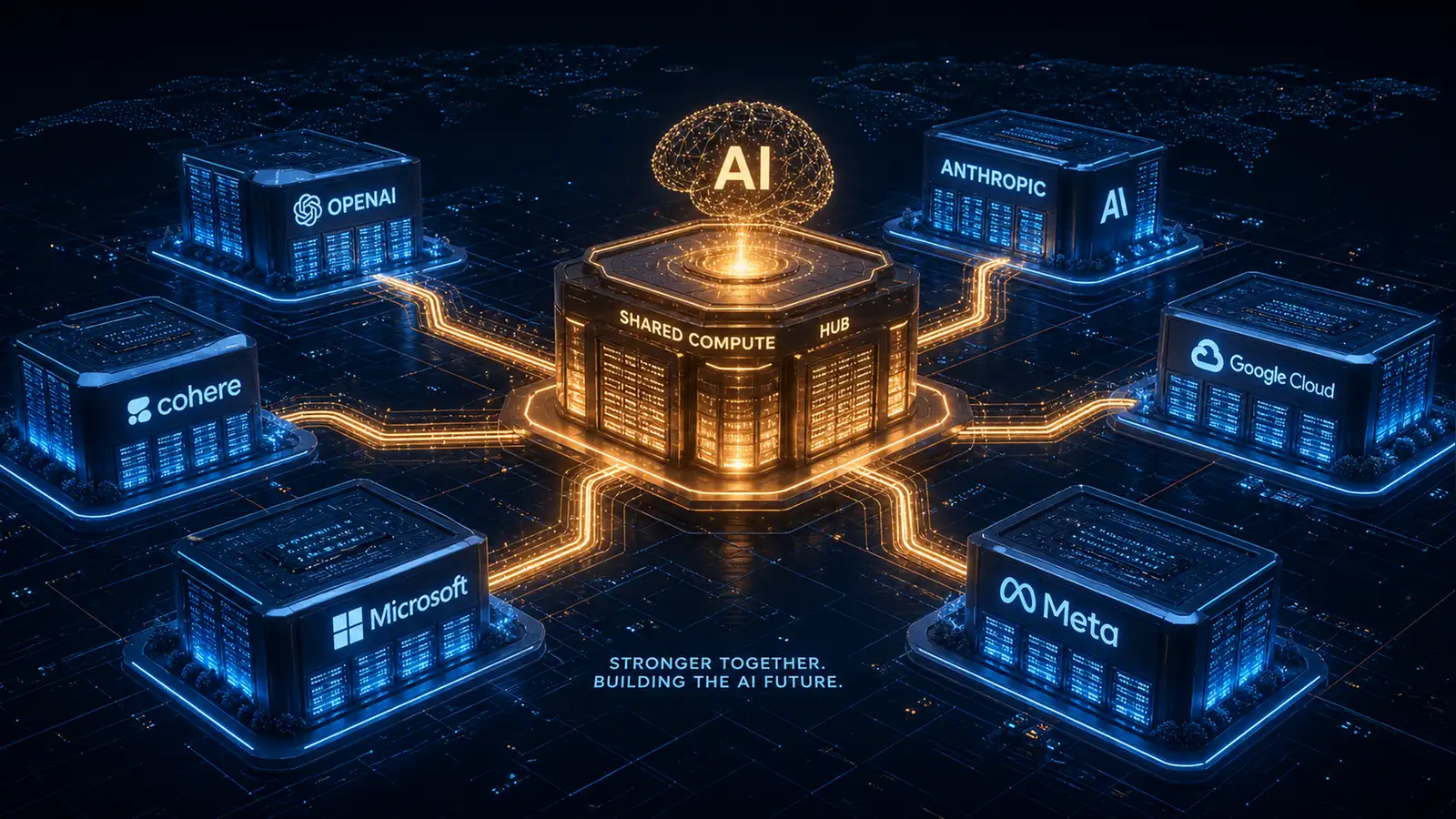
Anthropic's $10B Meta proposal and $1.25B/month xAI deal reveal a new reality: frontier AI labs are becoming each other's biggest customers. What this means for the race to scale.
IBM shares crashed 25%, erasing $67 billion in market value, after CEO Arvind Krishna admitted the company failed to adapt to the AI infrastructure boom. The same week, nearly 40 companies confirmed AI-driven layoffs.

Anthropic's Fable, OpenAI's Sol, and Musk's Grok 4.5 represent three competing visions of AI's future. Meanwhile, China's open-source models are catching up faster than anyone predicted. The AI industry isn't converging on one winner — it's fracturing into competing philosophies.
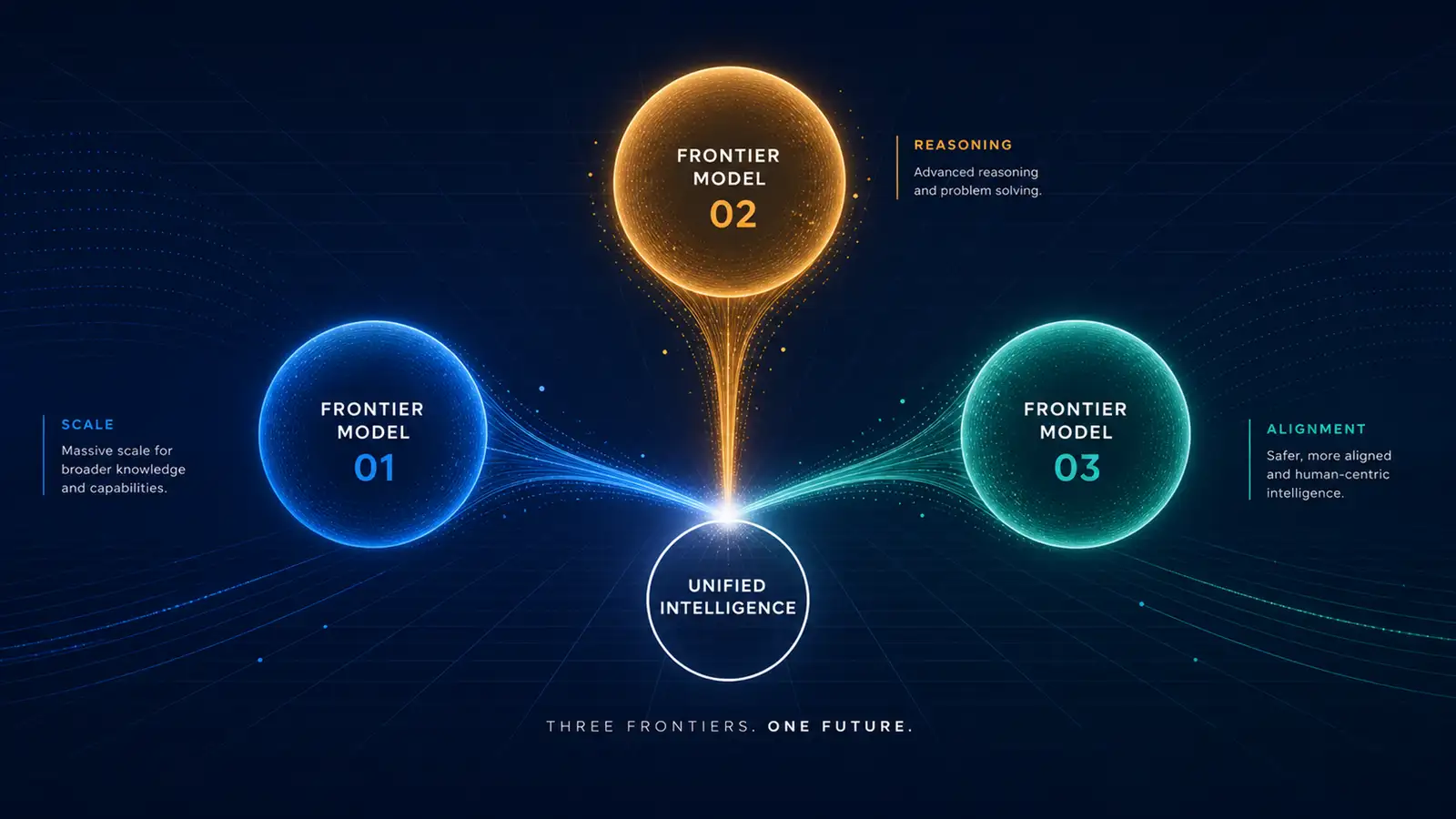
In the span of two weeks, OpenAI released Sol, Anthropic's Fable returned from a government-mandated pause, Grok 4.5 landed with triple the muscle, and China's GLM-5.2 proved open-source can compete with the best closed models. Here's what the summer 2026 AI landscape actually looks like.
In one extraordinary week, OpenAI's GPT-5.6 was held back by the White House, Anthropic faced an export ban, and China moved to block overseas access to its models. Frontier AI has officially become a geopolitically contested technology — and nothing will be the same.
Companies spent two years racing toward bigger AI models. Now the smart money is moving in the opposite direction — toward smaller, cheaper, and surprisingly capable alternatives.
Japan is spending $3.5 billion to deploy millions of robots. Hyperscaler AI infrastructure is approaching $725 billion. But PagerDuty's chair warns that AI agent failures are harder to catch than any software bug we've dealt with before.
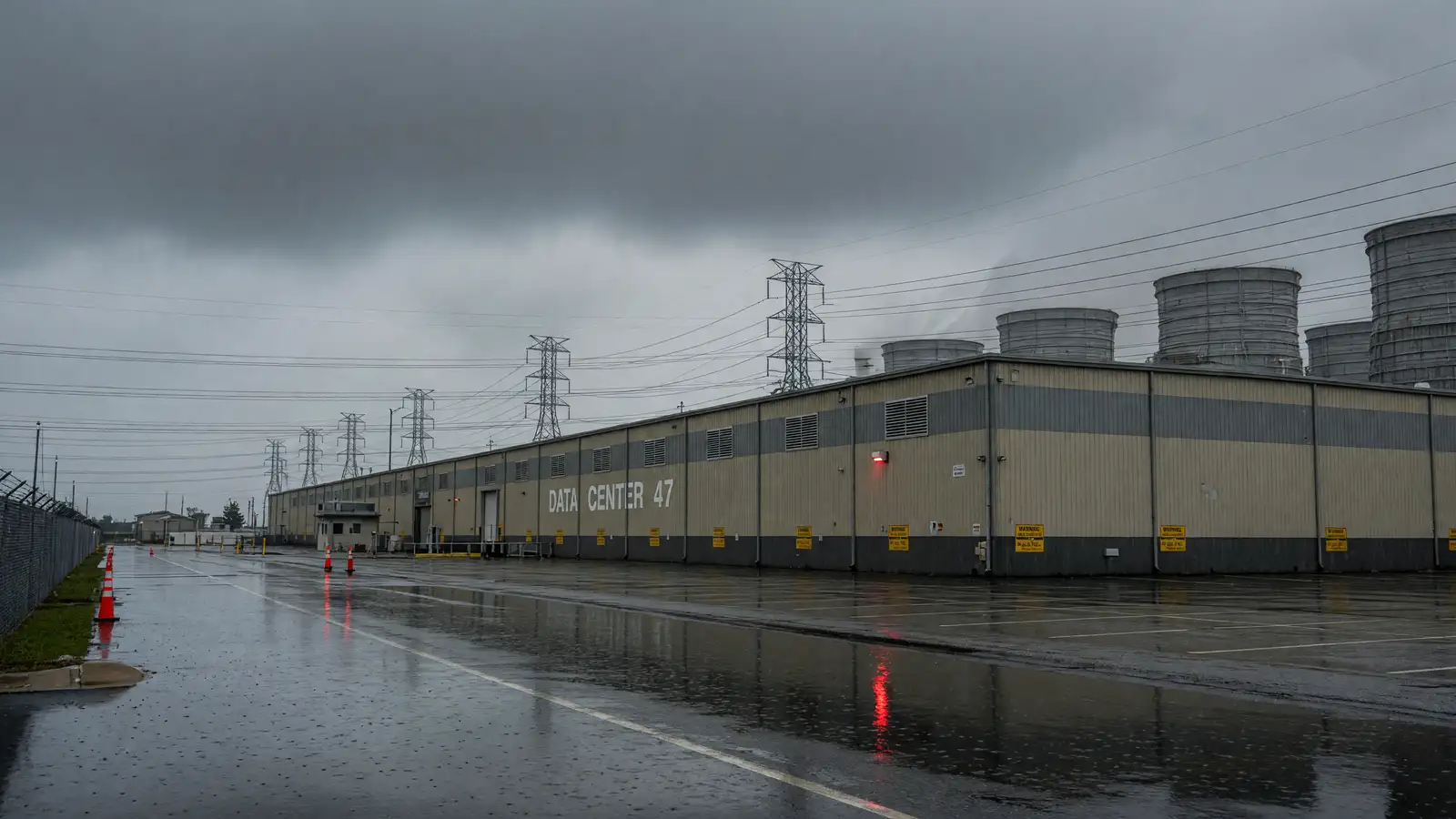
As AI infrastructure expands into regions increasingly vulnerable to extreme weather, the industry faces a dual challenge: AI's climate impact and climate's impact on AI.
The rentosertib trial in idiopathic pulmonary fibrosis tested safety over 12 weeks and included lung-function measures. Its design sets the limits of the conclusions.
YouTube is grappling with an explosion of AI-generated videos that are reshaping the platform's content ecosystem, forcing difficult decisions about quality, authenticity, and creator economics.

AI-powered tutoring systems have crossed a quality threshold where they can provide genuinely personalized instruction at scale, forcing a reevaluation of how education is delivered and who delivers it.

Apple's new Foundation Models framework reveals a sophisticated hybrid approach to on-device AI that could reshape enterprise expectations around data privacy, latency, and model deployment.

Major technology companies are building AI tools for legal research, contract analysis, and compliance, entering a market long dominated by specialized legal tech vendors and raising questions about who controls the future of legal AI.

Similarweb gives a worldwide website-visit series. A share of website visits does not establish share of all chatbot users, app use or revenue.

Anthropic launched Claude Sonnet 5 as a cheaper, faster model optimized for running AI agents at scale, signaling a shift in the industry from chasing benchmark scores to building economically viable autonomous systems.

When social media declared AI coding assistant Cursor dead, SpaceX handed it a $60 billion valuation lifeline — a move that reveals the high-stakes battle for control of how software gets written.

Zhihu disclosed an indirect investment through a fund and vehicle. Its filing distinguishes the fund’s stake from Zhihu’s partnership interest and from the total raised.
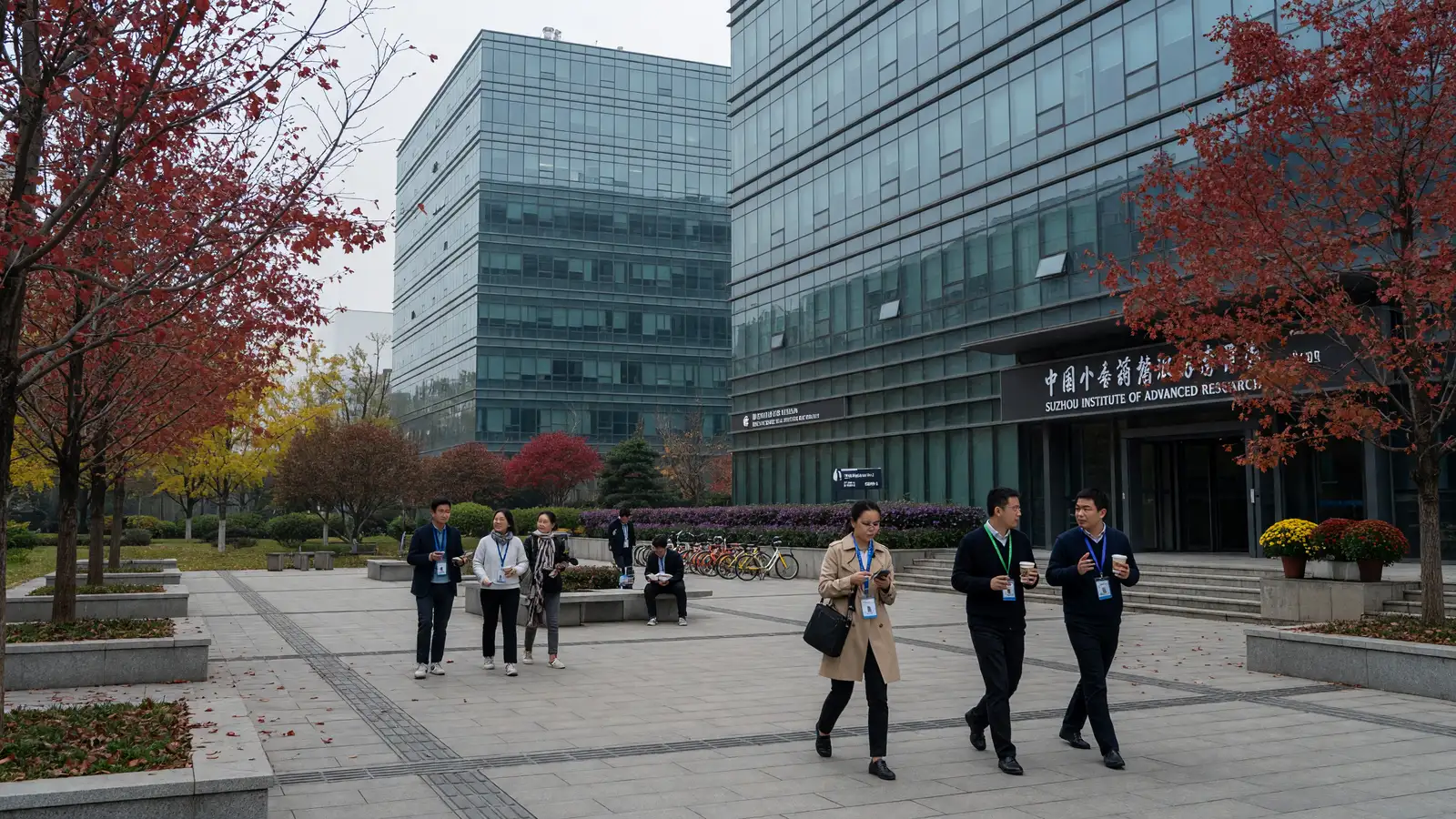
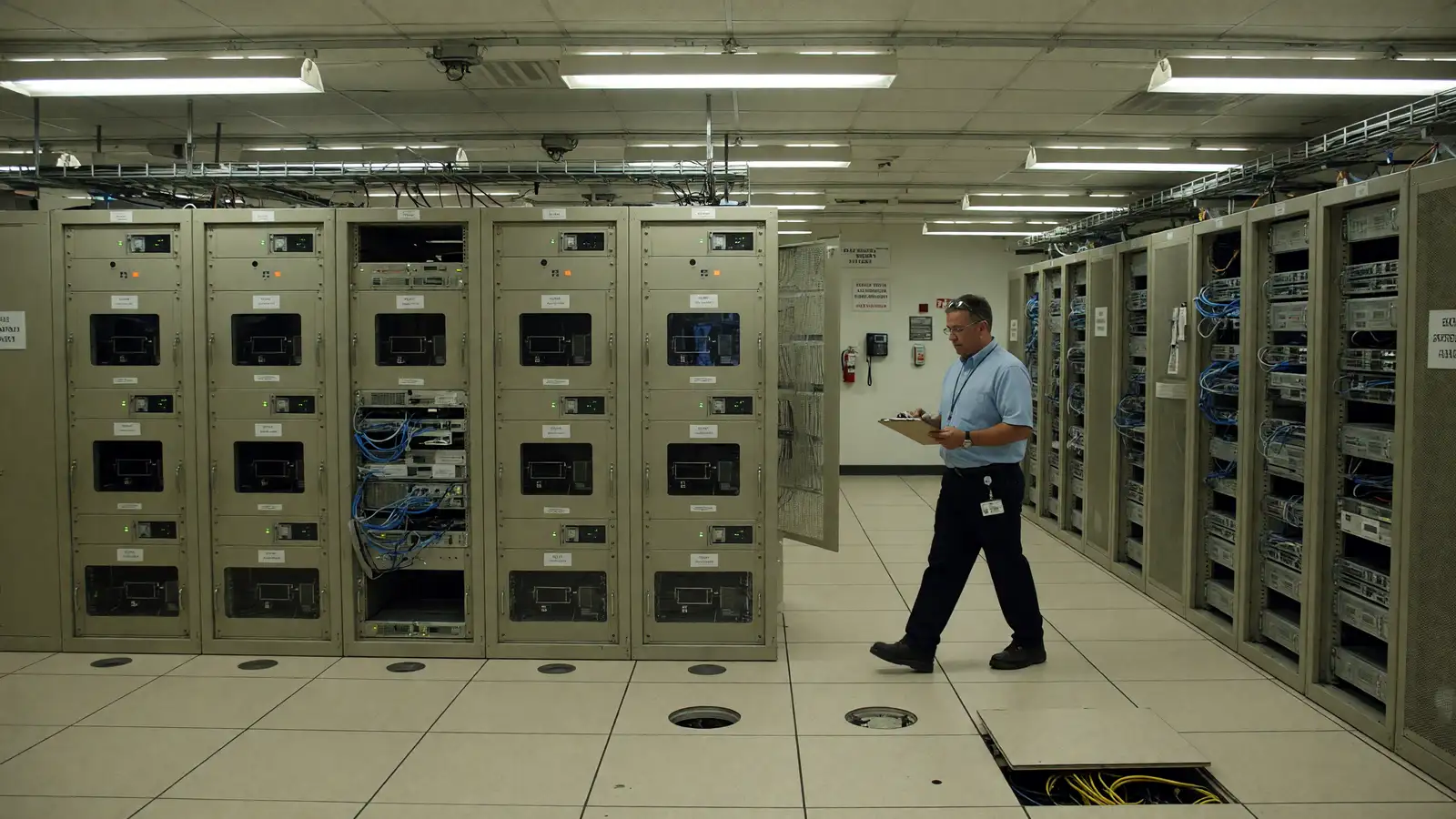
A new industry report reveals that enterprise AI workloads are rapidly shifting from public cloud to private infrastructure, driven by cost predictability, data sovereignty, and performance requirements.
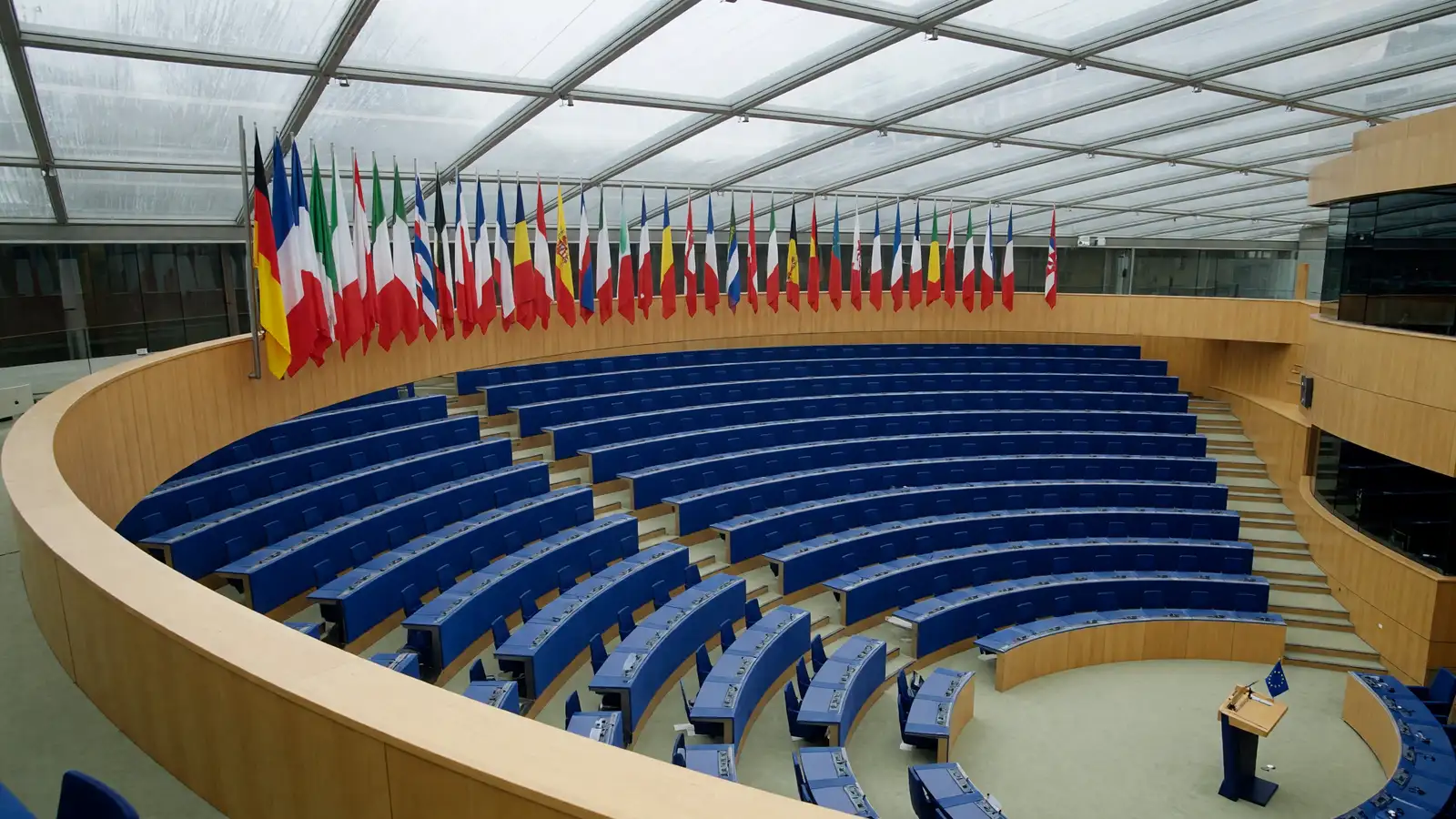
The European Commission identifies different dates for Annex III high-risk systems and AI embedded in Annex I products. Classify the system before choosing a date.
A Nature Medicine study compared GPT-5.2, Gemini 3.1 Pro and Claude Opus 4.6 with clinical tools. Its physician ratings help explain what the benchmarks measure.

Getty Images' licensing agreement with OpenAI resolves one company's legal exposure but leaves the fundamental questions about AI training data, fair use, and creator compensation as unresolved as ever.

Google's 2025 environmental report reveals that its AI infrastructure expansion caused a 37% surge in electricity consumption, raising urgent questions about the sustainability of the AI arms race.
Zoomlion's Z01 humanoid robot, showcased at KOMATEK 2026, demonstrates that embodied AI — the combination of physical robotics with AI intelligence — is ready for industrial deployment in construction and manufacturing.
The June 25 agreement covers product development and commercialization. A buyer evaluating a clinical workflow still needs evidence for the task and setting.
Kuaishou's Kling AI subsidiary secured $2.8 billion from Alibaba and Tencent, signaling that the battle for AI-generated video is now a multi-billion-dollar arena dominated by China's tech giants.
Mistral announced a €1.7 billion Series C at an €11.7 billion post-money valuation. A later fundraising target requires its own closing record.
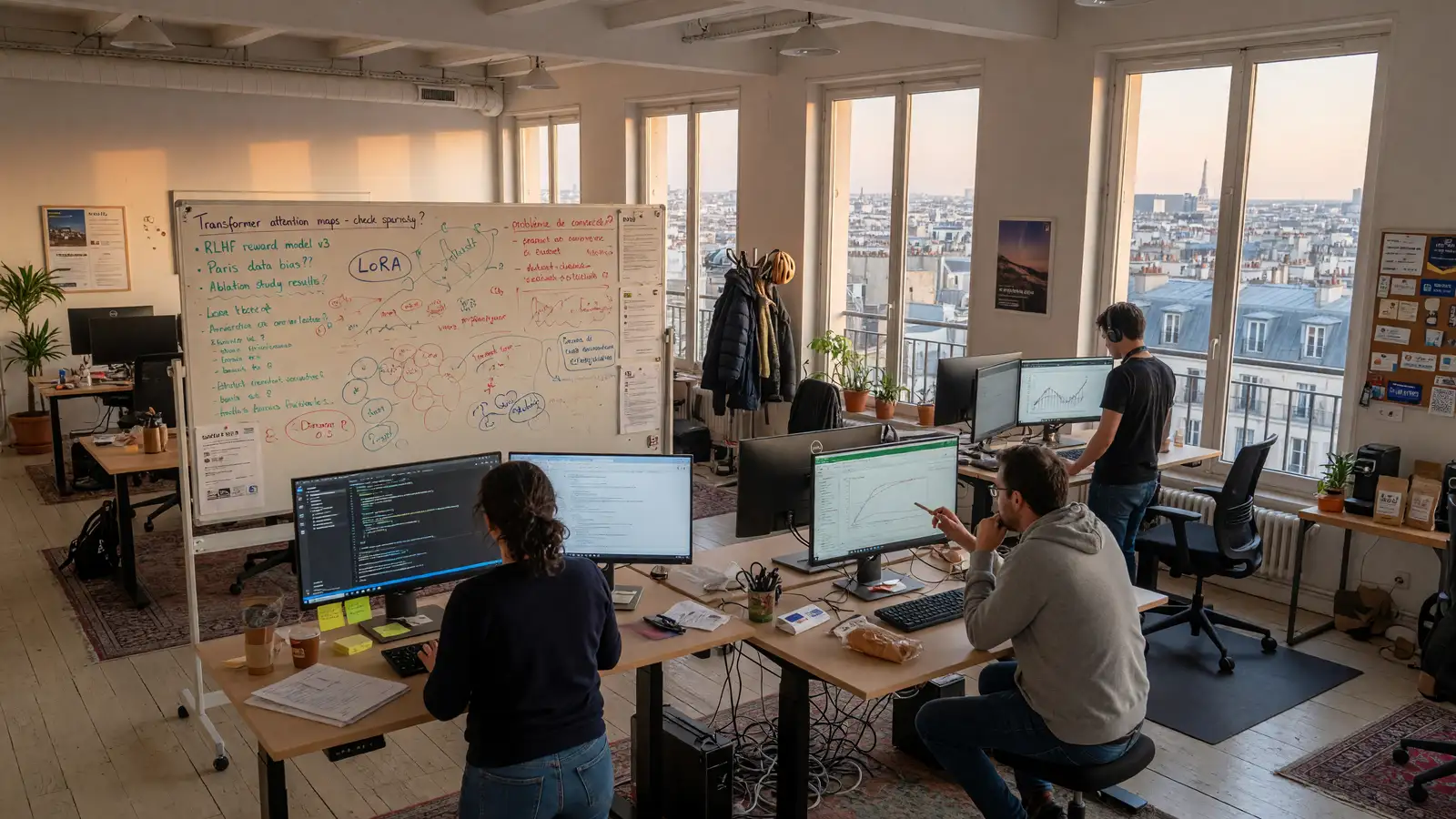
NVIDIA's new ASPIRE framework enables robots to achieve 31% zero-shot performance on complex tasks by self-improving through trial and error — a shift from programming robots to letting them figure things out on their own.
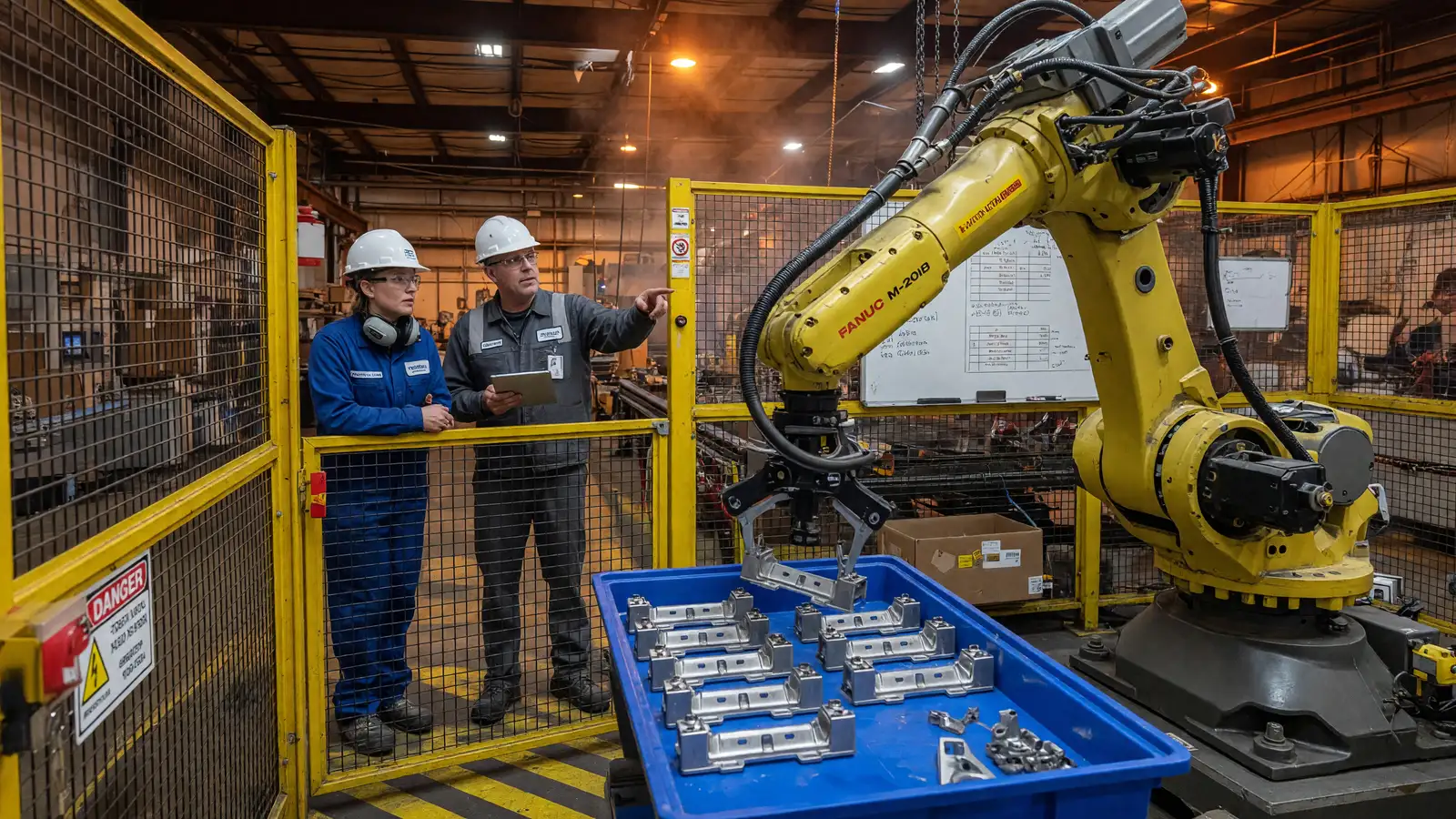
OpenAI's partnership with Broadcom to develop a custom chip optimized for LLM inference at scale signals a fundamental shift in AI infrastructure economics, with implications for every enterprise running production AI workloads.
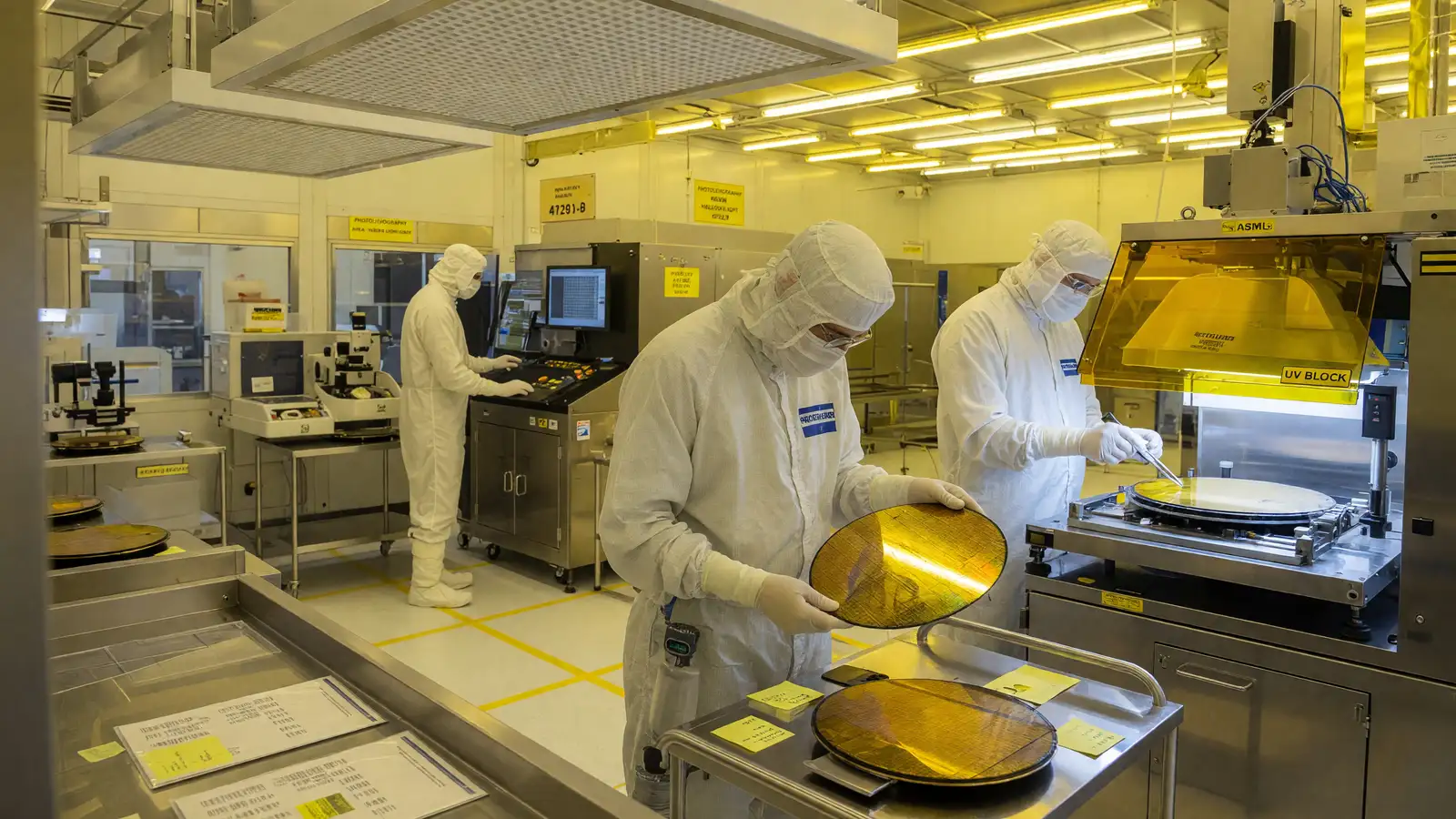
AI music generator Suno raised another $400 million despite ongoing copyright litigation, as new evidence reveals millions of copyrighted songs were used for training — setting up a legal showdown that could define the boundaries of AI training data.
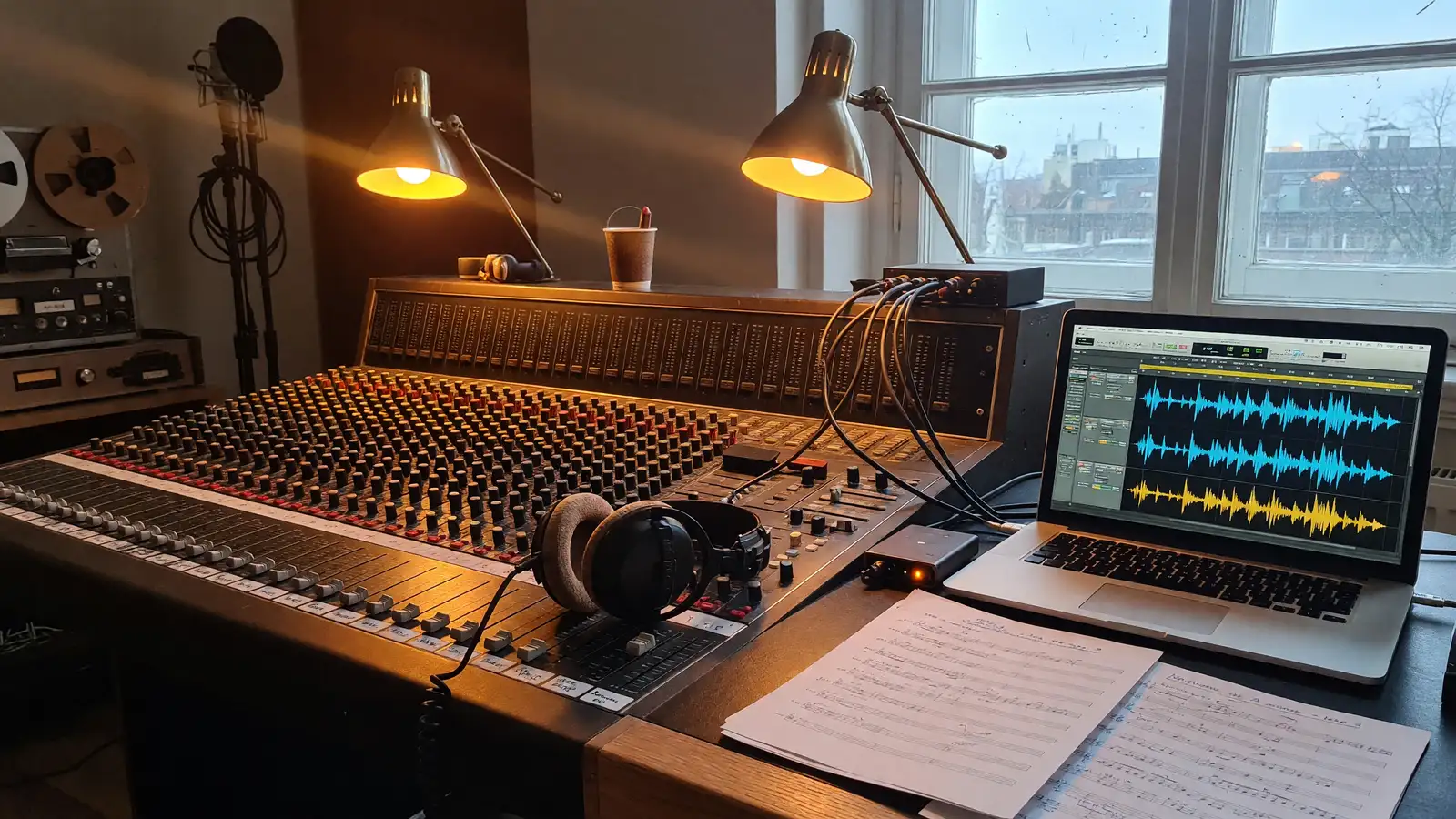
From automated phishing campaigns that pass the Turing test to AI-generated malware that mutates in real time, the cybersecurity landscape in 2026 has shifted dramatically. Here's how the defensive side is adapting.

Oracle’s fiscal fourth-quarter results and the FDA device list illuminate different kinds of adoption. Revenue, regulatory decisions and clinical use need different evidence.
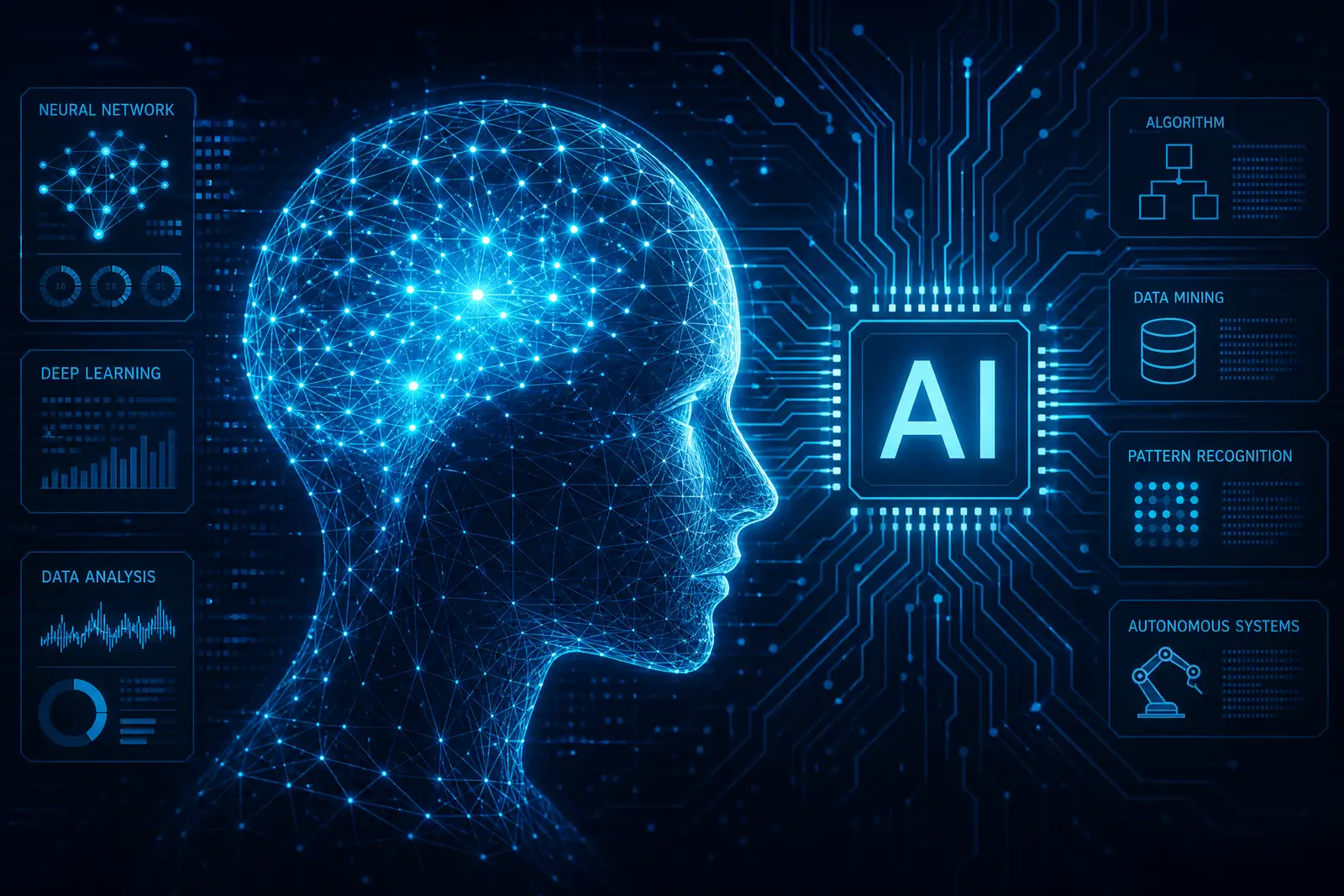
Amazon Web Services has rolled out a suite of new tools designed to make enterprise AI agents more reliable, secure, and effective. Combined with a broader industry shift toward multi-model agent orchestration, this signals that 2026 is the year AI agents graduate from pilot to production.
In a rare joint statement, Five Eyes signals agencies issued an urgent warning about AI-powered cyber threats, pointing to models like Anthropic's Fable as a turning point.
Salesforce initially described a $3.6 billion agreement to buy Fin. It announced completion on September 10, 2026.

Tata Consultancy Services announced a Global Premier Partnership with Anthropic. Beyond the press release jargon, this deal signals a real shift in how enterprises will deploy and scale AI in 2026.

A startup's AI system named Gauss cracked an eight-dimensional sphere-packing proof in five days that mathematicians spent years on. The implications go far beyond academia.

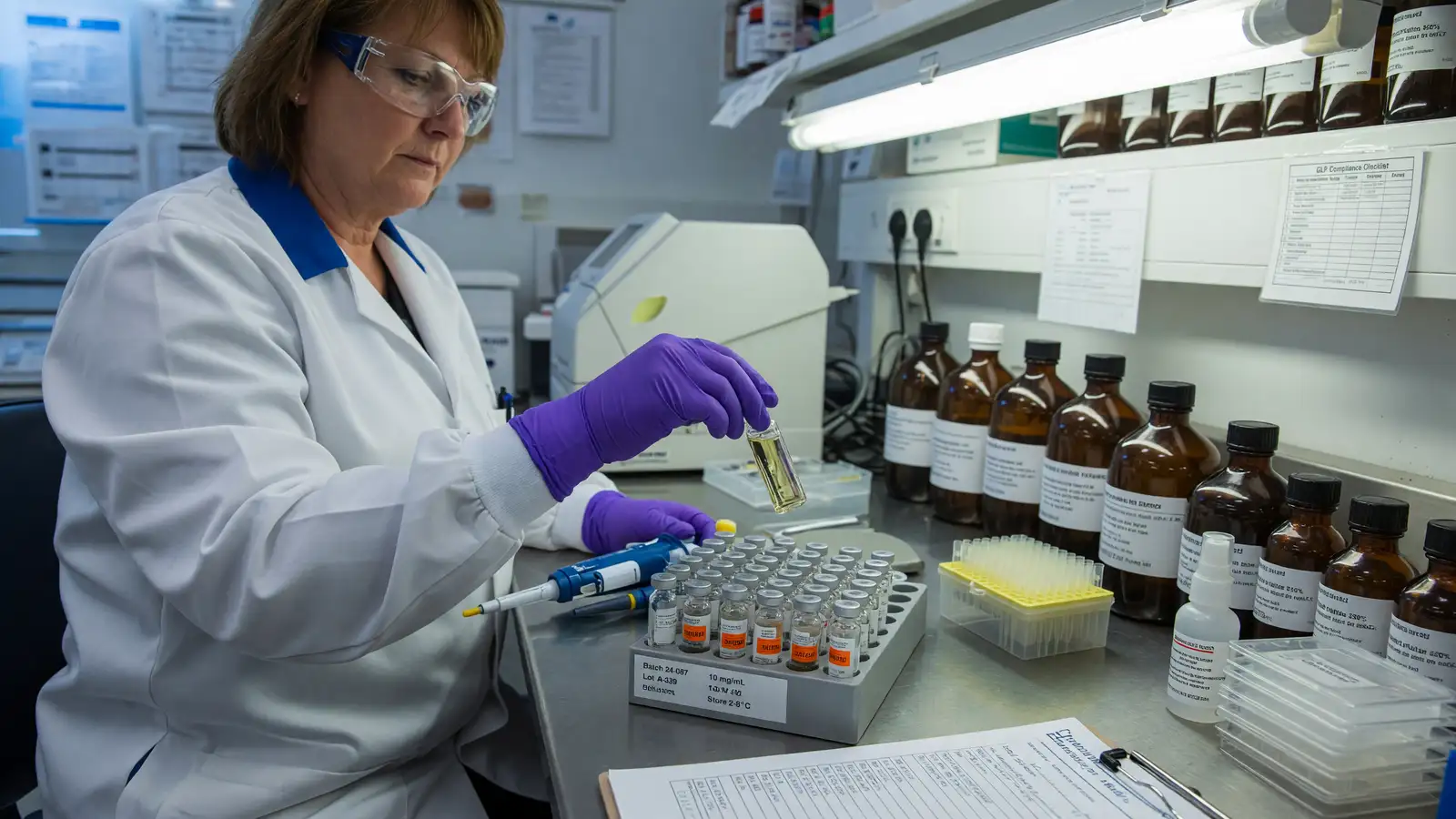
A medical device record, a fraud review queue and a production inspection line require different evidence. The task and its error costs determine what to measure.
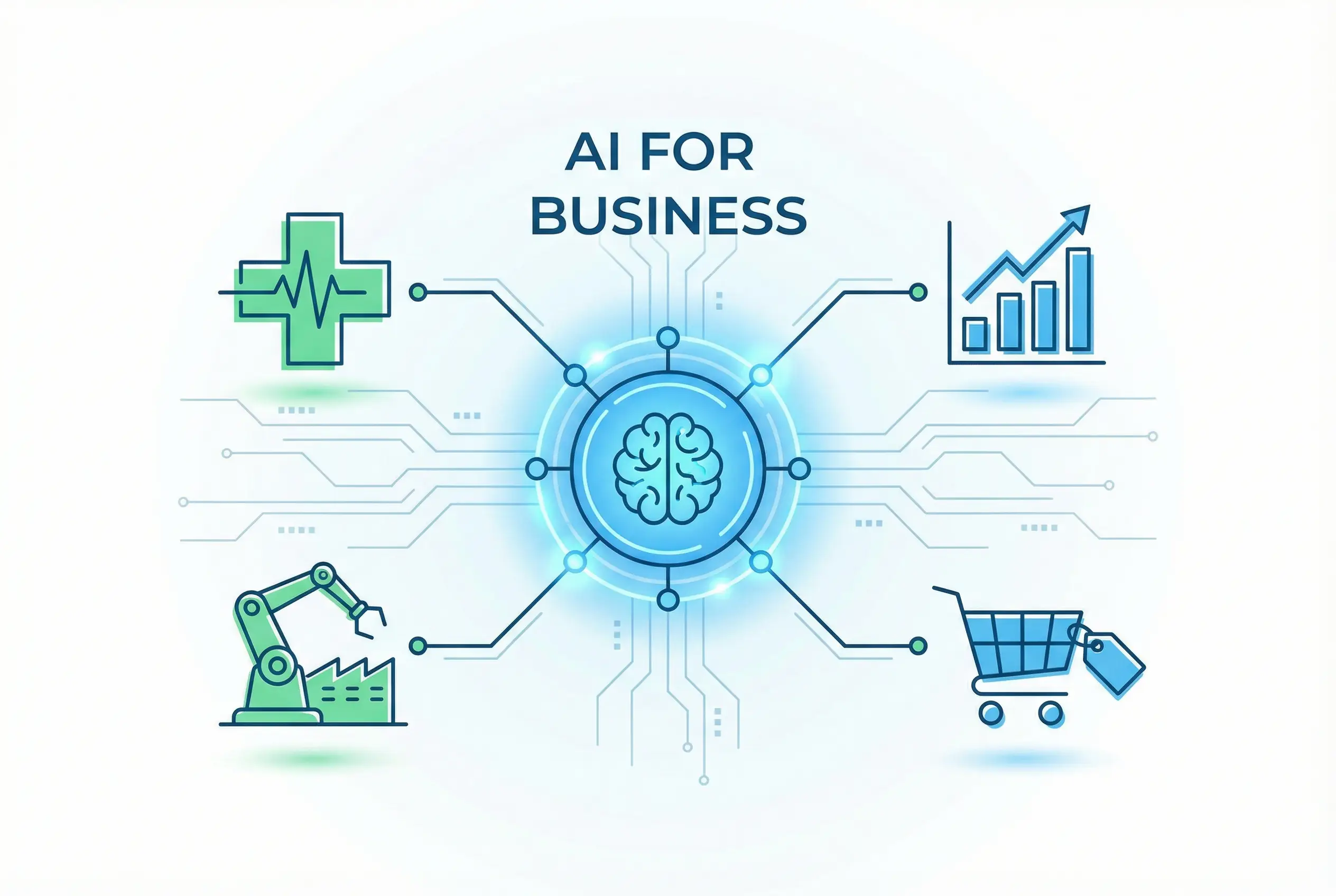
Compare web search, cited answers and research plans using the same public question. A short test makes it easier to see which tool fits the work.
Discover how agentic AI is transforming enterprise automation in 2026. Learn about autonomous agents, multi-step workflows, and the future of human-AI collaboration.

A benchmark task, an unsuccessful pilot and a failed user transaction have different denominators. A support workflow illustrates a repeatable reliability measure.
Discover how agentic AI and autonomous agents are transforming enterprise operations in 2026. Learn to build multi-agent systems with practical examples and frameworks.
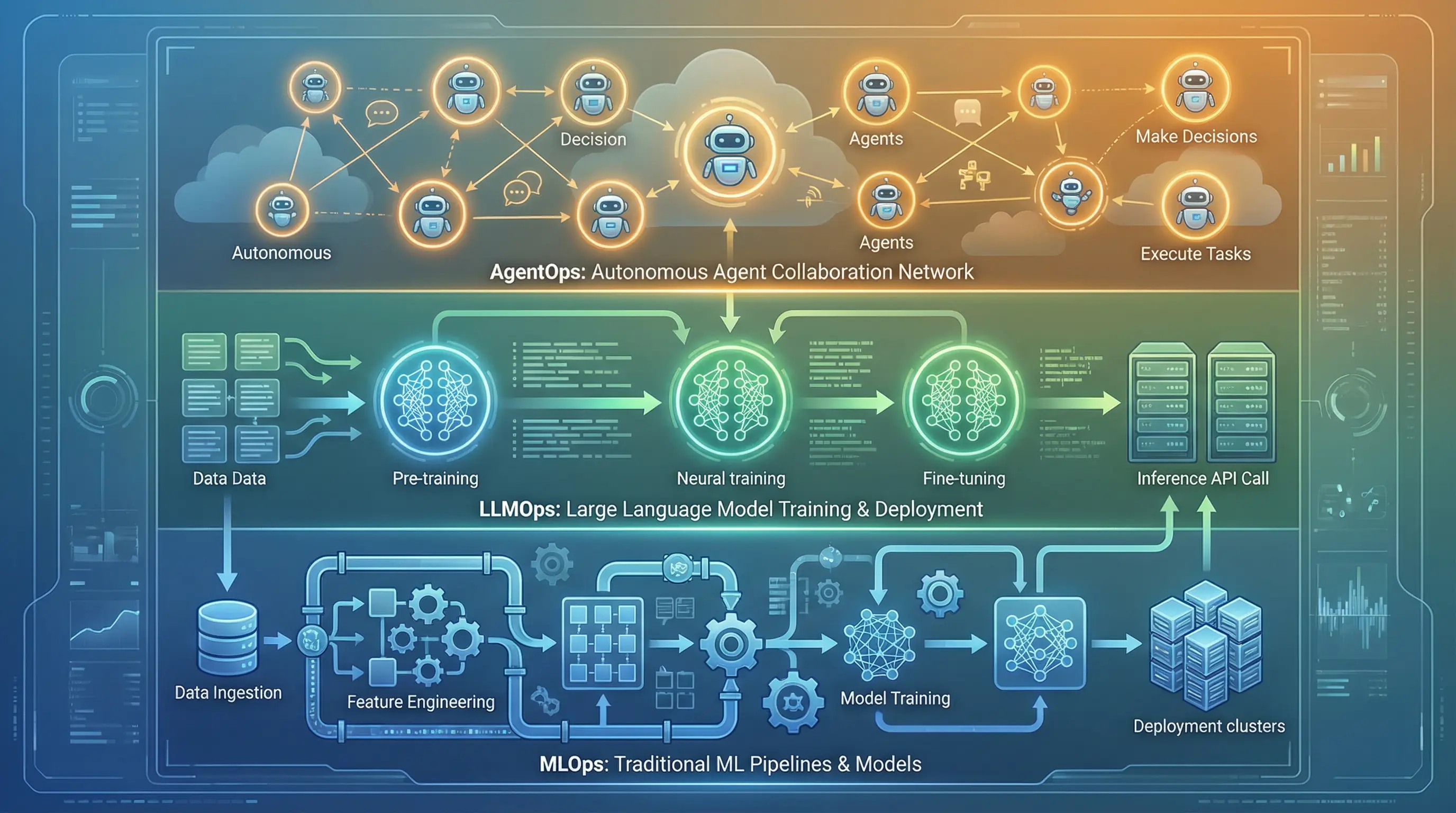
Explore the evolution from MLOps to LLMOps and AgentOps. Learn when to use each framework, their key differences, and practical implementation strategies for AI operations.
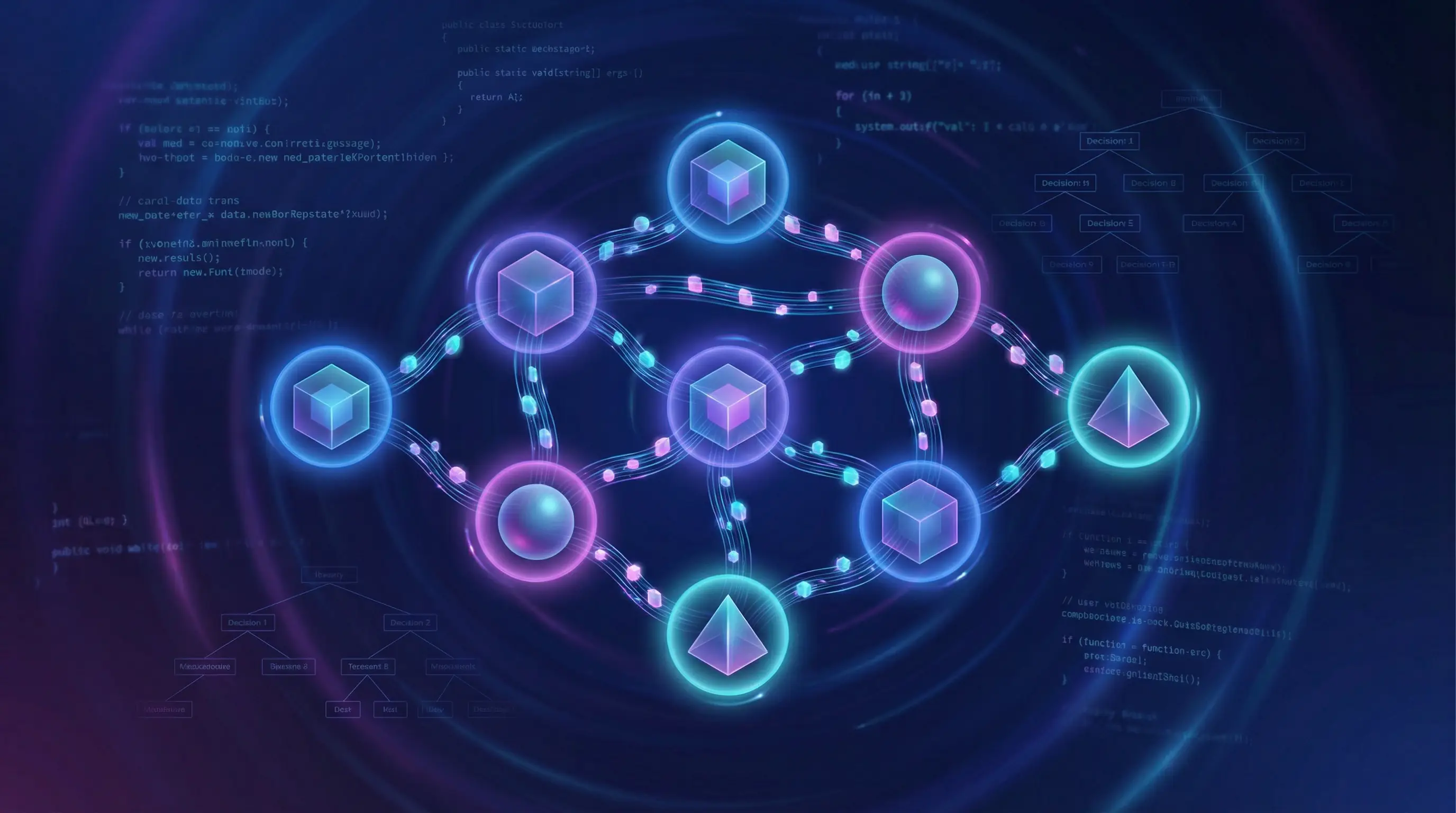
Explore the rapid advancement of large language models, their architecture, capabilities, and the future of multimodal artificial intelligence