
What Omdia’s 94.1% semiconductor forecast measured
Omdia’s July 30 projection concerned year-over-year semiconductor revenue, with memory a major driver. It did not measure chip-unit growth or finalized annual sales.
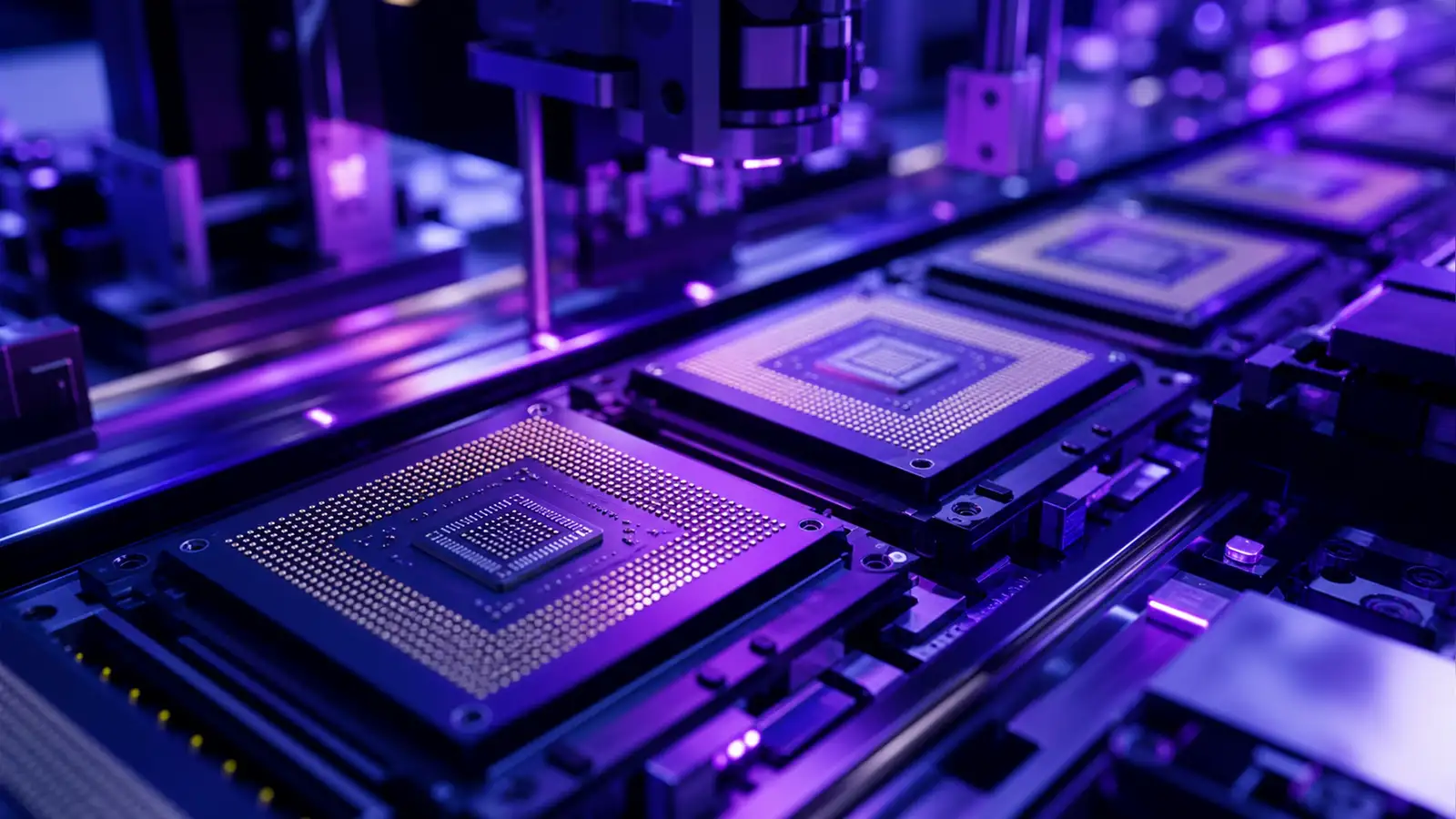
On July 30, 2026, Omdia revised its forecast for 2026 semiconductor revenue to growth of 94.1% year over year. It attributed much of the change to memory, including DRAM and NAND, and expected memory ICs to account for more than half of total semiconductor revenue. These are dated projections by the publisher of the forecast. Omdia’s July release
Why a revenue forecast can move faster than shipments
Revenue reflects both volume and realized prices, as well as the mix of devices sold. As a simple example, if the number of devices shipped is unchanged and the average selling price doubles, revenue doubles with no increase in units. In an actual semiconductor market, shifts between memory types, logic and packaging further complicate the comparison.
For a capacity decision, check the particular component, the forecast vintage and whether figures measure units, wafer starts, bit shipments or revenue. For a year-end comparison, use the later actual figures under the same segment definitions. A forecast for the entire industry cannot tell a buyer the lead time for a particular memory part.