Quantinuum Goes Public: How a $1.68 Billion IPO Signals Quantum Computing's Commercial Arrival
Quantum computing companies don’t usually make headlines on Wall Street. That changed this week.
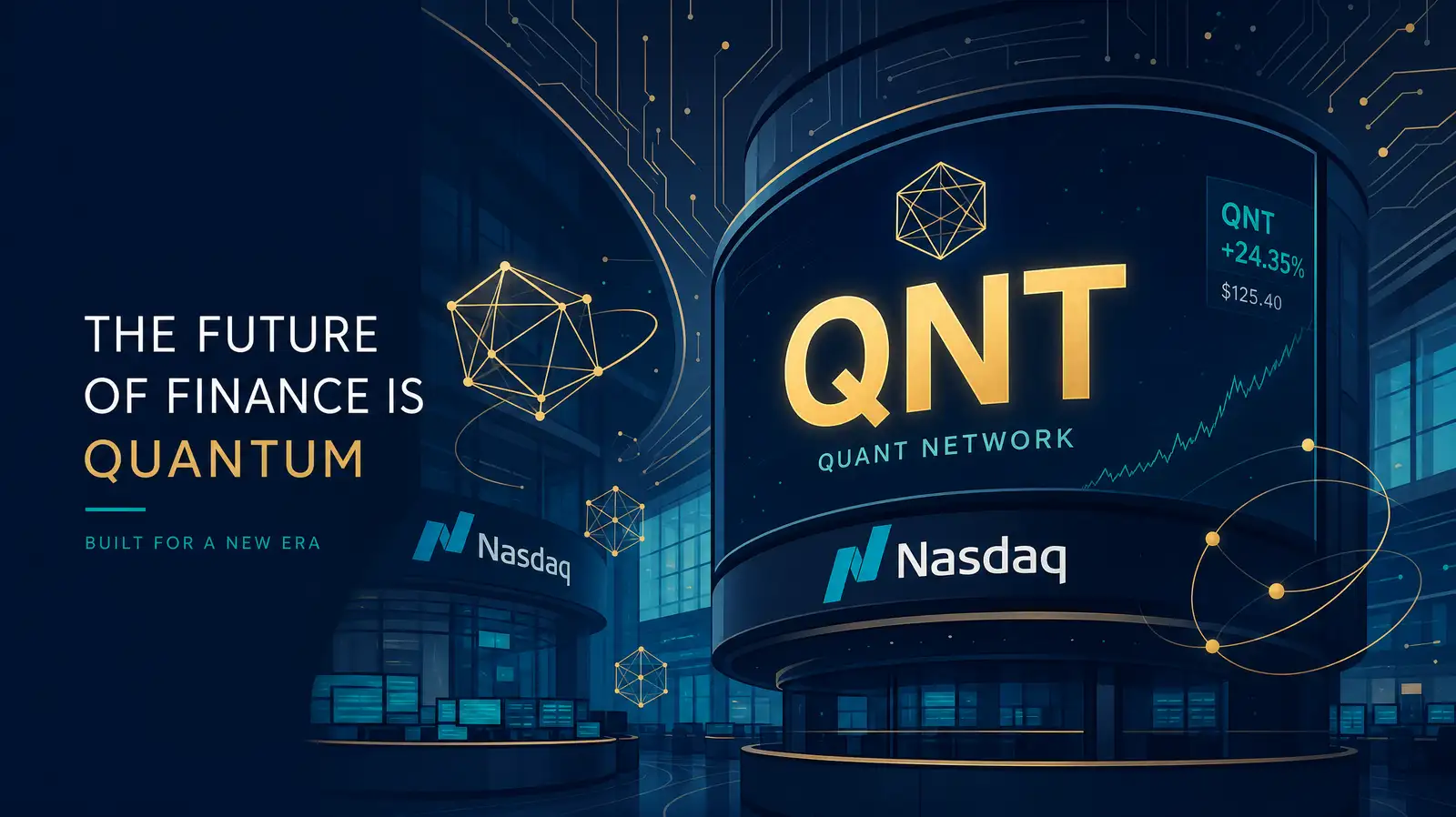
Quantinuum, the Honeywell-backed quantum computing firm, priced its initial public offering at $60 per share on June 3, 2026, raising $1.68 billion through the sale of 28 million Class A shares on the Nasdaq Global Select Market. The opening bell brought shares to $68 — a 13% premium over the IPO price — before they closed roughly flat. The offering values the company at approximately $15 billion, making it the first major pure-play quantum computing firm to go public through a traditional IPO process.
This isn’t just another tech listing. It’s a signal that quantum computing has crossed from academic curiosity to commercial enterprise.
The road to going public
Quantinuum wasn’t born overnight. The company emerged from the merger of Honeywell Quantum Solutions and Cambridge Quantum, bringing together industrial engineering expertise and quantum software capabilities. That combination proved strategic: hardware alone doesn’t sell quantum computers, and software without reliable hardware is just theory.
According to SEC filings, Quantinuum reported $30.9 million in revenue for 2025, with bookings reaching $79.3 million. The company posted a net loss of $192.6 million — typical for deep-tech companies at this stage, where R&D spending vastly outpaces revenue. But the bookings-to-revenue ratio of roughly 2.5x tells a different story: demand is outpacing what the company can currently deliver.
The IPO was heavily oversubscribed. Originally, filings suggested a raise of around $1.05 billion at a $12.7 billion valuation. Strong investor appetite pushed the offering higher — both in price per share and total capital raised. Co-founder Illyas Khan saw his stake valued at $2.2 billion after the offering, making him a billionaire on paper.
Why trapped-ion technology matters
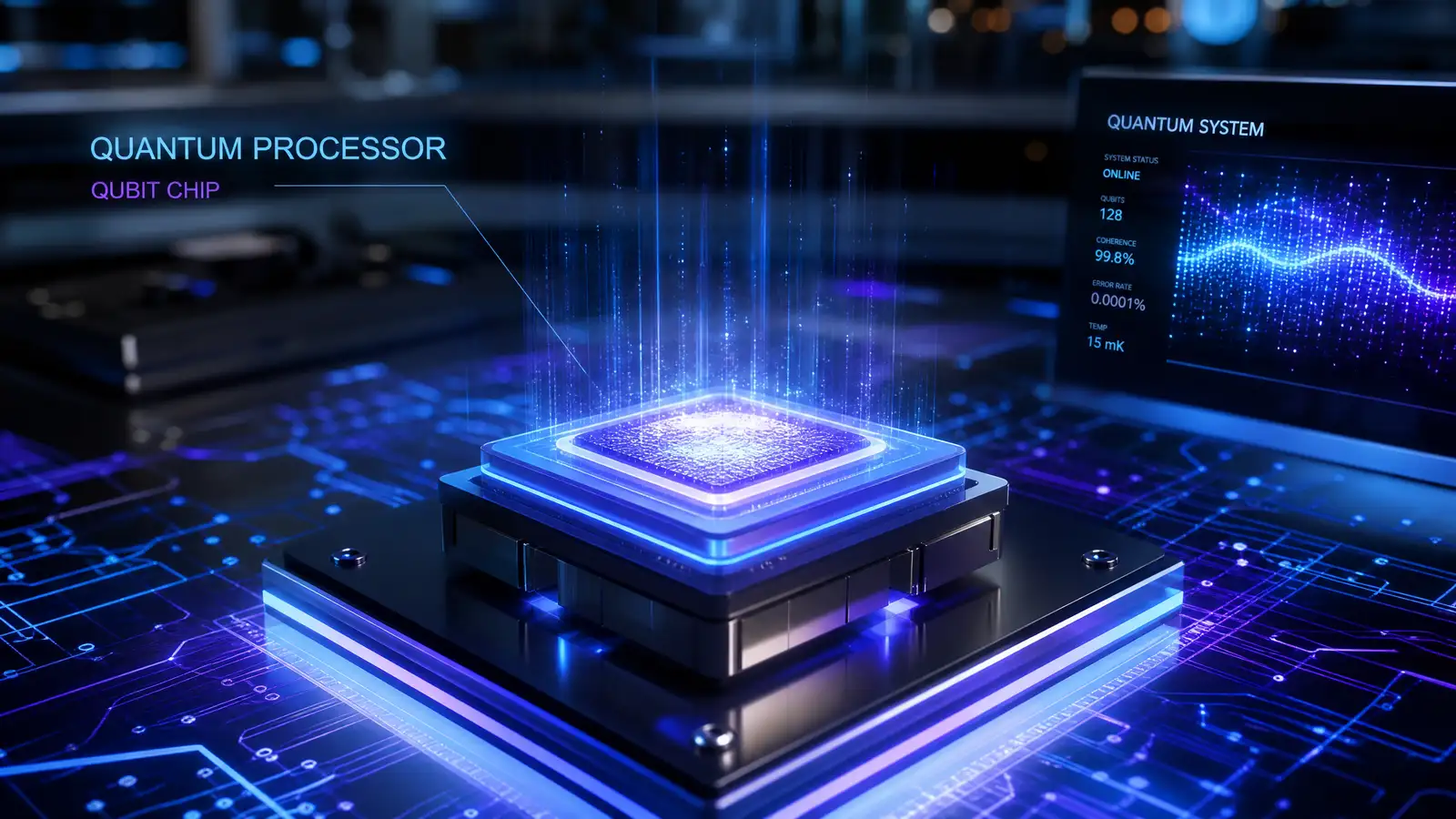
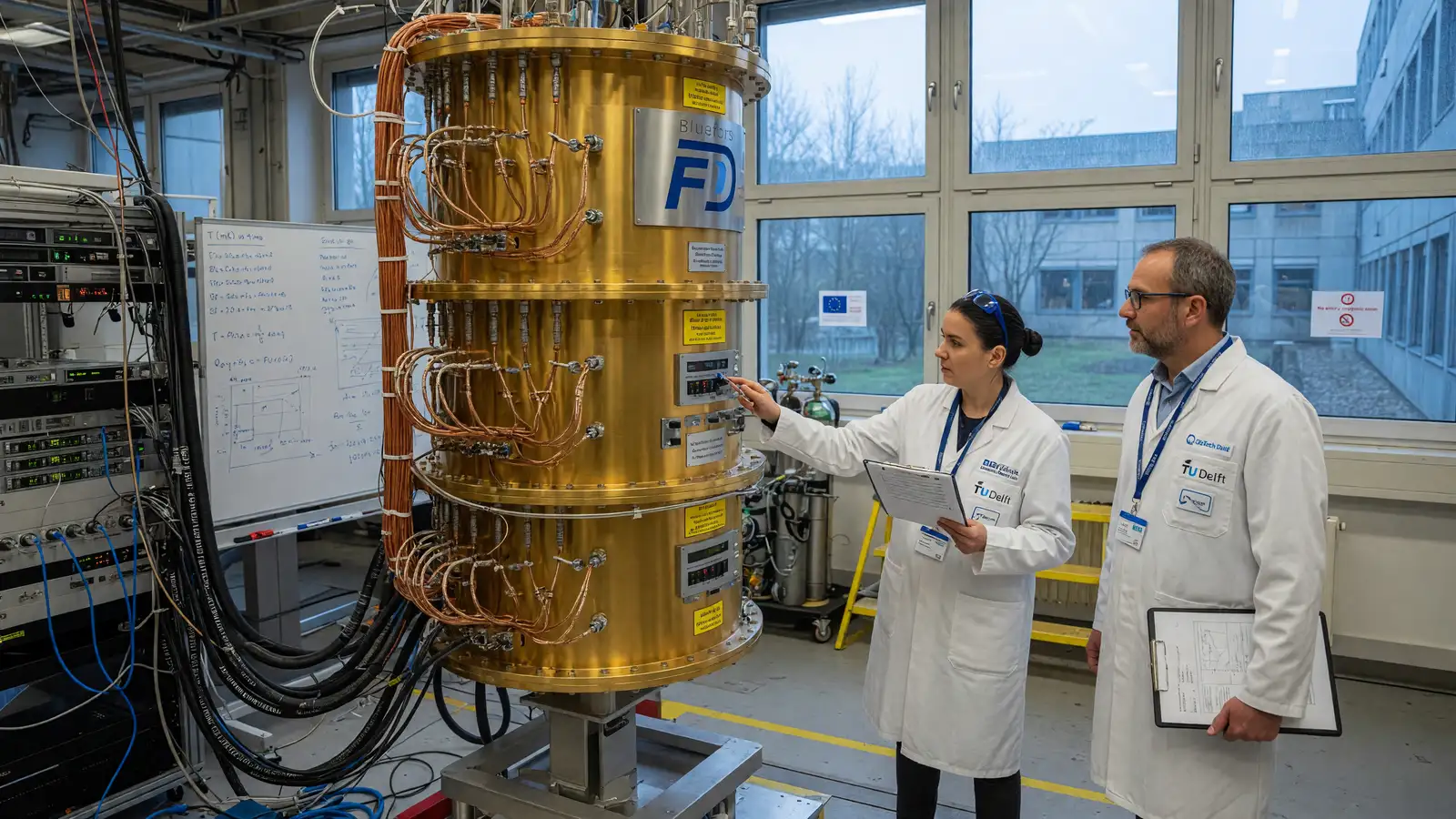
Quantinuum’s approach to quantum computing is distinct. Unlike superconducting qubit systems used by IBM and Google, Quantinuum builds trapped-ion quantum processors. In these systems, individual ions are suspended in electromagnetic fields and manipulated with lasers to perform quantum operations.
The advantage? Trapped-ion systems tend to produce higher-fidelity qubits — fewer errors per operation. For industrial applications where a wrong calculation costs real money, fidelity matters more than raw qubit count. IBM and Google compete on qubit numbers. Quantinuum competes on getting the right answer reliably.
The company’s H2 quantum processor exemplifies this philosophy. It doesn’t have the headline-grabbing qubit counts of IBM’s latest machines. But the quality of computation it delivers — the probability that a complex algorithm runs without error — is what enterprise customers are actually paying for.
What the money will build
The $1.68 billion raise gives Quantinuum something rare in the quantum industry: a deep war chest. Most quantum startups operate on venture funding measured in tens of millions. Quantinuum now has capital to compete with tech giants on infrastructure development.
The timing aligns with a strategic partnership announced just days before the IPO. On June 2, Quantinuum signed a memorandum of understanding with Mitsubishi Electric to explore advanced industrial engineering and design applications using its quantum platform. This isn’t a vague research agreement — it’s a concrete step toward integrating quantum computing into real industrial workflows, from materials simulation to supply chain optimization.
That partnership pattern is likely to repeat. Having public-market capital gives Quantinuum credibility when approaching enterprise clients who might have previously viewed quantum computing as a science experiment. “If it’s on Nasdaq, it’s a real product” is a sentiment that closes deals.
The broader quantum IPO wave
Quantinuum didn’t go public in isolation. The listing arrived during a wider wave of mega IPOs. SpaceX launched its own historic offering in the same week, raising approximately $75 billion at a $1.8 trillion market cap. Natural gas engine producer INNIO Holding also priced an upsized IPO. Together, these listings reflect a broader market appetite for companies building the infrastructure of the next decade.
For quantum computing specifically, the comparison is instructive. SpaceX proved that space technology could be commercialized at scale. Quantinuum is attempting the same for quantum — moving from government contracts and research grants to a business model that generates recurring commercial revenue.
The reality check
Not everything about this IPO is bullish. A $192.6 million annual loss against $30.9 million in revenue is a wide gap. Quantum computing still faces fundamental technical challenges: scaling qubit counts without sacrificing fidelity, reducing error rates further, and building the software ecosystems that will make these machines useful to non-specialist programmers.
The market cap of $15 billion prices in years of growth that hasn’t happened yet. If enterprise adoption of quantum computing slows, or if competitors like IBM, Google, or newer startups achieve technical breakthroughs that leapfrog trapped-ion systems, Quantinuum’s valuation could face significant pressure.
But that’s the nature of betting on frontier technology. The companies that build the foundation of a new computing era rarely look cheap at the moment they prove they’re real.
What comes next
Public companies need to deliver quarterly results, and Quantum computing development doesn’t follow quarterly timelines. Quantinuum will need to balance long-term technical progress with short-term market expectations. The company has signaled that it plans to expand its cloud-based quantum computing services — letting enterprises access quantum processors remotely rather than building their own hardware.
For the quantum industry as a whole, this IPO matters because it creates a benchmark. Future quantum companies going public will be measured against Quantinuum’s trajectory. More importantly, it validates quantum computing as an investable asset class for institutional investors who previously couldn’t justify exposure through private market positions.
Quantum computing has been “five years away” for about fifteen years. Quantinuum’s Nasdaq listing suggests that timeline might finally be shrinking.