Stablecoins Are Becoming the Killer App for Cross-Border Payments
Stablecoins Are Becoming the Killer App for Cross-Border Payments
For years, the crypto industry searched for a real-world use case that could justify the infrastructure it was building. Decentralized finance, NFTs, and tokenized assets each had their moment, but none achieved the kind of universal adoption that would make blockchain technology feel inevitable. Stablecoins might be different.
In the first quarter of 2026, stablecoin transaction volume surpassed Visa’s quarterly volume for the first time. The combined market capitalization of USDT and USDC now exceeds $200 billion. These are not speculative trading volumes or DeFi arbitrage. A growing share of stablecoin transactions represents actual payments, transfers, and settlement between real businesses and individuals.
The numbers tell a story that the crypto industry has been waiting for: stablecoins are becoming the infrastructure layer for global money movement.
Why Stablecoins Work for Payments
The appeal of stablecoins for cross-border payments comes down to three things: speed, cost, and accessibility.
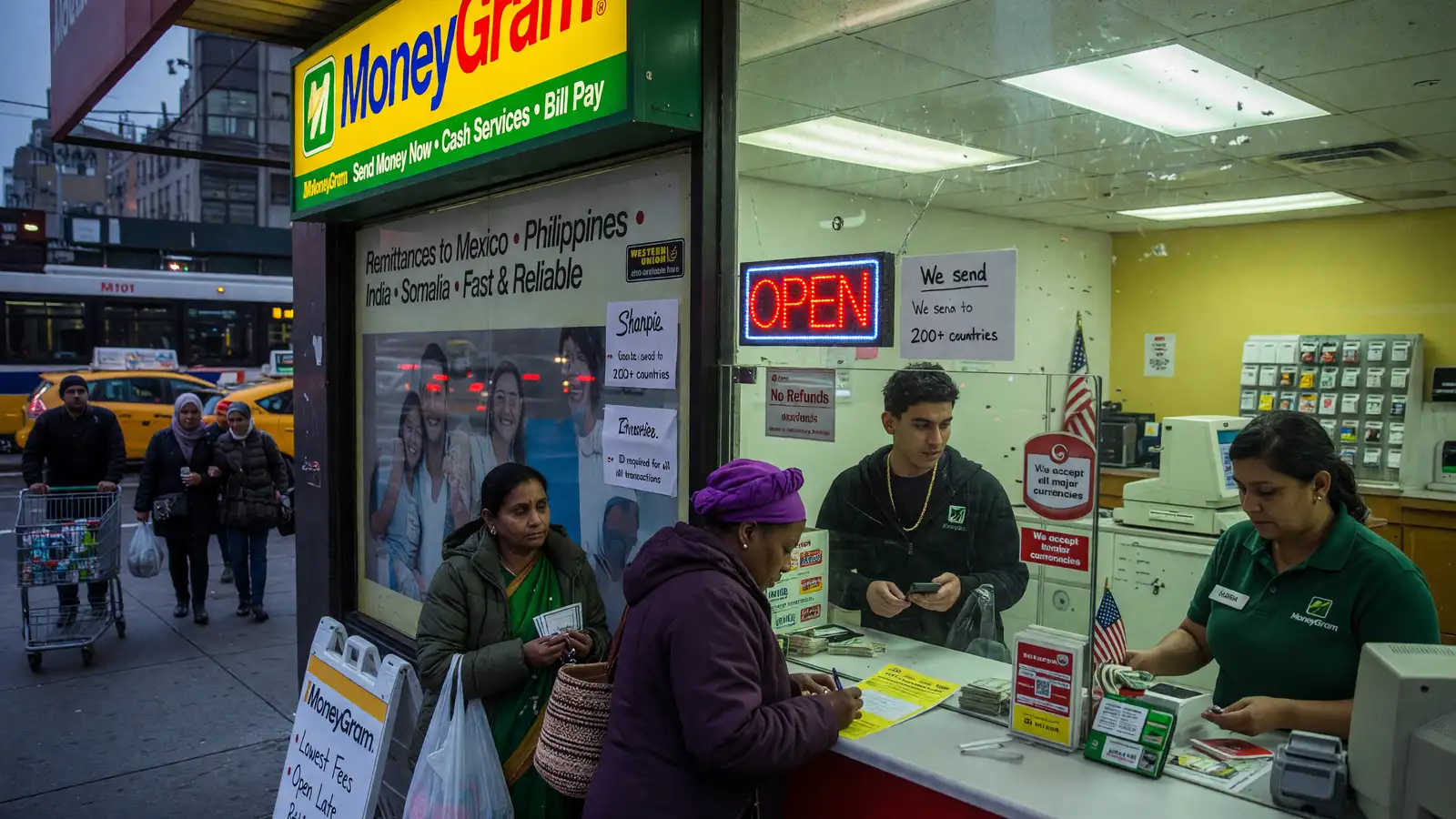
Traditional cross-border transfers through the SWIFT network take one to five business days and cost an average of 6 to 7 percent of the transaction amount for remittances. A stablecoin transfer on a Layer 2 network like Base or Arbitrum settles in seconds and costs fractions of a cent. The gap is enormous, and it matters most for the people who can least afford to pay high fees.
A construction worker in the Philippines receiving $500 from a family member in the United States might lose $35 to Western Union or a bank wire. The same transfer as USDC on Base costs less than a dollar and arrives in under a minute. For someone earning $400 a month, that $34 difference is not trivial.
The technical advantages compound. Stablecoins operate on a 24/7 settlement cycle, unlike banks that settle only on business hours. They do not require a bank account to receive, only a wallet address. And because they are programmable, they can be integrated into payment flows that traditional infrastructure cannot easily support: automatic split payments, conditional releases, programmable escrow, and real-time settlement between businesses.
For businesses, the settlement advantage is equally compelling. When a company sends a $100,000 invoice to an overseas client, the money typically takes three to five days to arrive and incurs wire transfer fees of $25 to $50 on each end. The same payment in USDC settles in minutes with negligible fees. For companies operating on thin margins or tight cash flow cycles, faster settlement directly improves working capital.
Who Is Building on Stablecoin Rails
The infrastructure is maturing rapidly. Stripe’s $1.1 billion acquisition of Bridge in 2024 was the clearest signal that major fintechs see stablecoins as core infrastructure, not a curiosity. Bridge provides an API that lets businesses send, receive, and store stablecoins as easily as they handle traditional payments. Since the acquisition, Stripe has integrated stablecoin settlement into its merchant payment network, giving millions of businesses access to the technology without requiring them to understand the underlying mechanics.
PayPal’s PYUSD stablecoin, launched in 2023, now processes billions in quarterly volume. The company has integrated it into its merchant payment network, allowing businesses to accept PYUSD alongside traditional payment methods. For PayPal, stablecoins reduce settlement costs and eliminate the two-to-three-day delay in fund availability that merchants have tolerated for decades.
Visa and Mastercard have both launched stablecoin settlement programs, allowing card issuers to settle transactions in USDC instead of traditional bank transfers. This is not a press release experiment. Visa reported that stablecoin settlement volume grew 300 percent year-over-year in its most recent earnings call, and Mastercard has partnered with Circle to enable merchants to accept USDC directly.
Meanwhile, a new generation of startups is building specifically for the stablecoin payment use case. Companies like Bridge, Yellow Card, and Fipto are making it as straightforward to pay with stablecoins as using a traditional payment processor, with the added benefit of instant settlement and global reach.
The Remittance Revolution
The remittance market, which processes over $800 billion annually, is the most obvious beneficiary of stablecoin adoption. The World Bank estimates that the global average cost of sending remittances is 6.25 percent, with some corridors charging over 10 percent.
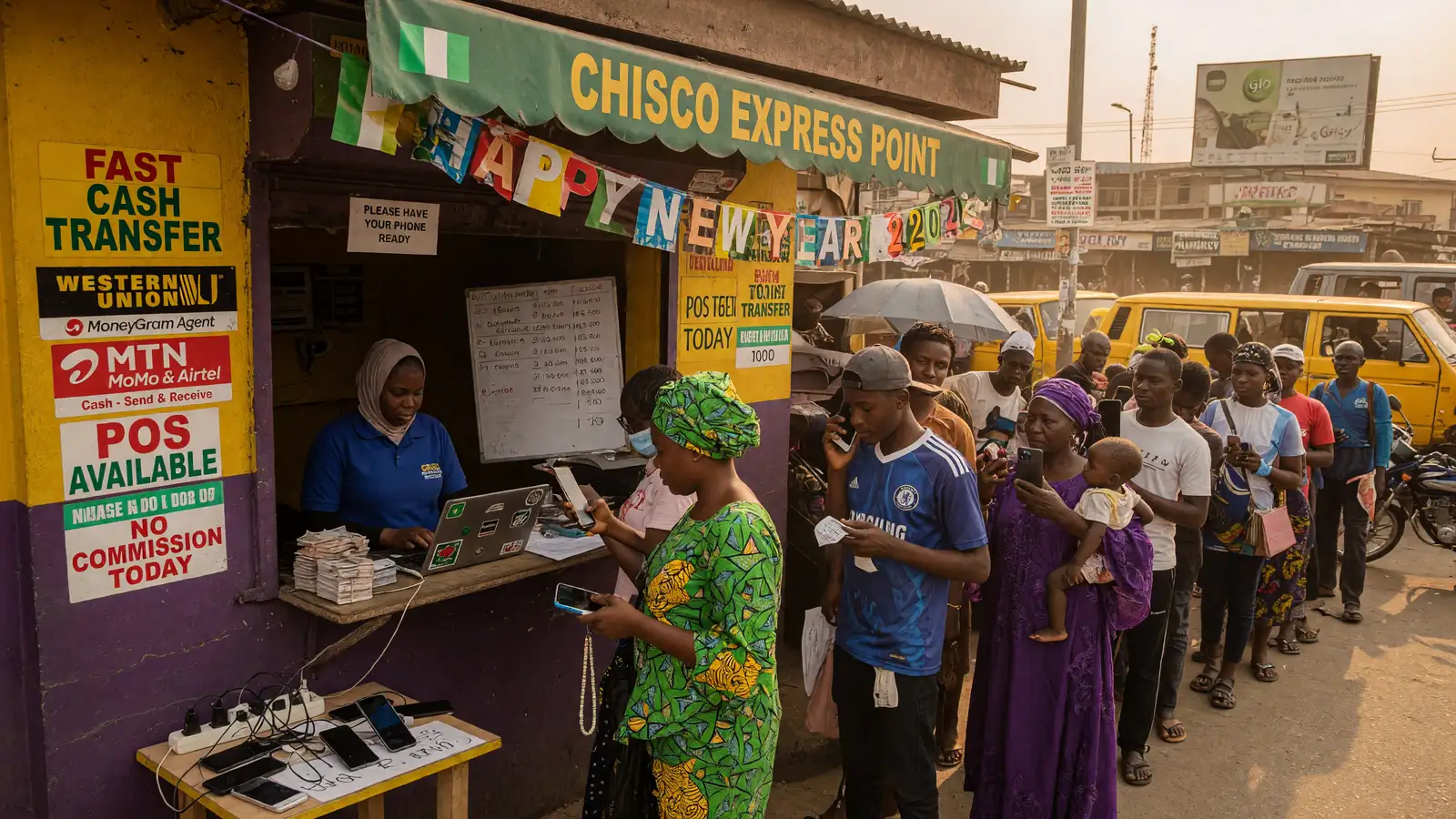
Stablecoins collapse this cost to nearly zero, and the impact is already visible. In countries with large diaspora populations, such as the Philippines, Mexico, Nigeria, and India, stablecoin-based remittance services are gaining traction. These services often work through a simple model: the sender converts local currency to USDC or USDT, transfers it on-chain, and the recipient converts it back to local currency through a local exchange or agent network.
The conversion step is where most of the remaining friction exists, but it is shrinking. Local exchange networks in major remittance corridors have expanded significantly, and some services now offer direct-to-bank or direct-to-mobile-wallet payouts that eliminate the need for the recipient to interact with crypto infrastructure at all.
The numbers are striking. In the Philippines, stablecoin-based remittance services now handle an estimated 15 percent of total remittance volume, up from less than 2 percent in 2023. In Nigeria, where the naira has experienced significant volatility, USDT has become a de facto savings and transfer mechanism for millions of people who need to move value in and out of the country. The pattern is repeating across emerging markets where traditional banking infrastructure is expensive, slow, or simply unavailable to large portions of the population.
The B2B Settlement Opportunity
Beyond consumer remittances, the business-to-business settlement market represents an even larger opportunity. Global B2B payments are estimated at $120 trillion annually, and the cross-border portion of that market is notoriously slow and expensive. A typical international B2B payment involves multiple intermediary banks, each taking a fee and adding delay.
Stablecoins can collapse this chain into a single transaction. When a manufacturer in Vietnam needs to pay a supplier in Germany, the traditional process involves correspondent banks, currency conversion fees, and three to five days of settlement time. The same payment in USDC on a Layer 2 network settles in minutes with minimal fees.
Several major corporations have begun experimenting with stablecoin-based B2B settlement. Technology companies with large contractor networks across multiple countries are among the earliest adopters, using stablecoins to pay international contractors instantly instead of waiting for bank wires to clear. This approach is particularly popular with companies in the tech and gig economy sectors, where workforces are distributed globally and payment delays directly impact productivity and contractor satisfaction.
The appeal is straightforward: faster settlement means better cash flow management, lower transaction costs, and reduced exposure to currency fluctuation during the settlement window. For companies with thin margins and global operations, these advantages add up very quickly.
Regulatory Clarity Is Arriving
For years, regulatory uncertainty was the biggest obstacle to stablecoin adoption in mainstream financial infrastructure. That is changing. The GENIUS Act, which passed the U.S. Senate in 2025, establishes a clear regulatory framework for stablecoin issuers, requiring full reserve backing, regular audits, and federal oversight for issuers above a certain size.
The European Union’s MiCA regulation, which took full effect in 2024, provides a similar framework for the EU market. Together, these regulatory developments give institutions the clarity they need to build on stablecoin infrastructure without worrying about sudden enforcement actions.
The regulatory environment is not without tension. Tether, the issuer of USDT, faces ongoing scrutiny over its reserve composition and has not yet met the transparency requirements that some regulators demand. But the regulatory direction is clear: stablecoins are being brought into the financial system, not pushed out. The question is no longer whether stablecoins will be regulated, but how.
What Comes Next
The stablecoin payment ecosystem is still in its early stages. Current adoption is concentrated in specific use cases: remittances, crypto-native commerce, and B2B settlement between fintechs. Mainstream consumer payments, where stablecoins would compete directly with credit cards and bank transfers, remain largely untapped.
Several developments could accelerate mainstream adoption. Layer 2 networks continue to reduce costs and improve speeds. Account abstraction and smart wallets are making stablecoin transactions as simple as sending a text message. And the major payment networks are integrating stablecoin settlement into their existing infrastructure, which means merchants may soon be able to accept stablecoins without even knowing it.
The most likely near-term scenario is not that stablecoins replace traditional payment rails, but that they complement them. For high-value, cross-border, or real-time settlement use cases, stablecoins offer clear advantages. For everyday domestic purchases, credit cards and bank transfers remain convenient enough that most consumers will not bother switching.
The infrastructure is being built, the regulatory framework is solidifying, and the cost advantage is undeniable. Stablecoins may not replace the dollar in your wallet, but they are well on their way to replacing the rails that move dollars across borders. For an industry that has spent years searching for its killer app, that is a significant milestone. The question now is not whether this transition will happen, but rather how quickly the remaining friction points will be resolved.