CLARITY Act Hits a September 15 Senate Test
The CLARITY Act is not getting a celebrity floor speech this month. It is getting a calendar date.
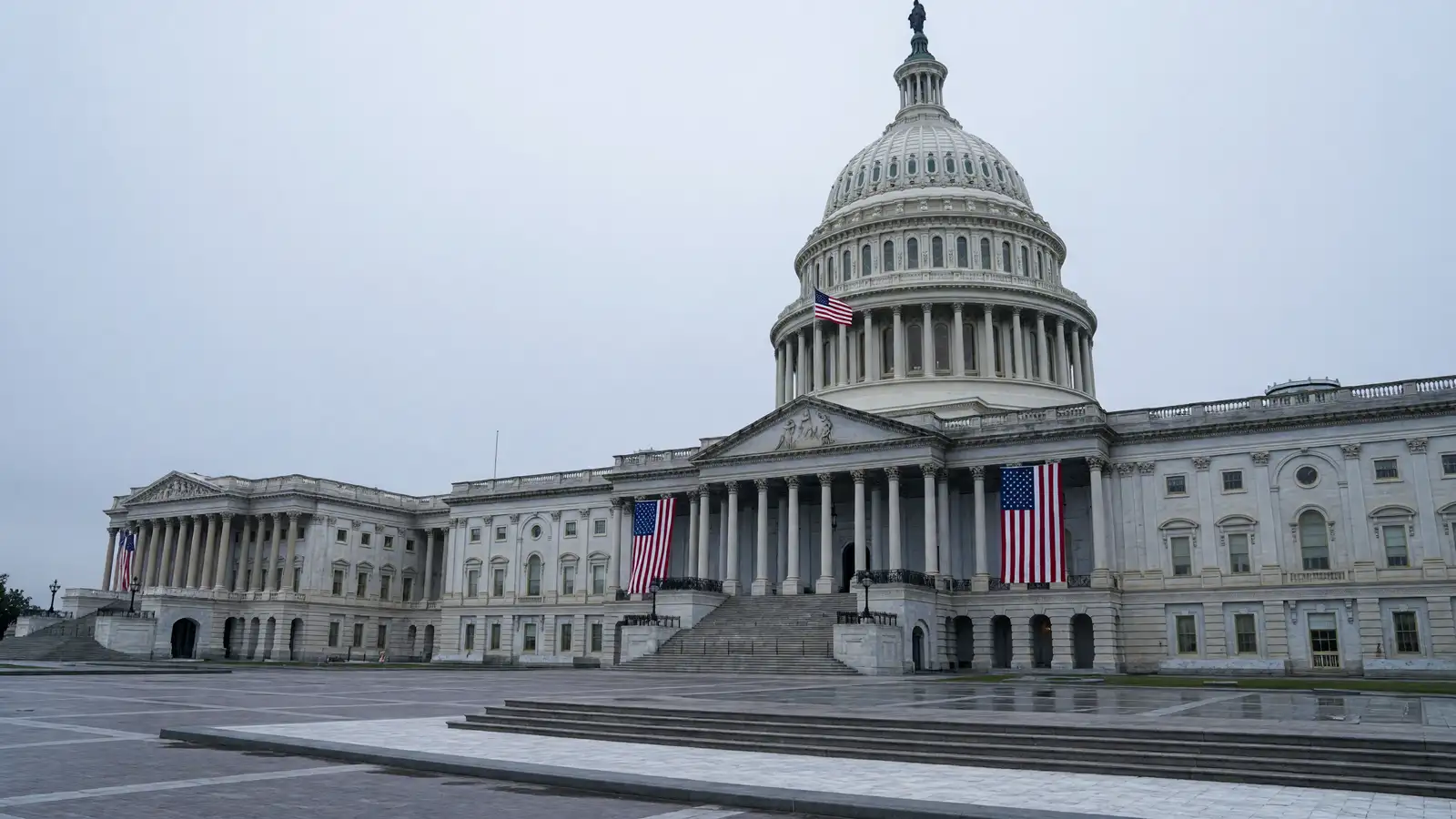
September 15 the Senate votes on a motion to proceed. That is not passage. It is the 60-vote door you have to open before the rest of the votes even get scheduled. Miss it, and the people who cover this bill for a living are already writing 2026 as a loss. We spent August on what the bill actually tries to do. This piece is about the vote that decides whether that write-up was homework or a eulogy.
Prediction-market traders have already cut the odds that CLARITY becomes law before year-end. That is not a poll of the industry Telegram. It is people putting money on process, and process is where this bill lives now. The argument in Washington is no longer “does crypto need rules.” It is which restrictions survive a cloture math problem.
If you build, list, or custody tokens and you have been waiting for “clarity” the way people wait for a compiler flag, September 15 is the date that tells you whether to keep waiting.
What a motion to proceed actually is
Senate procedure is designed to bore you into giving up. Do not give up on this one. A motion to proceed is the vote that says the chamber will take up the bill. It needs 60 votes in the current landscape, because a minority can filibuster the attempt to start. Fail, and leadership usually does not spend the rest of the year lighting floor time on a sequel.
Ingrid Wolf’s explainer is blunt about the next step even in the good case. Cloture is not a ribbon-cutting. If the motion passes, CLARITY still has several votes between it and a statute. Amendments, timing fights, and the House-Senate gap all still exist. The September 15 vote is a filter, not a finish line.
That filter is why the lobbying this fortnight looks frantic and also oddly small. Nobody is arguing DeFi into existence on the floor. They are arguing whether 60 people will allow the argument. Crypto bills die in that gap more often than they die on substance. The substance fight comes after you survive the calendar.
If you work at a firm that paused a U.S. product until “the bill lands,” treat a failed motion as a product decision, not a press cycle. You will not get a clean 2026 statute. You will get the same agency patchwork you have now, plus a winter of op-eds about who lost the vote.
Implementation was always the real bill
CCN’s reporting this week quotes David McIntosh on a point the industry keeps sliding past. Markets can price risk. They cannot price a rulebook that is unsettled across agencies or that resets every administration. Even a passed CLARITY Act is a statutory foundation. The SEC, CFTC, and Treasury still have to turn it into a path a compliance officer can put in a memo.
That is not a hedge. That is the product. Token classification, DeFi venue duties, and who holds the broker-shaped bag are not self-executing sentences. They become comment files, no-action letters, and the first enforcement case that tells you what the statute “meant.” If you thought September 15 was the day Coinbase’s lawyer relaxes, no.
McIntosh’s other line is the one boards will paste into decks: if the U.S. leaves the rulebook fuzzy, it does not freeze blockchain. It exports the engineers, the compliance staff, and the money that pays both, and it lets another jurisdiction write the standards that move capital. You can disagree with his politics and still recognize the mechanism. Capital has a packing list. Developers have visas and remote jobs. The chain does not care which city the standup is in.
This is also why “just pass something” is a bad slogan. A statute that dumps the hard questions on three agencies without a sequence is how you get two years of dueling speeches and a market that prices the speeches. The motion to proceed does not fix that. It only decides whether the fixing starts in this Congress.
Tokenized treasuries are not waiting for the gavel
The part of the CCN piece that is not process is already onchain. In August, Securitize proposed onboarding HINC, a tokenized high-yield fund sub-advised by Neuberger Berman, as collateral on Aave Horizon. Qualified investors could, if it happens, borrow USDC, GHO, or RLUSD against that fund.
Read the nouns. Neuberger Berman is not a Discord. Aave Horizon is the permissioned lane, not the mainnet casino. USDC and RLUSD are the dollars these desks already understand. This is the “institutional DeFi” stack people have been previewing in conference hallways: a familiar fund, wrapped as a token, posted as collateral, borrowed against in stablecoins. McIntosh expects private tokenized treasuries to move first because the underlying instrument is already in the playbook. Private credit and broader RWAs are the longer trade.
Token Terminal’s public nudge this week is the venue-side version of the same idea. Every DeFi venue, they argue, needs an RWA strategy rather than a blog post about “real-world assets” in the footer. That sounds like analyst branding until you look at who is showing up as collateral. If treasuries and funds are going to sit on lending markets, the venue either builds the rails, the KYC perimeter, and the oracle story, or it watches the flow go to the market that did.
This is the split the CLARITY fight is actually about, even when the floor speeches are about retail protection. One stack is tokenized cash-like paper moving through permissioned DeFi. The other is the open-permission zoo. A statute that only knows how to talk about the zoo will misfire on the paper. A statute that only knows the paper will pretend Uniswap is a bank. September 15 does not resolve that taxonomy. It decides whether 2026 gets a taxonomy at all.
If you have been tracking stablecoins as cross-border pipes, the Horizon collateral story should look like the next layer, not a side quest. Stablecoins are the borrowing currency. The treasury token is the thing you post. The legal question is who is allowed to post it, and whether posting it is a securities event, a commodities event, or a shrug.
What a yes vote does not buy you
Assume cloture works. Assume, generously, that the bill still exists in recognizable form after amendments. You still do not get a green light to stand up a U.S. protocol with a retail front end and a “we’re good now” banner.
You get a statute that agencies have to implement. You get a clock measured in comment periods. You get a first wave of products that look like HINC, not like a new memecoin launchpad, because the first wave will be the products whose lawyers can map them onto the new definitions with the least creativity. Tokenized treasuries, tokenized funds, maybe a narrower path for venues that already look like Robinhood’s chain experiment. The long tail of DeFi governance tokens will still be a facts-and-circumstances swamp.
You also get forum shopping with better footnotes. If the U.S. path is slow, the same desks will keep using foreign wrappers and then market the wrapper to U.S. qualified buyers through the holes that remain. CLARITY is supposed to shrink those holes. Implementation is how you find out if it did. Until then, treat every “now legal in America” landing page as a marketing claim, not as a memo you can hand a bank.
A yes vote is still better than a no if you want a domestic rulebook. It is not a product roadmap. Anyone selling it as a product roadmap is raising, or running for something.
What a no vote does, starting the next morning
Fail the 60. The bill is not formally deceased, but Wolf’s account of the coverage is right: short-term prospects go dim, and the people who need a 2026 win start writing about 2027. Prediction markets have already been moving that way. Journalists who live on the Hill have been writing the obstacles in detail for weeks. None of that is a surprise if you have watched a crypto bill in an election-adjacent Senate.
The practical fallout is dull, which is why it matters. Legal teams stop staffing a CLARITY workstream and go back to the agency stack: SEC speeches, CFTC enforcement, state bitlicense math, bank-partner terms. Product managers who were told “after the bill” need a new sentence. Treasury-token experiments like HINC do not freeze. They just keep living in the permissioned lane where the lawyers already signed off, which means the open networks get less of that collateral than the conference slides promised.
Overseas regulators do not pause to be polite. If McIntosh is even half right about standards following the money, a U.S. stall is a gift to whoever is willing to publish a boring rule and staff a help desk. You do not need to like those jurisdictions. You need to notice that “wait for Congress” is itself a jurisdiction choice.
Retail DeFi users will feel this last, which is the usual pattern. The first people who feel a failed cloture are general counsels and the founders who were raising on a U.S. roadmap. The app still opens. The token still transfers. The thing that does not happen is the boring institutional flow that was waiting for a statute to show a risk committee.
How to read the week of the 15th
Ignore the victory tweets for at least one news cycle. Count votes, then count what the vote was. A motion to proceed is a permission slip. If it fails, stop treating CLARITY as a 2026 product dependency. If it passes, start reading the amendment list before you read the celebration thread.
Watch Aave Horizon and the Securitize calendar separately from the Senate. Those deals tell you what institutions will do with or without a statute. Watch Token Terminal-style venue pressure too: if lending markets start publishing RWA roadmaps in public, the market has already picked a direction and is waiting for law to catch up.
I do not know if they get to 60. I know the number is the story, and the story is not “crypto regulation” as a mood. It is whether this Congress will let a taxonomy bill onto the floor, and whether the products that already look like tokenized cash will keep moving in the meantime. September 15 is a small vote. It is also the only date on the crypto calendar that currently has a whip count attached.